Zelenskyy Dismisses Defense Minister Mykhailo Fedorov Amid Major Cabinet Reshuffle in Ukraine
In a move that signals a significant realignment of Ukraine’s wartime administration, President Volodymyr Zelenskyy has dismissed Mykhailo Fedorov from his post as Minister of Defense. The decision, which comes after Fedorov served only six months in the role, is part of a sweeping structural shake-up within the Ukrainian government aimed at revitalizing the nation’s leadership as the conflict with Russia enters a complex new phase. The dismissal was formally acknowledged by Fedorov on Wednesday through a farewell message posted to his social media channels, marking the end of a brief but highly transformative tenure characterized by technological modernization and radical bureaucratic reform.
The removal of Fedorov is not an isolated event but rather the centerpiece of a broader institutional overhaul. On Tuesday, Prime Minister Yulia Svyrydenko submitted her resignation at the president’s request. Under Ukrainian law, the resignation of a Prime Minister triggers the automatic dismissal of the entire cabinet, necessitating a comprehensive reappointment process for all ministerial positions. While some ministers are expected to be reappointed to their previous roles or moved to different departments, Fedorov’s departure appears to be a definitive exit from the defense portfolio, a development that has sent ripples through both the domestic political landscape and Ukraine’s international defense partnerships.
A Legacy of Technological Warfare and Reform
During his half-year at the helm of the Ministry of Defense, the 35-year-old Fedorov—who previously gained international acclaim as the Minister of Digital Transformation—sought to pivot the Ukrainian military toward a "machine war" philosophy. His tenure was defined by an aggressive push to integrate advanced technology into every facet of the armed forces, from the front lines to the procurement offices in Kyiv. Supporters of the outgoing minister credit him with bridging the gap between Ukraine’s burgeoning tech sector and the traditional requirements of the Ministry of Defense.
Fedorov’s farewell message detailed a rigorous list of 22 key accomplishments achieved during his short time in office. Chief among these was the successful implementation of restrictions on Russian access to Starlink satellite terminals, a move that significantly hampered Moscow’s communication capabilities in occupied territories. He also oversaw the launch of the "Freya" initiative, an ambitious project aimed at developing a cost-effective, domestic alternative to the American-made Patriot missile system to counter Russian ballistic threats.
Beyond hardware, Fedorov initiated deep-seated structural changes. He introduced comprehensive military pay reforms designed to improve the morale and financial security of service members and spearheaded a digital overhaul of the national draft system to increase transparency and reduce corruption. His team also made significant strides in transitioning military procurements to open electronic tenders, a move intended to align Ukrainian defense spending with the rigorous anti-corruption standards required for eventual NATO membership.
Internal Friction and Political Undercurrents
Despite his list of achievements, Fedorov’s rapid-fire reforms reportedly created friction within the established military hierarchy. Reports suggest that his "tech-first" approach and his status as a political outsider occasionally clashed with the more traditionalist elements of the General Staff. Specifically, political analysts in Kyiv have pointed to alleged tensions between Fedorov and the Commander-in-Chief of the Armed Forces, General Oleksandr Syrskyi.
Volodymyr Fesenko, a prominent political analyst, noted that Fedorov’s plans to overhaul the Ministry’s operations were seen by some as too progressive or disruptive during a time of active high-intensity conflict. The friction appears to have stemmed from differing philosophies on military management: Fedorov’s focus on agile, tech-driven decentralization versus the more centralized, traditional command structures favored by some veteran military leaders.
The dismissal has prompted the departure of other key figures within the defense establishment. Serhii Sternenko, a prominent activist and advisor to the Ministry of Defense, announced his resignation shortly after Fedorov’s post. Sternenko expressed concern that the change in leadership could jeopardize the momentum of Ukraine’s drone programs—a critical component of the country’s asymmetric warfare strategy. "From now on, I am no longer an advisor to the Minister of Defense," Sternenko stated, adding that his departure "undoubtedly reduces the opportunities to qualitatively help change the situation in the military with drones."
The Search for a Successor
President Zelenskyy has yet to provide a formal public explanation for the timing of Fedorov’s dismissal, nor has he officially named a permanent successor. However, sources within the administration suggest that Ihor Klymenko, the current Interior Minister, is the leading candidate for the role. Klymenko, a career law enforcement officer, represents a shift back toward a more traditional security-focused leadership style compared to Fedorov’s entrepreneurial and technological background.
The potential appointment of Klymenko is viewed by some as a move to consolidate control over the various branches of the security forces under a single, experienced administrator. It also reflects a desire for stability following a period of rapid and sometimes controversial reform. The challenge for any successor will be maintaining the technological edge Fedorov cultivated while navigating the complex interpersonal dynamics of the Ukrainian high command.
Timeline of the Leadership Transition
The current reshuffle follows a specific chronological sequence that highlights the orchestrated nature of the government change:
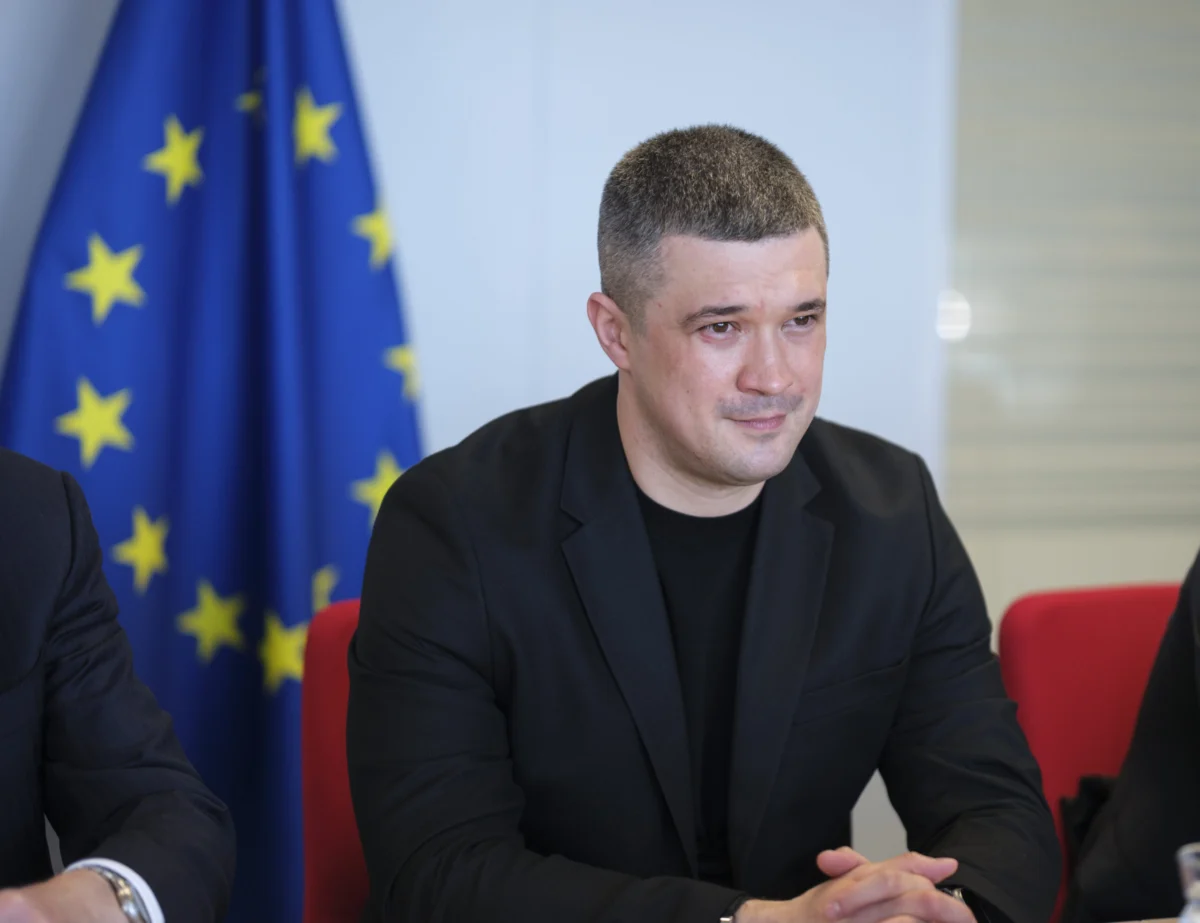
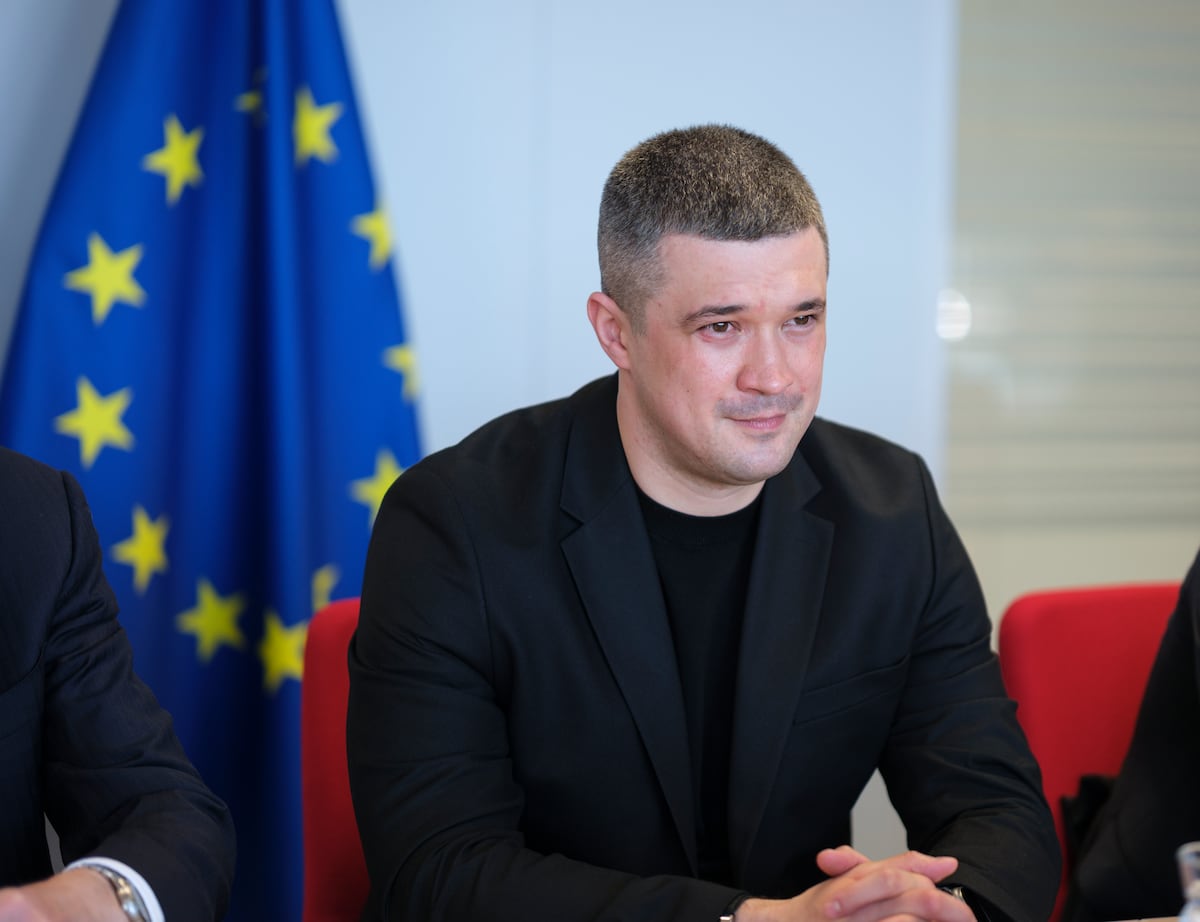
- June 18, 2026: Fedorov represents Ukraine at the EU Commission headquarters in Brussels, emphasizing the country’s integration into European defense frameworks.
- Early July 2026: Speculation begins to circulate regarding a major cabinet reshuffle as President Zelenskyy calls for "new energy" in the executive branch.
- Tuesday: Prime Minister Yulia Svyrydenko resigns, triggering the technical dismissal of the cabinet.
- Wednesday Morning: Mykhailo Fedorov publishes a farewell post on social media, confirming his departure as Minister of Defense.
- Wednesday Afternoon: Advisor Serhii Sternenko announces his resignation, citing concerns over the future of drone warfare initiatives.
- Upcoming Week: The Verkhovna Rada (Ukraine’s parliament) is expected to vote on the new cabinet appointments proposed by the President.
Strategic Implications and NATO Aspirations
The departure of a reform-minded defense minister raises questions about the pace of Ukraine’s alignment with NATO standards. Fedorov himself admitted in his farewell post that three major goals remained unfinished: transforming the ministry’s structure to meet NATO benchmarks of "common sense" and transparency, completing the full transition of procurements to competitive tenders, and fostering a "culture of accountability" for military decision-making.
International observers and Western allies have closely monitored Fedorov’s efforts, particularly his success in securing dozens of international drone deals and modernizing the defense budget. The shift in leadership comes at a time when Ukraine is advocating for increased long-range strike capabilities and more integrated air defense systems from its partners. Any perceived instability in the Ministry of Defense could complicate ongoing negotiations for advanced weaponry and long-term security guarantees.
However, some analysts argue that the reshuffle is a sign of a maturing democracy and an administration capable of self-correction during wartime. By rotating leadership, Zelenskyy may be attempting to prevent burnout among high-level officials and to address the administrative bottlenecks that naturally occur during prolonged conflict. The key metric for the success of this transition will be whether the new leadership continues the digital and procurement reforms initiated by Fedorov or reverts to more opaque, legacy systems.
Future Outlook for Mykhailo Fedorov
While Fedorov has left the Ministry of Defense, his political career in Ukraine is far from over. At 35, he remains one of the most popular and influential figures in the country, known for his ability to deliver tangible results in the digital sphere. In his closing remarks, Fedorov vowed to continue serving the Ukrainian cause, though he did not specify in what capacity. There is speculation that he may return to a broader role focused on national reconstruction and digital infrastructure, areas where his expertise is undisputed.
For the Ukrainian military, the immediate focus remains on the front lines. The Ministry of Defense must now navigate a period of transition without losing the technological momentum gained over the last six months. As the government prepares to present its new cabinet to the parliament, the international community remains watchful, hoping that the "new energy" sought by Zelenskyy translates into a more efficient and resilient defense apparatus capable of securing a definitive victory.

Related Posts
Pentagon Forges Landmark Seven-Year Agreements with Boeing and RTX to Accelerate Standard Missile-3 Production and Stabilize Defense Supply Chains
Boeing Unveils Ultra Low-Cost Seeker to Enhance Missile Inventory and Combat Cost Challenges in Modern Warfare