US Navy Hypersonic Missile Integration for Zumwalt-Class Destroyers Faces Significant Delays and Cost Overruns According to GAO Report
The United States Navy’s ambitious program to retrofit its three Zumwalt-class destroyers with cutting-edge hypersonic weaponry has encountered a series of systemic setbacks, resulting in a minimum two-year delay and billions of dollars in projected cost increases. According to a comprehensive report released by the Government Accountability Office (GAO) in July 2026, the integration of the Conventional Prompt Strike (CPS) missile system is struggling under the weight of technical complexity, production bottlenecks, and a notable lack of coordination between the Navy and the Army. Originally envisioned as a pivotal leap in maritime strike capability, the program now faces a timeline where critical flight testing has been deferred from 2025 to 2027, raising questions about the fleet’s near-term readiness in an era of intensifying global competition.
Technical Hurdles and Shipboard Integration Challenges
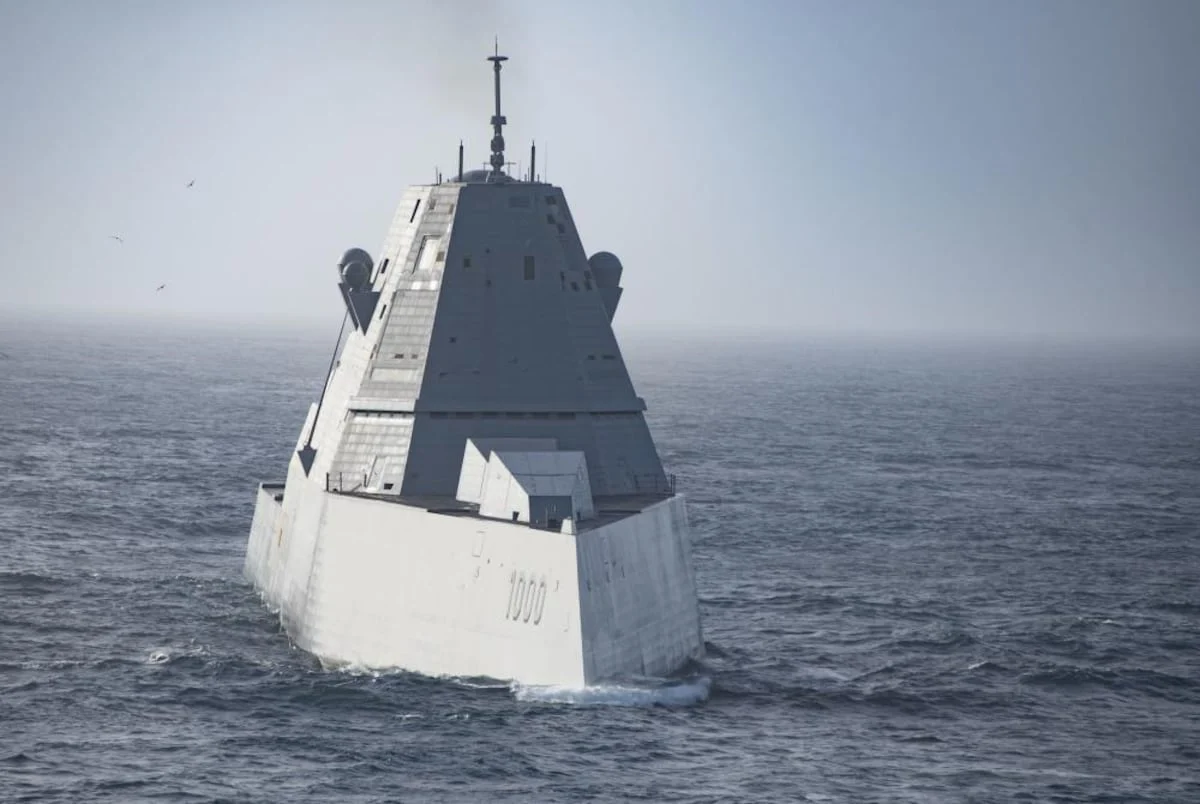
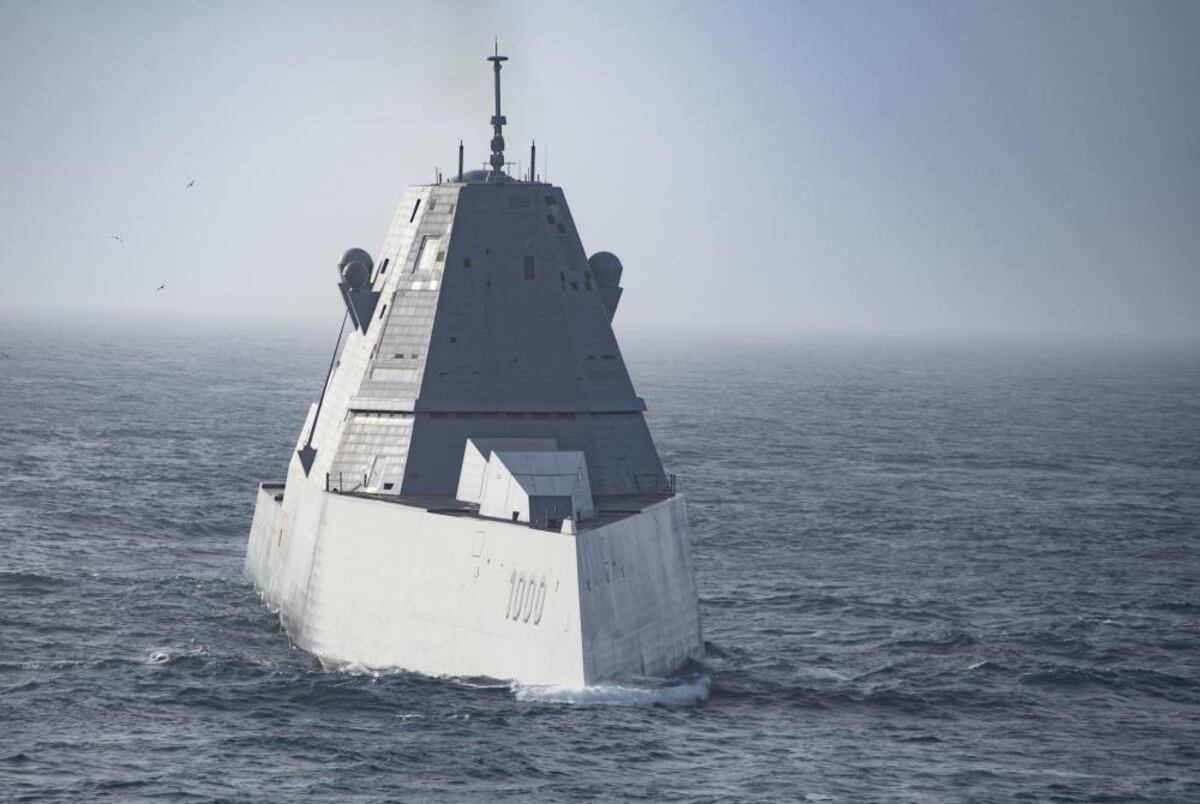
The Zumwalt-class destroyers, consisting of the USS Zumwalt (DDG-1000), the USS Michael Monsoor (DDG-1001), and the USS Lyndon B. Johnson (DDG-1002), were initially designed for littoral land-attack missions. However, following the cancellation of the Long Range Land Attack Projectile (LRLAP) due to exorbitant costs, the Navy pivoted in 2022 to transform these vessels into blue-water platforms capable of launching hypersonic missiles. This transition required massive structural modifications, including the removal of the ships’ twin 155mm Advanced Gun Systems to make room for large-diameter vertical launch tubes.
The GAO report highlights that these modifications have proven more difficult than anticipated. One primary issue involved the physical infrastructure of the ships themselves. For example, during the installation process for the CPS launch tubes on one vessel, contractors were forced to cut and remove significantly more internal cabling than the original project design had specified. This led to a cascading series of delays as engineers struggled to re-route essential power and data lines through the ship’s complex internal architecture.
Furthermore, the Zumwalt class remains a "boutique" fleet with unique, non-standardized systems. The GAO noted that the ships’ bespoke radar, combat management systems, and network architectures are not only expensive to maintain but also difficult to sustain due to a fragile supply chain for spare parts. The unreliability of the ships’ integrated power systems—a cornerstone of their original stealth design—continues to plague the class, complicating the integration of the high-energy requirements associated with hypersonic missile launch sequences.
A Growing Financial Burden
The fiscal trajectory of the Conventional Prompt Strike program has become a focal point of congressional concern. In 2020, the Navy estimated that it would cost approximately $31 billion to procure 262 missiles. By the time of the 2026 GAO audit, that estimate had ballooned to $41 billion, while the total number of missiles to be purchased had been reduced to 224. This represents a staggering increase in the per-unit cost, driven by inflationary pressures, supply chain volatility, and the inherent difficulties of manufacturing advanced materials.
Lockheed Martin, the prime contractor for the CPS missile body, has faced significant scrutiny regarding its production capacity. The GAO found that the current factory throughput is only capable of producing six to seven missiles per year—nearly half of the 12-missile-per-year target required to meet the Navy’s deployment schedules. The report identified several "significant production issues" that must be resolved, including the application of specialized heat-resistant coatings necessary for missiles traveling at Mach 5 or higher. Substandard components from lower-tier suppliers have also contributed to the bottleneck, forcing rework and further straining the delivery timeline.
Workforce and Manufacturing Discrepancies
Perhaps one of the most unexpected revelations in the GAO report is the disconnect between engineering requirements and the reality of the manufacturing floor. The CPS missile is a highly sophisticated piece of machinery, utilizing a two-stage booster and a high-altitude glider. Yet, the GAO found that the work instructions provided to the assembly line were often incomprehensible to the staff performing the labor.
Navy production oversight officials admitted that many work instructions were written as dense engineering specifications. These documents were handed to a workforce largely comprised of recent high school or vocational school graduates who lacked the advanced technical background to interpret them accurately. The GAO report characterized it as "unreasonable" to expect these workers to execute the instructions without error, leading to quality control issues and production halts. This labor-skill gap highlights a broader challenge within the U.S. defense industrial base: the struggle to find and train specialized workers capable of building the next generation of high-tech weaponry.
Inter-Service Friction: The Navy and the Army
The CPS program is a joint venture, with the Navy leading the design of the missile body and the Army developing a land-based variant known as the Long-Range Hypersonic Weapon (LRHW). While the two services share the same missile technology, their procurement and development strategies have diverged in ways that the GAO describes as inefficient and risky.
A primary point of contention is the lack of a unified production strategy. While the Navy is officially responsible for the production of the missile bodies, the Army reportedly hired its own independent consultants to study ways to increase production capacity without coordinating with its naval counterparts. This "siloed" approach has created a situation where the two services are essentially competing for resources and attention from the same prime contractor.
The GAO warned that without a joint development and procurement strategy, the Navy and Army are at risk of duplicating efforts and wasting taxpayer funds. The report concluded that the Navy cannot make production decisions in isolation when the Army manages key aspects of the supply chain and is purchasing its own inventory of the same missiles.
Chronology of the Zumwalt Hypersonic Pivot
To understand the current crisis, it is necessary to look at the timeline of the Zumwalt class’s evolution:
- 2000s–2010s: The Zumwalt program is scaled back from 32 ships to 3 due to massive cost overruns. The primary weapon system (the Advanced Gun System) is effectively orphaned when its ammunition becomes too expensive to produce.
- 2022: The Navy officially changes the mission of the DDG-1000 class from littoral support to "conventional prompt strike." Plans are announced to integrate hypersonic missiles.
- 2023–2024: Initial structural modifications begin. Lockheed Martin begins scaling up production facilities for the CPS missile body.
- 2025 (Original Target): The Navy intended to conduct major sea-based flight tests and begin the final integration phase.
- 2026 (Current Status): The GAO releases its audit, confirming that flight tests are delayed until 2027 and the first operational deployment is pushed back by at least two years.
- 2028: The scheduled delivery of the third and final ship, the USS Lyndon B. Johnson, which is expected to face similar integration challenges.
Broader Strategic Implications
The delays in the CPS program have significant implications for U.S. national security, particularly in the Indo-Pacific theater. Hypersonic missiles are designed to bypass traditional integrated air and missile defense systems by flying at extreme speeds and maneuvering within the atmosphere. As China and Russia continue to test and deploy their own hypersonic capabilities—such as the DF-17 and the Zircon—the U.S. Navy’s delay leaves a gap in its "reach-out-and-touch" capability.
The Zumwalt-class destroyers were intended to be the vanguard of this new era of strike warfare. Their stealth profiles and advanced power systems make them ideal candidates for carrying heavy, long-range weapons into contested environments. With the CPS integration stalled, the Navy must rely on older, non-stealthy platforms or wait for the arrival of the Block V Virginia-class submarines, which are also slated to carry the CPS but are themselves facing production headwinds in American shipyards.
Furthermore, the $10 billion cost increase for a reduced number of missiles puts additional pressure on the Navy’s shipbuilding and weapons procurement budgets. At a time when the service is trying to expand the fleet to 355 ships and invest in unmanned systems, the "sunk cost" of the Zumwalt class continues to grow, potentially cannibalizing funds for other vital programs.
Official Responses and Path Forward
While the Department of Defense has not issued a formal rebuttal to the entirety of the GAO’s findings, officials within the Navy and Army have acknowledged the need for better communication. In preliminary responses, Pentagon spokespeople emphasized the "unprecedented technical challenges" of hypersonic flight, noting that the extreme temperatures and pressures involved in boost-glide trajectories represent the "bleeding edge" of aerospace engineering.
The GAO has recommended that the Secretary of the Navy and the Secretary of the Army immediately establish a joint program office specifically for CPS production and procurement. This office would be tasked with creating a single, unified roadmap to address supply chain vulnerabilities, workforce training, and factory throughput.
As it stands, the USS Zumwalt remains a ship in transition—a sophisticated platform waiting for a weapon system that is currently out of reach. The next two years will be critical for the Navy as it attempts to synchronize its engineering goals with the realities of its industrial base. Whether the CPS can eventually transform the Zumwalt class into the "apex predator" of the seas remains to be seen, but for now, the program serves as a cautionary tale of the complexities inherent in modernizing the American arsenal.

Related Posts
Pentagon Forges Landmark Seven-Year Agreements with Boeing and RTX to Accelerate Standard Missile-3 Production and Stabilize Defense Supply Chains
Boeing Unveils Ultra Low-Cost Seeker to Enhance Missile Inventory and Combat Cost Challenges in Modern Warfare