Afghanistan Facing Catastrophic Hunger Crisis as Humanitarian Funding Collapses and Repressive Policies Stifle Aid Efforts
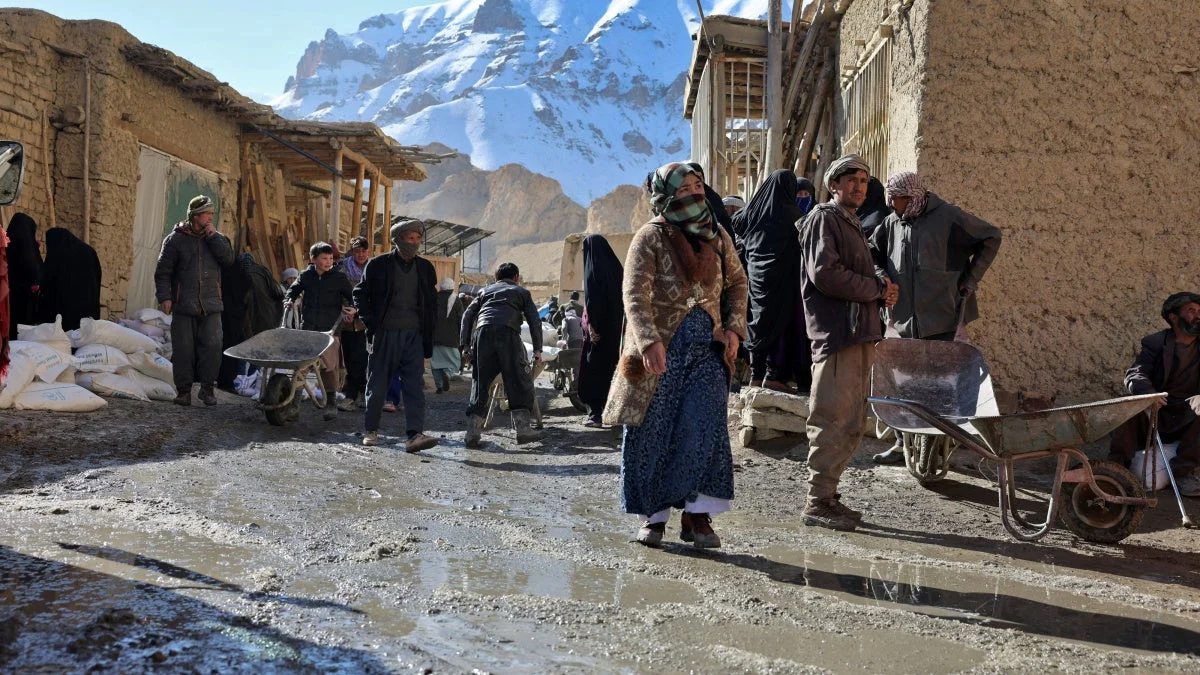
In the dusty outskirts of western Afghanistan, a father recounts a now-familiar ritual of desperation: neighbors knocking on his door not to socialize, but to beg for scraps of food he does not have. In the capital city of Kabul, the sentiment is echoed by a parent who describes the crushing weight of rising inflation, stating simply that he can no longer feed his children properly. These individual accounts are no longer isolated incidents of poverty; they are the frontline indicators of a massive, systemic collapse. As of mid-2026, Afghanistan is grappling with a looming hunger crisis of unprecedented proportions, fueled by a perfect storm of dwindling international aid, restrictive domestic policies, and a surge in forced repatriations from neighboring countries.
The scale of the emergency is staggering. According to recent data from the United Nations, more than 17 million people in Afghanistan—out of a total population of approximately 44 million—are projected to face acute food insecurity this year. This crisis does not affect all demographics equally; it disproportionately impacts the most vulnerable, specifically women and children, who often eat last and least in times of scarcity. Despite the clarity of the data, the international community’s response has remained tepid. As of June 2026, the UN’s Humanitarian Response Plan has received less than 20 percent of its required budget, leaving a multi-billion-dollar void that humanitarian organizations are struggling to fill.
A Chronology of Decline: From Withdrawal to Systemic Failure
The current humanitarian catastrophe is the culmination of years of compounded crises. The timeline of Afghanistan’s economic and social decline began in earnest following the political transition in August 2021. The immediate freezing of central bank assets and the cessation of development aid, which had previously accounted for nearly 75 percent of the national budget, sent the economy into a tailspin.
Between 2022 and 2024, the country experienced a series of environmental and geopolitical shocks. Persistent droughts decimated agricultural yields in the northern and western provinces, while the global rise in commodity prices—exacerbated by international conflicts—pushed the cost of basic staples like flour and oil beyond the reach of the average citizen. By October 2025, internal assessments indicated that only 28 percent of Afghan households were able to secure sufficient food without external assistance.
However, the situation deteriorated even more rapidly in the first half of 2026. By April, the percentage of food-secure households had plummeted to just 20 percent. This rapid decline coincided with a sharp reduction in foreign aid contributions. The United States, which historically funded up to 40 percent of the humanitarian aid reaching Afghanistan, significantly scaled back its commitments. Similar reductions were seen from the United Kingdom and other major Western donors, citing "donor fatigue" and the logistical challenges posed by the Taliban’s restrictive governing style.
The Statistical Reality: 22 Million in Urgent Need
The numbers provided by humanitarian agencies paint a bleak picture of the requirements on the ground. Approximately 22 million people—half the country’s population—now require urgent assistance for both food and basic healthcare. The collapse of the healthcare system is intrinsically linked to the food crisis; malnutrition renders children more susceptible to preventable diseases, while the lack of functioning clinics means that even basic treatments are unavailable.
The funding shortfall has forced a "triage" approach to human life. International non-governmental organizations (NGOs) have reported that they are being forced to reduce the size of food baskets, scale back the frequency of distributions, and close mobile health clinics in remote provinces. In many cases, aid workers are having to make the impossible choice of which starving families to prioritize, often leaving those in "moderate" distress to fend for themselves to save those in "critical" condition.
The Repatriation Crisis: A Population Under Strain
Adding to the internal pressure is the massive influx of returnees from neighboring Iran and Pakistan. Over the past two years, an estimated five million Afghans have been forcibly returned to their home country. Many of these individuals had lived abroad for decades and returned to find their ancestral villages destroyed by conflict or rendered uninhabitable by drought.
These returnees are often funneled into areas already struggling with limited work opportunities and overstretched infrastructure. In provinces like Herat and Kandahar, the arrival of hundreds of thousands of returnees has led to increased competition for scarce resources, driving up local food prices and straining the social fabric of host communities. Without a comprehensive reintegration plan or sustained financial support, these returnees are joining the ranks of the internally displaced, further inflating the number of people dependent on a dwindling pool of international aid.
The Gendered Impact of Taliban Restrictions
Perhaps the most significant man-made obstacle to resolving the hunger crisis is the Taliban’s ongoing campaign of repression against women. Since taking power, the authorities have issued a series of decrees that severely limit women’s rights to movement, education, and employment. Most critically for the humanitarian sector, the ban on women working for international aid organizations and the United Nations has crippled the delivery of lifesaving services.
In Afghan society, cultural norms often dictate that only women can interact with other women, particularly in rural or conservative areas. Because women are prohibited from working in the field, aid agencies find it increasingly difficult to reach female-headed households. These households are among the most food-insecure in the country, as the widows of decades of war often have no other means of income. By restricting women’s access to the workforce, the Taliban have effectively cut off a vital lifeline for millions of people, ensuring that hunger remains a gendered crisis.
Economic Stagnation and Environmental Headwinds
The crisis is further exacerbated by an economy that has failed to stabilize. While the Taliban have made efforts to collect customs duties and increase coal exports, these revenues have not trickled down to the impoverished populace. The banking sector remains in a state of paralysis, hindering the ability of small businesses to operate and preventing the flow of remittances from the Afghan diaspora.
Environmentally, Afghanistan remains on the front lines of climate change. The 2025-2026 winter was characterized by erratic snowfall, leading to concerns about water availability for the spring planting season. For a country where the majority of the population relies on subsistence farming, a single failed harvest can be the difference between survival and starvation. The lack of investment in modern irrigation and climate-resilient agriculture means that the country remains trapped in a cycle of environmental vulnerability.
Official Reactions and the Call for Urgent Action
The international community’s response has been a mix of alarm and diplomatic gridlock. UN officials have issued repeated warnings that without an immediate infusion of cash, the humanitarian response will "collapse entirely" by the end of the year. In a recent statement, a spokesperson for the UN Office for the Coordination of Humanitarian Affairs (OCHA) warned that millions would lose access to lifesaving support, leading to a spike in mortality rates that could rival the casualties of the war years.
Humanitarian groups are calling on donor governments to decouple political disagreements with the Taliban from the moral obligation to prevent mass starvation. They argue that aid should be viewed as a neutral necessity rather than a tool of political leverage. Simultaneously, there is a growing chorus of voices demanding that the Taliban authorities reverse their bans on women’s employment. Rights groups emphasize that these restrictions are not only a violation of fundamental human rights but are also economically illiterate, as they prevent half the population from contributing to the country’s recovery.
Broader Implications and Analysis
The implications of a total humanitarian collapse in Afghanistan extend far beyond its borders. A starving population is a mobile population; the lack of food and economic security is likely to trigger a new wave of mass migration toward Europe and neighboring regional powers, potentially destabilizing an already volatile geographic corridor.
Furthermore, the hunger crisis provides a fertile breeding ground for radicalization. When the state and the international community fail to provide basic necessities, marginalized populations may turn to extremist elements for survival. The long-term impact on the next generation of Afghans is perhaps the most tragic consequence; chronic malnutrition in children leads to stunting and cognitive impairments that are irreversible, effectively handicapping the future of the nation.
To avert a total catastrophe, a two-pronged approach is required. First, donor nations must honor their previous commitments and provide the remaining 80 percent of the required humanitarian budget for 2026. This funding must be flexible enough to allow agencies to navigate the complex local landscape. Second, a sustained diplomatic effort is needed to ensure that the Taliban understand the direct correlation between their restrictive policies and the suffering of the Afghan people.
The crisis in Afghanistan is no longer a "looming" threat; it is a present reality for 17 million people. The window of opportunity to prevent a mass-casualty event is closing rapidly. Without immediate intervention, the stories of neighbors knocking on doors for food will be replaced by the silence of communities that have nothing left to give. The international community faces a choice: to act with the urgency the data demands or to stand by as a nation of 44 million people slides into an avoidable abyss of hunger and despair.

Related Posts

Human Rights Watch Calls for Investigation into Death of Detainee Following Removal from Najaf Hospital by Iraqi Drug Police
Human Rights Watch Urges UN Security Council to Extend Lebanon Peacekeeping Mission Amid Escalating Conflict and Humanitarian Crisis