UK: Manchester Mayoral Candidates Should Condemn UAE Abuses
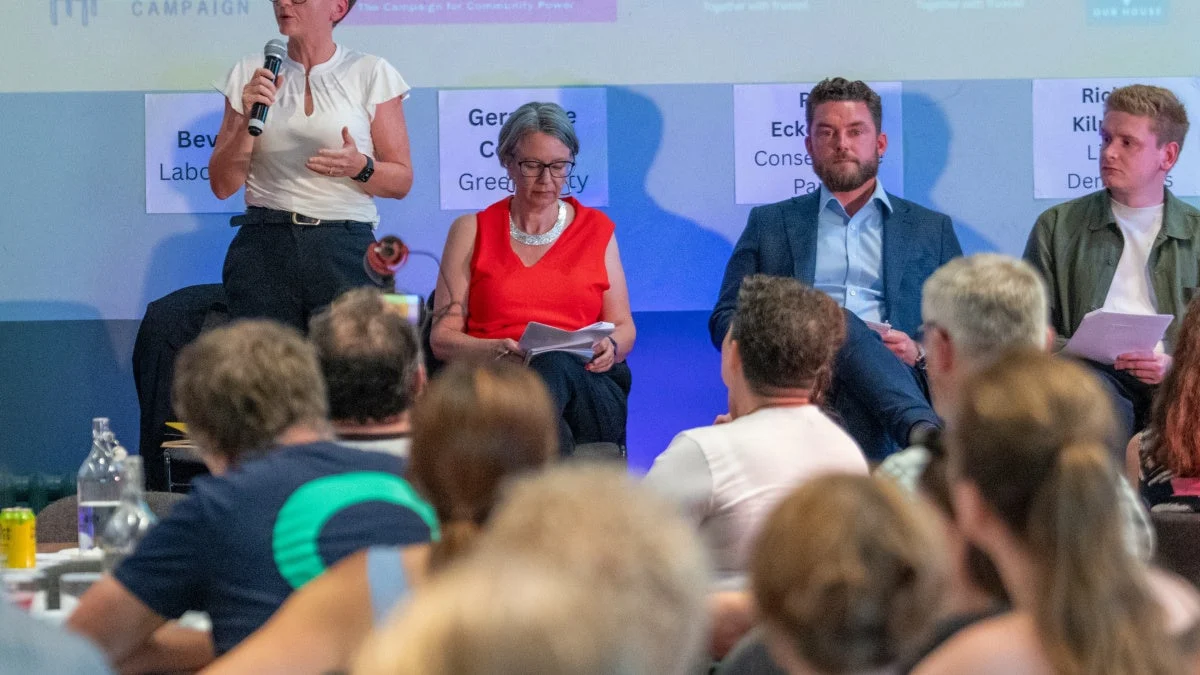
In a significant move that bridges local municipal governance with international human rights advocacy, Human Rights Watch and FairSquare have issued a joint letter calling on candidates in the upcoming Greater Manchester mayoral by-election to take a firm public stand against the United Arab Emirates’ (UAE) human rights record. The organizations argue that the next mayor must leverage the city’s deep financial and cultural ties with the Gulf state to advocate for the cessation of alleged atrocities in Sudan and the release of political prisoners within the UAE.
The UAE has funneled billions of pounds into the Greater Manchester region over the past two decades, most notably through the ownership of Manchester City Football Club and extensive real estate joint ventures with the Manchester City Council. This influx of capital has transformed the city’s skyline and economic prospects but has simultaneously raised ethical concerns regarding "sportswashing" and the moral responsibilities of local leaders.
Joey Shea, a senior Saudi Arabia and UAE researcher at Human Rights Watch, emphasized the urgency of the situation, stating that the Manchester City Council’s relationship with Emirati officials has provided "valuable reputational cover" for a government currently accused of backing forces committing mass atrocities in Sudan. "Mayoral candidates should not stay silent about the UAE’s record despite the money flowing through Manchester," Shea said.
The Sudan Conflict and the UAE’s Alleged Involvement
The call for political accountability is driven largely by escalating reports regarding the UAE’s role in the civil war in Sudan. According to a Human Rights Watch report published in May 2026, there is mounting evidence that the UAE has provided substantial military support to the Rapid Support Forces (RSF). The RSF is a paramilitary group currently engaged in a brutal conflict with the Sudan Armed Forces (SAF) for control of the nation.
The RSF has been accused by international monitors of widespread war crimes, including massacres, crimes against humanity, and a systematic campaign of ethnic cleansing in the Darfur region. The HRW investigation detailed how Colombian private military contractors reportedly passed through Emirati military bases before being deployed to Sudan to bolster the RSF’s operations.
In October 2025, during the RSF’s takeover of El Fasher—the capital of North Darfur—foreign fighters, believed to be Colombian contractors, were observed standing by as RSF units carried out mass killings of civilians. The victims included men, women, and individuals with disabilities. These contractors were also linked to the abduction of civilians for ransom. In response to these findings, the United Kingdom’s Foreign, Commonwealth and Development Office added three Colombian nationals to the UK Sanctions List in February 2026, citing their roles in enlisting mercenaries to fight alongside the RSF.
A Chronology of the UAE-Manchester Partnership
The relationship between the UAE and Manchester is not merely one of occasional investment but represents a deep-seated structural partnership that has evolved over nearly 20 years.
- 2008: The Abu Dhabi United Group, headed by Sheikh Mansour bin Zayed Al Nahyan, acquires Manchester City Football Club, initiating a period of unprecedented sporting success and global branding for the city.
- 2014: The Manchester Life Development Company (MLDC) is established. This is a joint venture between the Manchester City Council and entities ultimately controlled by Sheikh Mansour. The partnership focuses on the redevelopment of East Manchester, specifically the Ancoats and New Islington neighborhoods.
- 2016: Human Rights Watch attempts to engage with then-Council Leader Sir Richard Leese, requesting he co-sign a letter calling for the release of Emirati political prisoners. Leese declines, describing the Emirati government as "exemplary business partners."
- 2023: FairSquare publishes the "Easy Cities to Buy" report, highlighting the lack of critical scrutiny from Manchester’s political leadership regarding their Gulf partners.
- 2025–2026: Reports emerge detailing the UAE’s alleged military support for the RSF in Sudan and the use of foreign mercenaries, leading to UK sanctions.
- July 2026: HRW and FairSquare issue their joint letter to the mayoral candidates, demanding a policy shift.
The Financial Nexus: Manchester Life Development Company
At the heart of the controversy is the Manchester Life Development Company (MLDC). This entity is a primary vehicle for the UAE’s influence in the city’s urban planning. Controlled by Sheikh Mansour—who serves as the Vice President and Deputy Prime Minister of the UAE—the MLDC has been instrumental in building thousands of new homes and commercial spaces.
Critics argue that this joint venture has allowed the Emirati government to embed itself into the civic fabric of Manchester, making it politically difficult for local leaders to criticize the UAE’s foreign or domestic policies. The joint letter from HRW and FairSquare suggests that this financial dependency has led to a "culture of silence" among the Manchester elite, where economic benefits are prioritized over the defense of international human rights standards.
Specific Demands for Mayoral Candidates
The joint letter outlines a series of commitments that HRW and FairSquare believe the next Mayor of Greater Manchester must make to ensure the city is not complicit in the UAE’s alleged rights violations. These demands include:
- Public Advocacy on Sudan: Candidates should pledge to use their platform to press the UAE government to end all military and logistical support for the RSF in Sudan.
- Human Rights Due Diligence: The next mayor should commit to conducting rigorous human rights due diligence on all future and existing UAE-linked investments in the Greater Manchester region.
- Direct Engagement: If elected, the mayor should raise concerns regarding domestic repression in the UAE directly with Emirati representatives and seek meetings with Emirati human rights defenders.
- Transparency in Partnerships: A call for greater transparency regarding the terms of joint ventures like MLDC, ensuring that the city’s reputation is not being used to "burnish" the image of a foreign government accused of abuses.
Alex Carlen, research and advocacy manager at FairSquare, highlighted the necessity of these measures for the integrity of the mayoral office. "Manchester’s next mayor should be willing to stand up to the UAE given its domestic repression and support for the abusive RSF in Sudan," Carlen stated. "Voters need reassurance that investment from the UAE is not being used to deflect from its record as a human rights violator."
Historical Context and Previous Responses
The reluctance of Manchester officials to criticize the UAE is well-documented. In 2016, the response from Sir Richard Leese to Human Rights Watch set a precedent for the city’s "business-first" approach. Leese argued that the "alleged" abuses were beyond the council’s sphere of influence and that the UAE’s role as an investor was the primary concern for local governance.
However, the geopolitical landscape has shifted significantly since 2016. The scale of the humanitarian disaster in Sudan—where millions have been displaced and the risk of famine is acute—has brought the UAE’s foreign policy under intense international scrutiny. Advocacy groups argue that a regional mayor in a major UK city now holds significant "soft power" and that staying silent is, in itself, a political choice that favors the UAE’s narrative.
Broader Implications and Analysis
The situation in Manchester reflects a broader global trend where non-state actors and sub-national governments are increasingly entangled in international relations. As cities seek foreign direct investment (FDI) to compensate for domestic austerity or to fund ambitious infrastructure projects, they often find themselves partnered with sovereign wealth funds from states with poor human rights records.
The Greater Manchester mayoral by-election serves as a litmus test for how local democracy handles these ethical dilemmas. If candidates adopt the recommendations of HRW and FairSquare, it could signal a new era of "ethical municipalism," where city leaders acknowledge that their economic partners’ actions abroad have local moral consequences. Conversely, a continuation of the status quo would reinforce the perception that major Western cities are willing to overlook international law violations in exchange for urban regeneration funds.
Furthermore, the involvement of the UK government through sanctions adds a layer of complexity. If the national government has identified and sanctioned individuals linked to the RSF’s mercenary recruitment—recruitment allegedly facilitated by the UAE—it becomes increasingly difficult for local leaders to claim that such matters are outside their "sphere of influence."
As the election approaches, the candidates face a choice: maintain a lucrative but controversial partnership through silence, or risk economic friction by standing in solidarity with victims of conflict in Sudan and political activists in the Gulf. The joint letter from Human Rights Watch and FairSquare has ensured that, for the first time in a Manchester election, the city’s relationship with the UAE will be a central point of debate.

Related Posts
Human Rights Watch Calls for Investigation into Death of Detainee Following Removal from Najaf Hospital by Iraqi Drug Police
Human Rights Watch Urges UN Security Council to Extend Lebanon Peacekeeping Mission Amid Escalating Conflict and Humanitarian Crisis