
The UAE could be the first country to plan a gas pipeline bypassing the Strait of Hormuz.
The United Arab Emirates’ state-owned energy conglomerate, Abu Dhabi National Oil Company (Adnoc), announced on Monday, August 10, 2026, a substantial $8 billion investment aimed at significantly expanding its gas business. This strategic move underscores the Gulf nation’s accelerated efforts to bolster its energy capacity and enhance its energy security, particularly in the wake of its withdrawal from the Saudi Arabian-led energy alliance, OPEC, in May 2026. This aggressive expansion includes the potential development of a liquefied natural gas (LNG) export facility situated strategically outside the Strait of Hormuz, a critical maritime choke point that has become a flashpoint for regional geopolitical tensions.
A Strategic Pivot in Energy Security
Adnoc’s ambitious investment plan encompasses several key components designed to optimize its domestic gas processing capabilities and dramatically increase its export potential. At the heart of this expansion is the construction of a new natural gas processing unit at Habshan, the UAE’s largest existing natural gas processing facility. This development is intended to streamline domestic operations and enhance efficiency in handling the nation’s growing gas output. Concurrently, Adnoc is slated to build a new gas export facility in Ruwais, which is projected to more than double the company’s current export capacity to approximately 15 million tonnes of LNG per year.
Beyond these announced projects, a significant strategic consideration emerged with Adnoc Gas’s CFO, Peter van Driel, confirming to Bloomberg on Monday that the company is actively exploring plans for an additional LNG export facility located beyond the Strait of Hormuz. This potential facility would complement the Ruwais expansion, providing an alternative, de-risked route for the UAE’s burgeoning gas exports. Such a project would mark a monumental step in the global energy landscape, establishing the UAE as a pioneer in developing a gas export route that bypasses one of the world’s most geopolitically sensitive maritime passages.
The Imperative of Hormuz Bypass: Geopolitical Tensions and Market Volatility
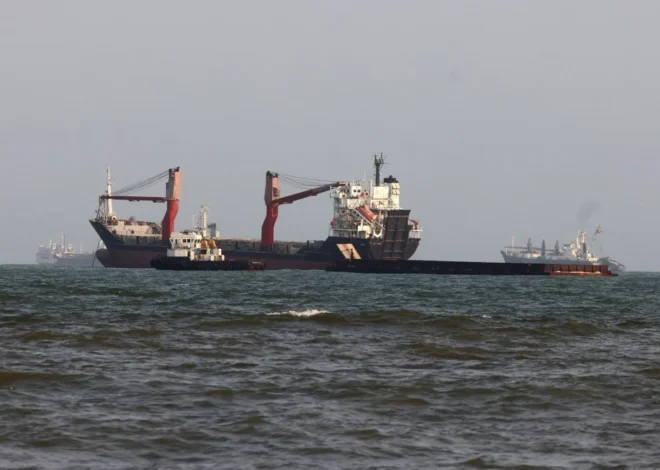
The discussions around bypassing the Strait of Hormuz are not new but have gained renewed urgency due to escalating regional instability and its direct impact on energy shipments. The Strait of Hormuz is undeniably one of the world’s most critical maritime corridors, through which roughly 25 percent of the globe’s oil and gas passes daily. Its strategic importance makes it a frequent nexus of international friction, compelling energy producers in the Gulf to seek alternative export routes to mitigate risks.
Recent events have vividly underscored the vulnerability of relying solely on the Strait. Qatar, a dominant player in the global LNG market, declared a force majeure on LNG shipments through the autumn due to the ongoing US-Israeli war on Iran. Qatar’s substantial LNG exports are almost entirely dependent on vessel transit through the Strait. While some Qatari LNG shipments resumed after a US-Iran ceasefire extension in June, Qatari vessels have reportedly faced attacks while transiting Oman’s territorial waters in recent months, highlighting the persistent threats.
The UAE itself has not been immune to these dangers. Its vessels have also been targeted by Iran, prompting the Gulf state to adopt a more "risk-prone approach" by occasionally sending vessels through the Strait of Hormuz with their ship tracking signals intentionally turned off. This risky maneuver underscores the severe security challenges faced by commercial shipping in the region. Further complicating the geopolitical picture, a Reuters report in June indicated that the UAE had reportedly paid Iran billions of dollars in exchange for a cessation of attacks on its shipping. This alleged payment marks a significant policy reversal for the UAE, which had previously participated in dozens of attacks on Iran alongside the US and Israel during the conflict.

The strategic imperative to circumvent the Strait of Hormuz has long been recognized by Gulf nations. The UAE already benefits from an operational oil pipeline that terminates at Fujairah, a port situated on the Gulf of Oman, effectively bypassing the Strait for a significant portion of its crude exports. This existing infrastructure has proven invaluable, allowing the UAE to maintain oil exports even as other Gulf states, such as Kuwait and Bahrain, whose primary export routes are entirely dependent on the Strait, have faced market disruptions. Similarly, Saudi Arabia possesses its East-West Pipeline, which transports oil across the Arabian Peninsula to the Red Sea, offering another alternative to the Hormuz passage. These existing bypasses serve as precedents for the potential gas pipeline, demonstrating the feasibility and strategic value of such projects.
UAE’s Ambitious Production and Diversification Strategy
The recent announcement of gas expansion aligns with the UAE’s broader, more assertive energy strategy, particularly following its departure from OPEC in May 2026. This withdrawal was a culmination of years of underlying tension, with Abu Dhabi reportedly feeling constrained by Saudi-led OPEC quotas that limited its ability to fully utilize its substantial production capacity. The UAE has invested heavily in boosting its oil and gas production capabilities and had frequently voiced frustration that OPEC’s collective decisions, primarily aimed at price stabilization, hindered its economic ambitions.
Data from the International Energy Agency (IEA) in July indicated that the UAE boosted its oil production to an all-time high of 4.1 million barrels per day (bpd) in June. This surge in production, coupled with the renewed focus on gas, reflects the UAE’s desire for greater strategic autonomy and market flexibility. By increasing its gas export capacity and exploring bypass routes, the UAE aims to solidify its position as a reliable global energy supplier, less susceptible to regional political volatility and the dictates of international cartels.
Moreover, the UAE’s energy vision extends beyond traditional hydrocarbons. The nation has also made significant investments in renewable energy through entities like Masdar, and is actively exploring the potential of hydrogen as a future energy source. However, natural gas is viewed as a critical transition fuel, providing a cleaner alternative to oil and coal while supporting the development of a more diversified energy mix. The expansion of gas infrastructure, therefore, serves a dual purpose: securing immediate energy revenue and facilitating a longer-term energy transition.
Regional Context and Competing Bypass Projects
The UAE’s proposed gas pipeline is not an isolated endeavor but part of a wider regional trend towards de-risking energy exports from the Strait of Hormuz. Experts widely acknowledge this shift, with Artem Abramov, deputy head of analysis at Rystad Energy, previously stating to Middle East Eye, "When we speak to our customers in the region, they say they never want to deal with this again… These bypass projects will move forward." This sentiment highlights the collective determination among Gulf producers to invest tens of billions of dollars in new infrastructure in the coming years.
Indeed, several other significant bypass projects are either underway or in advanced planning stages across the region. The UAE itself is already constructing a second oil pipeline to the port of Fujairah, an initiative expected to double its existing oil export capacity by 2027. This parallel effort underscores a consistent, long-term strategy to enhance its energy security and export resilience.
Further afield, Iraq, the second-largest oil producer within OPEC, signed a landmark deal with Syria in July 2026 to rehabilitate a pipeline connecting its northern oil fields to Syria’s Mediterranean coast. This project, first revealed by Middle East Eye, notably benefits from US backing, indicating a broader international recognition of the strategic importance of diversifying energy routes. These competing and complementary projects illustrate a growing regional consensus on the necessity of alternative export pathways, reshaping the energy infrastructure landscape of the Middle East. Each nation’s pursuit of such projects is driven by a complex interplay of economic interests, security concerns, and geopolitical ambitions.

Economic and Geopolitical Implications
The UAE’s audacious plan to develop a gas pipeline bypassing the Strait of Hormuz carries profound economic and geopolitical implications, both for the nation and for the broader global energy market.
For the UAE:
- Enhanced Energy Security: A direct pipeline bypassing Hormuz would significantly reduce the UAE’s vulnerability to potential disruptions, blockades, or attacks in the Strait, ensuring a more stable and secure pathway for its vital gas exports. This translates into greater strategic autonomy and reduced geopolitical risk.
- Increased Revenue and Market Flexibility: By doubling its LNG export capacity and creating a de-risked route, the UAE positions itself to capture a larger share of the global gas market. This could lead to substantial increases in revenue, bolstering its national economy and providing funds for further diversification and development projects.
- Bolstered Regional Influence: Becoming the first country to successfully establish a gas bypass route would elevate the UAE’s standing as a reliable and innovative energy supplier, potentially enhancing its regional diplomatic and economic leverage.
- Attraction of Investment: The commitment to such large-scale, secure infrastructure projects could attract further foreign direct investment into the UAE’s energy sector and related industries, signaling stability and forward-thinking leadership.
For Global Energy Markets:
- Diversification of Supply Routes: A new, secure gas export route from the Gulf would introduce greater flexibility into global energy supply chains, reducing the over-reliance on a single, volatile transit point. This could contribute to greater market stability and potentially lower risk premiums on gas prices.
- Reduced Geopolitical Risk Premium: Any measure that mitigates the risk associated with the Strait of Hormuz could help to temper the geopolitical risk premium currently embedded in global energy prices, benefiting consumers worldwide.
- Competitive Landscape: The increased gas export capacity from the UAE, coupled with a secure route, could intensify competition in the global LNG market, particularly with established players like Qatar, potentially leading to more competitive pricing and diverse sourcing options for importing nations.
For Regional Dynamics:
- Shift in Power Balance: The successful implementation of such a project could subtly shift the balance of power in the Gulf, reducing Iran’s historical leverage derived from its geographical control over the Strait of Hormuz.
- New Alliances and Partnerships: The development and operation of major energy infrastructure often necessitate international cooperation, potentially fostering new economic and strategic alliances for the UAE.
- Regional Stability: While bypass projects reduce vulnerability, the underlying tensions that necessitate them remain. However, by diversifying export options, the region as a whole becomes more resilient to localized conflicts, potentially contributing to a fragile form of stability.
Technical Challenges and Future Outlook
The undertaking of a major gas pipeline and associated LNG export facility presents formidable technical, environmental, and financial challenges. Such projects require immense engineering expertise, robust environmental impact assessments, and a multi-billion dollar financial commitment that extends over many years. Securing the necessary permits, acquiring land, and managing complex construction logistics in potentially challenging terrains will be critical hurdles.
Looking ahead, the global demand for natural gas is projected to remain strong, particularly as nations transition away from more carbon-intensive fuels. The UAE, with its vast gas reserves and strategic vision, is poised to play an increasingly important role in meeting this demand. The ongoing negotiations between Iran and the US concerning the status of the Strait of Hormuz will undoubtedly continue to influence regional energy strategies. However, the proactive measures taken by the UAE and other Gulf states suggest a clear trajectory towards self-reliance and strategic diversification, irrespective of the fluctuating diplomatic climate.
In conclusion, Adnoc’s substantial investment and the contemplation of a gas pipeline bypassing the Strait of Hormuz represent a watershed moment in the UAE’s energy strategy. It reflects a decisive move towards enhanced energy security, strategic autonomy, and a more robust position in the global gas market. Should this ambitious plan come to fruition, it would not only solidify the UAE’s economic future but also fundamentally reshape the geopolitics of energy in one of the world’s most critical regions.

Related Posts
Over 150 Israeli Settlers Storm Al-Aqsa Compound and Perform Prayers, Violating Status Quo Under Police Protection.

UN Report Highlights Over 900 Obstacles Hampering West Bank Aid Amid Escalating Humanitarian Crisis