The TSA Launches a New Private Security Program in Airports That Changes Things for Travelers
The Transportation Security Administration (TSA) is embarking on a significant modernization of its security screening equipment, integrating advanced computed tomography (CT) technology. While the agency highlights the enhanced inspection capabilities and improved threat detection offered by these new systems, travelers may encounter some initial inconveniences, particularly concerning the size limitations of carry-on luggage that can be accommodated by the scanners. This transition, part of a broader strategic initiative to bolster aviation security and efficiency, marks a pivotal moment in the passenger screening process across U.S. airports.
Navigating the New Landscape: Carry-On Luggage and CT Scanners
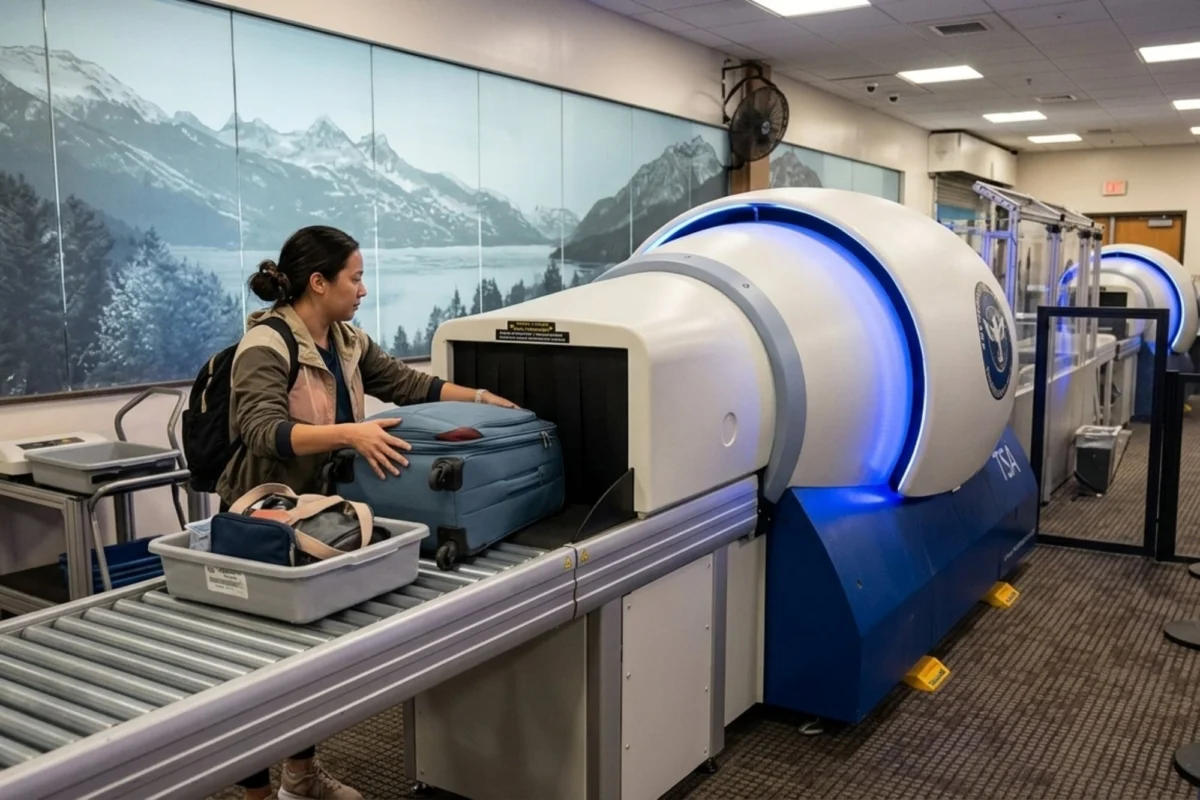
The implementation of CT scanners, which provide a more detailed, three-dimensional view of baggage contents, has introduced a new variable for passengers. According to a TSA release detailing the installation of this technology at Juneau International Airport in Alaska, the agency acknowledged a key characteristic of the new machines: a narrower entry tunnel compared to their predecessors. This design feature means that not all carry-on bags, especially larger ones, will fit through the scanner’s opening.
The TSA’s directive is clear: all carry-on items, including wheeled luggage, must be placed on the conveyor belt for screening by the new scanners. However, for those bags that prove too large to pass through the aperture, the recommended course of action for travelers is to check their luggage. This policy aims to streamline the security checkpoint process by ensuring that all items intended for carry-on can be effectively scanned and cleared. The shift underscores the importance of passengers being aware of their luggage dimensions and considering the implications for their travel plans, particularly for those accustomed to maximizing carry-on space.
Beyond size constraints, photographers and individuals carrying undeveloped film have also been alerted to a specific consideration with the new CT scanners. As reported by The Hill, these advanced scanning systems emit higher levels of radiation compared to traditional X-ray machines. This increased exposure poses a potential risk to unexposed photographic film, which could be damaged or fogged. Travelers in possession of such sensitive materials are advised to proactively request a manual inspection of their baggage. This accommodation ensures that valuable film is not compromised during the security screening process, demonstrating the TSA’s commitment to addressing the specific needs of diverse passenger groups.
The Engineering Rationale Behind the Aperture Size
The TSA has provided a rationale for the narrower opening in the new CT scanners. A spokesperson for the agency explained to The Hill that the reduced aperture is a necessary component for housing the more powerful X-ray equipment required for the CT scanning technology. This was not an incidental design choice but a deliberate engineering decision to optimize the performance of the advanced imaging system. The internal components of the CT scanner necessitate a more compact enclosure for the X-ray source and detectors to achieve the high-resolution 3D imaging that is the hallmark of this technology.
According to the TSA representative, the smaller openings are integral to ensuring the effective operation of the advanced imaging technology. The system relies on precise positioning of the X-ray source and detectors relative to the inspected item to generate the detailed volumetric data. While this design element may present a challenge for larger bags, the agency emphasizes that TSA officers are readily available to assist travelers with bulky items or those with special requirements. This support mechanism aims to mitigate any potential disruption and ensure a manageable experience for all passengers. The focus remains on leveraging the enhanced security benefits of CT scanning while providing avenues for accommodating diverse passenger needs.
Understanding the Functionality of TSA’s 3D Scanners
The TSA asserts that the latest generation of computed tomography (CT) X-ray machines offers a significant enhancement in the inspection of carry-on baggage. The sophisticated algorithms employed by these machines generate highly detailed 3D images, which enable the automatic detection of explosives and other dangerous items. This technological leap is designed to improve the accuracy and speed of threat identification.
The system operates by capturing hundreds of individual X-ray images as the camera rotates around the contents of the bag. This comprehensive data acquisition provides security agents with a complete, multi-angle view of everything inside, allowing for more thorough scrutiny. Consequently, the volume of carry-on luggage that requires manual inspection by officers is significantly reduced. This reduction in manual screening contributes to faster throughput at security checkpoints, a key objective for the TSA.
Furthermore, the TSA highlights another significant advantage of these CT scanners: the elimination of the need for passengers to remove certain items from their carry-on luggage. Unlike previous generations of X-ray machines, passengers no longer need to take out laptops, other electronic devices, liquids, keys, or loose change. The enhanced imaging capabilities of the CT scanners allow officers to clearly identify these items within the bag, thereby expediting the screening process. The agency encourages travelers to keep these items packed in their carry-on bags to further streamline their experience at the security checkpoint. This simplification aims to reduce friction points and improve the overall passenger journey.
The Rollout of New TSA Scanners Across U.S. Airports
The deployment of CT scanners is an ongoing process across the United States. As of early July, the TSA reported the installation of 1,162 computed tomography scanners in 296 airports nationwide. While this indicates a substantial rollout, it is important to note that these advanced scanners are not yet universally available at every security checkpoint within these airports. The phased implementation is a strategic approach to integrating new technology across a vast and complex transportation network.
This initiative is part of a broader directive from the Department of Homeland Security (DHS). The DHS has announced a plan to progressively replace the entire existing fleet of X-ray equipment with computed tomography units. The timeline for this complete transition is contingent upon available funding, underscoring the significant investment required for such a large-scale technological upgrade. The ultimate goal is to standardize security screening technology across the nation, ensuring a consistent and enhanced level of security for all air travelers.
Broader Implications and Future Outlook
The integration of CT technology represents a substantial leap forward in aviation security. The enhanced threat detection capabilities are paramount in an era of evolving security challenges. The ability to automatically identify a wider range of prohibited items, including explosives, reduces the reliance on human interpretation and minimizes the potential for missed threats. This technological advancement directly contributes to the TSA’s core mission of safeguarding the nation’s transportation systems.
However, the challenges associated with carry-on size limitations and the need for manual inspections for specific items, such as undeveloped film, highlight the ongoing need for clear communication and passenger education. As the TSA continues to expand the deployment of CT scanners, ongoing public awareness campaigns will be crucial to ensure travelers are well-informed about the new procedures and any potential adjustments they may need to make to their packing habits.
The long-term implications of this modernization extend beyond immediate security enhancements. By reducing the need for manual bag checks, the TSA aims to improve passenger flow and reduce wait times at security checkpoints. This, in turn, can contribute to a more positive travel experience, a key factor in the overall efficiency and attractiveness of air travel. The continued investment in advanced screening technologies signals a commitment to staying ahead of potential threats and adapting to the dynamic nature of modern aviation security. The transition to CT scanning is not merely an equipment upgrade but a strategic evolution designed to create a more secure, efficient, and passenger-friendly airport environment. The ongoing rollout and subsequent analysis of its impact will undoubtedly shape the future of air travel security protocols.

Related Posts

The Electric Vehicle Battery Health Debate Emerges as Argentina’s EV Market Accelerates

President Donald Trump Confirms Secret Departure from Turkey Amidst Assassination Threat