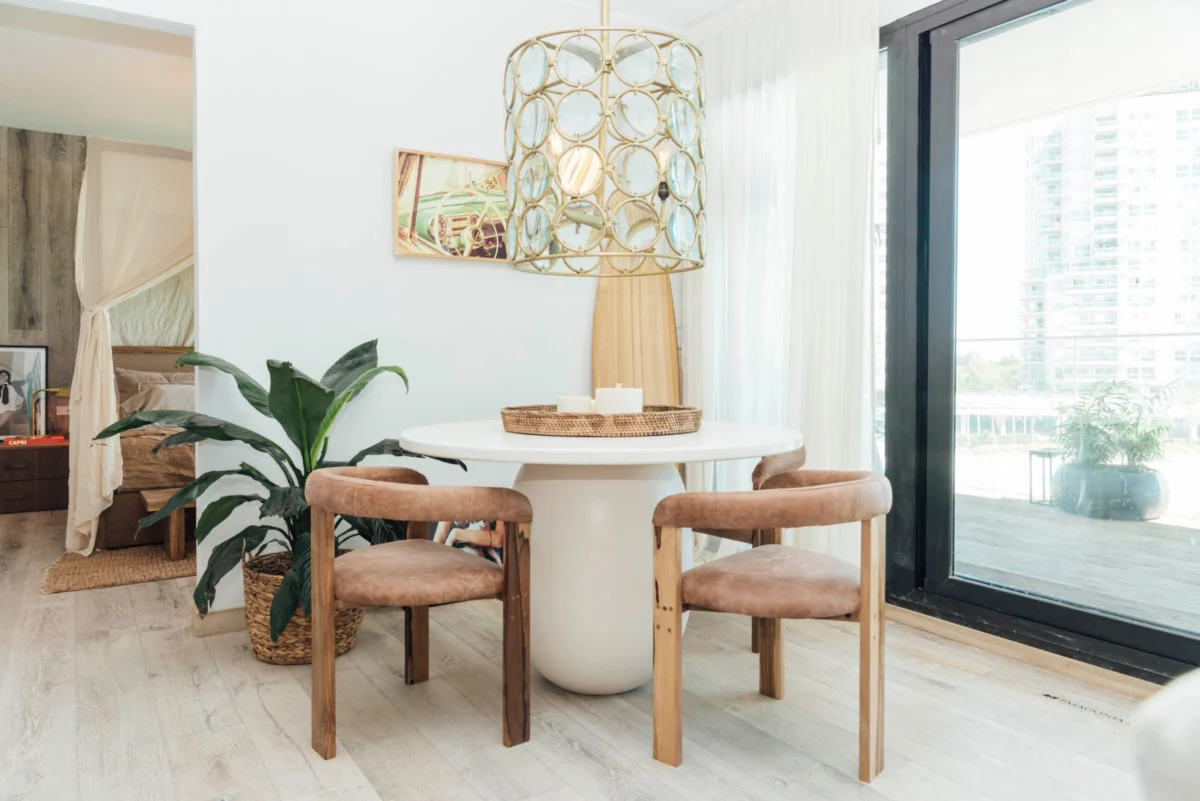
The Kitchen Table Evolves: Corner Benches Usher in an Era of Optimized Living Spaces for 2026
For decades, the kitchen table stood as a static, almost immutable fixture in the home. Its traditional chairs, seemingly untouchable pieces of everyday life, represented a predictable comfort. However, the design trends anticipated for 2026 are poised to dismantle this established paradigm. The prevailing ethos of the upcoming year is the total optimization of surface area through a fusion of style and innovation, signaling a significant shift in how domestic spaces are conceived and utilized. This evolution is not merely aesthetic; it is a direct response to the changing dynamics of modern living, characterized by shrinking domestic footprints and a pragmatic reevaluation of home functionality.
The Dawn of a New Dining Era: Beyond Traditional Seating
The contemporary lifestyle, marked by increased urbanization and a growing preference for compact living, has fundamentally reshaped the concept of the dining area. Architects and interior designers are increasingly advocating for furniture solutions that prioritize both visual order and enhanced comfort. This pragmatic approach is leading to a resurgence of a seating arrangement that, while perhaps recalling earlier eras, is being reimagined for the demands of the 21st century: the corner bench, also known as the "banco corrido" or banquette seating. This versatile piece of furniture is rapidly gaining traction in home renovations, supplanting the conventional, standalone chair.
The traditional kitchen table, often surrounded by a disparate collection of chairs, can contribute to a sense of visual clutter, especially in smaller or open-plan kitchens. The corner bench, by contrast, offers a streamlined solution. Typically designed to rest against walls, it seamlessly integrates with fixed tables, creating a cohesive and unified dining zone. Its continuous structure allows multiple individuals to sit together without the visual disruption and spatial inefficiencies often associated with individual chair backs. This inherent ability to foster a sense of communal seating while maintaining an uncluttered appearance is a key driver of its renewed popularity.
Functional Efficiency and Spatial Maximization: The Core Appeal
The ascendancy of the corner bench is intrinsically linked to the growing imperative for more functional and adaptable living environments. Specialists in interior design and home staging consistently highlight this as a primary driver. The most significant benefit of this seating choice becomes acutely apparent in smaller kitchens or those integrated into broader living areas. By eliminating the need for multiple chair legs and the associated negative space they occupy, the area appears significantly more spacious, cleaner, and free from visual obstacles. This sense of openness is a critical consideration for homeowners seeking to maximize the utility and perceived size of their living quarters.
Data from recent housing market analyses in urban centers, such as those compiled by the National Association of Realtors, consistently points to a trend of decreasing average home sizes. This statistical reality underscores the importance of intelligent design choices that can make smaller spaces feel larger and more functional. The corner bench directly addresses this need, offering a tangible solution for space optimization. For instance, a typical dining set for four might require a circular area of approximately 8-10 feet in diameter to accommodate chairs that can be pulled out comfortably. A banquette seating arrangement for the same number of people, integrated into a corner, can reduce the required footprint by as much as 30-40%, freeing up valuable floor space for other activities or simply enhancing the feeling of spaciousness.
Enhanced Seating Capacity and Practical Storage Solutions
Beyond its aesthetic and spatial advantages, the corner bench offers a practical advantage in terms of seating capacity. A well-designed banquette can comfortably accommodate more diners within a smaller footprint compared to individual chairs. This is particularly advantageous for families, those who frequently entertain guests, or individuals who simply enjoy communal dining experiences. The contiguous nature of the bench encourages closer proximity, fostering a more intimate and convivial atmosphere during meals and gatherings.
Furthermore, the design of modern corner benches often incorporates intelligent storage solutions. Many models feature integrated storage compartments beneath the seating. These hidden nooks are ideal for stowing away items that might otherwise contribute to clutter, such as table linens, placemats, serving dishes, or even seasonal decorations. This dual functionality—providing ample seating while simultaneously offering discreet storage—further enhances the appeal of the banquette as a highly practical addition to the modern kitchen or dining area. Some innovative designs even allow for the bench to be completely concealed beneath the table when not in use, offering an ultimate level of space-saving efficiency and a remarkably minimalist aesthetic.
The Evolving Role of the Kitchen: A Multifunctional Hub
The kitchen has long since transcended its traditional role as a mere culinary workspace. In contemporary homes, it has evolved into a dynamic, multifunctional hub. It serves as a de facto home office for remote workers, a study area for students, and a central gathering point for family and friends to engage in extended conversations. The comfort and ambiance of this space are therefore paramount.
The corner bench, with its inherent design promoting comfort and relaxation, is ideally suited to these evolving demands. The ability to lean back comfortably against a padded backrest for extended periods makes it a more inviting option than upright dining chairs for prolonged activities such as working on a laptop, reading, or engaging in leisurely chats. This enhanced comfort contributes to a more relaxed and welcoming atmosphere, reinforcing the kitchen’s role as the heart of the home.
The design iterations expected for 2026 are pushing the boundaries of this functionality. Future models are anticipated to include even more sophisticated integrated storage solutions, such as built-in drawers or pull-out compartments, designed to hold everyday essentials like charging cables, stationery, or even small appliances. This forward-thinking approach to furniture design ensures that the kitchen remains a highly organized and adaptable space, capable of seamlessly transitioning between its various roles throughout the day.
Material Innovation and Durability: A Key Consideration
The longevity and aesthetic appeal of any furniture piece are heavily reliant on the quality of its materials and construction. For corner benches, the choice of upholstery and frame materials plays a crucial role in their durability and ease of maintenance, particularly in a high-traffic area like the kitchen.
Upholstery Options:
- Performance Fabrics: These are engineered to resist stains, spills, and wear, making them ideal for kitchens. Materials like Crypton, Sunbrella, and certain types of treated polyesters are highly recommended. Their ability to withstand frequent cleaning without fading or degrading ensures the bench retains its pristine appearance. According to industry reports on textile innovation, the market for performance fabrics in home furnishings has seen a steady growth of approximately 5-7% annually, driven by consumer demand for durable and low-maintenance solutions.
- Leather and Faux Leather: These materials offer a sophisticated look and are relatively easy to wipe clean. High-quality faux leather can be a more budget-friendly and equally practical alternative to genuine leather, offering similar resilience against spills.
- Natural Fibers with Treatments: While less common for primary kitchen seating due to potential staining, natural fibers like cotton or linen can be used if they are treated with stain-resistant finishes.
Frame and Construction:
- Solid Wood: Hardwoods such as oak, maple, or walnut provide robust support and durability. They are often preferred for their natural beauty and strength.
- Engineered Wood Products: High-density fiberboard (HDF) or plywood can be used in conjunction with solid wood to create sturdy frames, offering a balance of strength and cost-effectiveness.
- Metal: Powder-coated steel or aluminum frames can offer a modern aesthetic and exceptional durability, particularly for contemporary or industrial-inspired designs.
The lifespan of a well-constructed and appropriately maintained corner bench can extend for 10 to 15 years, significantly outperforming less robust seating options in terms of return on investment and sustained aesthetic appeal. This long-term value proposition is a compelling factor for homeowners undertaking renovations or seeking to furnish their homes with enduring pieces.
A Shift in Design Philosophy: Embracing the Future of Home Living
The move towards corner benches is more than just a fleeting design trend; it represents a fundamental shift in how we perceive and utilize our domestic spaces. As urban density increases and the desire for functional, aesthetically pleasing, and adaptable homes grows, furniture solutions that maximize every square inch become increasingly valuable. The corner bench, with its inherent ability to blend style, comfort, and unparalleled spatial efficiency, is perfectly positioned to lead this transformation.
The trend toward optimization, innovation, and a more practical approach to home design is not confined to the kitchen table. It is a broader movement that reflects a desire for homes that are not only beautiful but also highly livable and adaptable to the diverse needs of modern life. As we look towards 2026 and beyond, expect to see even more creative and intelligent furniture solutions emerge, all aimed at helping us make the most of the spaces we inhabit. The corner bench is merely the vanguard of this exciting new era in home design, where every element of the home is optimized for purpose, comfort, and enduring style.

Related Posts

The Electric Vehicle Battery Health Debate Emerges as Argentina’s EV Market Accelerates

President Donald Trump Confirms Secret Departure from Turkey Amidst Assassination Threat