The 2026 Copa Libertadores Group Stage Draw Unveiled: A Deep Dive into the Paths of Argentinian Contenders
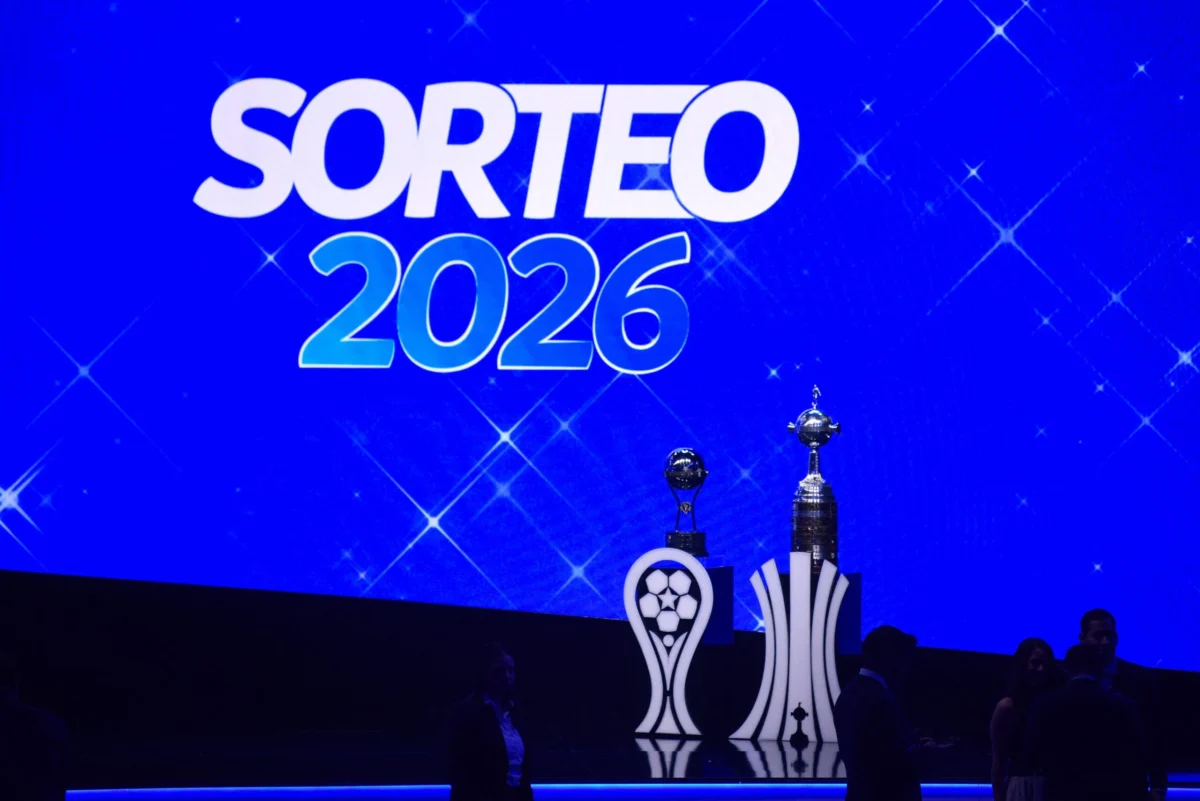
The highly anticipated draw for the 2026 Copa Libertadores group stage has concluded, setting the stage for a thrilling continental competition. Esteemed Argentinian clubs, including Boca Juniors, Lanús, Estudiantes de La Plata, Rosario Central, Platense, and Independiente Rivadavia, have learned their initial opponents, navigating the intricate pathways that will define their pursuit of South America’s most prestigious club title. The ceremony, held in Luque, Paraguay, not only revealed the matchups but also offered a glimpse into the rich history and future aspirations of the tournament.
The Road to Glory Begins: Unpacking the Group Stage Draw
The 2026 Copa Libertadores group stage will feature 32 teams, meticulously divided into eight groups of four. Each team will embark on a journey of home and away fixtures, vying for the top two positions in their respective groups to advance to the knockout rounds. The draw, conducted by CONMEBOL officials and former football stars, followed a structured format, with teams allocated into pots based on their historical performance and rankings.
The draw commenced with an opening ceremony, acknowledging the significance of the event and the passion it ignites across the continent. Oscar Ruggeri and Felipe Melo, prominent figures in South American football, were tasked with the crucial responsibility of drawing the balls, adding a touch of star power to the proceedings. CONMEBOL President Alejandro Domínguez addressed the audience, emphasizing the tournament’s enduring legacy and its role in fostering unity and competition among South American nations. The presentation of the official ball for the 2026 Libertadores and Sudamericana, named "CUMBRE," also marked a moment of visual anticipation for the upcoming season.
Argentinian Representatives: A Mixed Bag of Fortunes
Boca Juniors, a club with a storied past in the Copa Libertadores, returns to the group stage after a three-year hiatus. Their last appearance in the final was in 2023, a hard-fought loss against Fluminense. The subsequent years saw them miss out on qualification for the Libertadores, competing instead in the Copa Sudamericana, where they were eliminated in the round of 16 in 2024 and the second qualifying round in 2025. Placed in Pot 1 as a seeded team, Boca Juniors was drawn into Group D, where they will face the formidable Cruzeiro of Brazil, Universidad Católica of Ecuador, and Barcelona de Ecuador. This group presents a stern test, demanding immediate peak performance from the Xeneizes as they aim to reassert their continental dominance.
Lanús, the reigning Copa Sudamericana champions and recent Recopa Sudamericana winners against Flamengo at the Maracanã, enters the Libertadores with considerable momentum. Their journey in Group G will see them pitted against Liga de Quito of Ecuador, Always Ready of Bolivia, and Always Ready of Bolivia. This challenging draw pits the Granate against diverse styles of play, from the altitude of La Paz to the tactical discipline of Ecuadorian football. Their recent successes have instilled a sense of confidence, and they will look to leverage this in their quest for continental glory.
Estudiantes de La Plata, a club with a rich Copa Libertadores pedigree boasting four titles, secured their spot in the group stage by winning the Apertura tournament. Positioned in Pot 2, Estudiantes has been drawn into Group A. Their opponents will include the formidable Brazilian giants Flamengo, a rematch of the 2025 quarter-finals, alongside Cusco of Peru, making their debut in the competition, and Independiente Medellín of Colombia. This group offers a blend of established powerhouses and emerging forces, promising intriguing tactical battles.
Rosario Central, who secured their place through an impressive performance in the 2025 season, earning them the most points across all competitions, finds themselves in Group H. They will face Independiente del Valle of Ecuador, Libertad of Paraguay, and Universidad Central of Ecuador. This group is characterized by teams known for their tactical organization and resilience, requiring Central to be at their best to navigate through. Their qualification method, which saw them unexpectedly awarded a trophy, drew criticism, but their on-field performance has earned them their place among South America’s elite.
Platense, making their debut in the Copa Libertadores, has been placed in the highly competitive Group E. Their inaugural campaign will see them take on traditional South American powerhouses Peñarol of Uruguay and Corinthians of Brazil, alongside Santa Fe of Colombia. This baptism by fire for Platense underscores the challenge of competing at this level, and their performance will be closely watched as they aim to make a mark in their first-ever appearance.
Independiente Rivadavia, another Argentinian representative, will also be participating in the group stage, though their specific group was not detailed in the initial provided content. Their inclusion highlights the growing depth of Argentinian football on the continental stage.
The Draw Mechanics and Key Participants
The draw followed specific regulations to ensure fair seeding and balanced groups. Teams were distributed across four pots. Pot 1 consisted of the seeded teams, including continental heavyweights like Flamengo, Palmeiras, Boca Juniors, Peñarol, Nacional, Liga de Quito, Fluminense, and Independiente del Valle. Pot 2 featured strong contenders like Estudiantes de La Plata, while subsequent pots comprised teams based on their performance metrics.
The process involved drawing one team from each pot to form a group of four. Certain restrictions were in place to prevent more than two teams from the same country from being drawn into the same group, with exceptions for countries with four or more representatives. This ensures a diverse competitive landscape within each group.
Historical Context and the Significance of the Libertadores
The Copa Libertadores, established in 1960, is the premier club football competition in South America, organized by CONMEBOL. Its history is rich with legendary teams and iconic moments, serving as a crucial platform for clubs to showcase their talent and vie for continental supremacy. Winning the Libertadores not only brings immense prestige but also secures a coveted spot in the FIFA Club World Cup.
For Argentinian clubs, the Libertadores holds a special place in their identity. Teams like Boca Juniors, Independiente, River Plate, and Estudiantes de La Plata have etched their names in the annals of the competition with multiple titles. The current crop of Argentinian representatives, each with their unique narratives and aspirations, are poised to add their chapters to this storied history.
Analysis of Group Dynamics and Potential Upsets
Group A, featuring Estudiantes, Flamengo, Cusco, and Independiente Medellín, is a fascinating mix. The clash between Estudiantes and Flamengo immediately stands out as a rematch of a significant past encounter, promising high stakes and intense rivalry. Cusco’s debut adds an element of the unknown, while Independiente Medellín brings Colombian flair to the mix.
Group D, with Boca Juniors, Cruzeiro, Universidad Católica, and Barcelona de Ecuador, is arguably one of the most balanced and competitive groups. Boca’s return will be a major storyline, and their clashes with Cruzeiro, a team with a strong continental history, will be closely watched. The Ecuadorian representatives, Universidad Católica and Barcelona, are known for their home-field advantages, particularly at altitude, which could prove crucial.
Group G, where Lanús will compete against Liga de Quito, Always Ready, and Mirassol, presents a diverse set of challenges. Liga de Quito is a seasoned campaigner, while Always Ready’s performance at altitude in Bolivia is always a factor. Mirassol, a Brazilian side, will bring their own brand of attacking football.
Group H, featuring Rosario Central, Independiente del Valle, Libertad, and Universidad Central, promises tactical battles. Independiente del Valle has established itself as a consistent contender in recent years, known for its organized play and efficient squads. Libertad and Universidad Central will undoubtedly provide tough opposition, making this a difficult group to predict.
Group E, with Platense facing Peñarol, Corinthians, and Santa Fe, is a daunting introduction for the debutants. Peñarol and Corinthians are giants of South American football with passionate fan bases and a winning mentality. Santa Fe also possesses a strong continental pedigree, making Platense’s task of advancing incredibly challenging.
The Road Ahead: Expectations and Implications
The group stage draw sets the initial trajectory for the 2026 Copa Libertadores. For the Argentinian clubs, the challenge is clear: navigate their respective groups, secure qualification for the knockout stages, and ultimately contend for the coveted title. The performances in these initial matches will not only determine their progression in the tournament but also shape their standing in the continental football landscape.
The tournament’s official broadcast partners, including the CONMEBOL Copa Libertadores’ official YouTube channel, will provide live coverage, allowing fans across Argentina and beyond to follow their teams’ journeys. The schedule of matches will be released in due course, providing specific dates and times for each fixture. As the group stage unfolds, the narratives of triumph, resilience, and perhaps unexpected upsets will undoubtedly emerge, further cementing the Copa Libertadores’ status as one of the most compelling club competitions in world football. The quest for continental glory has officially begun, and the eyes of South America will be fixed on the unfolding drama on the pitch.

Related Posts
The Electric Vehicle Battery Health Debate Emerges as Argentina’s EV Market Accelerates

President Donald Trump Confirms Secret Departure from Turkey Amidst Assassination Threat