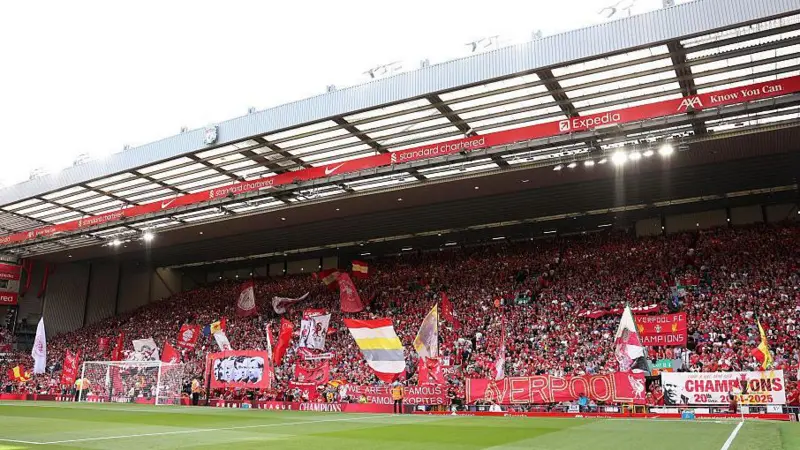
Liverpool ban 400 fans for ticket touting offences
In a landmark crackdown on the illicit secondary ticketing market, Liverpool Football Club has announced the imposition of over 400 lifetime bans following an exhaustive investigation into organized ticket touting. This decisive action, conducted in close coordination with Merseyside Police, underscores a growing trend among Premier League clubs to reclaim the integrity of matchday access and protect loyal supporters from predatory black-market pricing.
The operation, which spanned the 2025-26 season, resulted in the seizure of over £1.2 million in assets connected to criminal syndicates profiting from the unauthorized resale of Anfield match tickets. By targeting the financial infrastructure supporting these illicit operations, the club and local authorities have moved beyond mere account suspensions, aiming instead to dismantle the commercial viability of ticket touting at its source.
The Scope of the Operation
The scale of the intervention is unprecedented in modern English football. According to official disclosures, Liverpool has issued 432 lifetime bans and 115 indefinite suspensions to individuals identified as key participants in ticketing violations. This move serves as the culmination of a rigorous vetting process that scrutinized nearly 700,000 ticket registrations during the most recent campaign.
The investigation uncovered a sophisticated network of automated "bot" accounts and identity-theft operations designed to bypass the club’s official membership purchase systems. In total, the club successfully identified and terminated 67,663 suspected fraudulent accounts, with an additional 121,379 accounts flagged for ongoing investigation. These figures provide a rare glimpse into the sheer volume of illicit activity that major sporting institutions must contend with on a weekly basis.
Chronology of Enforcement
The current enforcement drive is not an isolated event but the result of a multi-year strategic shift in how Liverpool manages its ticketing ecosystem. The following timeline outlines the evolution of the club’s anti-touting measures:
- 2023-2024 Period: The club initiated a comprehensive audit of its digital ticketing infrastructure, leading to the closure of 145,000 suspect accounts over a two-year timeframe.
- Early 2025: Collaboration with Merseyside Police intensified, focusing on identifying the money-laundering operations behind the resale of tickets on unauthorized platforms.
- 2025-26 Season: Liverpool implemented enhanced algorithmic monitoring of ticket registrations, leading to the identification of nearly 70,000 fake accounts.
- Mid-2026: Following the conclusion of the season, the club formalized the 432 lifetime bans and 115 indefinite suspensions, alongside the seizure of £1.2 million in criminal assets.
Strategic Data and Matchday Interventions
Beyond the digital crackdown, the club has transformed its physical security operations to prevent the use of fraudulent tickets. Matchday enforcement has become a hallmark of the Anfield experience, with stewards and specialized staff performing targeted checks at both home and away turnstiles.
Data released by the club indicates that an average of 300 individual interventions occur during every home match. These interventions often involve the verification of digital credentials and the cross-referencing of membership IDs against known offenders. When suspicious activity is detected, the tickets are voided—3,847 tickets were cancelled during the last season alone—and subsequently returned to the general admission pool, ensuring that genuine supporters have a fair opportunity to purchase seats at face value.
Official Responses and Legal Context
The partnership between Liverpool Football Club and Merseyside Police has been lauded as a template for other major clubs grappling with similar issues. Detective Chief Inspector Nick Suffield of the Merseyside Police emphasized the necessity of the collaboration, noting that the seizure of assets serves as a deterrent to those who might view ticket touting as a low-risk, high-reward criminal enterprise.

"This is a fantastic example of partnership working between ourselves and Liverpool Football Club for the good of the fans and the general public," Suffield stated. He further clarified that the assets recovered during the investigation have been divided between the police and the Home Office, effectively reinvesting funds generated by criminal activity into public safety and law enforcement initiatives.
From the club’s perspective, the primary goal remains the democratization of access. By eliminating touts who artificially inflate prices—often by hundreds of percent—Liverpool aims to ensure that Anfield remains accessible to a diverse range of supporters, including those who may be priced out by secondary market speculators.
Broader Implications for the Premier League
The actions taken by Liverpool reflect a broader, systemic issue within the Premier League. As the global demand for live football continues to outpace stadium capacity, the secondary ticketing market has become increasingly professionalized and, in many cases, criminalized.
Analysts suggest that Liverpool’s aggressive stance could trigger a ripple effect across the league. Clubs are under increasing pressure from supporters’ trusts and regulatory bodies to guarantee that tickets are not diverted into the hands of organized gangs. While the Premier League has long had policies against unauthorized resale, the technological capability required to combat modern touting—such as AI-driven pattern recognition and big data analysis—is now becoming a mandatory investment for top-tier clubs.
However, the challenge remains significant. As clubs close one loophole, touts frequently move to more obscure platforms or employ more sophisticated technology. The 121,379 accounts still under investigation suggest that while the club has achieved a significant victory, the battle against ticket fraud is far from over.
Economic and Ethical Analysis
The ethical argument against ticket touting is rooted in the preservation of community. When a seat at a match is sold for a profit by a third party, the club loses control over its own pricing model, and the bond between the team and its local fanbase is weakened. Furthermore, the prevalence of fake tickets sold through unofficial channels poses a significant risk to the consumer, who may arrive at the stadium only to be denied entry.
Economically, the seizure of £1.2 million demonstrates that the "black market" for football tickets is a multi-million-pound industry. By effectively removing this capital from the hands of organized criminals, Liverpool is not only protecting its brand but also contributing to the disruption of wider financial crime networks that often utilize ticketing fraud as a front for money laundering.
Conclusion and Future Outlook
Liverpool’s decision to issue over 400 lifetime bans is a clear signal that the era of tolerance for ticket touting is coming to an end. By combining aggressive digital monitoring, proactive matchday enforcement, and close cooperation with law enforcement, the club has established a high bar for accountability.
As the 2026-27 season approaches, the club has signaled its intent to continue these rigorous standards. For the genuine supporter, these measures are a welcome development, representing a commitment to fairness and the preservation of the traditional matchday experience. For the touts, however, the message is unequivocal: the risks of operating within the ecosystem of Liverpool Football Club now far outweigh any potential financial gain. The success of this operation will likely serve as a blueprint for the rest of the Premier League, setting a precedent that the sanctity of the stadium must be protected at all costs.