Kyiv reels after Zelenskyy ousts popular defense minister over clash with top general
The Ukrainian political landscape is undergoing a period of acute instability following President Volodymyr Zelenskyy’s decision to dismiss his defense minister, a move that has triggered public unrest and signaled a widening fissure between the country’s civilian leadership and its military command. The firing, which comes in the wake of an escalating and increasingly public dispute between the Ministry of Defense and the nation’s top army general, has left observers in Kyiv questioning the cohesion of the government as it navigates the ongoing conflict.
For months, tensions had simmered behind closed doors, with reports of fundamental disagreements regarding resource allocation, tactical autonomy, and the strategic direction of the war effort. The standoff ultimately reached an untenable point, forcing the President’s hand and resulting in the immediate departure of one of the most high-profile figures in his administration.
A Chronology of Escalation
The friction between the Ministry of Defense and the military high command did not emerge in a vacuum. Industry analysts and political observers point to a series of incremental disagreements that began late last year.
In early 2026, the first public hints of discord surfaced when military leadership began voicing frustrations over the speed of procurement processes. While the Ministry of Defense maintained that it was navigating complex international supply chains and bureaucratic hurdles, the army’s top brass reportedly felt that the lack of critical equipment was directly impeding their tactical effectiveness on the front lines.

By the spring of 2026, the professional relationship between the defense minister and the chief of staff had deteriorated into a zero-sum game. Sources within the presidential administration suggest that meetings involving both parties were marked by shouting matches and a total collapse of communication. Matters came to a head in July 2026, when an unsanctioned report detailing logistics failures was leaked to the press, a move widely perceived as a direct attack on the Ministry’s administrative competency. Within 48 hours of that leak, President Zelenskyy announced the dismissal.
Public Reaction and Civil Unrest
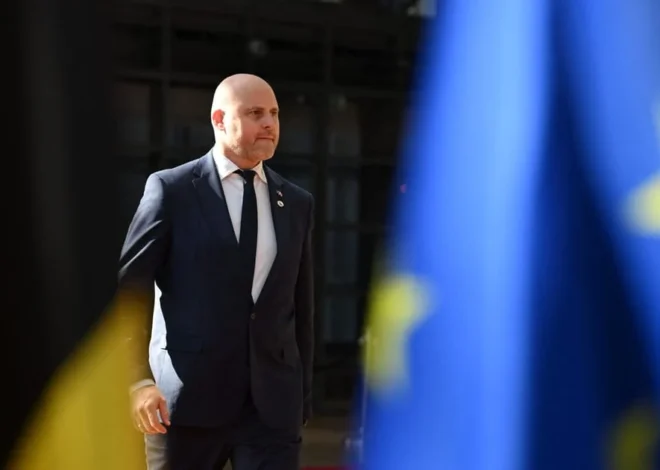
The removal of the defense minister has been met with a wave of street-level protests in Kyiv and other major cities. The official, who had built a reputation as a transparent and effective communicator, commanded significant respect among the civilian population and the rank-and-file soldiers.
Protesters gathered outside the Presidential Office, carrying banners that criticized the decision as a “betrayal of institutional stability” and a “political distraction.” The unrest highlights a growing disconnect between the executive branch’s desire for tighter control and the public’s desire for continuity in the security apparatus. Security forces have remained largely restrained, but the optics of the situation present a significant challenge for the Zelenskyy administration, which has long prided itself on maintaining a unified front against external threats.
Strategic Implications and Military Readiness
The immediate concern for Western observers and NATO partners is the impact of this turnover on the frontline. Continuity in defense leadership is vital for maintaining the complex logistical pipelines that supply Ukraine with Western-made weaponry. Any disruption in administrative leadership, even for a short period, risks delaying the disbursement of funds and the procurement of ammunition.
Data from the first half of 2026 indicates that while international aid flows have remained steady, the absorption capacity of the Ukrainian military has been tested by changing battlefield requirements. An audit conducted in June suggested that the military’s internal logistics were stretched to their limits, with a 15% increase in administrative overhead for every unit of artillery delivered. The dismissed minister had been at the forefront of efforts to digitize these supply chains; his removal has now cast uncertainty over these critical modernization initiatives.

Broader Context: The European Security Architecture
This internal upheaval occurs at a moment of significant realignment for European security. As Ukraine grapples with its own leadership crisis, its Western neighbors are increasingly looking toward autonomous defense strategies.
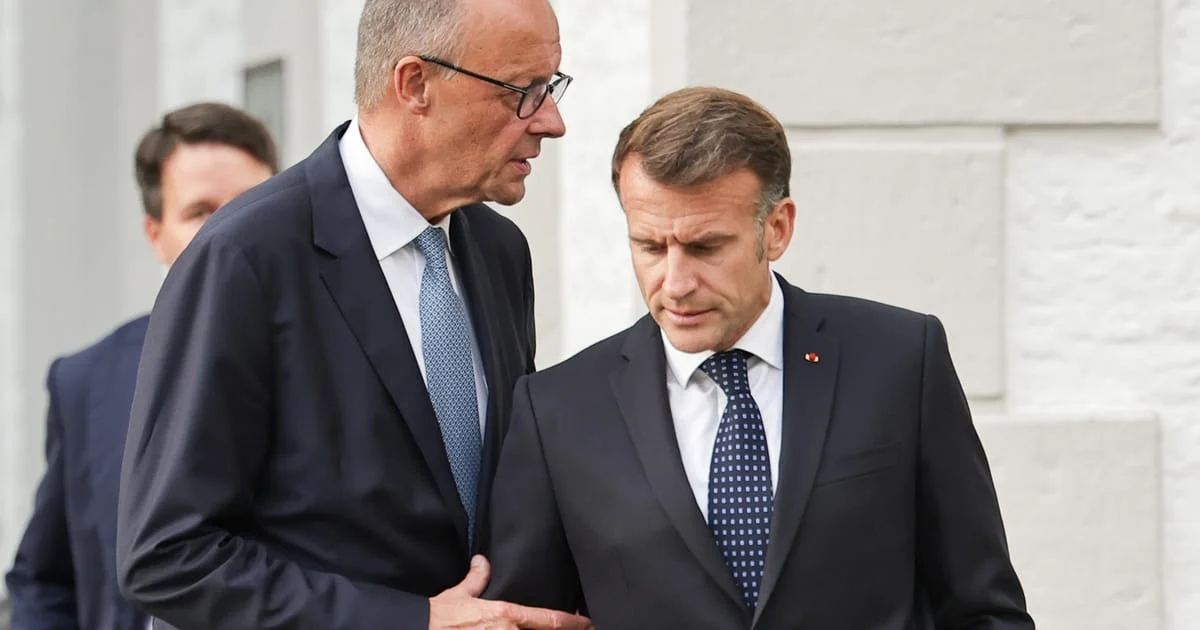
The decision by Germany to participate in a French-led nuclear exercise marks a historic shift in European military integration. For decades, the German military had maintained a strictly conventional role, avoiding participation in nuclear-signaling drills. However, the move signals a growing anxiety across the European continent regarding the long-term reliability of the U.S. security umbrella.
These developments are occurring in tandem with ongoing tensions at the NATO level. During recent summits, the persistent, unpredictable rhetoric from Washington has left many European capitals questioning the durability of the transatlantic alliance. While the U.S. remains the primary provider of military support for Ukraine, the increasing “Trumpian” bluster—frequently likened to the “boy who cried wolf” scenario—has prompted leaders in Berlin, Paris, and Warsaw to accelerate their own regional defense cooperation.
Official Responses and the Path Forward
The Presidential Office has issued a brief statement characterizing the dismissal as a “necessary step to ensure total unity in the defense sector.” Officials have signaled that a successor will be named shortly, emphasizing that the candidate will be a technocrat tasked with bridging the gap between civilian oversight and military requirements.
“The President is committed to ensuring that our defense architecture remains robust,” a spokesperson stated. “The change is intended to streamline decision-making and ensure that the needs of the frontline are met with greater efficiency.”

However, critics in the Ukrainian parliament have demanded a full explanation of the events leading up to the dismissal, citing concerns that the move could alienate key international donors. “We cannot afford political theater while the country is under existential threat,” one opposition lawmaker remarked. “The government must prove that this was a strategic move, not an act of political consolidation.”
Analytical Perspective: The Challenge of Civilian Control
The current crisis underscores the perennial challenge of civilian control over the military in a nation at war. In a democratic state, the military must remain subordinate to the civilian government, yet in a conflict of this intensity, the military’s operational requirements often clash with the government’s political and diplomatic strategies.
If President Zelenskyy’s move is viewed as an attempt to consolidate power, it may succeed in the short term but could potentially damage the morale of the armed forces. If, conversely, it is viewed as an attempt to remove a bottleneck in the procurement system, it may prove to be a necessary, albeit painful, adjustment.
The coming weeks will be critical. The appointment of a new minister will be scrutinized by both the Ukrainian public and international partners. The key metric of success will be whether the new leadership can restore the relationship with the military high command without triggering further instability or public backlash.
As Europe watches on, the situation in Kyiv serves as a stark reminder that the strength of a nation’s defense is predicated as much on the cohesion of its internal politics as it is on the quality of its weaponry. The “reeling” of the capital is a symptom of a larger, systemic pressure that continues to test the limits of Ukraine’s institutional resilience. Whether the government can move past this episode to re-establish a clear, singular focus on the defense of the country remains the central question facing the Zelenskyy administration as it enters the next phase of the conflict.