International Criminal Court Assembly of States Parties Removes Prosecutor Karim Khan Following Findings of Serious Misconduct
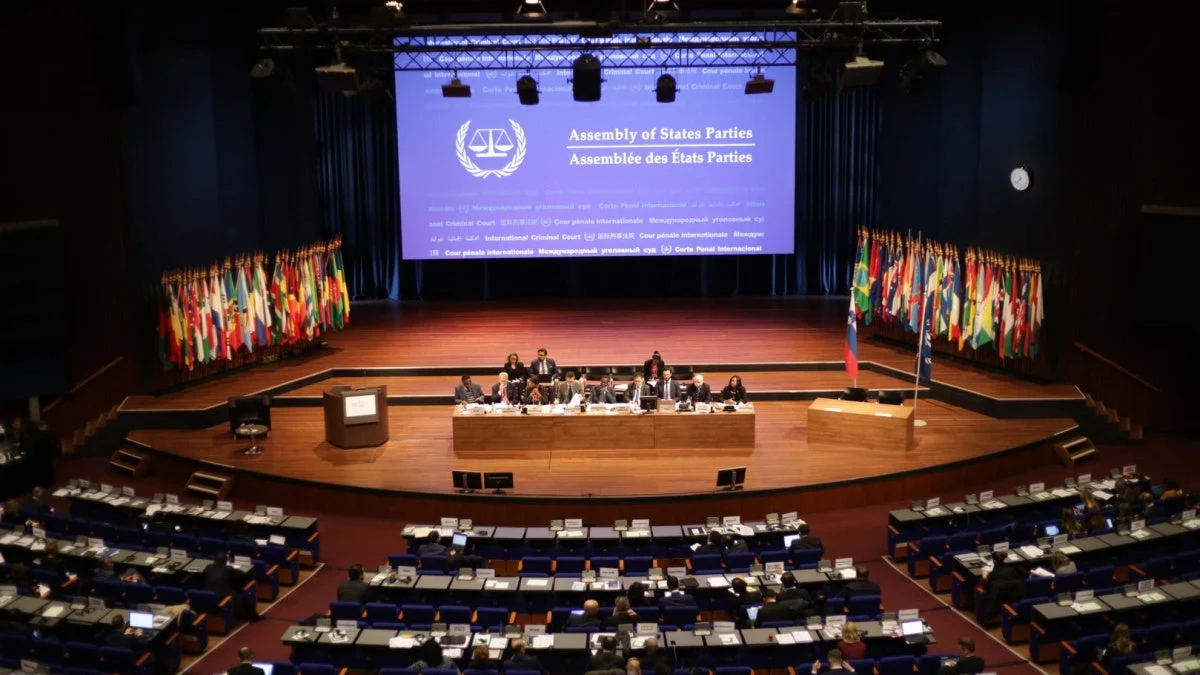
In a landmark decision that has sent shockwaves through the international legal community, the Assembly of States Parties (ASP) of the International Criminal Court (ICC) voted during a special session on July 24, 2026, to remove the court’s Chief Prosecutor, Karim Khan, from office. The decision follows a protracted investigation into allegations of serious misconduct and a serious breach of duty, marking the first time in the history of the Rome Statute that a prosecutor has been dismissed before the conclusion of their nine-year mandate. The removal comes at a precarious time for the ICC, as the court manages a high-profile docket involving some of the world’s most powerful political figures and complex geopolitical conflicts.
The Assembly of States Parties, the management oversight and legislative body of the ICC, convened the special session in The Hague to deliberate on the findings of an independent inquiry. While the specific details of the misconduct have been handled with a degree of confidentiality to protect the privacy of involved parties, the ASP’s final resolution cited a "persistent failure to adhere to the high moral character and professional standards required by the Rome Statute." The decision was reached through a secret ballot, requiring a two-thirds majority of the member states, a threshold that was met following hours of closed-door testimony and debate.
The Investigative Process and Findings
The trajectory toward Khan’s removal began in late 2024, when internal reports regarding workplace conduct and administrative irregularities first surfaced. These allegations eventually prompted the Independent Oversight Mechanism (IOM) to conduct a preliminary review. By 2025, the scope of the inquiry expanded, leading the ASP to commission an external, independent panel of experts to ensure the impartiality of the proceedings.
The final report presented to the Assembly detailed instances of what was described as "serious misconduct." Sources close to the proceedings indicate that the findings centered on two primary areas: allegations of professional harassment within the Office of the Prosecutor (OTP) and a failure to maintain the necessary distance from external political influences that could compromise the perceived independence of the court. Furthermore, the report highlighted a "serious breach of duty" regarding the management of sensitive evidence and internal protocols.
Under Article 46 of the Rome Statute, a prosecutor can be removed if they are found to have committed "serious misconduct" or a "serious breach of duty," or if they are unable to exercise the functions required of them. The 2026 vote represents the most significant application of this accountability mechanism since the court’s inception in 2002.
A Chronology of Karim Khan’s Tenure and the Path to Removal
To understand the gravity of the July 24 decision, it is necessary to examine the timeline of Karim Khan’s leadership and the events leading to his dismissal:
- June 16, 2021: Karim Khan, a British jurist with extensive experience in international law, is sworn in as the third Chief Prosecutor of the ICC, succeeding Fatou Bensouda.
- March 2023: Khan gains global attention by seeking and obtaining arrest warrants for Russian President Vladimir Putin and Maria Lvova-Belova for alleged war crimes in Ukraine.
- May 2024: Khan announces he is seeking arrest warrants for senior Israeli and Hamas leaders in relation to the conflict in Gaza, a move that triggers intense political pressure from various global powers.
- Late 2024: Initial internal complaints regarding Khan’s management style and alleged personal misconduct are filed through the court’s internal reporting channels.
- February 2025: The ASP Bureau announces the commencement of a formal external investigation to address "complex allegations" that internal mechanisms were deemed insufficient to handle alone.
- January 2026: A confidential draft report is circulated among the ASP leadership, suggesting that the evidence of misconduct is "substantial and corroborated."
- July 24, 2026: The Assembly of States Parties concludes its special session with a definitive vote to remove Khan from office effective immediately.
Institutional Integrity and Workplace Safety
The removal of the prosecutor has sparked a broader conversation about the culture within international organizations. Liz Evenson, international justice director at Human Rights Watch, emphasized that while the court’s mission is paramount, it cannot be separated from the conduct of its leadership.
“In this moment, there are two equally important issues to emphasize,” Evenson stated. “First, the ICC is more than any one person; it’s a critical court of last resort that anchors a global movement for justice. Governments should protect its independence and ensure that its essential work can move forward, across its docket. Second, the ICC should hold itself to the highest standards. This includes ensuring a safe workplace with effective and credible mechanisms available to staff or others who experience abuse, including sexual violence or harassment.”
The emphasis on a "safe workplace" reflects a growing demand for the ICC to reform its internal grievance procedures. Critics and observers have noted that for an institution tasked with prosecuting the world’s most heinous crimes, including gender-based violence, any internal failure to address similar issues is a significant blow to its moral authority.
Data and Statistics: The Scale of the ICC’s Mandate
The ICC currently oversees investigations in 17 situations, ranging from the Democratic Republic of the Congo and Sudan to more recent and politically sensitive cases in Ukraine and Palestine. The removal of a prosecutor affects an institution with:
- 124 Member States: All of whom are signatories to the Rome Statute and contribute to the court’s budget.
- Annual Budget: Approximately €187 million (as of 2024/2025), which covers the Registry, the OTP, and the Chambers.
- Staffing: Over 900 personnel from approximately 100 different nations.
- Caseload: Dozens of active warrants and several ongoing trials that require consistent prosecutorial leadership to maintain momentum.
The vacancy created by Khan’s removal leaves the OTP in a state of transition. According to the court’s regulations, the Deputy Prosecutor—or the most senior available official within the OTP—will take over as Acting Prosecutor until the ASP can organize a new election. This process typically takes several months and involves a rigorous vetting procedure to ensure the next candidate possesses "high moral character."
Global Reactions and Political Implications
The international response to the ASP’s decision has been mixed, reflecting the polarized nature of the court’s recent work.
In London, the Foreign, Commonwealth & Development Office issued a brief statement acknowledging the ASP’s decision: "The United Kingdom respects the independence of the ICC and the procedural decisions made by the Assembly of States Parties. We remain committed to the rule of law and the institutional integrity of the court."
Conversely, some legal analysts worry that the removal could be exploited by states currently under investigation. There are concerns that countries such as Russia or Israel might use the findings of misconduct to delegitimize the warrants and investigations initiated during Khan’s tenure. However, legal experts argue that the evidence gathered by the OTP is independent of the individual prosecutor and should remain valid in the eyes of the court’s judges.
Civil society organizations have largely focused on the need for the ICC to emerge from this crisis stronger. Groups such as Amnesty International and the Coalition for the International Criminal Court (CICC) have called for "total transparency" regarding the steps being taken to ensure the continuity of investigations.
Analysis: The Future of the ICC
The dismissal of Karim Khan presents both a crisis and an opportunity for the International Criminal Court. On one hand, the vacancy at the top of the OTP risks slowing down critical investigations and creates a vacuum that political detractors may seek to fill with rhetoric. On the other hand, the ASP’s willingness to remove a powerful figure demonstrates that the court’s accountability mechanisms are functioning and that no individual is above the law—even the person tasked with enforcing it.
The primary challenge for the acting leadership will be to reassure victims and witnesses that the court’s commitment to justice remains unshaken. In many of the ICC’s situation countries, the court represents the only hope for legal redress. Any perception that the OTP is in disarray could discourage cooperation from those on the ground.
Furthermore, the ASP must now focus on systemic reforms. The "serious misconduct" cited in this case suggests that the court’s internal oversight may need to be permanently bolstered to prevent similar occurrences in the future. This includes clearer guidelines on the "high moral character" requirement and more robust protections for whistleblowers within the Hague-based institution.
As the ICC prepares for a new chapter, the global community will be watching closely. The upcoming election for a new Chief Prosecutor will likely be the most scrutinized in the court’s history, with member states seeking a leader who can not only manage complex legal battles but also restore the internal culture and external reputation of the world’s most important permanent war crimes tribunal.
The decision on July 24, 2026, serves as a stark reminder that the pursuit of international justice requires not only legal expertise but an unwavering commitment to the ethical standards that underpin the very concept of human rights. For the ICC, the path forward involves a delicate balance of maintaining its judicial independence while subjecting its own leadership to the same scrutiny it applies to the rest of the world.

Related Posts

Human Rights Watch Calls for Investigation into Death of Detainee Following Removal from Najaf Hospital by Iraqi Drug Police
Human Rights Watch Urges UN Security Council to Extend Lebanon Peacekeeping Mission Amid Escalating Conflict and Humanitarian Crisis