Global Security Volatility and Supply Chain Constraints Reshape the 2026 Farnborough International Airshow
The 2026 Farnborough International Airshow opens its gates this week against a backdrop of unprecedented geopolitical instability and a complex industrial landscape, marking a significant departure from the commercial-heavy narratives of previous decades. As the aerospace and defense sectors converge in Hampshire, England, the traditional "order war" between civil aviation giants Boeing and Airbus is being overshadowed by a desperate race to modernize military capabilities and resolve deep-seated manufacturing bottlenecks. With the conflict in Ukraine entering its fifth year and a fragile peace in the Gulf dissolving into renewed hostilities, the biennial event has transformed into a high-stakes forum for national security strategy and industrial resilience.
For the first time in the event’s modern history, defense-related entities comprise 50% of the record 1,600 exhibitors, a sharp increase from the historical average of 40%. This shift reflects a global surge in defense spending that analysts describe as the most significant rearmament phase since the Cold War. However, this windfall of capital comes with a set of existential challenges for the industry: the need to pivot from legacy platforms to AI-driven uncrewed systems and the urgent requirement to stabilize a commercial supply chain that remains brittle years after the global pandemic.
A Landscape of Escalating Global Threats
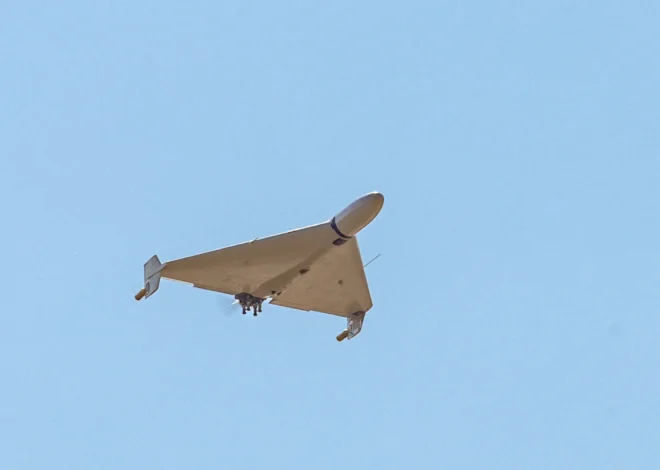
The primary driver of the airshow’s revised focus is the deteriorating global security environment. Air Chief Marshal Harv Smyth, head of the Royal Air Force, underscored the gravity of the situation during the International Air Chiefs Conference preceding the show, noting that security threats are evolving at a "breakneck pace." The stalemate in Eastern Europe and the failure of diplomatic efforts in the Middle East have forced a re-evaluation of Western military readiness, particularly regarding ammunition stockpiles and the mass production of low-cost attritable systems.
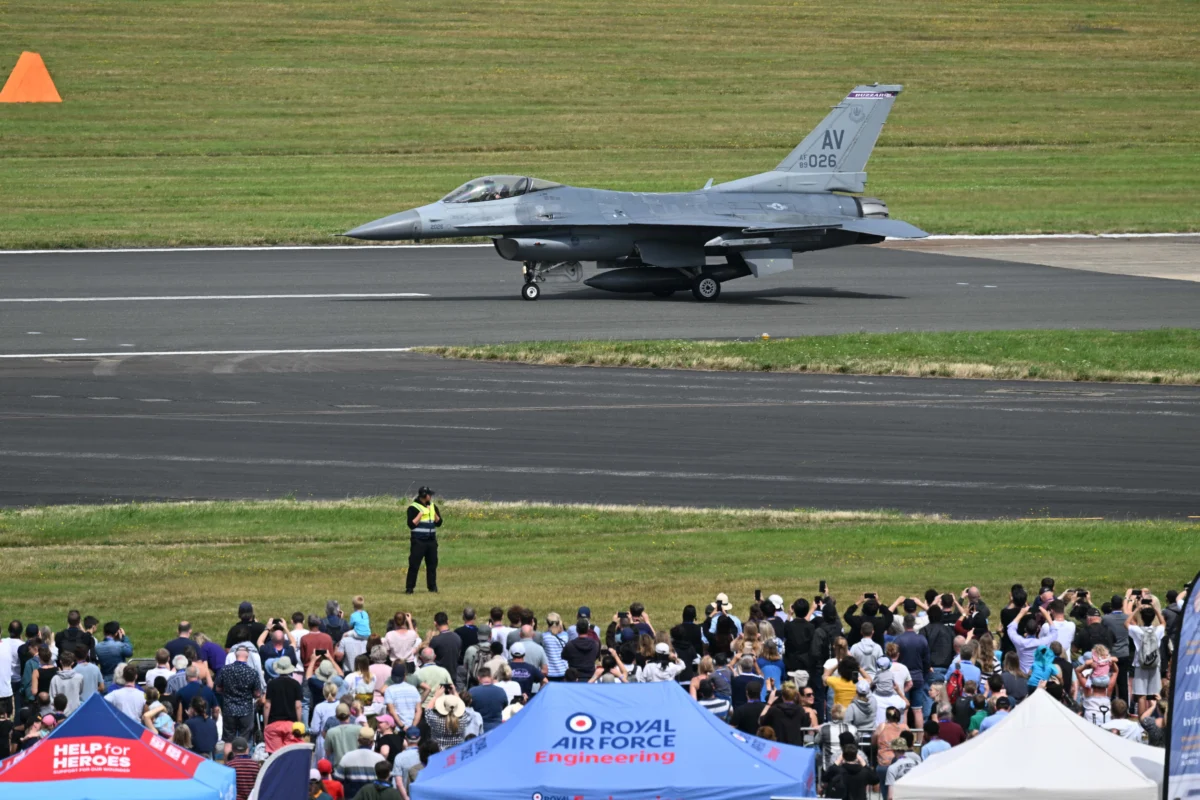
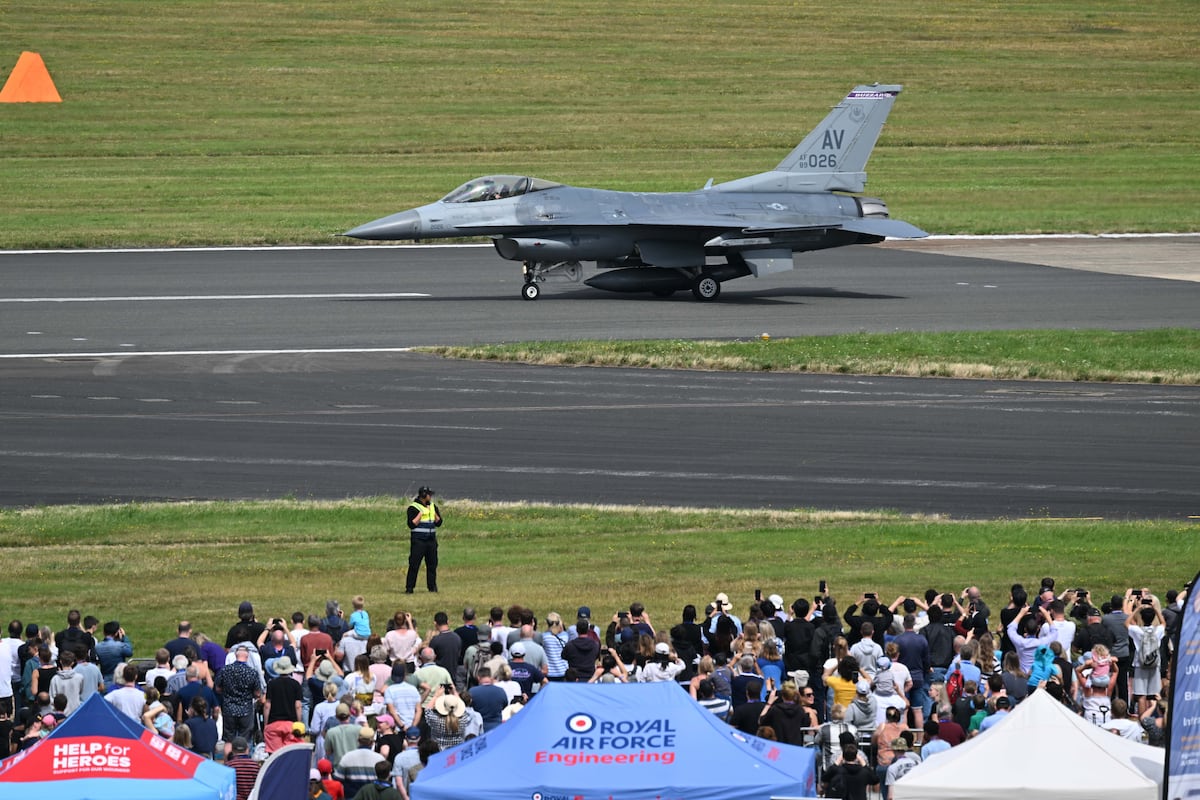
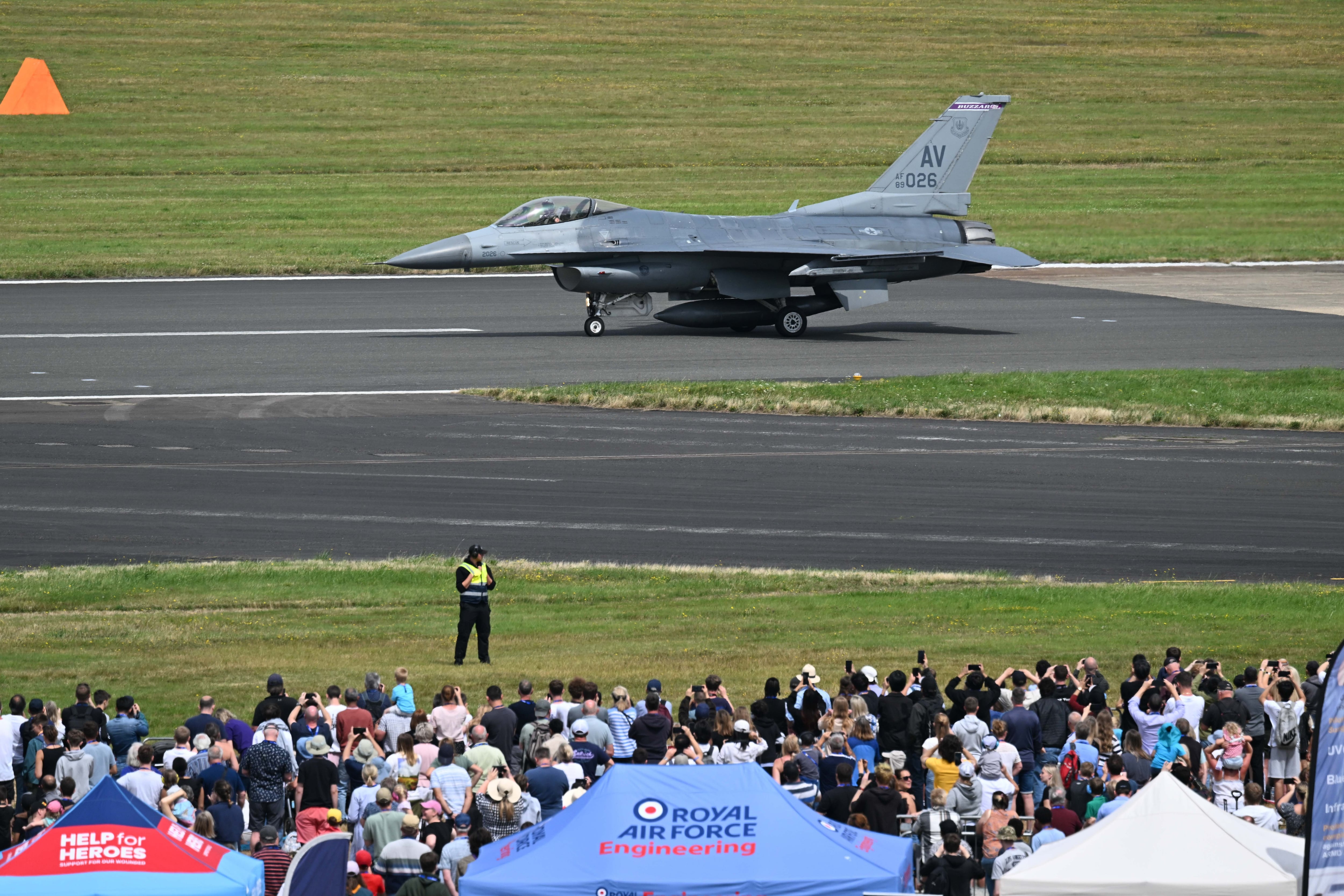
The 2026 show serves as a critical junction for European nations, which are grappling with how to allocate newly bolstered defense budgets. While legacy platforms like the Lockheed Martin F-35 Lightning II and the Eurofighter Typhoon continue to be the cornerstones of aerial dominance—with both scheduled for high-profile flight demonstrations—the strategic conversation has moved toward what comes next. The "sixth-generation" fighter programs, such as the Global Combat Air Programme (GCAP) involving the UK, Italy, and Japan, are expected to see significant developmental updates during the week as partner nations seek to solidify timelines in the face of rising threats from near-peer adversaries.
The Disruption of Traditional Defense Procurement
A central theme emerging at Farnborough is the tension between established "primes" and a new wave of "defense-tech" startups. Tom Enders, the former CEO of Airbus and current co-chairman of the German defense startup Helsing, has been vocal about the need for a cultural shift in how weapons are developed and bought. Enders suggests that the industry is currently undergoing a "SpaceX moment," where agility and private investment are beginning to outpace the slow, government-funded development cycles of the past.
Traditional defense contractors have historically operated on a "cost-plus" model, where the government assumes most of the financial risk. In contrast, newer entrants like Helsing and the U.S.-based Anduril are utilizing venture capital to develop AI-driven systems and autonomous drones before a formal government requirement even exists. This "software-first" approach is seen as essential for modernizing the "kill chain" in an era where electronic warfare and rapid sensor integration define the battlefield.
Despite this momentum, Byron Callan of Capital Alpha notes that a "valuation gap" exists. While investors are increasingly bullish on defense tech startups, the vast majority of military procurement funds are still tied to manned platforms. The challenge for the industry at Farnborough 2026 is to bridge this gap, integrating cutting-edge AI and uncrewed cohorts with the multi-billion-dollar jets that remain the backbone of global air forces.
Commercial Aviation: From Orders to Deliveries
On the civil side of the airfield, the narrative has shifted from the quantity of new orders to the reliability of delivery schedules. Airbus and Boeing enter the show with backlogs that stretch well into the 2030s, rendering massive new order announcements less impactful than in previous years. The focus for airline executives and investors has moved to the "ramp-up"—the ability of manufacturers to actually build and deliver the aircraft already on the books.
Airbus continues to pursue an ambitious target of producing 75 A320neo-family jets per month by 2027, a goal that has been repeatedly tested by supply chain failures. Boeing, meanwhile, is working to stabilize its own production rates and restore market confidence following years of regulatory and manufacturing hurdles. Industry analysts, including Jerrold Lundquist of The Lundquist Group, suggest that the total number of aircraft deals signed at this year’s show may struggle to exceed 300, a modest figure compared to pre-show projections of 800. This reflects a "capacity ceiling" where airlines are hesitant to order more planes if they cannot be delivered within a reasonable timeframe.
One notable exception to the quiet commercial market is Air China’s announcement of an order for 55 Airbus jets, signaling a continued, albeit cautious, recovery in the Asian aviation market. However, the broader sentiment remains one of industrial caution.
The Supply Chain Bottleneck: Castings, Forgings, and Engines
The most persistent shadow over the 2026 show is the state of the aerospace supply chain. Six years after the onset of the COVID-19 pandemic, the industry is still struggling with the production of "castings and forgings"—critical metal components required for engines and structural airframes. These parts require specialized labor and high-intensity energy, both of which have seen significant cost increases and labor shortages.
Kevin Michaels, managing director of AeroDynamic Advisory, warns that while the supply chain has improved over the last 24 months, it is not yet robust enough to support the aggressive production targets set by the major airframers. "The supply chain… has improved relative to where it was a year or two ago but [not] to the point where Airbus can pursue its goal of 75," Michaels noted.
There are, however, signs of optimism. Larry Culp, CEO of GE Aerospace, the world’s largest engine maker, stated on the eve of the show that the supply chain has "really turned the corner," though he acknowledged that significant work remains. The ability of engine manufacturers like GE, Rolls-Royce, and Pratt & Whitney to meet demand is the single most important factor in determining whether the commercial aviation industry can meet the surging demand for global travel.
Chronology of Aerospace Evolution: Farnborough’s Historical Context
To understand the weight of the 2026 event, one must look at the timeline of the Farnborough Airshow’s evolution:
- 1948: The first show is held at Farnborough, focusing on the post-WWII British aviation industry.
- 1960s-1990s: The show becomes the premier global stage for the "Jet Age," seeing the debut of the Concorde and the height of the Cold War rivalry between Western and Soviet technology.
- 2000-2018: A period dominated by the "Mega-Order" era, where Middle Eastern carriers and the rise of low-cost airlines led to record-breaking multi-billion-dollar deals.
- 2020-2024: The "Recovery Years," defined by the pandemic-induced hiatus in 2020 and a slow return to normalcy in 2022 and 2024, with an increasing focus on sustainability and "Net Zero" emissions.
- 2026: The "Security Pivot," where geopolitical reality and industrial constraints force a refocus on defense readiness and manufacturing stability.
Official Responses and Strategic Implications
The British government, hosting the event under a new administration, has used the opening day to emphasize the importance of the aerospace sector to the national economy and collective security. Officials have signaled a commitment to the UK’s defense industrial base, viewing the airshow as a vital platform for international exports.
The broader implications of the trends seen at Farnborough 2026 are profound. For defense, the show marks the end of the "peace dividend" era. Nations are no longer just buying equipment; they are seeking strategic partnerships that guarantee supply security and technological edge. For the commercial sector, the show highlights a new reality where growth is limited not by passenger demand, but by the physical limits of a globalized manufacturing network.
As the 2026 Farnborough International Airshow continues through July 24, the industry faces a dual mandate: to innovate at the speed of modern conflict while repairing the foundations of global flight. The deals signed and the technologies displayed this week will likely define the trajectory of aerospace and defense for the remainder of the decade.

Related Posts
Pentagon Forges Landmark Seven-Year Agreements with Boeing and RTX to Accelerate Standard Missile-3 Production and Stabilize Defense Supply Chains
Boeing Unveils Ultra Low-Cost Seeker to Enhance Missile Inventory and Combat Cost Challenges in Modern Warfare