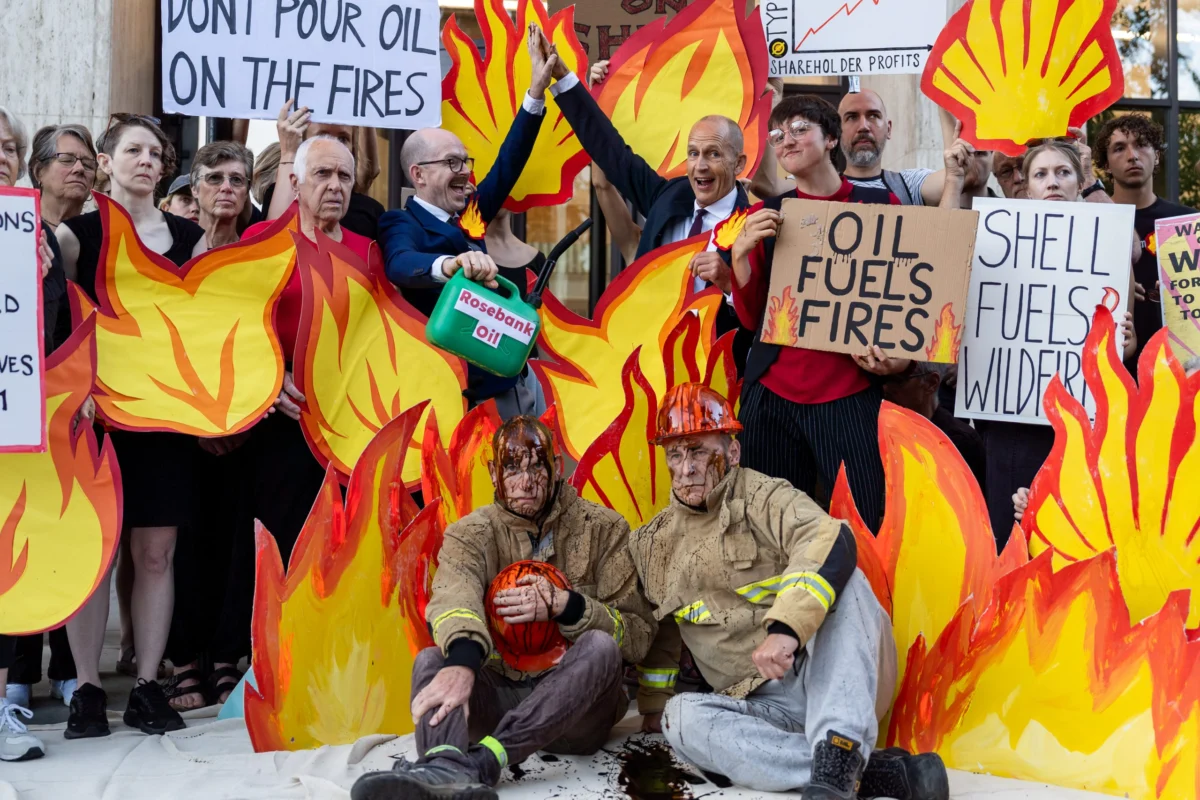
Global Fossil Fuel Giants Report Record Profits Amidst Unprecedented Climate Crisis and Rising Energy Costs
As record-breaking heatwaves transform into lethal wildfires across multiple continents, the world’s primary oil and gas entities are preparing to unveil second-quarter financial results that demonstrate a historic surge in profitability. Market analysts and economic observers widely expect these multinational corporations to report earnings that have doubled or even quadrupled over the past three months, creating a stark economic contrast against a backdrop of global environmental instability and a worsening cost-of-living crisis. This convergence of record-high corporate income and escalating climate-driven disasters has intensified the debate surrounding corporate responsibility and the implementation of "polluter pays" policies on a global scale.
Analysis recently released by Oxfam, timed to coincide with the commencement of the Q2 earnings season, indicates that the world’s six largest fossil fuel corporations—BP, Chevron, Eni, ExxonMobil, Shell, and TotalEnergies—are on a trajectory to nearly double their combined net income compared to the first quarter of the year. This projected leap would see their collective earnings rise from an already substantial $23 billion to approximately $45 billion within a single quarter. If these projections hold, the full-year profits for these six firms are estimated to reach $147 billion, a figure that would surpass the combined total of everything these companies earned over the previous 21 months.
A Detailed Breakdown of Corporate Earnings
The scale of these financial gains is perhaps most evident when viewed through the lens of per-second profitability. According to the Oxfam analysis, Chevron’s profits alone are anticipated to have quadrupled to approximately $1,200 every second over the last three months. ExxonMobil, the largest of the U.S.-based energy giants, is expected to see its profits roughly triple, reaching an estimated $1,800 per second. These figures represent a significant windfall that has largely been driven by high commodity prices and increased demand following global geopolitical shifts and the post-pandemic economic recovery.
The disparity between these corporate gains and the economic reality for the average consumer is profound. While fossil fuel entities report unprecedented margins, communities worldwide are grappling with the financial and physical costs of extreme weather events. In the same period that these profits were accrued, record heatwaves in the Northern Hemisphere have led to increased mortality rates, strained electrical grids, and decimated agricultural yields. Furthermore, the high cost of energy, which fuels these corporate profits, has translated into record-high utility bills for households, pushing millions into energy poverty.
Chronology of the Current Energy and Climate Nexus
To understand the current financial landscape of the energy sector, it is necessary to examine the timeline of events that led to this juncture. The trajectory began in late 2021 as the global economy began to reopen following COVID-19 lockdowns, causing energy demand to surge faster than supply could be restored.
- February 2022: The geopolitical landscape shifted dramatically with the invasion of Ukraine. This event triggered immediate volatility in global energy markets, particularly in Europe, which had been heavily reliant on Russian natural gas. Prices for Brent crude and natural gas spiked to near-record highs.
- May 2022: As energy prices remained elevated, the "Big Six" began reporting significant Q1 earnings, though these were tempered by the costs of exiting Russian assets.
- June – August 2022: A series of unprecedented heatwaves struck Europe, China, and North America. Simultaneously, the energy sector realized the full benefit of sustained high prices, leading to the massive Q2 projections currently under discussion.
- Early 2023: Despite a slight stabilization in some commodity prices, refining margins remained high. The transition into the second quarter of 2023 saw a renewed divergence between corporate earnings and public economic stability.
- Mid-2023: The emergence of El Niño patterns, combined with anthropogenic climate change, led to the hottest June and July on record. This period was marked by devastating wildfires in Canada and Southern Europe, occurring exactly as oil majors prepared their Q2 reports.
Supporting Data: The Cost of Climate Inaction
The financial success of the fossil fuel industry is increasingly being weighed against the mounting costs of climate-related damages. While the "Big Six" are projected to earn $147 billion this year, the economic toll of climate change is estimated to be significantly higher. According to data from the World Meteorological Organization (WMO) and various insurance industry reports, the economic losses from weather, climate, and water extremes have increased fivefold over the past 50 years.
In the United States alone, the National Oceanic and Atmospheric Administration (NOAA) reported that 2022 saw 18 separate billion-dollar weather and climate disasters. The total cost for these events exceeded $165 billion, surpassing the projected annual profit of the world’s largest oil firms. Globally, the "Loss and Damage" fund discussed at recent UN Climate Change Conferences (COP) aims to address the trillions of dollars in damages faced by developing nations—nations that have contributed the least to global emissions but suffer the most from their effects.
The Oxfam analysis highlights that the projected $147 billion in profit is not merely a statistical anomaly but a reflection of a systemic imbalance. Critics argue that these profits are "windfalls of war" and "windfalls of climate distress," suggesting that the current market structure allows corporations to benefit from crises that simultaneously impoverish the public and degrade the environment.
Shifting Policy and Legal Landscapes
Not long ago, the proposal that fossil fuel companies should contribute directly to the costs of climate damage was often categorized as fringe activist rhetoric. However, the sheer magnitude of recent profits coupled with the visibility of climate disasters has moved this idea into the center of mainstream policy debate.
Governments are increasingly exploring windfall taxes as a means to recapture a portion of these "excess" profits. The United Kingdom, for instance, implemented the Energy Profits Levy, which was recently increased and extended. Similarly, the European Union introduced a "solidarity contribution" on the extraordinary profits of companies in the oil, gas, coal, and refinery sectors.
Beyond taxation, the legal landscape is shifting toward litigation. Several municipalities and states, particularly in the United States and the Netherlands, have filed lawsuits against major oil companies. These legal actions often allege that companies misled the public about the risks of climate change or failed to mitigate the environmental impact of their products. A landmark ruling in the Netherlands in 2021 ordered Shell to reduce its global carbon emissions by 45% by 2030, a decision that is currently under appeal but sets a significant precedent for corporate accountability.
Official Reactions and Global Perspectives
The reaction from international leaders and civil rights organizations has been one of increasing urgency. United Nations Secretary-General António Guterres has been vocal in his criticism, previously describing the record profits of oil and gas companies as "grotesque." He has urged governments to tax these excessive earnings and use the funds to support the most vulnerable people through the energy and climate crises.
Industry representatives, conversely, argue that these profits are necessary for reinvestment in energy security and the transition to renewable technologies. They point out that the energy sector is cyclical and that high profits follow years of lower returns and significant capital expenditure risks. However, data regarding actual capital allocation shows that a substantial portion of these record profits has been directed toward share buybacks and increased dividends for shareholders rather than a transformative shift toward green energy infrastructure.
In the Global South, the sentiment is even more acute. Leaders of nations facing rising sea levels and desertification have argued that the "polluter pays" principle must be institutionalized. They contend that the wealth accumulated by fossil fuel giants in the North is inextricably linked to the environmental destruction occurring in the South.
Broader Implications for the Global Economy
The implications of this profit-climate contradiction extend beyond immediate financial reports. They signal a potential crisis of legitimacy for the current energy transition model. If the largest players in the energy sector continue to prioritize short-term shareholder returns over the massive capital requirements of a low-carbon transition, the global community risks missing the targets set by the Paris Agreement.
Furthermore, the inflationary pressure caused by high energy prices has a regressive impact on the global economy. As energy is a primary input for almost all goods and services, high oil and gas prices contribute to higher food prices and transportation costs. This creates a "double burden" on citizens: they pay more at the pump and the grocery store, while also bearing the tax burden for disaster relief and infrastructure repair necessitated by climate change.
As the Q2 earnings reports continue to be released in the coming days, the scrutiny on the "Big Six" will likely intensify. The data suggests that the era of treating climate damage as an "externality"—a cost not accounted for on a corporate balance sheet—may be coming to an end. The intersection of record profits and record heat has created a new political and economic reality where the cost of climate damage is becoming impossible to ignore, and the demand for corporate accountability is no longer a whisper, but a global mandate.
The upcoming months will be critical in determining whether these record earnings will be a catalyst for meaningful policy change or if they will simply represent another chapter in the growing disparity between corporate wealth and environmental stability. With the next UN Climate Summit on the horizon, the pressure on both governments and corporations to reconcile these contradictions has never been higher.

Related Posts
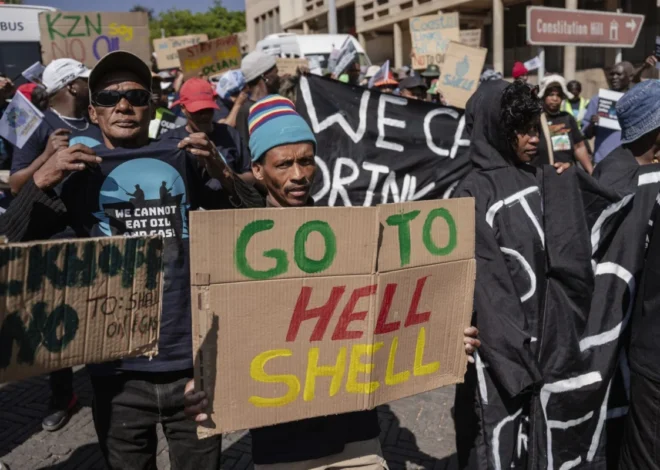
Constitutional Court of South Africa Bars Shell Oil Exploration in Landmark Victory for Environmental and Community Rights

The Battle for Saldanha Bay: South Africa’s Ambitious Ocean Economy Strategy Faces Legal and Environmental Reckoning