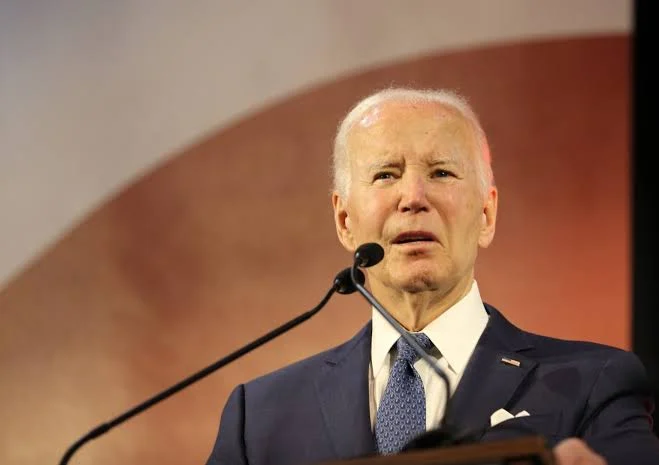
Former US President Joe Biden’s cancer has spread, son says
In a poignant and sobering revelation that has drawn global attention, Hunter Biden has provided a candid update on the deteriorating health of his father, the 46th President of the United States, Joe Biden. In an interview published by the BBC this Saturday, Hunter disclosed that his father’s battle with an aggressive form of prostate cancer has taken a harrowing turn, with the disease now metastasizing beyond its initial site to the former president’s bones and further throughout his body.
The news marks a somber development for the Biden family and the American public, who have closely followed the former president’s health journey since he exited the political stage. Hunter Biden, speaking with visible emotional weight, characterized the current phase of his father’s treatment as both painful and profoundly debilitating, noting that the reality of the situation has become increasingly difficult for the family to witness.
A Progression of Diagnosis and Treatment
The timeline of Joe Biden’s health crisis began in earnest in May 2025, just four months after he concluded his term in the White House. At the time, the former president announced he had been diagnosed with an aggressive form of prostate cancer. Initial statements from his medical team and the former president himself were characterized by a sense of cautious optimism. Biden had publicly emphasized that his prognosis was favorable and that he was responding positively to a specific regimen of medication.
As recently as last month, the former president attempted to reassure his supporters, expressing deep gratitude for the outpouring of prayers and well-wishes from the public. "I’m dealing with a cancer diagnosis, been getting treatment, and it’s going really well," Biden stated at the time. "It’s all a matter of taking a pill, one particular pill, for the next six weeks. And the expectation is we’re going to be able to beat this."
However, Hunter Biden’s latest remarks suggest that the clinical reality has shifted significantly since those optimistic assessments. "I wish he would complain more, because it’s not good—the cancer has spread," Hunter stated. His description of the metastasis to the bones—a common but serious complication in advanced prostate cancer—highlights the aggressive nature of the disease and the limitations of the current therapeutic interventions.
The Medical Context: Understanding Prostate Metastasis
Prostate cancer is among the most common malignancies in men. When the disease is localized, the survival rates are exceptionally high; however, when the cancer metastasizes to the bone, it presents a significantly more complex clinical challenge. According to data from the American Cancer Society, bone metastases can cause significant pain, fractures, and a decline in overall physical mobility.
Medical experts generally define the transition of prostate cancer into the bones as a move toward a more advanced stage, often requiring systemic therapies such as hormone therapy, chemotherapy, or advanced targeted treatments. While the former president has not disclosed the full specifics of his current treatment protocol, the transition from a "one pill" regimen to a state described as "very painful" and "debilitating" suggests that the medical team may be shifting toward palliative and aggressive life-prolonging care strategies.
A Legacy and a Life in Transition
Joe Biden’s post-presidency has been defined largely by his medical struggles and his quiet withdrawal from the public eye. His health was a frequent topic of debate during his final year in office, particularly throughout the 2024 campaign cycle. The speculation surrounding his physical and cognitive stamina reached a fever pitch during the summer of 2024, culminating in his historic decision to withdraw from the presidential race in July 2024.
Following his exit, the Democratic party nominated Vice President Kamala Harris, who ultimately faced defeat in the general election against Donald Trump. Since then, Biden has largely retreated to his home in Delaware, dedicating his time to family and his recovery. His upcoming memoir, Promise Me, America, scheduled for release this November, is expected to offer a comprehensive look at his life and political career, though it remains to be seen how much of his current health battle will be detailed in the text.
Hunter Biden, the only surviving son of the former president, described his father’s role within the family with deep affection. "My dad is, to this day, the centre of our family. He’s the best father, the best husband, the best grandfather," he told the BBC. This portrayal stands in stark contrast to the often-polarized image of Joe Biden as a politician, grounding the news of his illness in the universal human experience of a family facing a life-altering medical crisis.
Public and Political Implications
The disclosure of a former president’s terminal or severe illness always carries significant weight in the American consciousness. While Joe Biden no longer holds public office, his status as a former head of state means his health remains a matter of significant public interest. Messages of support have already begun to circulate among former colleagues and political allies, transcending party lines.
From a geopolitical perspective, the health of a former president is often viewed through the lens of history. Biden’s presidency, characterized by the recovery from the COVID-19 pandemic and significant legislative shifts in climate and infrastructure, is now being viewed by the public through the final, private chapter of his life.
The political impact of this news is expected to be minimal in terms of governance, but it provides a definitive end-point to the intense public scrutiny that defined his final years in office. As the nation processes this update, the conversation is shifting from political debates to the broader discourse on aging, the management of terminal illnesses, and the private lives of public figures.
Looking Ahead: The Family’s Perspective
As the Biden family navigates this difficult period, they have largely maintained a degree of privacy, with Hunter’s interview serving as one of the few direct insights into the former president’s daily struggles. The emphasis on the "painful" and "debilitating" nature of the illness suggests that the family is preparing for a challenging road ahead.
Public health advocates have pointed out that the openness with which the family is addressing the cancer could serve to raise awareness regarding the importance of early screening for prostate cancer, which remains one of the leading causes of cancer-related deaths in men globally. By sharing the reality of the situation, the Biden family is inadvertently highlighting the harsh realities of cancer treatment, reminding the public that even those who once held the most powerful position in the world are not immune to the fragility of human health.
The coming months will likely see continued interest in the former president’s condition, especially as his memoir hits bookshelves. For now, the narrative surrounding Joe Biden has transitioned from the halls of power to the quiet, dignified struggle of a family supporting their patriarch through his most difficult challenge yet. As the medical community continues to monitor his progress, the American public remains a spectator to a deeply personal story that underscores the universal challenges of mortality and the enduring bonds of family.