Eritrea Marks 38th Sawa Graduation Amid Growing International Concern Over Indefinite National Service and Human Rights Violations
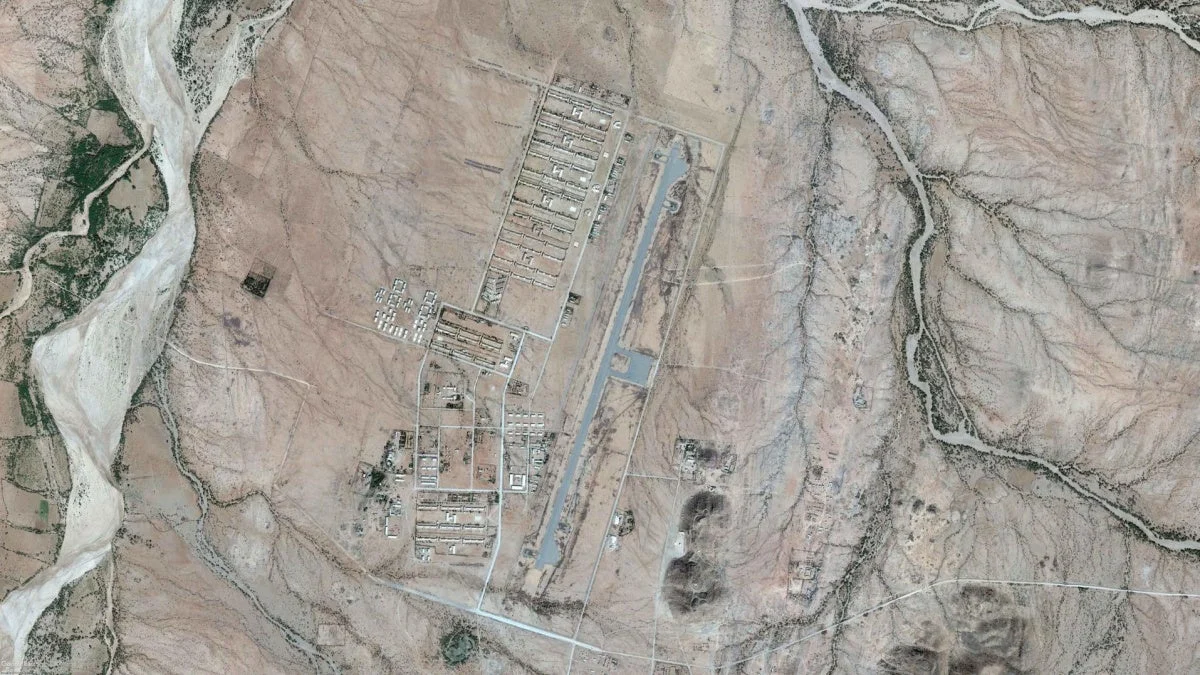
Eritrean President Isaias Afwerki, accompanied by high-ranking military commanders and senior government officials, presided over the graduation ceremony of the 38th round of secondary school students at the Sawa military training center on July 11. The event, held in the Gash-Barka region, saw thousands of young Eritreans complete their final year of secondary education combined with mandatory military training. While the state-run media portrayed the graduation as a milestone of national unity and patriotic duty, the ceremony highlights a deeply controversial system that has drawn decades of condemnation from international human rights organizations and United Nations experts.
The Sawa military training center, established in the mid-1990s, serves as the bottleneck through which nearly all Eritrean youth must pass. For the students of the 38th round, the conclusion of their studies does not signal the beginning of higher education or entry into a free labor market, but rather the commencement of a compulsory national service that is frequently indefinite in duration. This system, which began as a 18-month commitment, has evolved into a cornerstone of the Eritrean state’s control over its population, influencing everything from the country’s economy to its massive refugee exodus.
Historical Evolution: The Road to Sawa and Indefinite Service
To understand the significance of the 38th graduation, one must look at the chronology of Eritrea’s national service program. Following Eritrea’s independence from Ethiopia in 1991, the government sought to foster national identity and reconstruct a war-torn nation.
- 1994: The Sawa Military Training Center was established to facilitate the first rounds of national service.
- 1995: The National Service Proclamation was enacted, legally requiring all Eritrean citizens, male and female, between the ages of 18 and 40 to undergo six months of military training and 12 months of national service in developmental or military roles.
- 1998–2000: The border war with Ethiopia broke out. During this conflict, the 18-month limit was effectively suspended. The government transitioned to a "no war, no peace" footing, maintaining a massive standing army.
- 2002: The "Warsai Yikaalo" Development Campaign was launched, formally institutionalizing the practice of indefinite service under the guise of national reconstruction.
- 2003: The government mandated that all secondary school students complete their 12th-grade education at Sawa. This move effectively militarized the final year of high school, ensuring that the state had direct custody of every young citizen before they could seek employment or further study.
Despite a 2018 peace agreement with Ethiopia that theoretically ended the pretext for a permanent wartime mobilization, the structure of the Sawa graduation and the subsequent conscription remains unchanged.
The Sawa Experience: Education Under Military Guard
Life at Sawa is characterized by extreme discipline and physical hardship. Students are relocated from their home regions to the remote, arid lowlands of Gash-Barka. According to testimonies gathered by Human Rights Watch (HRW) and the UN Commission of Inquiry on Eritrea, the environment is less an academic campus and more a military barracks.
Daily life for the 38th round graduates involved a grueling schedule. Students typically rise before dawn for physical training, followed by hours of military drills and political indoctrination. Academic classes are squeezed between military duties. Food and water supplies are frequently reported as inadequate, with students relying on meager rations of bread and lentil stew.
Discipline at Sawa is enforced through corporal punishment. Former students have described being subjected to "otto," a punishment where limbs are tied behind the back in painful positions, for minor infractions such as arriving late to formation or failing to maintain military bearing. For female students, the risks are even higher; international monitors have documented numerous accounts of sexual harassment and exploitation by commanding officers, with little to no recourse for the victims.
The Mechanism of Indefinite National Service
The graduation ceremony on July 11 marks the "branching out" phase of the conscription cycle. Based on the results of the National Secondary Education Certificate Examination taken at Sawa, graduates are funneled into various tracks:
- Military Placement: Those with lower scores or those deemed physically fit are often sent directly to military units, where they may serve as border guards, infantry, or in logistics.
- Civilian Service: Students with higher scores may be sent to government-run colleges. However, these students remain under the national service framework. Upon graduation from college, they are assigned to professional roles—such as teaching, nursing, or clerical work—where they receive a nominal stipend rather than a market-rate salary.
- State-Owned Enterprises: Many conscripts are used as forced labor in mining, construction, and agriculture for companies owned by the military or the ruling People’s Front for Democracy and Justice (PFDJ).
The defining feature of this system is its lack of an end date. While the 1995 Proclamation still cites 18 months on paper, in practice, many Eritreans remain in service for 10, 15, or even 20 years. They are denied the right to resign, travel internally without a permit, or obtain a passport to leave the country.
Supporting Data: The Human and Economic Cost
The impact of the Sawa system and indefinite conscription is reflected in global migration statistics. According to the United Nations High Commissioner for Refugees (UNHCR), Eritrea—a country with a population estimated between 3.5 and 6 million—consistently ranks among the top sources of refugees per capita in the world.
- Refugee Flux: Tens of thousands of Eritreans flee the country annually, primarily to escape the draft. In peak years, such as 2015 and 2016, over 5,000 Eritreans were recorded crossing the border into Ethiopia and Sudan every month.
- The "Brain Drain": Because the brightest students are funneled into state-assigned roles with no choice of career path, Eritrea has suffered a massive loss of human capital. Thousands of trained teachers and healthcare workers choose to risk their lives crossing the Sahara Desert and the Mediterranean Sea rather than work indefinitely for the state.
- Family Reprisals: The government maintains control through a system of collective responsibility. If a student flees Sawa or deserts their national service posting, their family members are often fined significant sums (frequently 50,000 Nakfa or more) or imprisoned until the "deserter" returns.
International Reactions and Official Stance
The international community has repeatedly called for the reform of Sawa and the national service program. In 2016, a UN Commission of Inquiry concluded that the Eritrean leadership was responsible for "crimes against humanity," including enslavement and forced disappearance, largely tied to the national service system.
UN Special Rapporteurs on the situation of human rights in Eritrea have consistently highlighted that the militarization of education at Sawa violates the Rights of the Child and the right to education. They argue that by forcing children into military training before they reach the age of 18, Eritrea is in breach of international protocols.
In contrast, the Eritrean government maintains that the Sawa program is an essential tool for national defense and social cohesion. During graduation ceremonies, President Isaias Afwerki typically emphasizes the role of the youth in "safeguarding the nation’s sovereignty" and "achieving food security." The government dismisses international criticism as "politically motivated fabrications" designed to destabilize the country. Officials argue that the indefinite nature of the service is a necessary response to the "continued occupation" of Eritrean territory (though the primary border dispute was legally resolved in 2018) and external threats from regional and Western powers.
Broader Implications: A Cycle of Stagnation
The 38th graduation ceremony at Sawa is more than a local event; it is a manifestation of a state policy that prioritizes military readiness over civil liberties and economic modernization. By keeping a significant portion of the working-age population in low-productivity military or state roles, the government has stifled the private sector and created a dependency on conscript labor.
Furthermore, the system creates a cycle of trauma and displacement. Young people who should be entering their most productive years are instead focused on survival or escape. The "Sawa hurdle" has led to a decline in educational engagement, as many students drop out of school in earlier grades to avoid being sent to the camp, or deliberately fail exams to delay their conscription.
As the graduates of the 38th round begin their assignments this month, the international community continues to monitor the situation with concern. Without fundamental reforms—specifically the limitation of service to the statutory 18 months and the separation of secondary education from military training—the Sawa graduation will remain a symbol of lost potential for Eritrea’s youth rather than a celebration of academic achievement. The continued refusal of the Afwerki administration to dismantle this repressive framework ensures that the exodus of Eritrea’s youngest and brightest will likely continue unabated, further complicating the long-term stability and development of the Horn of Africa region.

Related Posts
Human Rights Watch Calls for Investigation into Death of Detainee Following Removal from Najaf Hospital by Iraqi Drug Police
Human Rights Watch Urges UN Security Council to Extend Lebanon Peacekeeping Mission Amid Escalating Conflict and Humanitarian Crisis