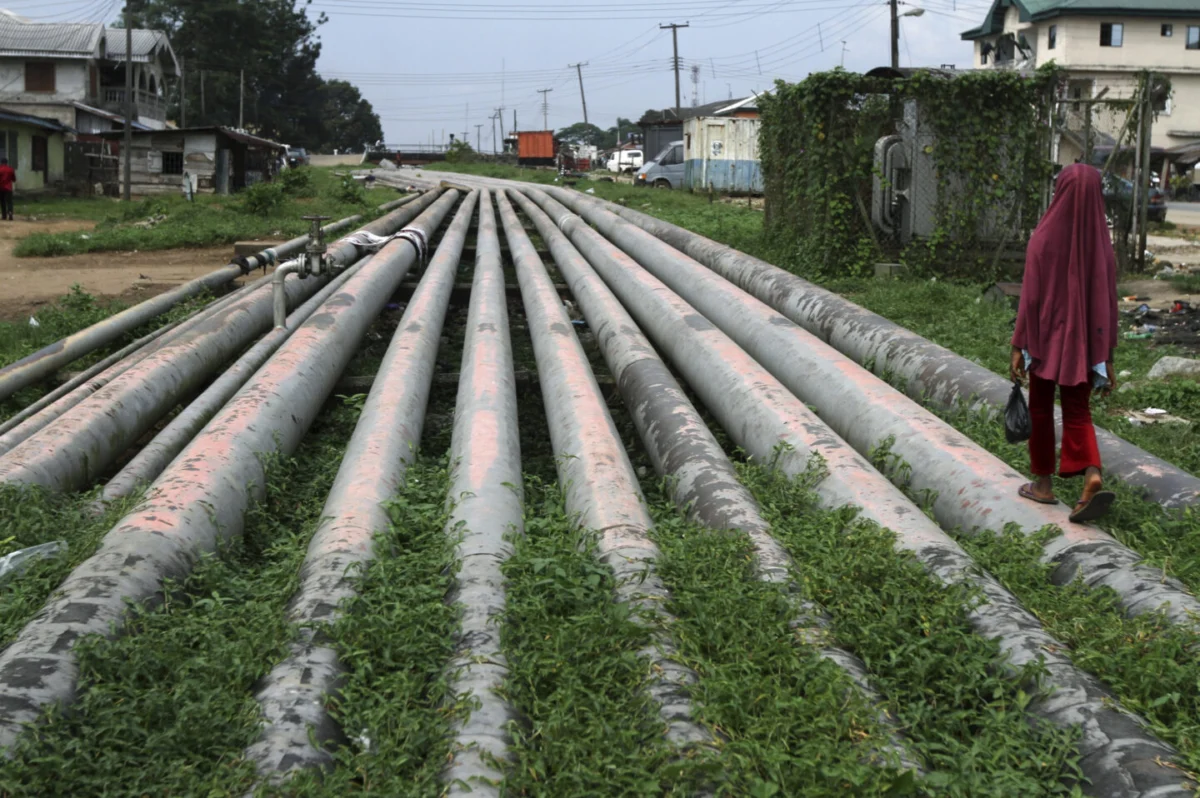
Environmental Groups and Climate Advocates Urge Kenya to Halt Proposed 700,000-Barrel Oil Refinery in Lamu County
The Kenyan government is facing mounting pressure from environmental organizations and climate policy experts to abandon plans for a massive 700,000-barrel-per-day (bpd) oil refinery in Lamu County. The proposed project, backed by Aliko Dangote, Africa’s wealthiest individual and the force behind the recently commissioned Dangote Refinery in Nigeria, has become a flashpoint for a broader debate regarding East Africa’s energy future. While proponents argue the facility will secure regional energy independence and lower fuel costs, critics warn that the environmental and economic risks far outweigh the potential benefits, particularly given the global shift toward renewable energy and the ecological sensitivity of the northern Kenyan coast.
The refinery is envisioned as a cornerstone of the Lamu Port-South Sudan-Ethiopia-Transport (LAPSSET) Corridor, a multi-billion-dollar infrastructure project aimed at linking Kenya with its landlocked neighbors. If completed, the facility would be the largest of its kind in East Africa, significantly eclipsing the capacity of the now-defunct Kenya Petroleum Refineries Limited (KPRL) plant in Mombasa. The project is expected to take approximately three years to construct and would serve as a primary processing hub for petroleum products destined for Kenya, Uganda, Tanzania, and Rwanda.
The Scale and Strategic Vision of the Lamu Refinery
The proposed 700,000-bpd capacity places the Lamu refinery among the largest industrial undertakings in the history of the continent. For context, Aliko Dangote’s flagship refinery in Lekki, Nigeria, has a capacity of 650,000 bpd and was designed to turn Nigeria from a fuel importer into a net exporter. The Kenyan project aims to replicate this model in East Africa, a region that currently relies heavily on refined products imported from the Middle East and India.
By refining crude locally, the Kenyan government and the Dangote Group intend to reduce the high costs associated with logistics and shipping, while also insulating the region from the volatility of global oil prices. The refinery is also expected to produce petrochemicals, which are essential for various manufacturing sectors, including plastics, fertilizers, and pharmaceuticals. From a purely industrial perspective, the project represents a significant leap toward the industrialization goals outlined in Kenya’s Vision 2030.
However, the scale of the project is precisely what has alarmed environmentalists. Lamu County is home to some of the most pristine marine ecosystems in the world, including extensive mangrove forests, coral reefs, and seagrass beds. It is also a UNESCO World Heritage site, recognized for its cultural significance and well-preserved Swahili architecture.
Environmental Sensitivity and the Risk to Biodiversity
Climate campaigners argue that placing a massive industrial refinery in Lamu is an invitation to ecological disaster. The northern coast of Kenya is a vital habitat for several endangered species, including sea turtles and various species of dolphins and whales. The construction process alone—involving dredging, land reclamation, and heavy maritime traffic—threatens to disrupt these habitats.
Mohamed Adow, the director of Power Shift Africa, a leading climate and energy think-tank based in Nairobi, has been one of the most vocal critics of the proposal. He characterized the decision to green-light the project as "an extraordinary act of environmental recklessness." Adow and other advocates point out that the refinery would require significant water intake for cooling and would inevitably discharge thermal and chemical waste into the Indian Ocean, potentially devastating local fishing industries that thousands of families depend on for their livelihoods.
Furthermore, the risk of oil spills in the narrow channels of the Lamu archipelago is a major concern. Unlike the open-sea location of some international refineries, the Lamu site is nestled within a complex system of islands and inlets. A single major leak could permanently destroy the mangrove forests, which act as natural carbon sinks and coastal protectors against storm surges.
Economic Viability in a Decarbonizing World
Beyond the immediate environmental impact, a significant portion of the opposition is rooted in economic analysis. Climate policy experts argue that investing billions of dollars into fossil fuel infrastructure in the mid-2020s is a high-risk gamble. The global energy landscape is shifting rapidly, with the International Energy Agency (IEA) predicting that global demand for oil for transport will peak before the end of the decade as electric vehicles (EVs) become more prevalent.
In Kenya, the transition to electric mobility is already gaining momentum. The government has introduced tax incentives for EV imports, and several startups, such as BasiGo and Roam, are already deploying electric buses and motorcycles on Kenyan roads. Campaigners argue that by the time the Lamu refinery is fully operational, the market for its primary products—petrol and diesel—may already be in decline.
"This project would tie Kenya to yesterday’s energy system just as global demand for petroleum products faces increasing uncertainty," Mohamed Adow noted. The fear is that the refinery could become a "stranded asset"—an expensive industrial facility that is no longer economically viable due to changes in technology or climate regulations. If the refinery fails to achieve its projected returns, the financial burden could fall on Kenyan taxpayers or lead to a significant increase in national debt.
Chronology of the Project and the LAPSSET Context
The idea of a refinery in Lamu is not new; it has been a component of the LAPSSET corridor vision since its inception in the early 2010s. However, the project remained dormant for years due to a lack of funding and shifting political priorities.
- 2012: The LAPSSET Corridor program is officially launched by the governments of Kenya, Ethiopia, and South Sudan.
- 2015-2018: Construction begins on the first three berths of the Lamu Port. During this period, the focus remains primarily on port operations and a proposed coal power plant in Lamu.
- 2020: The Lamu Coal Power Plant project is effectively canceled following a landmark ruling by Kenya’s National Environment Tribunal and the withdrawal of international investors due to environmental concerns.
- 2023: Reports emerge that the Kenyan government is seeking a strategic partner to revive the refinery component of LAPSSET to address rising fuel costs.
- 2024: Aliko Dangote expresses formal interest in the project, bringing the financial backing and technical expertise necessary to move the proposal into the planning and environmental impact assessment (EIA) stages.
The entry of the Dangote Group changed the trajectory of the project, moving it from a theoretical plan to a tangible industrial prospect. However, the memory of the successful campaign against the Lamu coal plant has emboldened activists, who believe that a similar coalition of local communities and international environmentalists can stop the refinery.
Supporting Data and Regional Energy Dynamics
To understand the government’s push for the refinery, one must look at the regional fuel consumption data. According to the Kenya National Bureau of Statistics (KNBS), Kenya’s demand for refined petroleum products has grown steadily, with the country consuming over 5 million metric tonnes annually. In the wider East African Community (EAC), the demand is even higher, with Uganda and Rwanda relying entirely on trucks to transport fuel from the ports of Mombasa and Dar es Salaam.
The proponents of the refinery point to the following data to justify the project:
- Logistical Savings: Refining 700,000 bpd locally could reduce the "landed cost" of fuel by an estimated 15-20% by eliminating long-distance shipping of refined products.
- Job Creation: Construction is expected to create over 10,000 direct jobs and thousands more in the secondary service economy.
- Trade Balance: Kenya currently spends billions of dollars in foreign exchange annually to import refined fuel. Local production would significantly improve the country’s balance of trade.
Conversely, climate advocates point to Kenya’s own renewable energy success. Kenya currently generates over 90% of its electricity from renewable sources, primarily geothermal, wind, and hydro. Critics argue that the government’s support for a massive oil refinery contradicts its international commitments under the Paris Agreement and its own "Green Economy Strategy."
Official Responses and Stakeholder Perspectives
The Kenyan Ministry of Energy and Petroleum has maintained that the refinery is a necessary step for energy security. Officials have stated that while the country is committed to a green transition, the transition must be "just and managed," meaning that fossil fuels will still play a role in the medium term, particularly in heavy industry and long-haul transport where electrification is more challenging.
The Dangote Group has not issued extensive public statements regarding the Lamu project specifically, but Aliko Dangote has frequently spoken about his vision for a self-sufficient Africa. His business model relies on large-scale industrialization to reduce the continent’s reliance on Western and Asian imports.
Local community groups in Lamu, such as "Save Lamu," have expressed cautious skepticism. While they welcome the prospect of jobs, they remain wary of the environmental fallout. Many remember the promises made during the construction of the Lamu Port, where local fishermen were promised compensation for lost fishing grounds—a process that has been marred by delays and legal disputes.
Broader Implications and the Path Forward
The battle over the Lamu refinery is more than just a local dispute; it is a microcosm of the tension facing many African nations. Governments are caught between the immediate need for industrial growth and the long-term imperative of climate resilience.
If the project proceeds, it will require a rigorous Environmental and Social Impact Assessment (ESIA). Given the UNESCO status of Lamu and the presence of protected marine areas, the project will likely face intense scrutiny from international bodies and potential lenders. Financing will be another hurdle; many global commercial banks and development finance institutions (DFIs) have pledged to stop funding new fossil fuel projects.
The outcome of this proposal will likely set a precedent for how Kenya handles large-scale infrastructure in the era of climate change. As the debate intensifies, the Kenyan government must weigh the promise of industrial sovereignty against the risk of permanent ecological damage and the economic pitfalls of a fading oil era. For now, the sands of Lamu remain the frontline of East Africa’s energy tug-of-war.

Related Posts
Constitutional Court of South Africa Bars Shell Oil Exploration in Landmark Victory for Environmental and Community Rights

The Battle for Saldanha Bay: South Africa’s Ambitious Ocean Economy Strategy Faces Legal and Environmental Reckoning