Climate Change and Rapid Urbanization Drive Catastrophic Flooding Across West Africa as Regional Vulnerabilities Mount
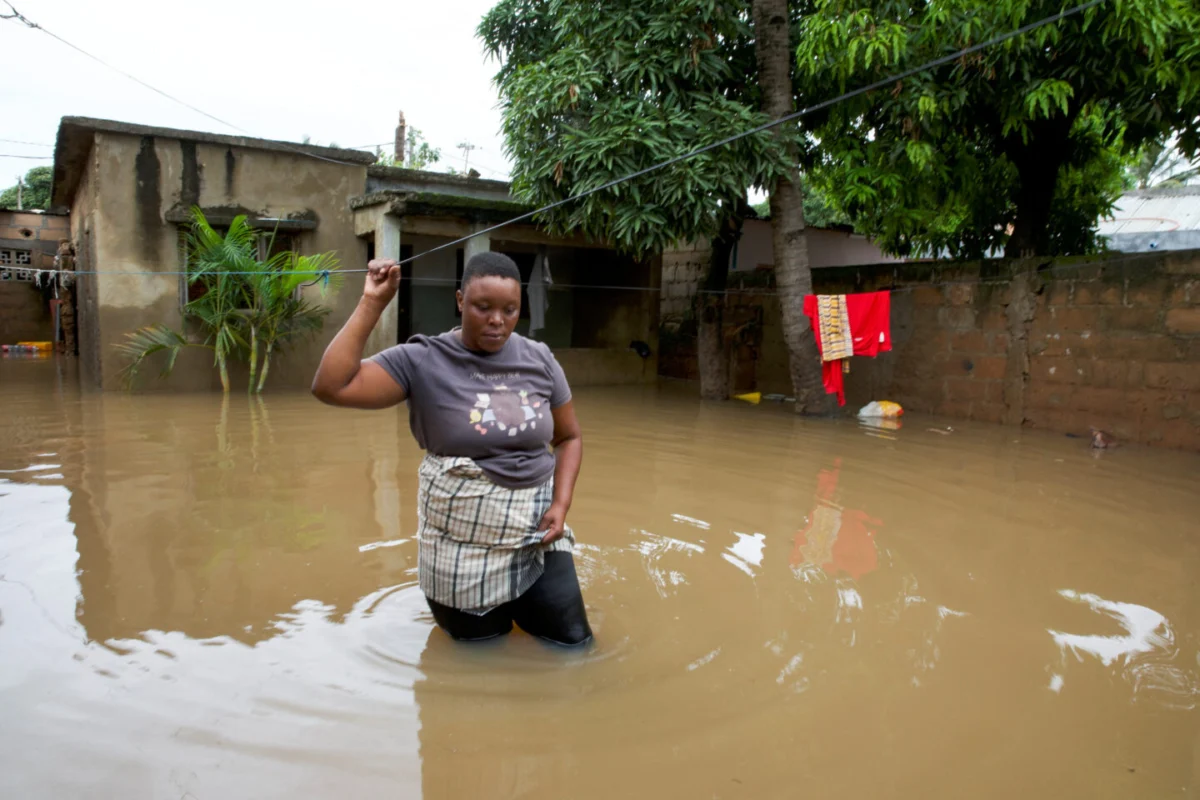
The convergence of human-induced climate change and aggressive urban expansion has significantly intensified the severity of recent floods across West Africa, according to a comprehensive study by the World Weather Attribution (WWA) group. In a series of catastrophic weather events that have spanned several months, countries including Ghana, Togo, Côte d’Ivoire, and Nigeria have been battered by torrential rains that have submerged entire neighborhoods, displaced thousands of residents, and resulted in at least 70 confirmed fatalities. While seasonal rains are a characteristic feature of the regional climate, scientists have concluded that the intensity of these specific downpours is no longer a natural anomaly but a direct consequence of a warming planet. The report highlights a grim reality for the region: the extreme rainfall that occurred over a three-day period, once considered a rare event, is now expected to recur every two to four years.
The Collision of Climate Science and Urban Growth
The recent flooding crisis is the result of a two-pronged escalation: the increasing volatility of the atmosphere due to greenhouse gas emissions and the physical transformation of the West African landscape. As the Earth’s atmosphere warms, its capacity to hold moisture increases by approximately 7% for every degree Celsius of warming. This physical law, known as the Clausius-Clapeyron relationship, has manifested in West Africa as more concentrated and violent bursts of precipitation. What would have been a manageable seasonal rain a few decades ago has now transformed into a "flash flood" trigger that overwhelms existing infrastructure within hours.
However, the WWA scientists emphasize that the climate is only one half of the equation. The devastation has been profoundly amplified by the rapid, often unregulated, expansion of coastal cities. In major hubs like Abidjan, Accra, and Lagos, the demand for housing has outpaced urban planning, forcing both formal and informal settlements into low-lying floodplains and coastal marshes. These areas, which naturally serve as sponges to absorb excess water, have been paved over with concrete and asphalt. The conversion of natural vegetation and wetlands into urban sprawl and agricultural land has drastically reduced the ground’s ability to facilitate drainage, leaving water with nowhere to go but into the streets and homes of the most vulnerable populations.
A Timeline of Torrential Rainfall and Destruction
The 2024 rainy season across the West African coast began with typical intensity in May, but by June, the situation had escalated into a regional humanitarian crisis. The following chronology details the progression of the floods:
- Mid-May: Early seasonal rains began to saturate the soil across the Gulf of Guinea. Initial reports from Abidjan, Côte d’Ivoire, indicated localized flooding in the Abobo and Yopougon districts, where hilly terrain and poor drainage systems led to early mudslides.
- Early June: The intensity of the rainfall surged. Ghana’s capital, Accra, experienced a series of "flash" events that paralyzed the city’s central business district. The Korle Lagoon, a primary drainage point for the city, reached critical levels, causing backflow into surrounding residential areas.
- Late June: Côte d’Ivoire faced its deadliest week. In Abidjan, over 20 people were reported dead in a single weekend as torrential rains caused structural collapses and swept vehicles into open sewers. The government issued red alerts, urging residents in "high-risk" zones to evacuate immediately.
- July 1-10: The weather system moved eastward, hitting Togo and Nigeria with increased vigor. In Lagos, Nigeria’s economic engine, the "Third Mainland Bridge" and surrounding coastal roads were partially submerged, causing massive logistical disruptions. In Togo, rural communities near the Mono River saw their farmlands destroyed as riverbanks burst.
- Mid-July: The WWA began its rapid attribution study as the death toll across the region climbed past 70, with thousands of families in informal settlements losing their entire livelihoods to the rising waters.
Quantifying the Climate Connection: The WWA Findings
To understand the role of global warming in these events, the WWA team utilized peer-reviewed methods to compare current weather patterns with historical data and climate models. Their analysis focused on the maximum three-day rainfall totals during the peak of the season. The findings were stark: human-driven climate change has made this level of rainfall approximately twice as likely and significantly more intense than it would have been in a pre-industrial world.
"The event is not rare already today and therefore the flood risk is certainly not going away but will increase in particular with additional pressures from growing populations and urbanisation," stated Friederike Otto, a professor of climate science at Imperial College London and a leading member of the WWA group.
The data suggests that the regional "return period" for such extreme rainfall has shifted. In the mid-20th century, a storm of this magnitude might have occurred once every 10 to 15 years. Today, that interval has shrunk to a window of just two to four years. This increased frequency leaves communities with almost no time to recover or rebuild before the next disaster strikes, creating a cycle of "permanent emergency" for local disaster management agencies.
The Urbanization Trap: Why Cities are More Vulnerable
The WWA report identifies urbanization as the primary "vulnerability driver" in West Africa. The region is home to some of the fastest-growing urban centers in the world. As people migrate from rural areas to cities in search of economic opportunity, the lack of affordable, safe housing leads to the proliferation of informal settlements. These settlements are frequently built on "marginal land"—areas that developers and governments have traditionally avoided because of their proximity to water.
In cities like Accra and Abidjan, the "grey-over-green" transition is evident. The loss of urban tree canopy and the sealing of the soil with non-permeable surfaces mean that 80% to 90% of rainfall becomes surface runoff. In a natural environment, this figure would be closer to 10% to 20%. Furthermore, the conversion of upstream forests into agricultural land has increased the siltation of rivers. When heavy rains occur, these rivers, now shallower due to sediment buildup, overflow their banks much faster than they did 30 years ago.
The "thorny problem" mentioned by researchers involves the socio-economic reality of these urban dwellers. Moving communities out of floodplains is not merely a matter of zoning; it involves providing alternative housing and transportation for millions of people who rely on their proximity to urban markets.
Socio-Economic Impacts and the Human Toll
The human cost of the West African floods extends far beyond the immediate death toll. In Nigeria and Ghana, the destruction of small-scale urban farms and the drowning of livestock have threatened local food security. In the "slum" communities of Lagos and Abidjan, the floods have compromised sanitation systems, leading to fears of waterborne diseases such as cholera and typhoid.
Economic analysts suggest that the cumulative loss to the region’s GDP could be substantial. Infrastructure damage—including the destruction of bridges, the erosion of primary roads, and the flooding of warehouses—disrupts the supply chains that connect West African ports to the landlocked interior. For many small business owners, a flooded shop represents the loss of their entire capital, with little to no access to insurance or government compensation.
Regional Governance and the Challenge of Adaptation
In response to the WWA findings and the ongoing crisis, regional leaders and environmental ministers have called for a reassessment of urban resilience strategies. The Economic Community of West African States (ECOWAS) has previously discussed a regional "Disaster Risk Reduction" framework, but implementation remains inconsistent across member states.
Reacting to the report, local environmental advocates have pointed out that while climate change is a global issue driven by industrial nations, the immediate "fix" must be local. "We cannot wait for the world to stop emitting carbon to save our cities," said one regional climate activist. "We must fix our drainage, stop the illegal sale of wetland plots, and invest in early warning systems that reach the poorest person in the furthest settlement."
Government officials in Côte d’Ivoire have begun a controversial program of "pre-emptive demolitions" in high-risk zones. While intended to save lives, these actions have been met with protests from residents who claim they have nowhere else to go. This highlights the tension between immediate safety and long-term social stability.
Strategic Implications for Future Urban Resilience
The findings of the World Weather Attribution group serve as a critical warning for policymakers. The "new normal" of West African weather requires a fundamental shift in how cities are designed and managed. Experts suggest several key areas for urgent intervention:
- Investment in "Blue-Green" Infrastructure: Rather than relying solely on concrete gutters and pipes, cities must integrate parks, permeable pavements, and restored wetlands that can naturally manage storm water.
- Enhanced Early Warning Systems: Using satellite data and local meteorological sensors to provide hyper-local flood alerts can give residents time to move their belongings and evacuate, potentially saving lives even if property damage is unavoidable.
- Cross-Border Water Management: Many of the region’s rivers cross national boundaries. Cooperation between countries like Togo, Benin, and Nigeria is essential to manage dam releases and river levels during the peak rainy season.
- International Climate Finance: The WWA report adds to the growing body of evidence used by African nations to demand "Loss and Damage" funding from international climate summits. The argument is that since West Africa contributes minimally to global carbon emissions but suffers disproportionately from its effects, wealthier nations have a moral and financial obligation to support their adaptation efforts.
As the 2024 rainy season continues to unfold, the message from the scientific community is clear: the window for proactive adaptation is closing. The deadly floods in West Africa are not merely an act of nature, but a complex intersection of a changing climate and the pressures of a developing society. Without a radical rethink of urban growth and a global commitment to climate stabilization, the residents of West Africa’s coastal giants will remain on the front lines of an escalating environmental battle.

Related Posts
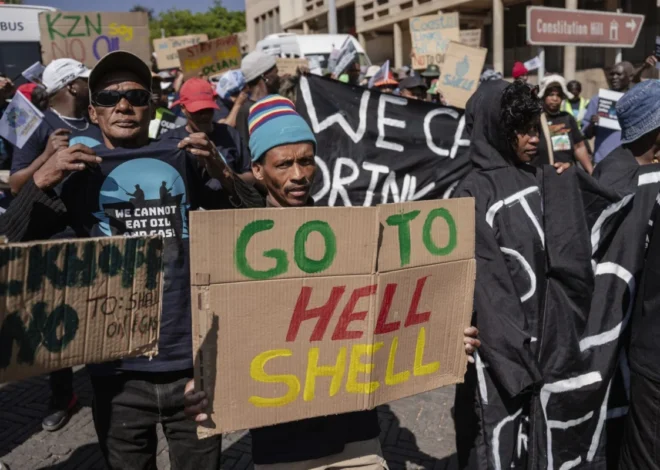
Constitutional Court of South Africa Bars Shell Oil Exploration in Landmark Victory for Environmental and Community Rights
The Battle for Saldanha Bay: South Africa’s Ambitious Ocean Economy Strategy Faces Legal and Environmental Reckoning