Climate Campaigners Urge Kenyan Government to Halt Proposed 700000 Barrel Per Day Oil Refinery Project Backed by Aliko Dangote in Lamu County
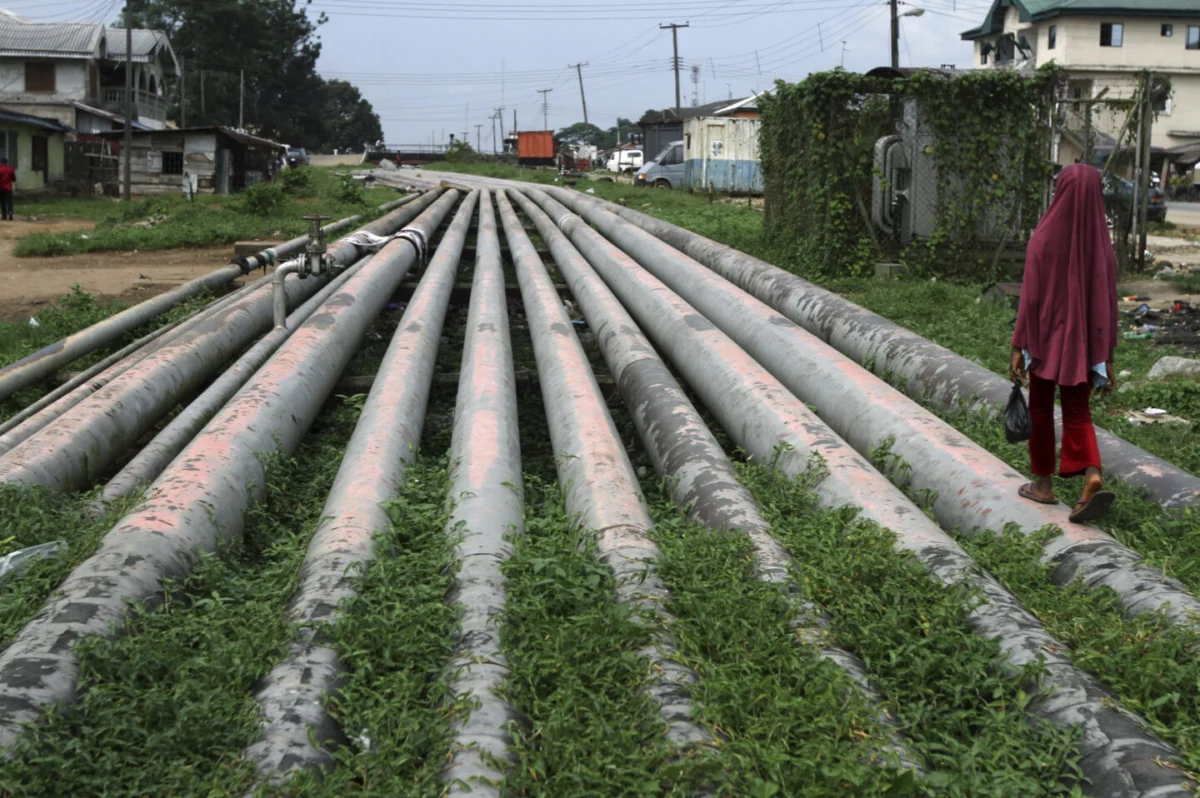
The Kenyan government is facing intensifying pressure from environmental organizations and climate advocacy groups to abandon plans for a massive 700,000-barrel-per-day (bpd) oil refinery in Lamu County. The project, which has secured the backing of Aliko Dangote, Africa’s wealthiest individual and the force behind Nigeria’s recently commissioned Lekki refinery, is positioned to become the largest petroleum processing hub in East Africa. While proponents argue the facility is a cornerstone for regional energy security, critics warn that the infrastructure represents a catastrophic environmental risk to one of the continent’s most delicate coastal ecosystems and a regressive step for a nation aiming to lead in renewable energy.
The proposed refinery is slated for construction within the northern coastal region of Lamu, an area recognized globally for its cultural heritage and ecological significance. Once operational, the facility is intended to process crude oil into refined petroleum products including petrol, diesel, jet fuel, and liquefied petroleum gas (LPG). These products would be distributed across a regional network encompassing Kenya, Uganda, Tanzania, and Rwanda. The project timeline suggests a three-year construction phase, with financing expected to involve a combination of private equity, corporate bonds, and a potential Initial Public Offering (IPO) by 2026.
The Ecological Sensitivity of Lamu County
Lamu County is not merely a geographic location but a critical environmental and cultural hub. The region is home to the Lamu Old Town, a UNESCO World Heritage site, and a vast network of mangrove forests that serve as essential carbon sinks and breeding grounds for marine life. Environmentalists point out that the northern coast’s biodiversity is particularly vulnerable to the industrial runoff, potential oil spills, and air pollution inherent in large-scale refining operations.
The Kenyan coastline supports approximately 60% of the country’s mangrove cover, with Lamu holding the lion’s share. These forests are vital for coastal protection against erosion and provide a livelihood for thousands of local artisanal fishermen. Campaigners argue that the introduction of a 700,000-bpd facility—nearly double the capacity of many major European refineries—would irrevocably alter the marine chemistry of the area. The dredging required for deep-water berths to accommodate massive oil tankers further threatens the coral reefs and seagrass beds that characterize the Lamu archipelago.
Chronology of the Project and the LAPSSET Framework
The genesis of the refinery project is rooted in the Lamu Port-South Sudan-Ethiopia Transport (LAPSSET) Corridor program. Launched over a decade ago, LAPSSET is Kenya’s most ambitious infrastructure project, designed to provide a second transport corridor and link the northern parts of the country to the regional economy.
- 2012: Official launch of the LAPSSET Corridor, which included plans for a port, a railway, a highway, and an oil pipeline.
- 2013-2018: Gradual development of the first three berths at the Lamu Port. During this period, the focus remained primarily on transshipment and cargo.
- 2021-2023: Renewed interest in value-added energy infrastructure following the discovery of oil in Kenya’s Turkana region and the ongoing construction of the East African Crude Oil Pipeline (EACOP) in neighboring Uganda.
- 2024: Formal discussions regarding the Dangote-backed refinery gain momentum. The proposal shifts from a modest processing unit to a high-capacity 700,000-bpd mega-project.
- July 2024: Public announcements regarding the financing structure, including the 2026 IPO target, draw immediate fire from climate think-tanks and local community leaders.
Economic Rationale vs. The "Stranded Asset" Risk
The Kenyan government and regional trade blocs view the refinery as a strategic necessity. Currently, East African nations are heavily reliant on imported refined products from the Middle East and India. This dependence leaves the region vulnerable to global price volatility and supply chain disruptions. By refining oil locally, the government estimates it could save billions of dollars in foreign exchange reserves annually and stabilize domestic fuel prices.
However, financial analysts and climate experts suggest the economic foundation of the project may be built on shifting sands. Mohamed Adow, director of Power Shift Africa, characterized the decision to approve the refinery as "an extraordinary act of environmental recklessness and economic short-sightedness." Adow and other critics argue that the global shift toward electric vehicles (EVs) and renewable energy sources could render the refinery a "stranded asset" before it even pays off its initial capital expenditure.
Data from the International Energy Agency (IEA) indicates that global oil demand for road transport is expected to peak before the end of the decade. In Kenya, the transition is already visible. Companies like BasiGo and Roam are rapidly deploying electric buses and motorcycles in Nairobi, supported by a national grid that is already approximately 90% powered by renewable sources (geothermal, hydro, and wind). Campaigners argue that investing billions into fossil fuel infrastructure at this juncture ignores the technological trajectory of the transport sector, which is the primary consumer of refined petroleum.
Supporting Data: Regional Energy Consumption and Emissions
To understand the scale of the proposed project, one must look at current regional data. Kenya consumes approximately 110,000 to 120,000 barrels of petroleum products per day. A 700,000-bpd refinery would produce significantly more than the domestic market requires, necessitating a robust export strategy to Uganda, Rwanda, and the Democratic Republic of Congo.
- Regional Import Costs: In 2023, Kenya’s petroleum import bill exceeded $4 billion, accounting for a significant portion of its total import spending.
- Capacity Comparison: The proposed 700,000-bpd capacity would make it one of the largest refineries in the world, comparable to the Reliance Industries refinery in India or the SK Energy refinery in South Korea.
- Climate Commitments: Under the Paris Agreement, Kenya has committed to reducing its greenhouse gas emissions by 32% by 2030. Critics argue that adding a massive refinery to the national inventory would make these targets virtually impossible to achieve without drastic and expensive carbon capture technologies.
Reactions from Stakeholders and Civil Society
The opposition to the refinery is not limited to environmental think-tanks. Local communities in Lamu, represented by groups such as Save Lamu, have expressed concerns over land displacement and the loss of traditional fishing grounds. They point to the previous environmental impact assessments (EIAs) for the LAPSSET project, which they claim did not adequately account for the cumulative impact of a refinery of this magnitude.
In contrast, business leaders and proponents of the Africa Continental Free Trade Area (AfCFTA) argue that industrialization is the only path to economic sovereignty. They point to the success of the Dangote Refinery in Nigeria as a blueprint for reducing the continent’s reliance on Western and Asian markets. From their perspective, the refinery is not just about fuel; it is about creating thousands of jobs in engineering, logistics, and maintenance, and fostering a petrochemical industry that could produce fertilizers and plastics locally.
Government officials have remained largely steadfast, suggesting that while the transition to green energy is a long-term goal, the "bridge" to that future requires stable and affordable fossil fuels to power current industrial processes and agricultural mechanization.
Analysis of Broader Implications
The conflict over the Lamu refinery highlights a broader tension across the African continent: the "Just Transition" debate. Many African leaders argue that it is hypocritical for developed nations, which built their economies on fossil fuels, to demand that Africa leapfrog directly to renewables without utilizing its own natural resources.
However, the risk for Kenya is uniquely high. Unlike many of its neighbors, Kenya has successfully branded itself as a "Green Energy Powerhouse." The country hosts the headquarters of the United Nations Environment Programme (UNEP) and has been a vocal advocate for climate justice on the global stage. Proceeding with a 700,000-bpd oil refinery could damage this international standing and potentially complicate access to "green finance"—the low-interest loans and grants reserved for sustainable development projects.
Furthermore, the involvement of Aliko Dangote brings a specific set of expectations and risks. While his ability to deliver massive infrastructure projects is proven, the Nigerian experience also showed that such projects can face significant delays and cost overruns. For Kenya, a three-year construction timeline is ambitious, and any delay would push the refinery’s opening further into an era where electric mobility may have already achieved price parity with internal combustion engines.
Conclusion
As the Kenyan government moves forward with the planning and financing stages of the Lamu refinery, the scrutiny from both local and international observers is likely to intensify. The decision represents a high-stakes gamble on the longevity of the fossil fuel era. If successful, the refinery could transform Kenya into a regional energy hub, slashing import costs and fueling industrial growth. If the critics are correct, however, the project may result in an ecological disaster for the Lamu coast and a financial burden for a country already navigating complex debt obligations.
The coming months will be critical as environmental impact assessments are reviewed and the financing rounds begin. For now, the battle lines are clearly drawn between the vision of an industrialized, self-sufficient East Africa and the commitment to an environmentally sustainable and future-proof energy landscape.

Related Posts
Constitutional Court of South Africa Bars Shell Oil Exploration in Landmark Victory for Environmental and Community Rights

The Battle for Saldanha Bay: South Africa’s Ambitious Ocean Economy Strategy Faces Legal and Environmental Reckoning