Azerbaijan Imposes Record Prison Sentences on Nine Journalists and Activists in Unprecedented Media Crackdown
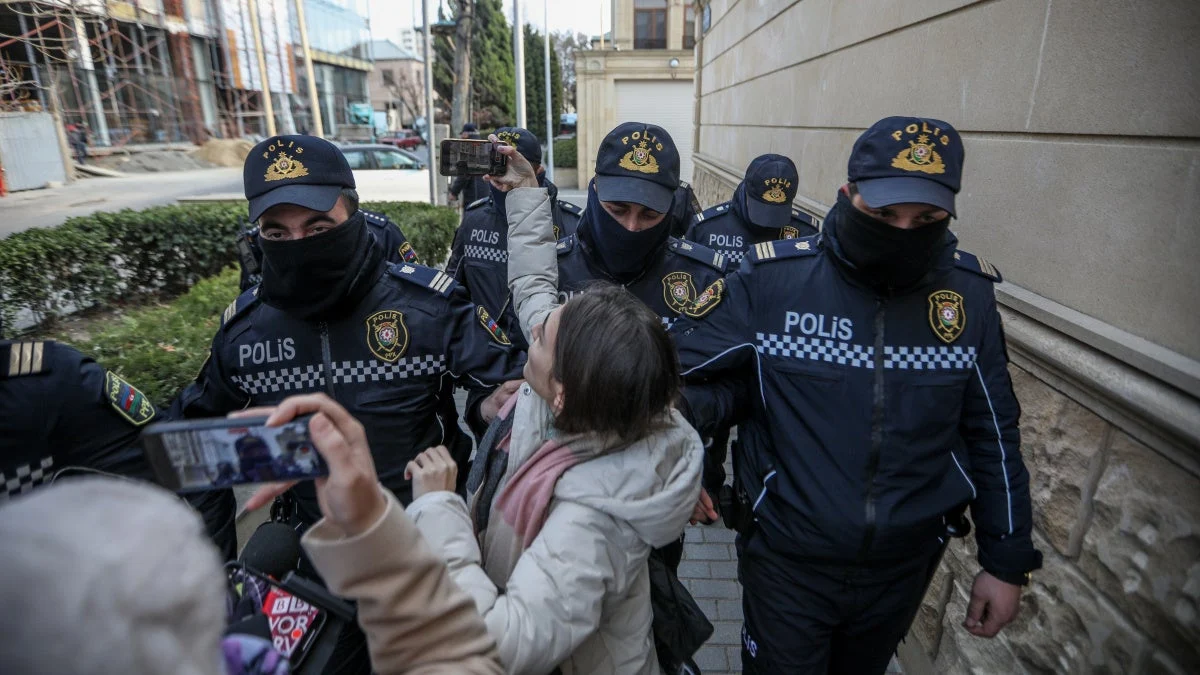
The Baku Grave Crimes Court has delivered a series of landmark sentences against nine journalists, media workers, and civil society activists, marking what legal observers describe as the harshest judicial blow to independent journalism in Azerbaijan’s post-Soviet history. On July 27, the court sentenced the defendants to prison terms ranging from 12 to 15 years, concluding a high-profile trial that has drawn international condemnation and underscored the escalating pressure on the few remaining independent voices within the Caspian nation. The convictions are part of the broader "Toplum TV case," a legal proceeding that has become a focal point for human rights organizations documenting the systematic dismantling of the country’s fourth estate.
The severity of the sentences has sent shockwaves through the regional media landscape. Akif Gurbanov and Ruslan Izzatli, both prominent figures within the Third Republic civic platform—a group that co-produced investigative and social programming for Toplum TV—received the maximum sentence of 15 years each. Alasgar Mammadli, a renowned media law expert and co-founder of Toplum TV, was sentenced to 14 years in prison, a term mirrored by the sentence handed to Ali Zeynalov, a researcher at the Democratic Initiatives Institute (DII). The DII is an independent body known for its advocacy of human rights, transparent electoral processes, and public initiatives. Other DII staff members, including Ramil Babayev and Ilkin Amrahov, alongside video editor Mushfig Jabbarov, were sentenced to 13 years. Journalists Farid Ismayilov and Elmir Abbasov received 12-year terms.
Detailed Breakdown of the Judicial Verdicts
The sentencing on July 27 represents a significant escalation in the duration of imprisonment for media-related offenses. Historically, Azerbaijani courts have imposed sentences of three to seven years for similar charges; however, the current batch of verdicts nearly doubles that precedent. The prosecution’s case rested primarily on allegations of currency smuggling and various financial irregularities—charges that have become a standard template for the prosecution of independent media outlets in Baku.
According to the court’s findings, the defendants were involved in the illegal importation of foreign currency to fund their operations. However, the accused have categorically denied all charges, maintaining that the evidence was fabricated and that the prosecution was entirely politically motivated. During the proceedings, defense attorneys argued that the "smuggling" allegations were a pretext used by the state to criminalize the receipt of international grants, which have become virtually impossible to process legally under Azerbaijan’s restrictive NGO and media laws.
The case of Shahnaz Beylergizi, the editor of Toplum TV, remains an ongoing concern for press freedom advocates. While not part of this specific sentencing group, Beylergizi remains under a strict travel ban as authorities continue to investigate her under similar financial charges in a separate but related case.
A Chronology of the Crackdown
The convictions of the Toplum TV staff are not an isolated incident but the culmination of a multi-year campaign aimed at silencing dissent. To understand the gravity of the July 27 verdicts, it is necessary to examine the timeline of events that led to this point:
- February 2022: Azerbaijan adopts a new, highly restrictive Law on Media, requiring journalists and media outlets to register with a state-controlled database and imposing strict limitations on foreign funding.
- November 2023: Authorities begin a wave of arrests targeting AbzasMedia, one of the country’s most prominent investigative outlets known for exposing high-level corruption. The leadership and several reporters were detained on smuggling charges.
- March 2024: Police conduct a violent raid on the offices of Toplum TV and the Democratic Initiatives Institute. Computers were seized, the office was sealed, and several staff members were detained.
- June 2025: In a precursor to the current verdicts, several AbzasMedia journalists were convicted and sentenced to terms between seven-and-a-half and nine years. These sentences were later upheld by the Supreme Court in April 2026.
- July 2024 – Present: The trial of 12 journalists and media workers associated with Meydan TV remains ongoing, with observers expecting similarly harsh outcomes following the Toplum TV precedent.
The progression of these cases suggests a deliberate strategy to eliminate the infrastructure of independent reporting before major national or international events, ensuring that the state maintains a monopoly on information.
The Regulatory Framework as a Tool of Prosecution
Legal analysts point out that the Azerbaijani government has created a "regulatory trap" for civil society. Over the past decade, the government has introduced a series of amendments to the Law on Non-Governmental Organizations and the Law on Grants. These changes have made it nearly impossible for independent groups to register foreign grants or maintain bank accounts for receiving international support.
By closing off all lawful avenues for operational funding, the state has effectively forced independent media to work at the margins of the law. This creates a vulnerability that the authorities then exploit by launching "retaliatory prosecutions on spurious financial charges," as noted by Human Rights Watch. When an outlet receives funding to pay its staff or maintain a website, the government classifies these funds as "smuggled currency" because the grants could not be registered through the state’s blocked administrative systems.
Comparative Analysis of Sentencing Trends
The 12-to-15-year sentences handed down in the Toplum TV case are unprecedented. For comparison, the sentences given to AbzasMedia staff in June 2025, which were considered extreme at the time, ranged from seven to nine years. The jump to 15 years signals a shift from "deterrence" to "total neutralization" of the individuals involved.
| Outlet/Affiliation | Key Figure | Sentence Duration | Primary Charge |
|---|---|---|---|
| Toplum TV / Third Republic | Akif Gurbanov | 15 Years | Currency Smuggling |
| Toplum TV / Third Republic | Ruslan Izzatli | 15 Years | Currency Smuggling |
| Toplum TV (Founder) | Alasgar Mammadli | 14 Years | Financial Crimes |
| Democratic Initiatives Inst. | Ali Zeynalov | 14 Years | Financial Crimes |
| AbzasMedia (2025 Case) | Various Staff | 7.5 – 9 Years | Smuggling |
This data illustrates a clear upward trajectory in the severity of judicial punishment, suggesting that the Azerbaijani judiciary is increasingly being used to impose the maximum possible penalties for activities that are considered standard journalism in democratic societies.
International Reactions and Diplomatic Implications
The international community has reacted with alarm to the July 27 verdicts. Human rights organizations, including Amnesty International and the Committee to Protect Journalists (CPJ), have called for the immediate and unconditional release of the detainees. They argue that the trial failed to meet international standards for fairness and that the sentences are a "gross violation of the right to freedom of expression."
Western diplomatic missions in Baku have historically expressed concern over the arrests of journalists, but the effectiveness of these statements is often questioned. Critics argue that Azerbaijan’s role as a key energy supplier to Europe—particularly in the wake of the geopolitical shift away from Russian gas—has provided the government in Baku with a degree of "diplomatic immunity" regarding its domestic human rights record.
However, the latest sentences may force a re-evaluation. International partners are being urged to move beyond public condemnation. Advocacy groups are calling for specific consequences for political, economic, and security cooperation if the repression continues. There are growing calls for the use of targeted sanctions against officials involved in the "politically motivated prosecutions" of journalists.
Broader Impact on Civil Society and the Future
The implications of these sentences extend far beyond the nine individuals and their families. The removal of Toplum TV from the media landscape signifies the near-total disappearance of domestic independent news platforms within Azerbaijan. For the younger generation of journalists and activists, the 15-year sentences serve as a chilling warning of the risks associated with public service and investigative reporting.
The Democratic Initiatives Institute, whose researchers were among those sentenced, played a vital role in monitoring elections and educating citizens on their legal rights. With its staff imprisoned, the vacuum in civil society oversight is expected to be filled by state-aligned organizations, further consolidating the government’s control over the narrative of national progress.
As Azerbaijan prepares for upcoming international engagements, including high-level climate summits and energy forums, the shadow of the Toplum TV case is likely to persist. The Azerbaijani authorities have been urged to seek a voiding of the convictions and to end the campaign against the media. However, the current judicial trend suggests a hardening of the state’s stance, leaving the future of independent thought in Azerbaijan in its most precarious state since the country gained independence.

Related Posts

Human Rights Watch Calls for Investigation into Death of Detainee Following Removal from Najaf Hospital by Iraqi Drug Police
Human Rights Watch Urges UN Security Council to Extend Lebanon Peacekeeping Mission Amid Escalating Conflict and Humanitarian Crisis