Ex-CEO of AsiaWorld-Expo Allen Ha Advocates for "Homegevity" Model to Prevent Costly Building Renovations
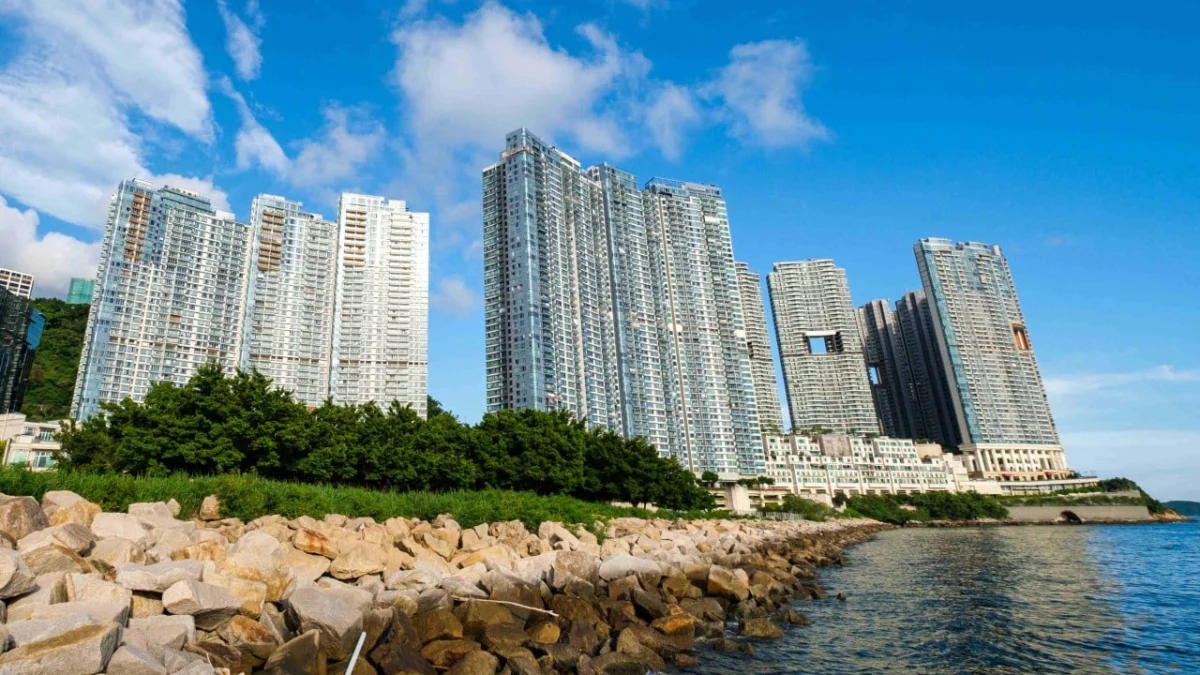
Hong Kong homeowners are being urged to embrace a forward-thinking approach to property maintenance, one that prioritizes targeted, consistent repairs over expensive, large-scale renovations. This innovative strategy, dubbed "homegevity" by Allen Ha Wing-on, former CEO of AsiaWorld-Expo and convenor of the Residence Bel-Air owners’ committee, promises to extend the lifespan of buildings and significantly reduce the financial burden on residents. The affluent Residence Bel-Air complex in Hong Kong has already demonstrated the efficacy of this model, reportedly saving its residents over HK$1 billion (approximately US$127.5 million) through its proactive approach.
The push for this paradigm shift gains urgency in the wake of incidents that highlight the vulnerability of older building stock and the often-prohibitive costs associated with traditional renovation methods. Ha’s vision is not merely a localized solution but a potential blueprint for urban centers worldwide grappling with the challenges of aging infrastructure and the increasing threat of urban decay. His advocacy stems from a deep understanding of the complexities involved in managing large residential estates and the entrenched interests that often hinder progress.
The Genesis of "Homegevity": A Response to Urban Decay
The concept of "homegevity" emerged as a direct response to the growing concerns surrounding the state of Hong Kong’s older residential buildings. The city, known for its high-density urban environment, faces a substantial challenge with a large number of buildings reaching or exceeding their anticipated lifespans. Traditional approaches to address this often involve comprehensive, mandatory renovations, which, while necessary in some cases, can lead to significant financial strain on homeowners and disrupt communities.
Allen Ha, drawing on his extensive experience in managing large-scale public facilities and now actively involved in the governance of a major residential complex, identified a critical gap in the current maintenance practices. He observed that a lack of consistent, targeted upkeep often leads to minor issues escalating into major structural problems, necessitating costly overhauls. The "homegevity" model aims to preempt this by implementing a systematic, technology-driven maintenance program.
"It is a miracle that we made it after three years of hard work to overcome vested interests of various parties including owners of 2,800 residential units," Ha stated in an interview with the South China Morning Post, referencing the protracted efforts required to implement changes at Residence Bel-Air. This statement underscores the significant bureaucratic and communal hurdles that often impede proactive property management. He further elaborated, defining the approach as "a science-based, technology-driven, property asset management solution."
Residence Bel-Air: A Real-World Pilot for "Homegevity"
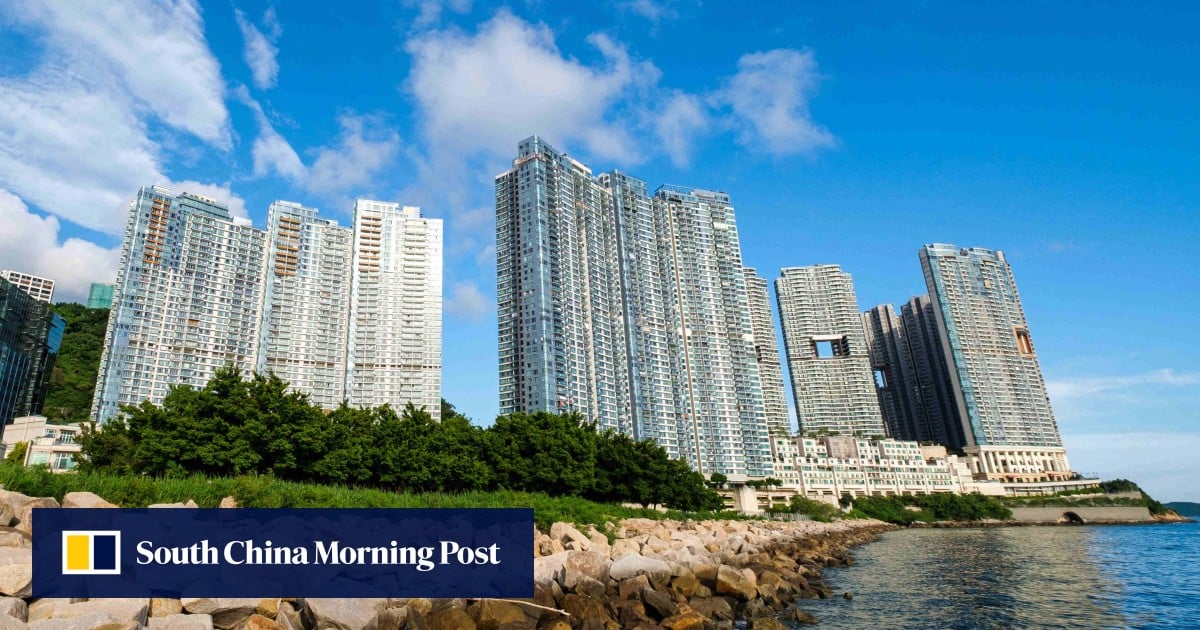
The Residence Bel-Air complex, comprising 2,800 residential units, has become a flagship example of the "homegevity" model in action. The committee, led by Ha, has been instrumental in spearheading a comprehensive, technology-enhanced maintenance strategy. This proactive approach focuses on continuous monitoring, early detection of potential issues, and the implementation of timely, localized repairs.
Instead of waiting for visible signs of decay, such as water leakage or structural cracks, the "homegevity" model employs advanced diagnostic tools and regular inspections to identify subtle signs of wear and tear. This could include the use of sensors to monitor structural integrity, advanced imaging techniques to detect hidden corrosion, and data analytics to predict potential failure points. By addressing these issues at their nascent stages, the need for extensive and disruptive renovations is significantly reduced.
The reported savings of over HK$1 billion for Residence Bel-Air’s residents is a testament to the financial viability of this approach. These savings are not just theoretical; they represent a tangible reduction in the costs that would have otherwise been incurred through large-scale renovation projects, which often involve extensive scaffolding, facade work, pipe replacements, and other major interventions. These projects not only incur direct costs but also lead to significant indirect expenses for residents, including temporary relocation, loss of rental income for investors, and a general disruption to daily life.
The Scale of the Challenge: Hong Kong’s Aging Building Stock
The context for Ha’s initiative is starkly illuminated by data on Hong Kong’s building stock. According to a recent research paper by the Legislative Council Secretariat, as of last year, Hong Kong had nearly 25,000 private residential buildings that were 30 years or older. This significant number of aging properties poses a continuous challenge for urban planners and property owners alike.
The expenditure associated with mandatory renovations for these buildings, particularly for building envelopes and windows, is substantial. The same report indicated that the total expenditure on such mandatory works reached HK$31 billion. This figure highlights the immense financial commitment required to maintain the safety and integrity of the city’s older housing stock under the current regulatory framework.
The "homegevity" model offers a potential pathway to mitigate these escalating costs. By shifting the focus from reactive, large-scale renovations to proactive, targeted maintenance, it aims to optimize resource allocation and prevent the accumulation of deferred maintenance, which often leads to more severe and expensive problems down the line.
Technological Integration and Predictive Maintenance
The core of the "homegevity" model lies in its integration of technology to enable predictive and preventative maintenance. This approach moves beyond traditional visual inspections and scheduled maintenance cycles to a more dynamic and data-driven system. Key technological components could include:
- Structural Health Monitoring (SHM) Systems: The deployment of sensors, such as strain gauges, accelerometers, and displacement sensors, embedded within the building’s structure can provide real-time data on its physical condition. This allows for the continuous assessment of load-bearing capacities, vibration responses, and potential deformation.
- Non-Destructive Testing (NDT) Methods: Advanced NDT techniques, including ultrasonic testing, infrared thermography, and ground-penetrating radar, can be used to inspect building materials and components without causing damage. These methods are crucial for detecting internal defects, such as corrosion in reinforcing steel, delamination of concrete, or voids within walls.
- Building Information Modeling (BIM): BIM can be utilized to create digital representations of buildings, integrating all relevant data, including design specifications, construction history, and ongoing maintenance records. This provides a centralized platform for managing asset information and planning maintenance activities.
- Data Analytics and Artificial Intelligence (AI): The vast amounts of data collected from sensors and inspections can be processed using AI algorithms. These algorithms can identify patterns, predict future performance, and flag potential issues before they become critical. This enables maintenance teams to prioritize interventions and schedule repairs proactively.
- Drone Technology: Drones equipped with high-resolution cameras and thermal imaging capabilities can be used for efficient and safe inspection of hard-to-reach areas, such as building facades, roofs, and balconies, reducing the need for expensive and disruptive scaffolding.
By leveraging these technologies, property managers can gain a granular understanding of a building’s condition, enabling them to make informed decisions about maintenance and repairs. This data-driven approach ensures that resources are allocated effectively, addressing specific vulnerabilities rather than undertaking blanket renovations.

Overcoming Inertia and Vested Interests
Implementing a new maintenance paradigm like "homegevity" is not without its challenges. Allen Ha’s mention of overcoming "vested interests" points to a common obstacle in property management. These interests can include contractors who benefit from large renovation contracts, agents who profit from property transactions often linked to renovation cycles, and even some owners who may perceive immediate benefits from large-scale upgrades, albeit at a higher long-term cost.
Educating stakeholders about the long-term benefits of proactive maintenance is crucial. This involves demonstrating the financial savings, the reduced disruption, and the enhanced sustainability of the "homegevity" approach. Building trust and transparency in the maintenance process is paramount to gaining widespread acceptance.
The success at Residence Bel-Air suggests that with strong leadership and a clear demonstration of tangible benefits, these obstacles can be surmounted. The key lies in fostering a collective understanding that the long-term value of a property is intrinsically linked to its ongoing, systematic care.
Broader Implications for Urban Sustainability and Affordability
The "homegevity" model has far-reaching implications beyond cost savings for individual homeowners. It contributes to broader urban sustainability goals by reducing the need for new construction materials and minimizing construction waste, which are significant environmental concerns. By extending the lifespan of existing buildings, the model supports a more circular economy within the built environment.
Furthermore, by mitigating the frequency and cost of major renovations, the "homegevity" approach can contribute to housing affordability. The spiraling costs of building maintenance are often passed on to residents through increased management fees or special levies, which can price out lower and middle-income households from established neighborhoods. A more cost-effective maintenance strategy can help to preserve the affordability of existing housing stock.
For cities globally facing similar challenges with aging infrastructure, the "homegevity" model offers a promising alternative to the often-unsustainable cycle of demolition and rebuilding or the financially burdensome approach of periodic, large-scale renovations. It represents a shift towards a more intelligent, sustainable, and resident-centric approach to urban property management.
The vision articulated by Allen Ha and exemplified by Residence Bel-Air suggests a future where buildings are not just structures but actively managed assets, preserved and enhanced through continuous, intelligent care. This proactive philosophy has the potential to reshape how cities approach urban decay, ensuring greater longevity, affordability, and sustainability for their built environments.