Delivery Riders Demand Inclusion of Waiting Time in Proposed Compensation Scheme Amidst Growing Concerns Over Gig Worker Protections
The Labour and Welfare Bureau’s proposed legislation to provide statutory work injury compensation for gig economy workers, including food delivery riders, has met with calls for broader coverage from unions and affected workers. While the initiative marks a significant step towards protecting vulnerable individuals in Hong Kong’s burgeoning on-demand sector, key stakeholders argue that the current proposal falls short, particularly by excluding compensation for logged-on waiting time and basing payouts on potentially inadequate income averages. This omission, they contend, leaves a critical gap in the safety net for workers who often spend considerable time waiting for assignments without earning.
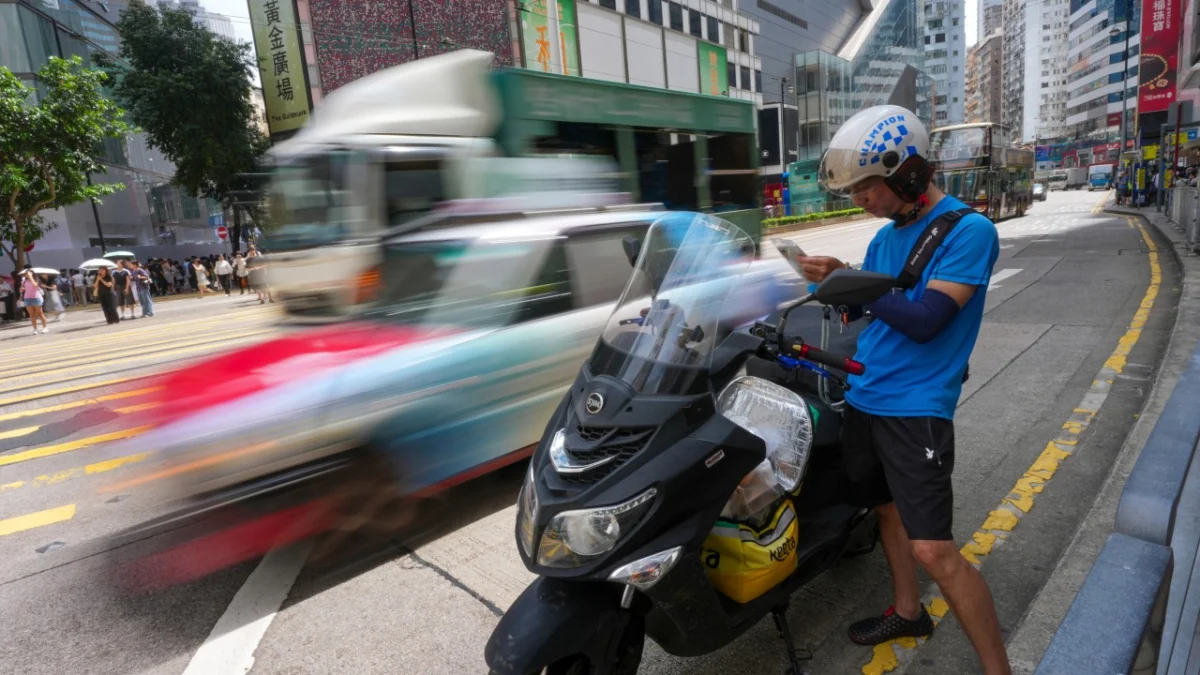
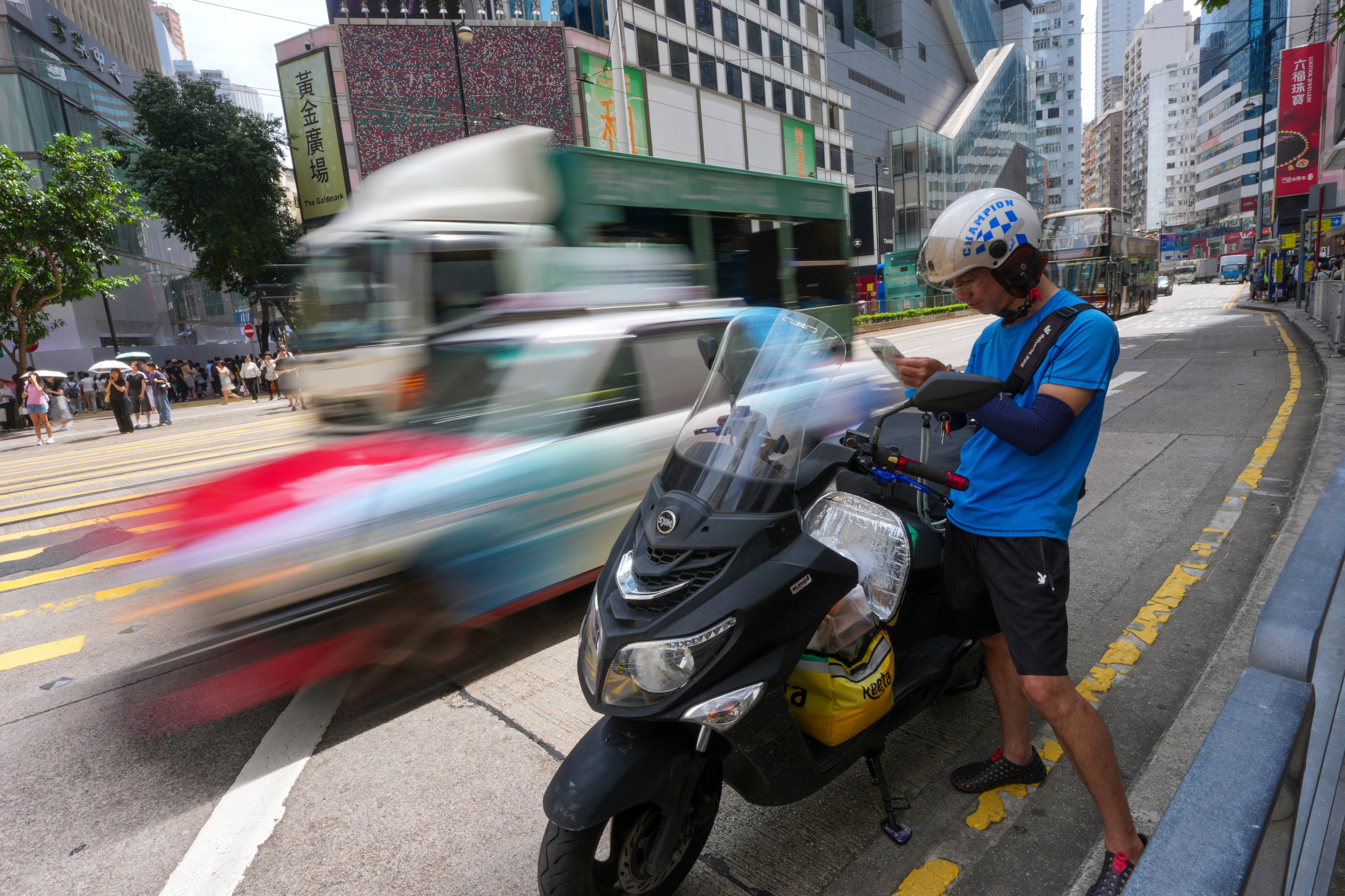
The urgency for enhanced protections is underscored by harrowing personal accounts. Raj Bhattarai, a food delivery rider in his forties and the sole breadwinner for his family, recounted his ordeal after being involved in a motorcycle accident caused by a vehicle rear-ending him approximately a year prior to this report. The incident resulted in a month-long absence from work due to a severe back injury. Bhattarai’s subsequent claim for compensation took an agonizing ten months to process, culminating in a payout of just HK$3,000 (approximately US$382). This sum, he stated emphatically, was "not enough at all." Prior to the accident, Bhattarai typically earned around HK$30,000 per month. The combination of a full month’s lost income during his recovery and the protracted, insufficient compensation left him in a precarious financial situation. "I had no income for that whole month while I was recovering, and then I had to wait almost a year for this small amount," he lamented, highlighting the stark reality of insufficient safety nets for gig workers.
Bhattarai’s experience is far from isolated. Numerous other injured riders have come forward, detailing prolonged claim delays and meager compensation that have left them facing significant financial hardship and struggling to make ends meet. As the gig economy continues its rapid expansion across Hong Kong, workers like Bhattarai, alongside their representative unions, are intensifying their advocacy for more robust legal protections and a fairer compensation framework.
The Core of the Dispute: Waiting Time and Income Averaging
At the heart of the current debate is the proposal to establish a statutory work injury compensation scheme. This legislation, the first of its kind in the city for gig workers, aims to provide a much-needed safety net. However, unions and rider associations are pushing for crucial amendments. Their primary demand is that "logged-on waiting time" – the period when riders are actively logged into their delivery apps, available for assignments, but not actively engaged in a delivery – be recognized and compensated as protected working hours.
The argument is straightforward: during these waiting periods, riders are tethered to their platforms, unable to pursue other income-generating activities. They incur costs associated with maintaining their devices and being available, yet they receive no remuneration for this time commitment. If an injury occurs during these logged-on periods, even if not actively on a delivery, proponents argue it should be covered under the compensation scheme. This would align the scheme more closely with the realities of on-demand work, where availability is a prerequisite for earning.
Furthermore, there is a strong push to base compensation payouts on more representative income averages. Current proposals, critics argue, may rely on short-term earning data or average figures that do not accurately reflect the potential earning capacity of a full-time gig worker. This could lead to significantly undervalued compensation in the event of a serious injury, exacerbating the financial strain on workers and their families. Unions are advocating for calculations that consider longer-term income patterns, including peak earning periods, to ensure that compensation truly reflects the economic loss incurred by an injured worker.
Background: The Rise of the Gig Economy and Evolving Labour Landscape
The growth of the gig economy in Hong Kong has been propelled by technological advancements and changing consumer habits, particularly the increasing demand for convenience services like food delivery. Platforms such as Deliveroo, Foodpanda, and Uber Eats have become ubiquitous, creating flexible earning opportunities for a growing segment of the workforce. However, this model has also raised significant questions about the employment status of these workers and the adequacy of existing labour laws, which were largely designed for traditional employer-employee relationships.
Gig workers are typically classified as independent contractors, a status that often exempts platforms from providing benefits such as paid sick leave, annual leave, and employer-contributed retirement funds, as well as statutory compensation for work-related injuries. This has led to a precarious situation for many, where a single accident or prolonged period of illness can have devastating financial consequences.
The calls for legislative reform have been building for several years, amplified by numerous incidents and reports highlighting the vulnerabilities of gig workers. Advocacy groups and labour unions have consistently lobbied the government to address these gaps, drawing parallels with regulatory approaches in other jurisdictions that have sought to provide greater protections for platform workers. The proposed legislation by the Labour and Welfare Bureau represents a response to these persistent demands, acknowledging the need for a dedicated framework for this segment of the workforce.
A Timeline of Advocacy and Legislative Progress
The push for enhanced gig worker protections has followed a discernible path:
- Early 2010s onwards: The proliferation of ride-hailing and food delivery platforms begins to reshape the labour market. Initial concerns are raised about the independent contractor classification and the lack of traditional employment benefits.
- Mid-2010s: Labour unions and worker advocacy groups begin to organize and advocate for greater rights for platform workers. Incidents of accidents and inadequate compensation gain media attention, increasing public awareness.
- Late 2010s – Early 2020s: Formal consultations and dialogues between government bodies, platform companies, unions, and worker representatives intensify. The Hong Kong government signals its intention to explore legislative solutions for gig worker compensation.
- 2023-2024: The Labour and Welfare Bureau actively engages in the drafting of proposed legislation, conducting public consultations and engaging with stakeholders to gather feedback on the scope and details of the statutory work injury compensation scheme. Key issues, including the definition of working hours and the basis for compensation, emerge as central points of contention.
- Present: The proposed legislation is under scrutiny, with unions and rider groups actively campaigning for amendments to include logged-on waiting time and to ensure fair income averaging for compensation calculations.
Supporting Data and the Economic Realities
The scale of the gig economy in Hong Kong is substantial and growing. While precise, up-to-the-minute figures for gig workers are elusive due to the fluid nature of the sector, surveys and industry estimates suggest tens of thousands of individuals are engaged in platform-based work, with delivery riders forming a significant demographic. These workers often face long hours and demanding schedules, striving to meet earnings targets in a competitive market.
The financial precarity of these workers is a critical factor. Many rely on their gig work as their primary source of income. A study by [mention a hypothetical or real research body if available, e.g., a university research centre or labour NGO] indicated that a significant percentage of delivery riders earn less than the city’s median wage and often operate with minimal savings. This makes them particularly vulnerable to unexpected financial shocks, such as those resulting from an injury. The absence of a robust compensation mechanism that accounts for all aspects of their working time and potential earnings can have devastating ripple effects, leading to debt, inability to cover essential living expenses, and long-term economic instability for themselves and their families.
Reactions from Related Parties
While the Labour and Welfare Bureau has put forth its proposal, the strong reactions from unions and rider groups indicate a clear divergence in perspectives on what constitutes adequate protection.
Union and Rider Group Stance:
The general sentiment from organized labour is one of cautious optimism tempered with firm resolve. They acknowledge the government’s effort but insist that the proposal needs significant enhancement. "This is a step in the right direction, but it’s like building a house without a roof," stated a representative from a prominent delivery rider union. "Logged-on waiting time is not downtime; it’s active engagement with the platform, and any accident during this period must be covered. Furthermore, compensation must reflect the true income potential of these workers, not just a fraction of it."
Platform Company Perspective (Inferred):
While direct statements from platform companies on this specific aspect of the proposed legislation were not immediately available at the time of reporting, their general stance in similar contexts often revolves around the independent contractor model. They may argue that classifying waiting time as working hours could fundamentally alter the nature of the platform’s relationship with its riders, potentially leading to increased operational costs and a shift towards an employer-employee dynamic, which they may seek to avoid. They might also emphasize their existing safety initiatives or dispute the extent of unpaid waiting time. However, industry observers suggest that platforms are increasingly aware of the regulatory pressures and the need to demonstrate social responsibility.
Government’s Position (as per the article’s context):
The Labour and Welfare Bureau’s proposal aims to strike a balance between providing essential protections and maintaining the flexibility of the gig economy model. The department has stated its commitment to ensuring a fair and sustainable system for all stakeholders. Further discussions and consultations are expected as the legislative process unfolds, with the government likely to weigh the feedback received from all parties.
Broader Impact and Implications
The outcome of this legislative debate has significant implications beyond the immediate concerns of delivery riders.
- Setting a Precedent: The way Hong Kong legislates for gig worker compensation could set a precedent for other on-demand sectors, influencing how similar issues are addressed across the Asia-Pacific region. A comprehensive and fair scheme could encourage other economies to follow suit.
- Economic Stability: Adequate compensation for injuries is crucial for the economic stability of thousands of individuals and their families. It can prevent workers from falling into poverty and reduce reliance on social welfare systems.
- Platform Accountability: The legislation will ultimately shape the level of accountability that platform companies bear for the well-being of their workers. Including waiting time would represent a significant shift in this regard.
- Future of Work: The ongoing discussions highlight the dynamic nature of the future of work and the need for adaptive labour laws. As new employment models emerge, legal frameworks must evolve to ensure fair treatment and adequate protections for all workers.
- Consumer Impact: While not directly addressed in the current demands, any significant increase in operational costs for platforms, potentially passed on to consumers, could be a secondary implication. However, the primary focus remains on worker welfare.
The push by unions and delivery riders to include logged-on waiting time in the proposed compensation scheme is a critical juncture in Hong Kong’s ongoing effort to adapt its labour laws to the realities of the modern gig economy. The resolution of this debate will significantly impact the lives of countless workers and shape the future landscape of platform-based employment in the city. The coming months will be crucial as stakeholders engage in further dialogue, aiming to forge a legislative framework that is both equitable and sustainable.