International Seabed Authority Defends Global Jurisdiction as Legal Battle with Deep Sea Mining Subsidiaries Intensifies Over Resource Rights
The International Seabed Authority (ISA), the United Nations-mandated body tasked with overseeing the mineral resources of the deep ocean floor, has formally asserted its regulatory supremacy following an unprecedented legal challenge from subsidiaries of The Metals Company (TMC). At the opening of the ISA’s annual assembly in Kingston, Jamaica, Secretary-General Leticia Carvalho delivered a forceful defense of the organization’s mandate, emphasizing that the mineral wealth of the international seabed remains the "common heritage of humankind" and cannot be unilaterally claimed by corporate interests or individual nations. The remarks come as the nascent deep-sea mining industry reaches a critical inflection point, caught between the urgent global demand for battery metals and the legal complexities of international maritime law.
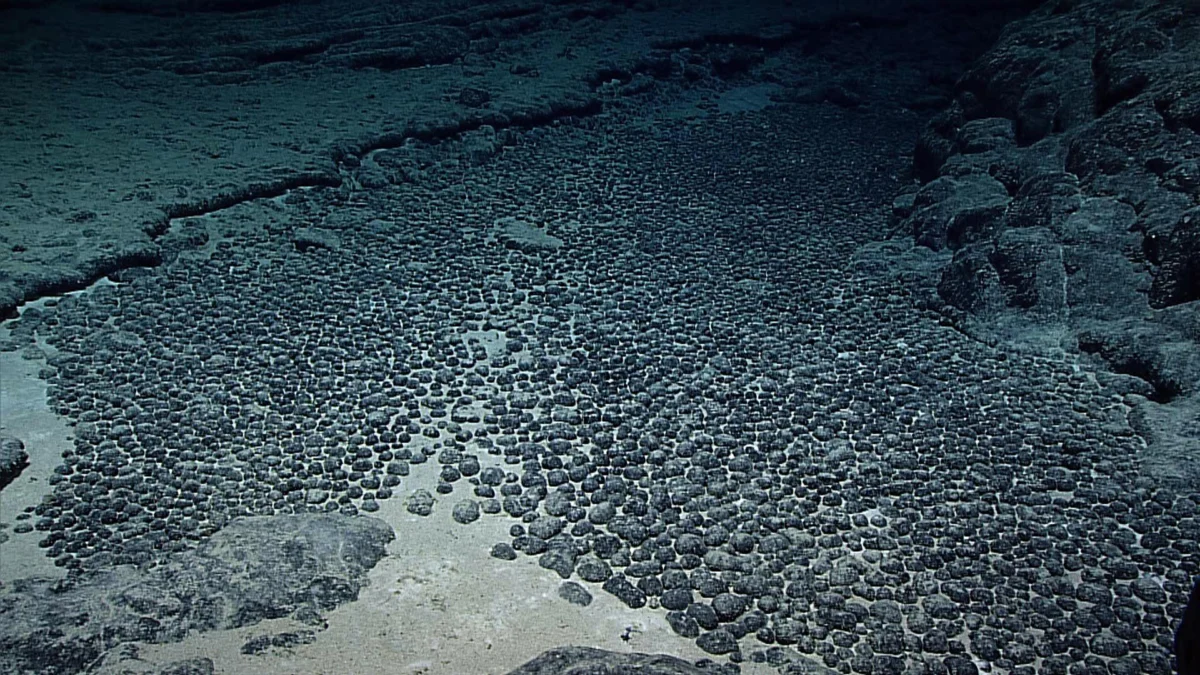
The conflict escalated after two subsidiaries of the Canadian-headquartered firm, The Metals Company, initiated legal proceedings to halt an internal investigation into their conduct. This investigation was launched by the ISA to scrutinize the transparency and adherence to international protocols of the firm’s exploration activities. TMC, which operates through partnerships with small island nations such as Nauru, seeks to extract polymetallic nodules—potato-sized rocks rich in manganese, cobalt, nickel, and copper—from the Clarion-Clipperton Zone (CCZ) in the Pacific Ocean. The legal maneuvers by TMC’s subsidiaries represent a direct challenge to the ISA’s oversight capabilities at a time when the body is under intense pressure to finalize a "Mining Code" that would allow commercial extraction to begin.
The Mandate of the International Seabed Authority and the "Common Heritage" Doctrine
Established under the 1982 United Nations Convention on the Law of the Sea (UNCLOS), the ISA is responsible for managing all mineral-related activities in the international seabed area for the benefit of mankind as a whole. This area, which covers approximately 54% of the world’s oceans, lies beyond the national jurisdiction of any single state. Secretary-General Carvalho’s address on Monday underscored the philosophical and legal bedrock of the organization. "The deep seabed belongs to no single country and no corporation; it belongs to all of us," she stated, warning that any deviation from this principle risks replicating the "injustices and destruction" observed in land-based mining over the past centuries.
The ISA’s role is uniquely complex; it must simultaneously promote the development of resources for the benefit of developing nations while ensuring the "effective protection of the marine environment." To date, the ISA has issued 31 exploration contracts to a mix of state-backed entities and private corporations sponsored by member states. However, no commercial exploitation licenses have been granted, as the international community remains divided over the environmental risks and the equitable distribution of royalties.
A Chronology of Escalation: From Exploration to Legal Warfare
The current impasse is the result of a multi-year acceleration in the push for deep-sea minerals. The timeline of this conflict highlights the growing tension between corporate timelines and international regulatory processes:
- 1994: The ISA is established in Kingston, Jamaica, following the entry into force of UNCLOS.
- 2011-2015: TMC (then known as DeepGreen Metals) begins securing exploration contracts through its subsidiaries, Nauru Ocean Resources Inc. (NORI) and Tonga Offshore Mining Limited (TOML).
- June 2021: The Republic of Nauru triggers the "two-year rule," a legal provision in UNCLOS that required the ISA to finalize mining regulations within 24 months.
- July 2023: The two-year deadline passes without a finalized Mining Code. The ISA Council agrees on a new roadmap to aim for adoption by 2025, but the legal vacuum remains.
- Early 2025: The Trump administration in the United States announces a policy to "bypass" the UN process, offering domestic permits for deep-sea mining in international waters, despite the U.S. not being a party to UNCLOS.
- March 2025: TMC subsidiaries launch legal action against the ISA to block an investigation into their operational conduct, further straining the relationship between the regulator and the industry leader.
The Metals Company has argued that the slow pace of UN bureaucracy is stifling the "green transition." By seeking U.S.-sponsored permits, the firm is attempting to leverage a domestic legal framework—the Deep Seabed Hard Mineral Resources Act (DSHMRA)—which the U.S. passed in 1980 before the finalization of UNCLOS. This move has been characterized by international law experts as a significant threat to the stability of global ocean governance.
Supporting Data: The Economic and Environmental Stakes
The scale of the resources at the heart of this dispute is immense. The Clarion-Clipperton Zone, an abyssal plain spanning 5,000 kilometers between Hawaii and Mexico, is estimated to contain more nickel, manganese, and cobalt than all terrestrial deposits combined. According to data from the ISA and various geological surveys:
- Nickel: The CCZ holds an estimated 340 million metric tons of nickel, a critical component for high-performance electric vehicle (EV) batteries.
- Cobalt: Estimates suggest up to 78 million metric tons of cobalt are present in the nodules, roughly three times the world’s known land-based reserves.
- Value: The total market value of the minerals in the CCZ is estimated by some industry analysts to exceed $15 trillion.
However, the environmental data presents a sobering counter-narrative. Deep-sea ecosystems are among the least understood on Earth. Research published in Current Biology suggests that over 5,000 species new to science inhabit the CCZ, and most are highly sensitive to the sediment plumes and noise pollution generated by industrial mining equipment. Furthermore, the deep ocean acts as a massive carbon sink; scientists warn that disturbing the seabed could interfere with the ocean’s ability to sequester carbon, potentially exacerbating the very climate crisis the minerals are intended to solve.
Official Responses and Geopolitical Implications
The legal challenge by TMC’s subsidiaries has drawn sharp reactions from across the geopolitical spectrum. While the company maintains that it is acting within its rights to protect its investments and shareholders, many ISA member states view the litigation as an affront to international law.
Environmental advocacy groups, including Greenpeace and the Deep Sea Conservation Coalition, have called for an immediate moratorium on all mining activities. "The Metals Company’s attempt to sue the very regulator meant to hold them accountable proves that the industry cannot be trusted to operate in the public interest," said a spokesperson for the Deep Sea Conservation Coalition.
Conversely, some nations, particularly those in the Pacific, are divided. Nauru remains a staunch supporter of TMC, viewing deep-sea mining as a vital pathway to economic sovereignty and climate adaptation funding. Meanwhile, a growing coalition of over 25 countries, including France, Germany, Canada, and Chile, have called for a "precautionary pause" or moratorium, citing the lack of sufficient scientific data to ensure the protection of marine biodiversity.
The involvement of the United States adds a volatile layer of complexity. By offering domestic permits to a Canadian firm (TMC) to mine in international waters, the U.S. is challenging the "common heritage" principle. Analysts suggest this is a strategic move to counter China’s dominance in the global mineral supply chain. China currently holds five of the 31 ISA exploration contracts and possesses the world’s most advanced deep-sea mining technology and processing infrastructure.
Analysis of Implications: A Precedent for Global Governance
The outcome of the legal battle between the ISA and TMC subsidiaries will have far-reaching implications for international law and the future of the "blue economy." If the ISA’s authority is successfully undermined, it could signal the end of the UNCLOS framework as a functional system for managing global commons. This would likely lead to a "Wild West" scenario on the ocean floor, where technologically advanced nations and wealthy corporations engage in a competitive land grab, disenfranchising developing nations who were promised a share of the "common heritage."
Furthermore, the legal dispute highlights the tension between two different approaches to the energy transition. One approach prioritizes the rapid extraction of materials to facilitate the mass production of green technologies. The other emphasizes circularity, recycling, and the protection of intact ecosystems as the primary defense against climate change.
As the ISA assembly continues in Kingston, the immediate focus will be on the "Mining Code" negotiations. However, the shadow of the TMC lawsuit looms large. If the regulator cannot maintain its investigative and disciplinary powers over its contractors, the legitimacy of any future mining permits will be permanently called into question.
The deep seabed is the final frontier of industrial extraction on Earth. As Secretary-General Carvalho noted, the decisions made today will determine whether the ocean floor becomes a site of sustainable development and international cooperation or a new theater for environmental degradation and geopolitical conflict. The international community now faces a decisive choice: uphold the collective rights of humanity or yield to the strategic and financial pressures of the corporate sector.

Related Posts
Constitutional Court of South Africa Bars Shell Oil Exploration in Landmark Victory for Environmental and Community Rights

The Battle for Saldanha Bay: South Africa’s Ambitious Ocean Economy Strategy Faces Legal and Environmental Reckoning