Human Rights Watch Accuses UAE Team Emirates of Sportswashing Amid Allegations of Military Support for Sudan Conflict
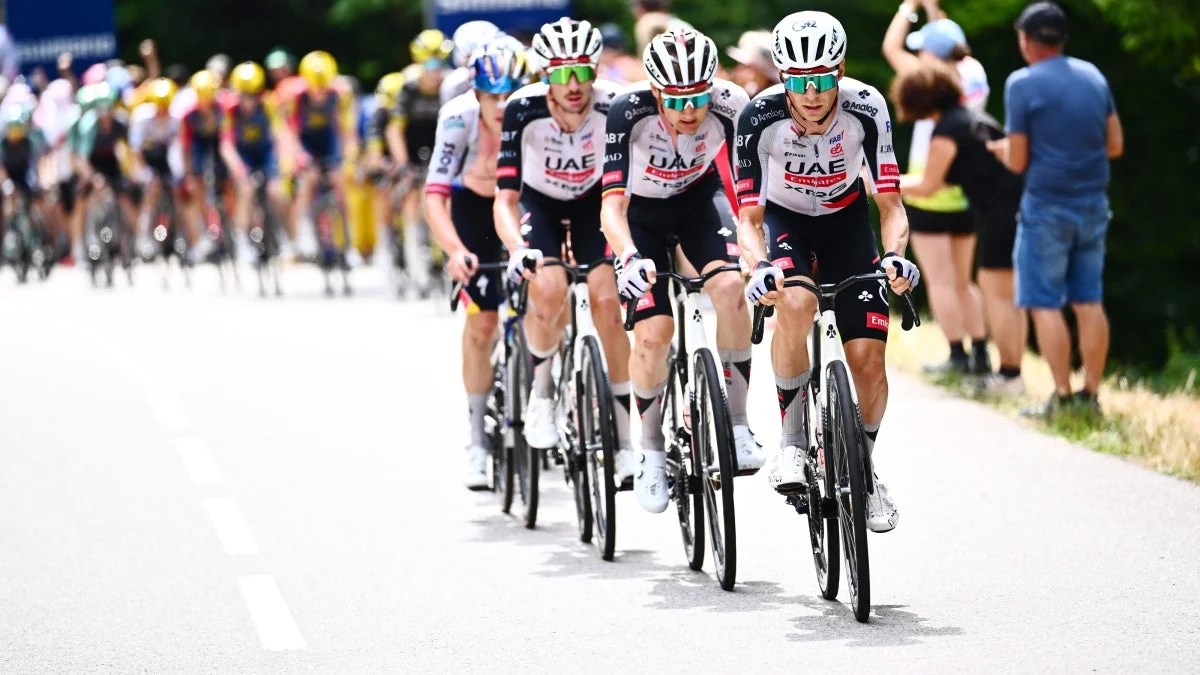
The United Arab Emirates’ premier cycling entity, UAE Team Emirates-XRG, is facing intense international scrutiny as Human Rights Watch (HRW) warns that the team’s high-profile success is being used to "sportswash" the country’s record of human rights violations and its alleged military involvement in the Sudanese civil war. As the team maintains a dominant lead in the 2026 Tour de France, which commenced on July 4 and is scheduled to conclude on July 26, advocates are calling for greater transparency regarding the links between the team’s state-owned sponsors and the ongoing humanitarian catastrophe in East Africa.
The controversy centers on the UAE government’s dual role as a global patron of elite athletics and an alleged supplier of the Rapid Support Forces (RSF), a paramilitary group currently engaged in a brutal conflict with the Sudanese Armed Forces (SAF). According to Joey Shea, a senior UAE researcher at Human Rights Watch, the prominent display of UAE government logos during the world’s most prestigious cycling race serves as a strategic distraction from mounting evidence of the Emirates’ role in fueling mass killings and widespread sexual violence in Sudan.
The Humanitarian Toll in Sudan and the UAE Connection
The conflict in Sudan, which erupted into full-scale war in April 2023, has resulted in what the United Nations describes as one of the worst humanitarian disasters in recent history. As of mid-2026, the death toll is estimated to have exceeded 150,000 people, with approximately 14 million individuals forced to flee their homes. More than 30 million Sudanese citizens are currently in desperate need of humanitarian assistance.
Human Rights Watch and various international monitors have documented a consistent flow of weapons, personnel, and logistics from the UAE to the RSF. On June 18, 2026, UN High Commissioner for Human Rights Volker Türk issued a "stark warning" regarding the imminent risk of atrocities as RSF forces reportedly encircled the city of El Obeid. The UAE’s alleged support for the RSF is viewed by analysts as a critical factor in the group’s ability to maintain its offensive operations despite widespread international condemnation of its tactics.
A May 2026 report by Human Rights Watch further detailed the deployment of Colombian private military contractors who reportedly transited through UAE military facilities before arriving in Sudan to bolster RSF ranks. These findings suggest a substantial contribution by the UAE to the RSF’s operational capacity, potentially implicating the state in the commission of war crimes and other serious violations of international humanitarian law.
A Chronology of Sporting Ambition and Political Influence
The UAE’s investment in professional cycling is part of a broader, decade-long strategy to utilize "soft power" to enhance its international standing. The following timeline highlights the evolution of the UAE’s presence in the sport:
- February 2017: UAE state-owned and government-linked entities officially take over the license of the former Lampre-Merida team, rebranding it as UAE Team Emirates. The team confirms the International Golden Group (IGG) as a primary sponsor.
- 2020–2021: The team achieves global dominance with consecutive Tour de France victories, cementing its status as a powerhouse in the cycling world. The IGG logo is prominently displayed on the team’s kit.
- 2022–2024: The team continues to expand its commercial portfolio while maintaining its ties to IGG and other state-linked firms, even as international media and UN experts begin documenting UAE military interventions in Libya and Sudan.
- November 2024: Clashes in Darfur lead to the capture of Bulgarian-made 81mm munitions by Darfuri Joint Forces. Investigations by networks such as France 24 later trace these munitions back to a deal where the UAE armed forces were the end users, involving IGG as a facilitator.
- May 2026: Human Rights Watch publishes a comprehensive report linking Colombian fighters in Sudan to training and transit through UAE military bases.
- July 2026: UAE Team Emirates-XRG enters the Tour de France as the favorite to win, while HRW issues its formal warning regarding sportswashing.
The Role of State-Owned Sponsors and the IGG Link
The financial backbone of UAE Team Emirates-XRG consists of state-owned enterprises that are inextricably linked to the UAE’s foreign policy and defense sectors. Of particular concern to human rights observers is the International Golden Group (IGG). IGG has a long history of acting as a procurement arm for the UAE’s military.
As early as 2013, a UN Security Council Panel of Experts report on Libya identified IGG as a representative of the UAE armed forces in transactions that led to the delivery of munitions to Benghazi, then under the control of the Libyan Arab Armed Forces (LAAF). More recently, the capture of Dunarit munitions in Sudan—originally purchased for the UAE military through IGG—has reinforced allegations that the company serves as a conduit for the transfer of lethal aid to conflict zones.
By featuring these entities on the jerseys of world-class athletes, the UAE government seeks to associate its national brand with the values of endurance, teamwork, and excellence. Human rights advocates argue that this creates a "reputational shield," making it more difficult for international bodies to impose sanctions or pursue accountability for the country’s external military activities.
Ethical Responsibilities and the UN Guiding Principles
The allegations against UAE Team Emirates-XRG raise significant questions regarding the ethical responsibilities of professional sports organizations. Under the UN Guiding Principles on Business and Human Rights, all business enterprises—including sports teams—have a responsibility to respect human rights throughout their operations.
This responsibility includes conducting due diligence to ensure that their activities, or the activities of their sponsors, do not contribute to human rights harms. HRW asserts that helping a country burnish its reputation to distract from systemic abuses constitutes a failure of this responsibility. The organization has formally requested that the team develop a human rights risk mitigation strategy, which would include a commitment to speak out against the UAE’s role in the Sudan conflict.
Furthermore, HRW has raised concerns about potential "silence clauses" in the contracts of riders and staff. The organization asked the team whether any contractual agreements restrict employees from publicly discussing the UAE’s human rights record. As of the current stage of the Tour de France, UAE Team Emirates-XRG has not issued a formal response to these inquiries.
Implications for the Future of International Cycling
The situation involving UAE Team Emirates-XRG is reflective of a larger trend in global sports, often referred to as "sportswashing." Similar debates have surrounded the ownership of Premier League football clubs, the hosting of Formula 1 races in the Gulf region, and the emergence of LIV Golf. However, the direct link to an active, high-intensity conflict like the one in Sudan adds a layer of urgency to the cycling controversy.
If the UAE Team Emirates-XRG continues its trajectory of success without addressing these allegations, it may set a precedent for how state-backed teams navigate political controversy. For the Union Cycliste Internationale (UCI), the sport’s governing body, the challenge lies in balancing the influx of essential sponsorship capital with the need to maintain the ethical integrity of the sport.
The silence of the team and its star athletes is increasingly seen as a passive endorsement of the status quo. "As Sudan faces yet again the imminent risk of further atrocities, international cycling’s top team risks sportswashing egregious abuses in Sudan by failing to speak out about the UAE abuses," Shea stated.
Analysis: The Intersection of Soft Power and Hard Reality
The UAE’s strategy of promoting an image of "openness and tolerance" through sporting events is directly at odds with its domestic policy of zero tolerance for dissent and its aggressive foreign policy. By investing in the Tour de France—an event with a global viewership of over 3.5 billion—the UAE effectively bypasses traditional diplomatic hurdles, reaching a massive audience that may be unaware of the geopolitical complexities in the Horn of Africa.
However, the strategy also creates a point of vulnerability. The very platform the UAE uses for promotion is now being used by organizations like Human Rights Watch to amplify criticisms that might otherwise remain confined to policy journals and UN reports. The high visibility of the Tour de France ensures that the questions surrounding IGG, the RSF, and the Colombian contractors will remain in the public eye as long as the team is wearing the yellow jersey.
As the race moves toward its final stages in Paris, the pressure on UAE Team Emirates-XRG to respond to these allegations is likely to intensify. Whether the team chooses to engage with the human rights community or maintains its current silence will have lasting implications for the reputation of the sport and the efficacy of sportswashing as a geopolitical tool.

Related Posts
Human Rights Watch Calls for Investigation into Death of Detainee Following Removal from Najaf Hospital by Iraqi Drug Police
Human Rights Watch Urges UN Security Council to Extend Lebanon Peacekeeping Mission Amid Escalating Conflict and Humanitarian Crisis