Brussels South Charleroi Airport to Suspend All Operations for Eleven Weeks in 2028 for Major Infrastructure Overhaul
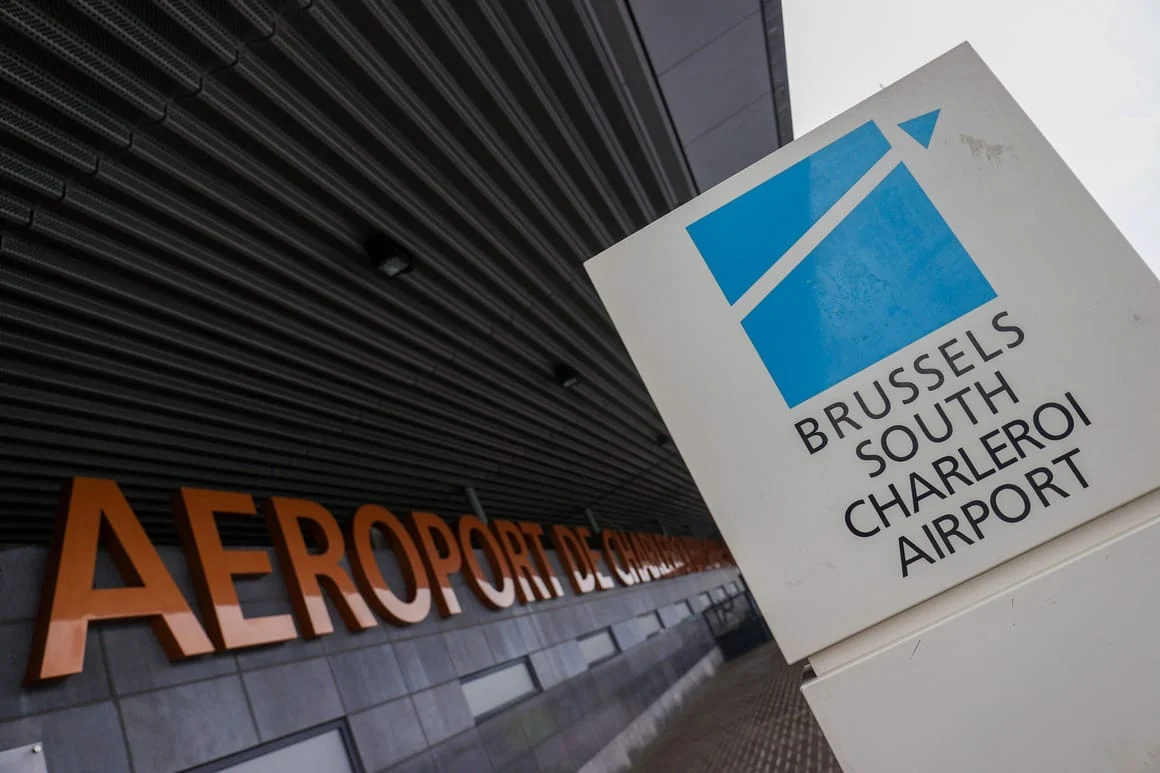
Brussels South Charleroi Airport, the second-busiest aviation hub in Belgium, has officially confirmed a comprehensive suspension of all flight operations scheduled for the second half of 2028. The closure, which is slated to span 11 weeks from August 15 to October 31, is necessitated by a critical need for the complete reconstruction of the airport’s solitary runway. Beyond the runway resurfacing, the project encompasses a suite of broader infrastructure modernization initiatives aimed at extending the facility’s operational lifespan by an estimated quarter-century.
The announcement, released on July 28, 2026, marks the beginning of a complex logistical challenge for the Walloon region and the various low-cost carriers that rely on the hub for their European network. As the primary base for Ryanair in Belgium, the airport serves as a linchpin for regional connectivity, and a temporary halt of this magnitude is expected to have significant repercussions for millions of passengers and thousands of employees.
The Scope of Infrastructure Modernization
The core of the upcoming project involves the total rehabilitation of the airport’s only runway. Given that the existing tarmac has reached the end of its projected 25-year structural lifecycle, the infrastructure company SOWAER, which manages the airport’s facilities, has determined that a piecemeal approach to maintenance is no longer sufficient.
“A complete refurbishment of Charleroi airport’s sole runway, together with other major infrastructure modernization works, has been scheduled for the second half of 2028,” a spokesperson for the airport stated. To mitigate the economic impact and minimize the duration of the operational outage, the administration has opted to synchronize all major construction projects. By bundling these tasks, the airport aims to avoid a scenario of recurring, smaller closures that would lead to prolonged uncertainty for airlines and passengers alike. The total investment for these works is estimated at approximately €50 million.
A Chronology of Planning and Execution
While the closure is set for 2028, the groundwork for this massive logistical undertaking has been underway for months. The necessity for the reconstruction was identified through periodic engineering assessments that indicated structural fatigue in the pavement layers of the runway.
- Early 2025: Initial engineering assessments by SOWAER signal that the runway requires a full-scale rebuild within three years to maintain safety standards.
- Late 2025 – Mid 2026: Coordination begins between the airport management, the Walloon government, and primary airline stakeholders to select a timeframe that minimizes the impact on peak summer traffic while allowing for a reasonable construction window.
- July 28, 2026: Official public announcement of the 11-week closure period, spanning mid-August to late October 2028.
- 2027: Expected phase of procurement and contractor selection for the project, alongside the development of passenger compensation frameworks and airline operational contingency plans.
- August 15, 2028: Scheduled start of the full operational suspension.
- October 31, 2028: Targeted completion of the runway works and resumption of commercial flights.
Economic and Operational Impact Analysis
The decision to close the airport for nearly three months carries substantial weight. According to data provided by Statbel, the Belgian statistical office, Charleroi Airport handled approximately 11.2 million passengers in 2025. Extrapolating from this volume, an 11-week shutdown during the late summer and early autumn period could affect more than 2 million passengers.
The operational impact is exacerbated by the airport’s reliance on low-cost carriers. Ryanair dominates the hub, with Wizz Air and Pegasus Airlines providing additional regional connectivity. The sudden removal of this capacity creates a vacuum in the Belgian aviation market. Industry analysts suggest that while some traffic may be redirected to Brussels Airport (Zaventem) or regional airports in Lille or Eindhoven, the capacity constraints at these neighboring hubs may prevent a seamless transition for all travelers.
Furthermore, the economic implications extend to the workforce. Trade unions, specifically the SETCa, have expressed significant concern regarding job security during the suspension. Alain Goelens, a representative for the union, emphasized the lack of proactive dialogue between management and labor groups over the past two years. The primary fear is that the temporary suspension of traffic could evolve into a long-term reduction in service if airlines decide to permanently reallocate their fleets to more stable markets following the 11-week hiatus.

Government Response and Regulatory Context
The Walloon government, which oversees the airport’s strategic development, has faced scrutiny regarding its handling of the transition. Cécile Neven, the Walloon minister responsible for airports, has moved to quell rumors of administrative negligence. In a formal statement, her office asserted that “preparations for this project have been underway for many months,” contradicting allegations from political opponents and union leaders who claimed the announcement was a surprise.
The minister’s office emphasized that the investment is an essential prerequisite for the long-term safety and competitiveness of the airport. Without this reconstruction, the facility would risk regulatory non-compliance or, in the worst-case scenario, emergency closures that would be far more disruptive than a pre-planned, 11-week shutdown.
A Confluence of Challenges: The Aviation Tax Controversy
The announcement of the closure comes at a particularly turbulent time for the Belgian aviation sector. The airport is currently grappling with the aftermath of a federal government decision to increase aviation taxes. Originally, the federal government proposed a €10 boarding tax; however, following intense lobbying from the airline industry, this was reduced to a €7 increase.
Despite this concession, the burden was deemed unacceptable by Ryanair, which recently declared its intention to remove five aircraft from its Charleroi base. This move is expected to result in the loss of 2 million seats from the Belgian network beginning in the winter of 2026.
The coincidence of the runway closure and the reduction in base aircraft has sparked a debate about the long-term viability of Charleroi as a major European low-cost hub. Stakeholders are now calling for a more holistic approach to aviation policy that balances fiscal revenue from taxes with the need to maintain the airport’s attractiveness to international carriers.
The Path Forward
For the next two years, the management of Brussels South Charleroi Airport faces the arduous task of balancing structural necessity with economic sustainability. The success of the 2028 project will depend on the effectiveness of the communication strategy with both the traveling public and the airlines.
If the airport is to retain its position as a key gateway to the Walloon region and the wider European network, it must ensure that the 11-week closure is handled with surgical precision. This includes facilitating alternative travel arrangements, providing clear legal protections for passengers, and maintaining a constructive dialogue with labor unions to ensure that the workforce remains intact through the transition.
As the industry looks toward 2028, the primary challenge remains clear: the airport must prove that the short-term disruption is a necessary sacrifice for long-term operational excellence. Whether this will be sufficient to overcome the combined pressures of increased aviation taxation and shifting airline strategies remains a point of intense focus for policymakers and market observers alike. The upcoming period will serve as a critical test for the airport’s leadership as they navigate one of the most significant infrastructure challenges in the facility’s history.