Hong Kong banks in early stages of preparing for quantum computing threats, HKMA says
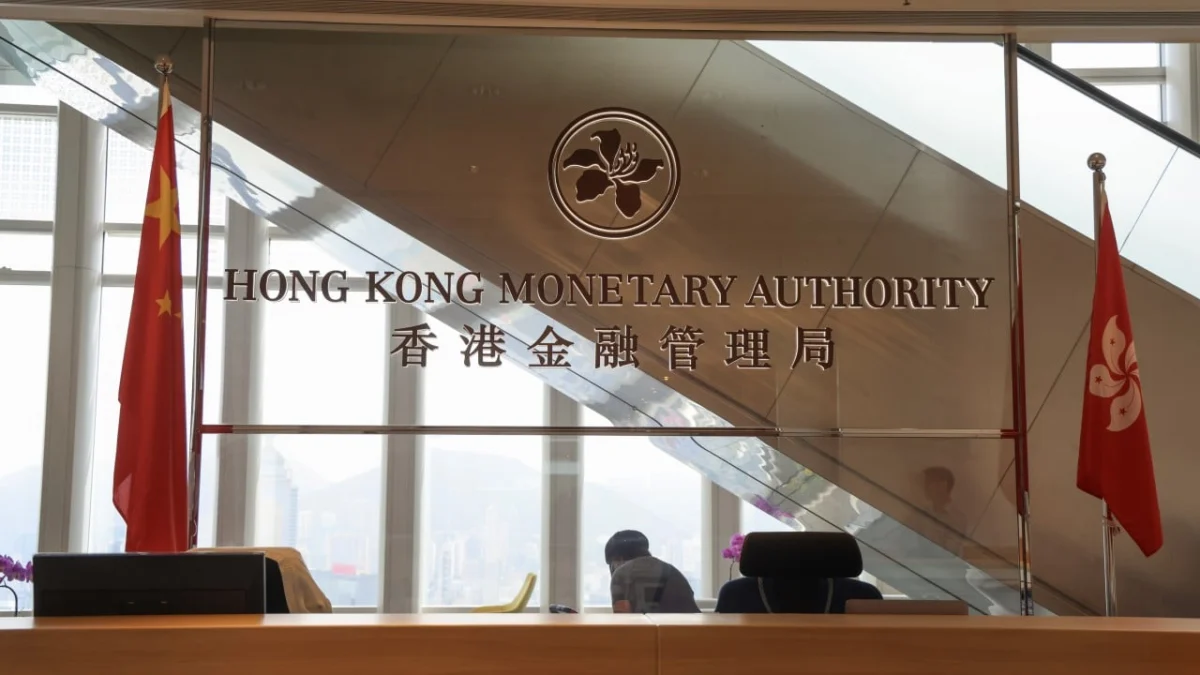
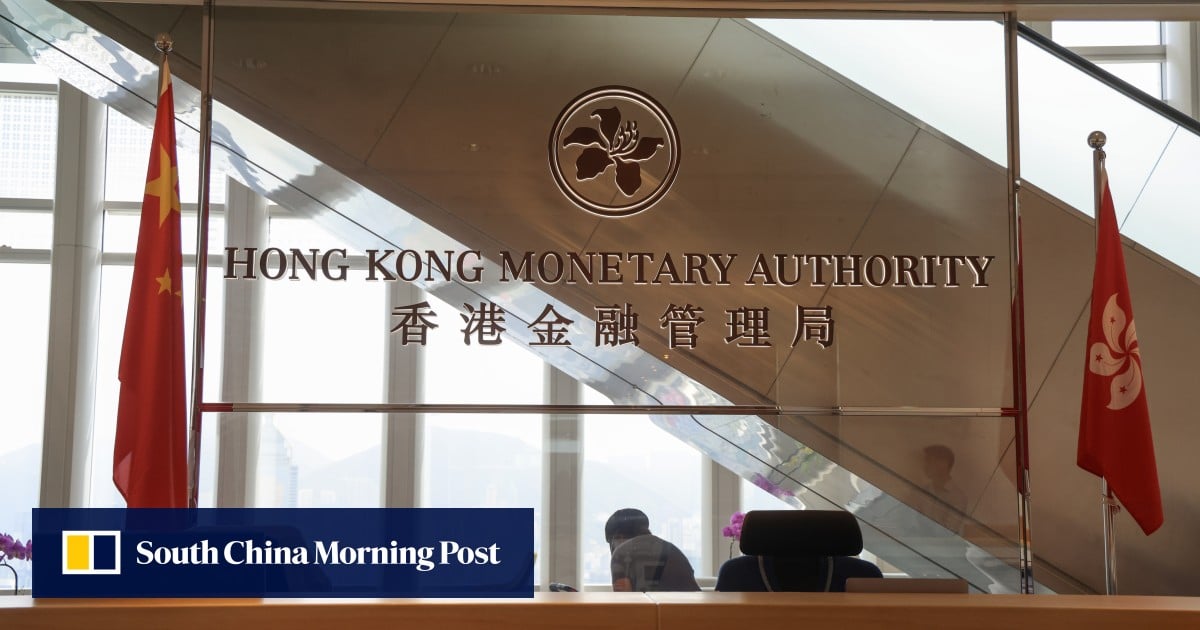
Hong Kong’s banking sector is currently in the nascent phases of developing robust defenses against the potential cybersecurity threats posed by the advent of quantum computing. This assessment comes from the Hong Kong Monetary Authority (HKMA), the city’s de facto central bank, which announced on Monday the launch of a new benchmark designed to systematically track the financial industry’s preparedness for this emerging technological challenge. The inaugural Quantum Preparedness Index (QPI) assigned the sector a score of 2.3 out of a possible 10, a figure that underscores the significant groundwork still required before full readiness can be achieved, with a regulatory target set for this transition to be substantially complete by 2030.
Quantum Computing: A Looming Cybersecurity Frontier
The development of quantum computers represents a paradigm shift in computational power, with the potential to solve complex problems that are currently intractable for even the most powerful classical computers. While this holds immense promise for scientific research, drug discovery, and advanced materials science, it also casts a long shadow over current cybersecurity infrastructure. The algorithms that underpin modern digital security, particularly asymmetric encryption methods like RSA and Elliptic Curve Cryptography (ECC), which are crucial for securing online transactions, sensitive data transmission, and digital signatures, are vulnerable to the processing capabilities of future quantum machines. Shor’s algorithm, for instance, can efficiently factor large numbers, thereby undermining the mathematical foundations of RSA encryption. Similarly, Grover’s algorithm can significantly speed up the search for a key in symmetric encryption, albeit to a lesser extent than Shor’s impact on asymmetric methods.
This impending threat necessitates a proactive and strategic transition to Post-Quantum Cryptography (PQC). PQC refers to cryptographic algorithms that are designed to be resistant to attacks from both classical and quantum computers. The global cybersecurity community, including national governments and international standards bodies like the U.S. National Institute of Standards and Technology (NIST), has been actively engaged in researching, standardizing, and preparing for the deployment of these new cryptographic suites. The urgency stems from the concept of "harvest now, decrypt later," where malicious actors could potentially capture encrypted data today and store it, intending to decrypt it once sufficiently powerful quantum computers become available.
The Quantum Preparedness Index: A Snapshot of Readiness
The HKMA’s Quantum Preparedness Index (QPI) was developed following a comprehensive survey conducted among Hong Kong’s banking institutions earlier this year. The index evaluates preparedness across four key dimensions: awareness, planning, pilot projects, and operational readiness. The low score of 2.3 signifies that while a majority of institutions have begun to acknowledge the quantum threat, the practical implementation of mitigation strategies remains in its infancy.
Awareness: The First Step Towards Preparedness
The survey revealed that 68% of banks have initiated preparations by focusing on raising internal awareness about quantum computing’s implications and developing preliminary plans. This suggests that the message from regulators and the broader cybersecurity discourse is beginning to resonate within the industry. However, the remaining 32% of banks have yet to take any discernible steps, highlighting a significant gap in foundational understanding and engagement. This segment of the industry may be lagging due to a perceived lack of immediate threat, resource constraints, or insufficient executive-level understanding of the long-term risks.
Planning and Pilot Projects: Laying the Groundwork
A critical finding of the QPI survey is the nascent stage of strategic planning. Approximately half of the surveyed banks reported having no formal roadmap for the adoption of PQC. This lack of a defined strategy poses a significant hurdle, as migrating to new cryptographic standards is a complex, multi-year undertaking that requires meticulous planning, extensive testing, and careful integration into existing IT infrastructure. The transition will involve not only updating cryptographic algorithms but also potentially redesigning systems and protocols that rely on them, impacting everything from secure communication channels to data storage and authentication mechanisms.
Despite the challenges in formal planning, there are indications of growing momentum. Around half of the banks surveyed reported that quantum computing had been a topic of discussion at the board level. This executive-level engagement is crucial for driving the necessary investment and organizational commitment required for a successful transition. Furthermore, about a third of institutions have begun exploring or testing quantum-related applications and PQC solutions. These pilot projects, though often in their early stages, are vital for gaining practical experience, identifying potential challenges, and understanding the performance implications of PQC algorithms in real-world scenarios.
The HKMA’s Strategic Vision and Timeline
The HKMA’s ambitious target of achieving a full readiness score of 10 by 2030 underscores the urgency and the scale of the task ahead. This timeline, while seemingly distant, aligns with projections from various cybersecurity experts and research institutions regarding the potential emergence of cryptographically relevant quantum computers. The HKMA’s role as a proactive regulator is critical in guiding the industry through this complex transition.
The QPI as a Catalyst for Action
The introduction of the QPI serves as a powerful tool for the HKMA to monitor progress, identify lagging institutions, and tailor its guidance and support accordingly. By establishing a quantifiable measure of preparedness, the Authority can foster a competitive environment among banks to enhance their quantum readiness, encouraging best practices and knowledge sharing. The index will likely be updated periodically, providing a clear indication of the sector’s trajectory and allowing for timely interventions if progress falters.
Broader Implications for Hong Kong’s Financial Ecosystem
The implications of quantum computing extend beyond individual banks. Hong Kong’s position as a global financial hub relies heavily on the security and trustworthiness of its financial infrastructure. A failure to adequately prepare for quantum threats could undermine this reputation, potentially leading to a loss of confidence from international investors and businesses. The HKMA’s initiative is therefore not only about protecting individual institutions but also about safeguarding the integrity and competitiveness of Hong Kong’s entire financial ecosystem.
Challenges and Future Outlook
The path to quantum readiness is fraught with challenges. These include:
- Technical Complexity: Implementing PQC involves significant technical expertise and may require substantial upgrades to existing IT systems. The performance characteristics of some PQC algorithms, such as larger key sizes or slower processing speeds, could also pose integration challenges.
- Cost of Transition: The migration to PQC will necessitate considerable investment in research, development, hardware, software, and training. Banks will need to allocate substantial budgets to ensure a smooth and secure transition.
- Talent Shortage: There is a global shortage of cybersecurity professionals with expertise in quantum computing and cryptography. Hong Kong’s financial sector will need to invest in training and recruitment to build the necessary talent pool.
- Standardization and Interoperability: While NIST and other bodies are making progress in standardizing PQC algorithms, the landscape is still evolving. Ensuring interoperability between different systems and standards will be a key challenge.
- Regulatory Harmonization: As quantum threats are global, international collaboration and harmonization of regulatory approaches to PQC adoption will be crucial to avoid fragmentation and ensure a cohesive global cybersecurity posture.
The HKMA’s proactive stance, underscored by the introduction of the QPI, is a commendable step in addressing the looming quantum threat. However, the low initial score serves as a stark reminder that the journey ahead requires sustained effort, significant investment, and collaborative action from all stakeholders within Hong Kong’s financial industry. The next few years will be critical in determining whether the sector can effectively navigate the transition to the quantum era, ensuring the continued security and resilience of its digital infrastructure. The success of this initiative will not only depend on the banks’ commitment but also on the HKMA’s continued guidance, support, and potential regulatory measures to accelerate the adoption of quantum-resistant cryptography. The HKMA’s commitment to achieving full readiness by 2030 signals a clear intent to stay ahead of this evolving technological frontier, thereby reinforcing Hong Kong’s position as a secure and innovative global financial center.