Iran Escalates Use of Death Penalty Amid Rising Hostilities and Internal Repression Following Execution of Mehdi Khanaki
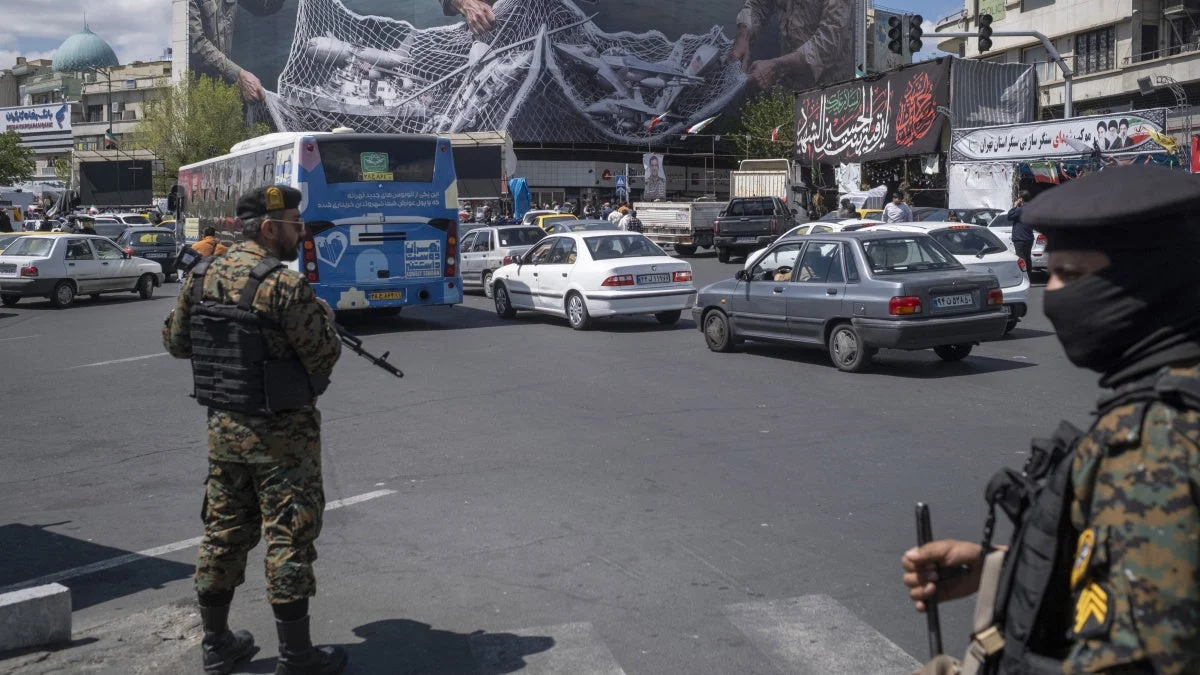
The execution of Mehdi Khanaki on July 22 marks a significant escalation in the Islamic Republic of Iran’s use of capital punishment as a tool of political suppression. Khanaki, a young man whose case has drawn international condemnation, became the 24th individual known to have been executed since March 18 in direct connection with the wave of protests that have swept the country. His death is not an isolated incident but rather part of a broader, systemic surge in the application of the death penalty against real and perceived dissidents. Human rights monitors report that in the last four months alone, at least 50 individuals have been put to death on vague national security charges, a figure that includes several teenagers aged 18 and 19. This trend underscores a hardening of the state’s judicial stance as it navigates a complex landscape of internal unrest and escalating international conflict.
Judicial Proceedings and International Legal Standards
The execution of Mehdi Khanaki and his contemporaries has been characterized by legal experts as "arbitrary" under the definitions established by international law. According to documentation from human rights organizations, the judicial proceedings leading to these executions are often extremely summary in nature, frequently lacking the fundamental safeguards required for a fair trial. In the current climate, the duration between an individual’s initial arrest and their eventual execution has narrowed significantly, often ranging between a mere three to six months. This accelerated timeline leaves little room for defense counsel to prepare cases, for the presentation of evidence, or for a meaningful appeals process.
Under the International Covenant on Civil and Political Rights (ICCPR), to which Iran is a state party, the death penalty may only be imposed for the "most serious crimes," typically interpreted as intentional killing. However, the Iranian judiciary continues to apply capital punishment for offenses that fall far below this threshold. Many of the recent executions are based on vaguely worded religious and security charges, such as "Moharebeh" (waging war against God), "Mofsed-e-filarz" (corruption on earth), and "Baghy" (armed rebellion). These charges are often applied to protesters, activists, and those accused of "espionage" or "collaboration with hostile states."
The legal framework for these actions was further solidified by the implementation of a new and controversial Espionage Law. This legislation has been utilized by authorities to broaden the definition of security threats, effectively criminalizing various forms of domestic dissent and international engagement. Observers note that the use of this law has intensified following the widespread civil unrest and the subsequent government response, which included the reported massacres of January 2026.
Chronology of Recent Escalations
The timeline of the current execution surge is closely tied to both internal political shifts and the deterioration of regional security. Following the massacres reported in January 2026, the Iranian state apparatus shifted toward a policy of maximum deterrence through judicial force.
- January 2026: Reports emerge of countrywide massacres as security forces move to suppress large-scale anti-government demonstrations.
- February 28, 2026: A primary school in Minab is struck by a military attack, resulting in the deaths of scores of children. While the exact origins of the strike remain a point of international contention, the event significantly heightened domestic tensions and international scrutiny.
- March 18, 2026: The current wave of protest-related executions officially begins, marking a shift toward the regular use of the gallows for those involved in the January unrest.
- Early July 2026: Hostilities between the United States and Iran resume, leading to a series of military exchanges and a further tightening of domestic security measures.
- July 22, 2026: The execution of Mehdi Khanaki is carried out, signaling that the judiciary will continue its path despite international calls for a moratorium.
This chronology suggests that the Iranian authorities are utilizing the cover of international conflict to settle domestic scores, viewing dissidents not as political opponents but as fifth-columnists working on behalf of foreign powers.
Statistical Overview and Demographic Impact
Data provided by human rights organizations, including Iran Human Rights (IHR) and the Center for Human Rights in Iran (CHRI), paint a harrowing picture of the scale of the crisis. Beyond the 50 confirmed executions in the last quarter, scores of protesters remain on death row. In a single prison facility, it has been reported that over 70 individuals are currently awaiting the implementation of their death sentences.
The demographic data is equally concerning. The execution of 18- and 19-year-olds highlights a strategy of targeting the youth, who have been the primary drivers of the recent protest movements. Furthermore, a disproportionate number of those executed or facing capital charges belong to ethnic minority groups, including the Baluch, Kurds, and Arabs. These communities, which have long faced structural discrimination and economic marginalization, are often the first to feel the brunt of judicial severity. In provinces like Sistan and Baluchestan and Khuzestan, the execution rate is significantly higher than the national average relative to population size, suggesting a targeted approach to suppressing minority-led dissent.
Impact of Military Conflict on Prison Populations
The human rights crisis in Iran is being exacerbated by the ongoing military conflict. In southern Iran, military strikes targeting infrastructure have led to a collapse of essential services within the prison system. In Khuzestan, reports indicate that prisoners are facing life-threatening conditions due to prolonged water and electricity cuts. These outages are occurring during a period of extreme heat, with temperatures regularly exceeding 40 degrees Celsius (104 degrees Fahrenheit).
The destruction of civilian infrastructure, such as oil depots and power grids, has a ripple effect on the carceral system. Overcrowding, combined with a lack of ventilation and potable water, has turned many facilities into tinderboxes for disease and heatstroke. Human rights advocates argue that the failure to protect prisoners during an armed conflict is a violation of the laws of war, which mandate that even those in detention must be treated humanely and provided with the necessities for survival.
The situation is further complicated by political rhetoric from abroad. Recent threats by U.S. officials, including former President Donald Trump, to target Iranian infrastructure indispensable to civilian survival have heightened fears. Such actions, if carried out, would likely result in further deteriorating conditions for the thousands of prisoners held in facilities located near industrial or military hubs.
International and Domestic Reactions
The international community has responded with a mix of diplomatic condemnation and calls for targeted sanctions. United Nations special rapporteurs have repeatedly urged Iran to halt all executions and to align its judicial practices with international human rights standards. Countries with diplomatic missions still active in Tehran have been pressured by human rights groups to send observers to capital trials, though such requests are rarely granted by the Iranian judiciary.
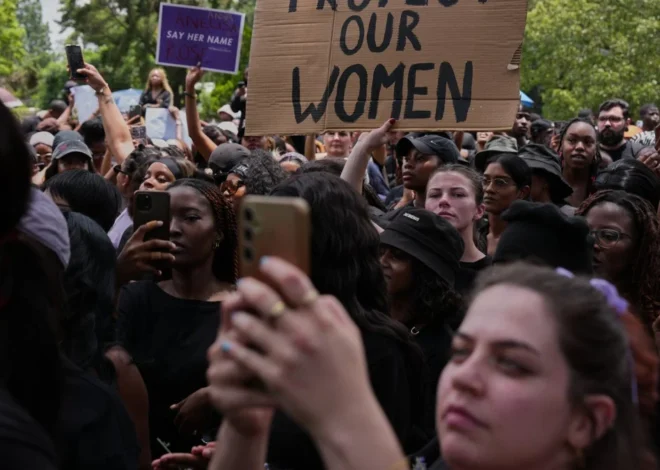
Domestically, the executions have served as a catalyst for further anger, though the threat of the gallows has made public demonstrations increasingly dangerous. Families of those on death row have formed informal networks to share information and advocate for their loved ones, often at great personal risk. Statements from these groups emphasize that the charges are fabricated and based on "confessions" extracted under torture or psychological duress.
Human rights organizations have issued a series of urgent recommendations:
- Immediate Moratorium: An immediate halt to all executions, particularly those related to political dissent and "vague" security charges.
- Unconditional Release: The release of all individuals arbitrarily detained for exercising their rights to free speech and assembly.
- Humanitarian Leave: The implementation of regulations allowing for the temporary or permanent release of prisoners on humanitarian grounds, especially in areas affected by military strikes and extreme weather.
- Diplomatic Pressure: Increased pressure from the international community to allow independent monitors access to Iranian prisons and courtrooms.
Analysis of Implications
The current trajectory of the Iranian judiciary has profound implications for the future of the country and the wider region. By utilizing the death penalty as a primary tool of governance, the state is effectively closing off all avenues for peaceful political reform. This "judicial wall" creates a cycle of violence: as the state increases its repression, the grievances of the population grow, potentially leading to more radicalized forms of domestic opposition.
Furthermore, the intersection of judicial repression and international military conflict creates a "perfect storm" for human rights atrocities. When a state perceives its survival to be at stake due to external threats, it often feels emboldened to commit internal abuses with impunity. The execution of Mehdi Khanaki is a stark reminder that in the absence of robust international intervention and a commitment to the rule of law, the most vulnerable members of society—the young, the marginalized, and the politically active—remain at extreme risk.
As the conflict with the United States continues to evolve, the plight of Iran’s prisoners and the use of the death penalty will likely remain a central point of contention. Whether through diplomatic negotiation or increased international legal pressure, the fate of the scores of individuals currently on death row depends on a fundamental shift in how the world engages with the Iranian state’s domestic human rights record. For now, the gallows remain active, and the list of those lost to "arbitrary execution" continues to grow.

Related Posts
Human Rights Watch Calls for Investigation into Death of Detainee Following Removal from Najaf Hospital by Iraqi Drug Police
Human Rights Watch Urges UN Security Council to Extend Lebanon Peacekeeping Mission Amid Escalating Conflict and Humanitarian Crisis