
One Dead, Sixteen Injured in Berlin Pride Attack as Manhunt Intensifies for Suspect with Islamist Links
A celebratory atmosphere at Berlin’s annual Christopher Street Day (CSD) Pride event on Saturday night, July 26, 2026, was shattered when a vehicle was deliberately driven into a large crowd, resulting in the death of one woman and injuries to sixteen others. German authorities have launched an intensive, city-wide manhunt for the suspect, identified as 21-year-old Abdul B., who is believed to have strong ties to Islamist extremist circles and remains at large. The incident has sent shockwaves across Germany and Europe, drawing widespread condemnation from political leaders who have denounced it as a heinous assault on fundamental democratic values.
Chronology of a Night of Terror and Tragedy
The devastating attack unfolded at approximately 22:00 local time (20:00 GMT) on Saturday evening. Hundreds of thousands of revelers had gathered in Berlin’s iconic Tiergarten park, near the historic Brandenburg Gate, for the annual CSD celebration, a vibrant parade and festival advocating for LGBTQ+ rights. It was at this moment that a white vehicle veered from the road and ploughed into the unsuspecting crowd. Initial reports indicated a scene of immense chaos and panic, with emergency services quickly overwhelmed by the scale of the unfolding tragedy.
The immediate aftermath saw a rapid and decisive response from event organisers. A performance that was underway was abruptly halted, and organisers took to the stage to advise the massive crowd that the event was over and to begin moving towards the designated exits. Simultaneously, the stark word ‘Evacuation’ was projected onto a large screen on the stage, underscoring the gravity of the situation. Unverified videos circulated on social media, capturing images of large crowds dispersing in distress as sirens wailed and emergency vehicles, including ambulances and police cars, raced to the scene.
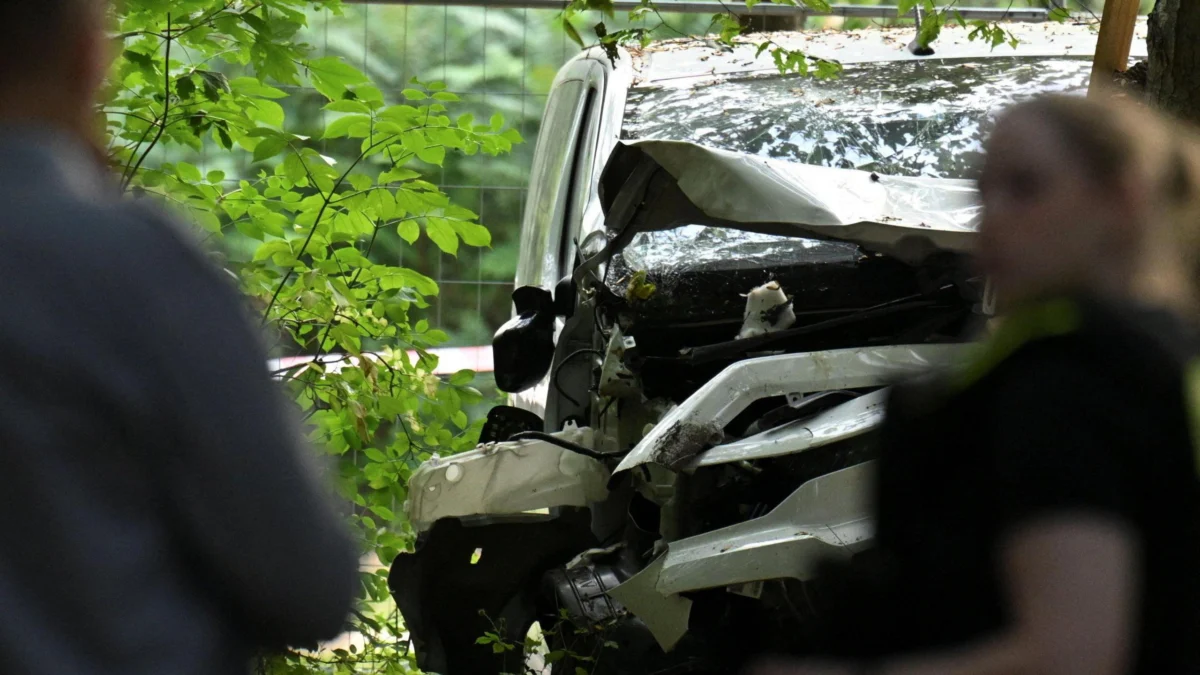
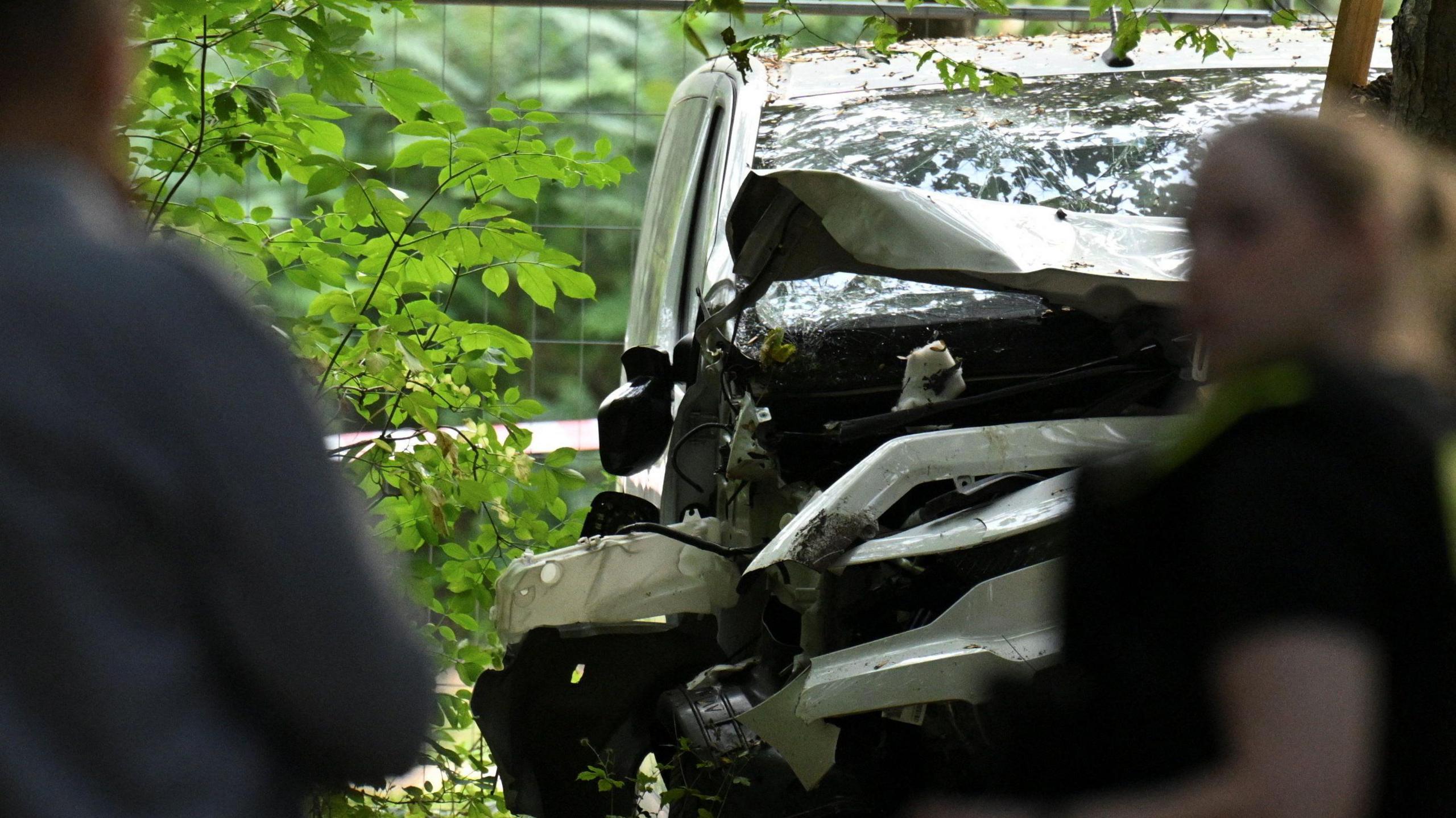
Adding to the horror, initial accounts from witnesses suggested that some individuals had also sustained stabbing injuries during the incident, raising the alarming possibility of multiple perpetrators or additional methods of attack. By approximately 01:00 local time on Sunday, Berlin police officially confirmed the grim toll: one woman had been killed, and sixteen others had suffered injuries, ranging in severity. A short time later, police located the white vehicle believed to have been used in the attack, abandoned after crashing into a tree within the park, providing crucial forensic evidence for the burgeoning investigation.
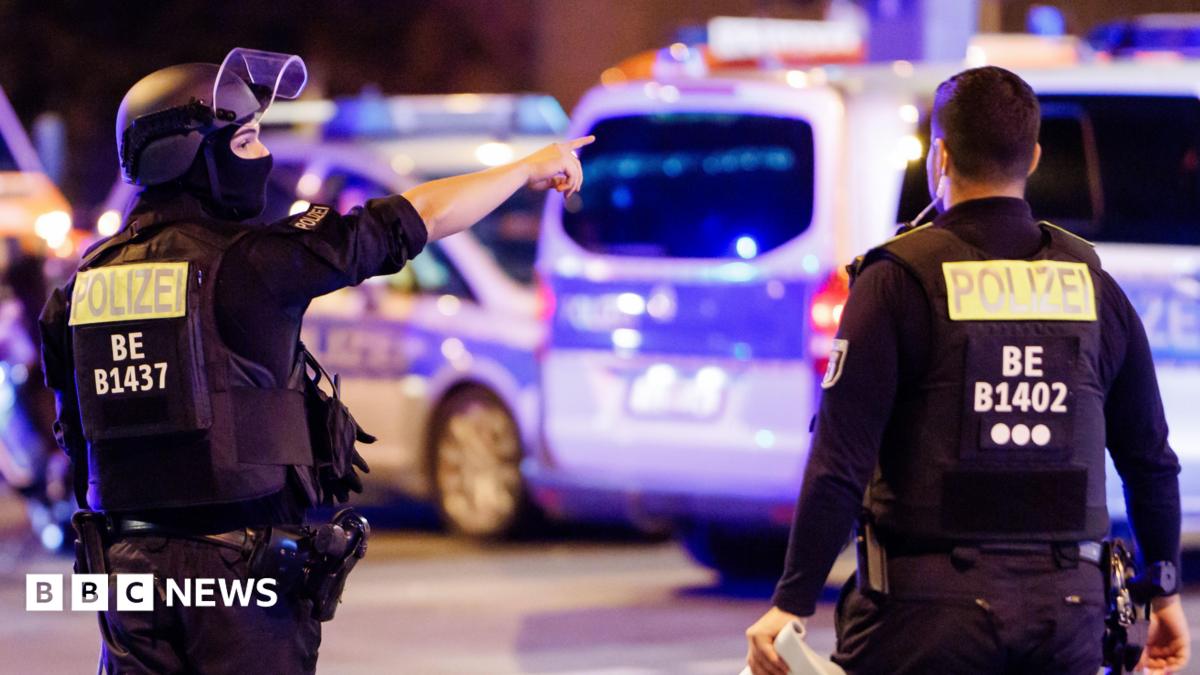
As the night progressed, the focus shifted to identifying and apprehending those responsible. At around 03:30 on Sunday, Berlin police made a significant announcement via social media platform X, stating that they had identified a suspect with Islamist links. However, at that early stage, no arrest had been made, nor had a definitive motive been publicly suggested. The manhunt rapidly escalated, expanding across the entire city, with thousands of police officers, including reinforcements from surrounding German states, mobilised to track down the assailant. Throughout Sunday, the intensive search continued, with police officers notably seen standing guard outside an apartment block in Berlin’s Tiergarten district, believed to be the suspect’s residence.
The Suspect: Abdul B. and His Troubling Background
The individual identified by Berlin police as the primary suspect is 21-year-old Abdul B. In accordance with German law, which prohibits the full naming of suspects at this preliminary stage of an investigation, his surname has been withheld from public release. However, authorities have been forthright about his known connections, stating unequivocally that Abdul B. is linked to Islamist circles.
German media outlets, citing police sources, have provided further troubling details about the suspect’s background, reporting that he is a known supporter of the Islamic State group (IS). These reports suggest that Abdul B. had previously attempted, albeit unsuccessfully, to join the notorious terrorist organisation, indicating a long-standing ideological commitment to extremist ideologies.
The suspect’s history with law enforcement is also coming to light. Police sources indicate that Abdul B. travelled to Lebanon in 2025. Upon his return to Berlin, he was arrested, presumably on charges related to his alleged extremist affiliations. He subsequently remained in pre-trial detention until May 2026. Crucially, as part of his release conditions or a broader rehabilitative effort, Abdul B. had reportedly been ordered to participate in a de-radicalisation programme. The fact that a suspect with such a history, undergoing a de-radicalisation programme, could allegedly carry out such a heinous attack raises profound questions about the effectiveness and oversight of such interventions within Germany’s security framework.
Abdul B. is believed to be directly connected to the vehicle found abandoned in Tiergarten park. However, complicating the investigation, police have also stated that one or more additional individuals may have fled the vehicle after the attack. This possibility is further supported by reports of victims suffering stabbing injuries, suggesting a multi-faceted assault that could involve more than just a vehicle ramming. The police statement explicitly noted that "several people are reported to have been injured with stabbing weapons in the attack, and that one or more people are believed to have fled the vehicle."
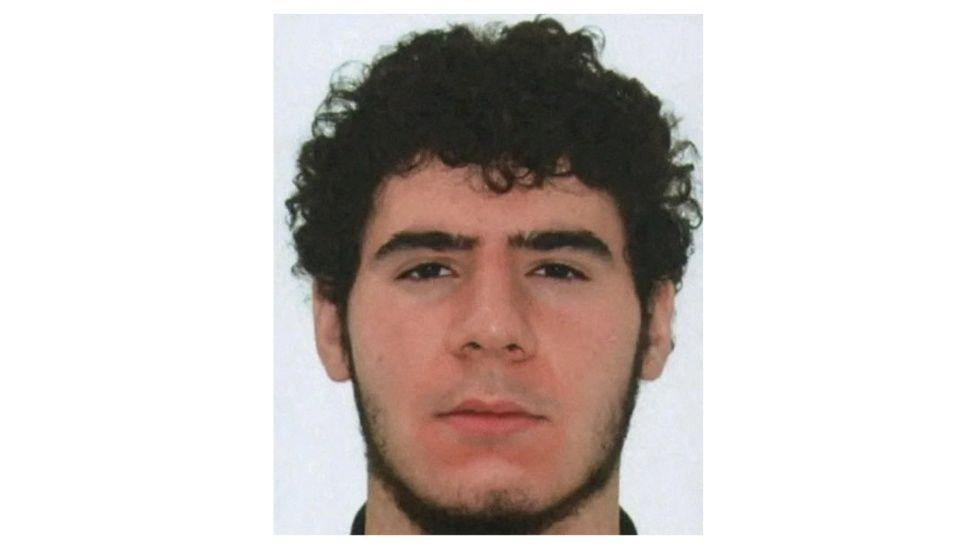
Authorities have released an image of Abdul B. to the public and have issued a stark warning: members of the public are urged to come forward with any information that could assist the investigation, but they have also been emphatically cautioned not to engage with the suspect, who is believed to be armed and dangerous. At the time of the attack, Abdul B. was described as being thin, approximately 6ft 2" tall, and was believed to be wearing a black hooded top and white trousers.
Christopher Street Day: A Beacon of Diversity Under Attack
The attack’s location, the Christopher Street Day (CSD) event in Berlin’s Tiergarten, holds immense symbolic significance. CSD is Germany’s equivalent of Pride, an annual celebration that commemorates the Stonewall Riots of 1969 and advocates for the rights, acceptance, and equality of lesbian, gay, bisexual, transgender, queer, intersex, and asexual (LGBTQIA+) individuals. Berlin’s CSD is one of the largest and most prominent Pride events in Europe, regularly drawing hundreds of thousands of participants and spectators from across Germany and beyond. It is a vibrant display of diversity, inclusion, and resilience, typically marked by colourful parades, music, speeches, and a palpable sense of community and liberation.
The route of the CSD parade often passes through highly symbolic areas of Berlin, including Tiergarten park, past the majestic Victory Column, and culminates near the iconic Brandenburg Gate. The attack took place specifically on Ahornsteig, a long path stretching across the park, much of which lies within a forested area, making it a particularly vulnerable spot for a vehicle to target a large gathering. The deliberate targeting of such a joyful and inclusive event, a celebration of human rights and identity, by an individual with alleged extremist ties, underscores the hateful nature of the act. It represents not merely an assault on individuals, but a direct attack on the core values of freedom, dignity, and equality that CSD embodies and that German society champions. The contrast between the festive atmosphere and the sudden, brutal violence serves as a stark reminder of the ongoing threats faced by marginalised communities and open societies.
A City on Edge: The Manhunt and Enhanced Security Measures
The scale of the ongoing manhunt for Abdul B. reflects the seriousness with which German authorities are treating this incident. Thousands of police officers from various units, including special forces and officers from neighbouring federal states, have been mobilised in a concerted effort to apprehend the suspect. The search area has been expanded to encompass the entire metropolitan area of Berlin, with heightened vigilance at transport hubs, borders, and public spaces.
Investigators are meticulously piecing together evidence from the crime scene in Tiergarten park, including forensic analysis of the abandoned vehicle, which is expected to yield crucial clues. Extensive use of CCTV footage from across the city, combined with countless witness statements, forms a central pillar of the investigation, aiming to reconstruct the suspect’s movements before, during, and after the attack. The challenge for law enforcement is immense: tracking down an individual described as armed and dangerous, who has demonstrated a willingness to inflict mass casualties, within a bustling urban environment.
Beyond the immediate hunt, the attack inevitably triggers broader discussions about security protocols for large-scale public events, particularly those that are open-air and attract vast crowds, such as festivals and parades. German authorities will likely review existing measures and consider implementing further enhancements, potentially including more robust physical barriers, increased surveillance, and a higher visible police presence. The incident serves as a grim reminder of the persistent threat of vehicle ramming attacks, a tactic frequently employed by extremist groups and individuals in recent years, necessitating constant adaptation and innovation in security strategies.
Unanimous Condemnation and International Solidarity
The attack has elicited a wave of condemnation from political leaders across Germany and Europe, united in their shock and grief. German Chancellor Friedrich Merz was swift to denounce the incident as a "heinous" attack not only on the victims but also on the fabric of German society itself. His statement underscored the nation’s resolve to defend its democratic values and protect its citizens from such acts of terror.
European Commission President Ursula von der Leyen expressed her profound sympathy for the victims, emphasising the fundamental principles that CSD represents. "The Pride event stands for freedom, dignity, and equality – the fundamental values of the EU," she wrote on social media, adding a powerful message of solidarity: "Every person should be able to live, love, and stand up for their rights without fear." Her words highlighted the European Union’s collective commitment to upholding human rights and resisting hate.
Leaders from neighbouring countries also voiced their outrage and support. Rob Jetten, the Prime Minister of the Netherlands, affirmed that the Dutch stand "shoulder to shoulder with our German neighbours," while Italy’s Prime Minister Giorgia Meloni conveyed her "solidarity and sincere sympathy." From the United Kingdom, Defence Secretary Wes Streeting called the incident "an absolutely horrific disaster," extending his thoughts and prayers to the German people. These unified international responses underscore the collective resolve among European nations to combat extremism and stand in solidarity with those affected by acts of terror, reinforcing a message of defiance against hatred and division.
Broader Implications: Extremism, Social Cohesion, and the Fight for Rights
The attack on Berlin Pride carries significant broader implications for Germany and the wider European context, touching upon issues of extremism, security, and social cohesion.
Firstly, the suspect’s alleged Islamist links place this incident within the ongoing challenge Germany faces from extremist ideologies. The country has a recent history of dealing with terrorist attacks, such as the 2016 Berlin Christmas market attack, which was also a vehicle ramming incident attributed to an Islamist extremist. This latest event reignites concerns about the effectiveness of intelligence services in monitoring individuals with known extremist ties and preventing them from acting on their radicalised beliefs. The fact that Abdul B. had reportedly undergone a de-radicalisation programme further complicates this narrative, prompting urgent questions about the efficacy and long-term success rates of such interventions. Are current programmes adequately equipped to genuinely alter extremist mindsets, or are there gaps in follow-up and oversight that allow individuals to revert to violent intentions?
Secondly, the specific targeting of a Pride event highlights the vulnerability of marginalised communities to hate-motivated violence. LGBTQIA+ individuals are often targets for extremist groups, whose ideologies frequently reject diversity and human rights. This attack, therefore, is not just a random act of violence but a deliberate assault on a community and the values it represents, aiming to sow fear and division. It reinforces the necessity for authorities to recognise and address the specific threats faced by different minority groups and to provide adequate protection for events that celebrate diversity and inclusion. The incident will undoubtedly prompt heightened anxieties within the LGBTQIA+ community, not just in Germany but globally, as they prepare for and participate in similar events.
Thirdly, the response to this attack will test the resilience and unity of German society. While political leaders have been quick to condemn the act and call for solidarity, such incidents can also be exploited to fuel xenophobia, anti-immigrant sentiment, or political polarisation. It is crucial for leaders and civil society to foster a narrative of unity, emphasizing shared values and collective defiance against hatred, rather than allowing divisions to deepen. The attack is a stark reminder that the fight against extremism is not solely a security challenge but also a societal one, requiring a commitment to inclusivity, education, and the continuous reinforcement of democratic principles.
Finally, the incident underscores the ongoing global struggle for human rights and the right to live without fear. The solidarity expressed by international leaders reinforces the idea that an attack on fundamental freedoms in one country is an attack on those freedoms everywhere. As the investigation continues and the city mourns, Berlin’s resolve to uphold its values of openness and tolerance will be paramount.
Police continue to appeal to the public for any information that could lead to the apprehension of Abdul B., reiterating the warning that he is considered armed and dangerous and should not be approached. The city of Berlin, still reeling from the shock, now grapples with the task of healing, seeking justice, and reaffirming its commitment to the principles of diversity and freedom that the Christopher Street Day event proudly embodies.

Related Posts
Zambia on Edge: Opposition Leader Arrested Amid Allegations of Insurrection Plot and Election Tensions
Rescuers search for survivors of powerful Indonesia earthquake

