Ukraine Intensifies Maritime Drone Campaign to Isolate Crimea and Disrupt Russian Naval Logistics in the Black Sea
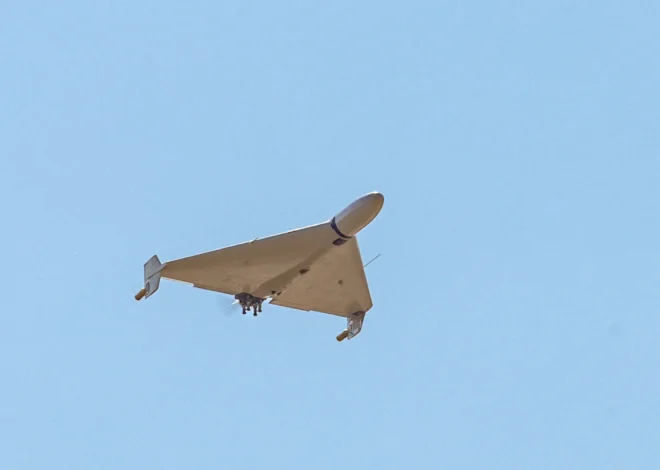
In the expansive, sun-bleached fields of southern Ukraine, a specialized unit of soldiers recently gathered around a sleek, slate-grey attack drone. Before the craft was launched toward its destination—the volatile waters of the Black Sea—the operators scrawled sardonic messages across its fuselage, a tradition among the front-line units engaged in one of the most high-stakes technological duels of the modern era. This scene, captured far behind the immediate front lines on the Ukrainian steppe, represents a critical pivot in Kyiv’s military strategy: a widening campaign specifically designed to isolate the Crimean Peninsula and systematically dismantle the logistical foundations of the Russian war effort.
Operating with increasing autonomy and range, these drone units have significantly altered the maritime landscape. Over the past three weeks alone, Ukrainian forces have reported strikes on more than 180 vessels and various sea-borne targets surrounding the peninsula. This surge in activity marks the opening of a formidable new front in a conflict that has now entered its fifth year of full-scale hostilities. What began as a defensive struggle for territorial integrity has evolved into a sophisticated campaign of attrition, with the Sea of Azov and the Black Sea serving as the primary theaters for this new phase of "deep-strike" operations.
Strategic Objectives and the Molochko Campaign
The current offensive, colloquially dubbed "Molochko" by Ukrainian military circles, carries a symbolic and literal weight. The name is a linguistic portmanteau that sounds like the Ukrainian word for "milk" but serves as an acronym for a phrase translating to "Moscow will collapse because of Crimea." The strategic intent is clear: by raising the cost of occupying the peninsula to an unsustainable level, Kyiv hopes to seize the initiative and force a Russian withdrawal or, at the very least, a significant reduction in their operational capacity in the south.
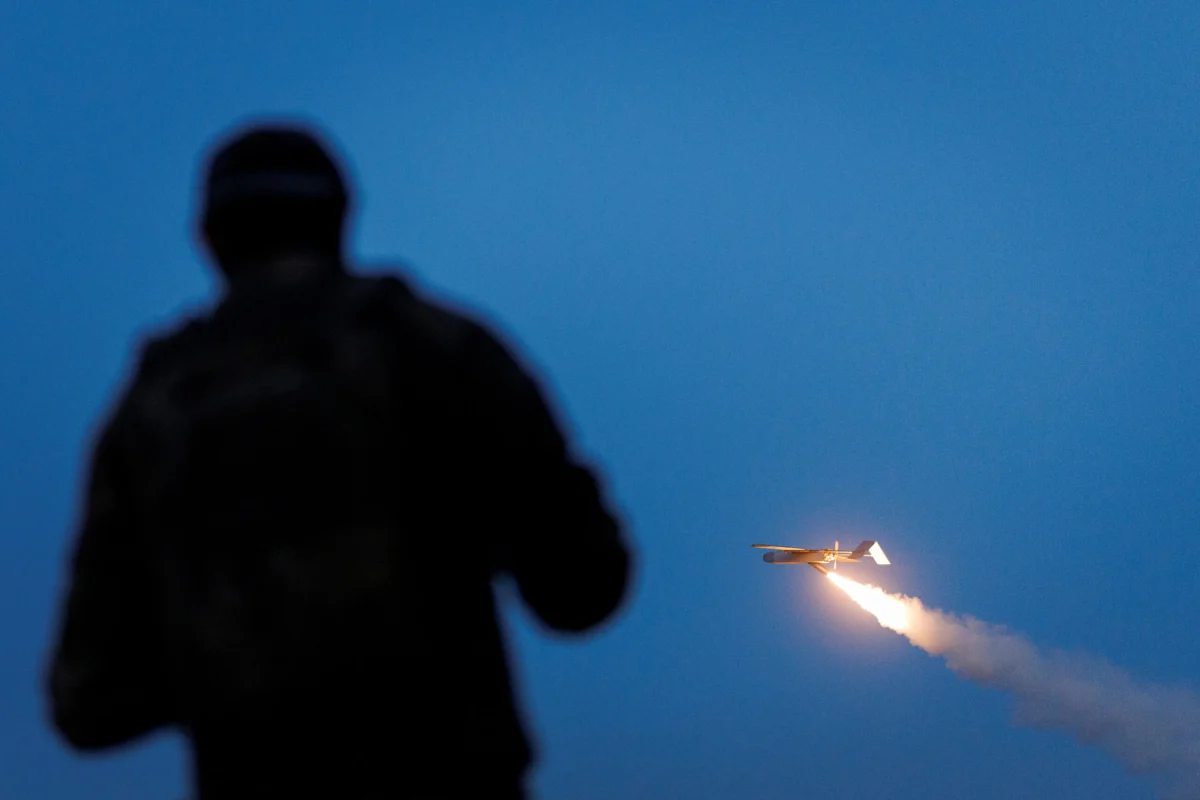
"We work day and night, every day, without time off," stated a battalion commander known by the call sign "Ray." Ray leads the Kairos battalion, a subset of the now-famed "Magyar’s Birds" brigade. This unit has become instrumental in the drone campaign, utilizing a combination of domestic innovation and daring battlefield tactics to strike targets that were previously considered out of reach. During recent operational observations, Ray’s team was seen launching drones at intervals of only a few minutes, demonstrating a high-tempo capability that keeps Russian air defenses in a state of constant, exhausting alert.
Recent reports from the unit indicate successful strikes on a variety of high-value targets, including a cargo vessel and a floating crane in the Black Sea, alongside a power substation located in southern Crimea. While these specific incidents remain difficult to verify independently due to the fog of war, the cumulative impact of such strikes is becoming evident in the shifting patterns of Russian maritime traffic and the state of emergency currently gripping parts of the occupied peninsula.
A Chronology of Escalation in the Maritime Domain
The transition to this high-intensity maritime campaign did not happen overnight. It is the result of a gradual escalation in capabilities and a shift in strategic focus that began in earnest during the summer of 2024 and reached its current fever pitch in July 2026.
- Early 2024 – Spring 2025: Ukraine focused primarily on land-based logistics, targeting rail lines and bridges in the "land bridge" connecting Russia to Crimea through occupied southern territories.
- Late 2025: The introduction of the FP-1 and FP-2 long-range drones allowed Ukrainian forces to extend their reach beyond the coastline, beginning the systematic harassment of the Russian Black Sea Fleet.
- July 2026: Launch of the concentrated "Molochko" phase. Drone forces under the command of Robert "Magyar" Brovdi reported hitting an average of six vessels per day.
- Mid-July 2026: Reports surfaced that the Kerch ferry crossing—a vital artery between eastern Crimea and the Russian Krasnodar region—had lost approximately 75% of its operational capacity due to consistent drone strikes.
- Late July 2026: Russia responded with intensified strikes on Odesa and other Ukrainian port cities, targeting grain infrastructure and international civilian vessels.
This timeline illustrates a shift from opportunistic strikes to a systematic campaign of maritime interdiction. By choking the Sea of Azov, which serves as a conduit for grain and fuel from Russia’s southern regions via the Don River, Ukraine is effectively placing a "siege" on the naval logistics that sustain the Russian presence in Crimea.
Technical Innovation: The FP-1 and FP-2 Drones
At the heart of this campaign are the Ukrainian-made FP-1 and FP-2 drones. These platforms represent a significant leap in domestic military manufacturing. Unlike smaller, short-range FPV (First Person View) drones used in trench warfare, the FP series are designed for deep-strike missions. They are launched using a small jet booster and a catapult system, allowing them to take off from makeshift sites deep within Ukrainian-held territory.
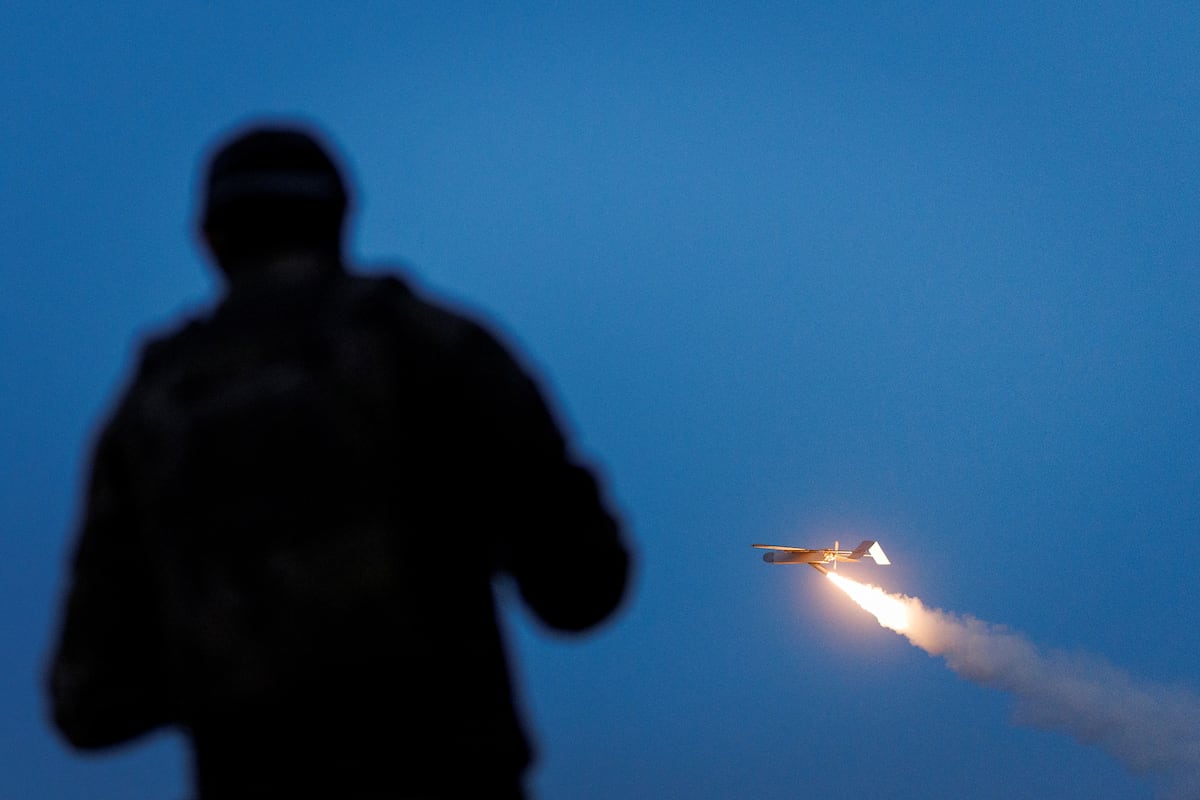
According to technical descriptions provided by the operators, these drones fly autonomously to a pre-designated operational zone. Once they reach the target area, pilots—who may be located hundreds of kilometers away—take manual control via satellite or high-frequency radio links to execute the final terminal dive. This "man-in-the-loop" system ensures high accuracy against moving targets like ships or cranes while allowing the launch teams to remain mobile and hidden.
"This is a constant war—a continuous struggle of measures and countermeasures," Ray explained. The launch teams never reuse a site, often moving to new locations on just a few hours’ notice to avoid being tracked by Russian electronic warfare units or counter-battery drones. Despite the technical advancements that allow for launches from over 100 kilometers behind the front lines, the crews remain high-priority targets for Russian forces.
Economic Warfare and the Battle for the Grain Corridor
The maritime conflict has profound implications beyond the immediate military theater, directly impacting global food security and Ukraine’s national economy. As Kyiv strikes Russian vessels, Moscow has retaliated by targeting the Odesa region and the maritime corridors used for agricultural exports.
In the first half of July 2026, the Ukrainian seaports authority reported that Russian forces struck Ukrainian ports 23 times and civilian vessels 17 times. One of the most tragic incidents occurred recently when a Guinea-Bissau-flagged vessel carrying corn was struck after departing Odesa, resulting in the deaths of 10 sailors. These attacks have forced many international shipowners to temporarily suspend vessel arrivals at Ukraine’s Black Sea ports, creating a significant logistical headache for a country that relies on agricultural exports for over 90% of its foreign currency earnings.
Russia maintains that its strikes are directed at "infrastructure storing military cargo and fuel," but the high toll on civilian sailors and grain silos suggests a broader strategy of economic strangulation. The battle for the Black Sea has thus become a dual-layered conflict: a military struggle for territorial control and an economic struggle for the right to use international shipping lanes.
Analysis of Implications and Strategic Outlook
The Royal United Services Institute (RUSI) in London has closely monitored the evolution of the Crimea campaign. Sidharth Kaushal, a senior fellow at the think tank, suggests that Ukraine’s focus on the Sea of Azov is a "logical continuation" of its previous efforts. "Ukrainian attacks on Russian overland logistics had led to an increase in shipping through the Sea of Azov, thus providing more sea-borne targets," Kaushal noted. By forcing Russia off the roads and onto the water, Ukraine created a target-rich environment for its burgeoning drone fleet.
The implications of this campaign are three-fold:
- Logistical Fragility: The reported 75% reduction in Kerch ferry capacity, combined with the ongoing "state of emergency" in Crimea regarding fuel and gas facilities, suggests that the peninsula is becoming a liability for Moscow rather than a fortress.
- Psychological Impact: Commander Robert "Magyar" Brovdi emphasizes that the attacks are aimed at "ruining the myth" of Russian naval domination. The ability of a nation without a traditional large-scale navy to neutralize a significant portion of a major power’s fleet using low-cost drones is a paradigm shift in naval warfare.
- Sustainability: While the current tempo of operations is high, maintaining it requires a constant supply of drones and trained pilots. As "Panama," a squadron commander in the Kairos battalion, noted: "It’s great that our tempo is so high, but we still need to sustain it."
As the conflict continues, the "Molochko" campaign represents Ukraine’s best hope for shifting the stalemate in the south. By systematically stripping away the layers of protection surrounding Crimea—first the bridges, then the power grids, and now the ships—Kyiv is attempting to make the Russian occupation of the peninsula physically and economically impossible. The grey drones flying over the Ukrainian steppe are no longer just tools of harassment; they are the primary instruments of a grand strategy intended to reshape the geography of the war.

Related Posts
Pentagon Forges Landmark Seven-Year Agreements with Boeing and RTX to Accelerate Standard Missile-3 Production and Stabilize Defense Supply Chains
Boeing Unveils Ultra Low-Cost Seeker to Enhance Missile Inventory and Combat Cost Challenges in Modern Warfare