Escalating Settler Violence and Military Operations in the West Bank: The Deadly July 24 Attacks on Tal Village and Their Broader Implications
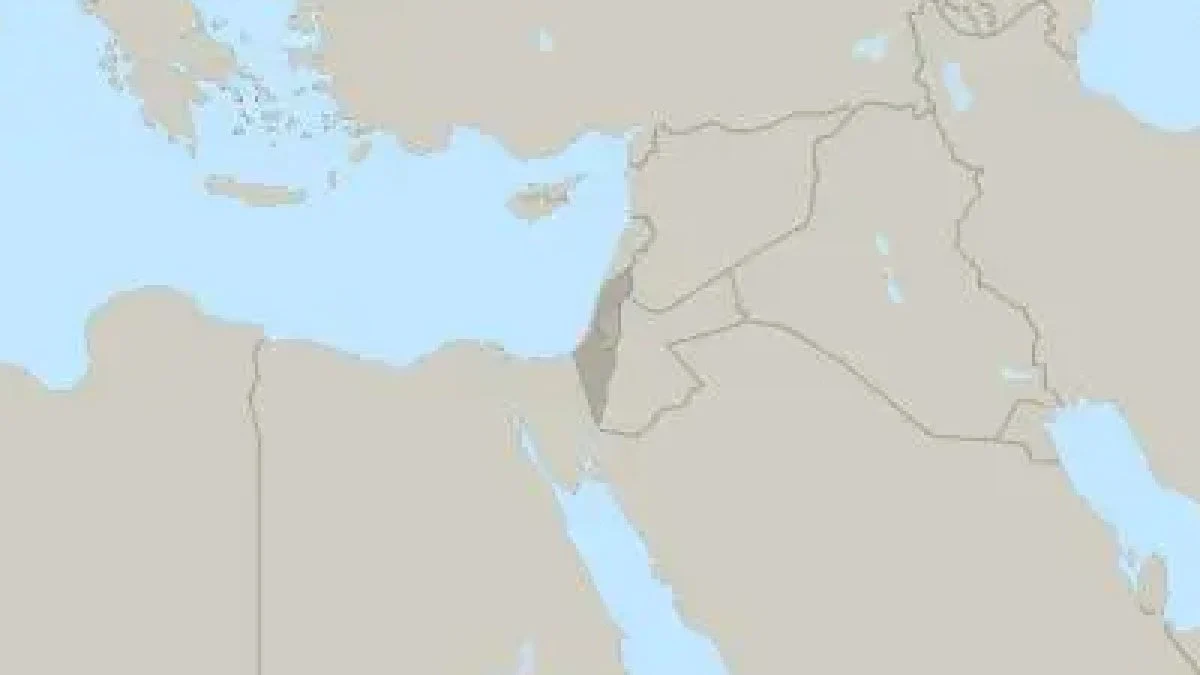
The West Bank village of Tal, located near the city of Nablus, became the site of significant bloodshed on July 24, 2026, following two successive attacks by Israeli settlers that resulted in the deaths of four Palestinians and two Israelis. Human Rights Watch (HRW) reported today that the incident has catalyzed a volatile sequence of events, including widespread reprisal attacks by settlers in neighboring Palestinian communities and the Israeli government’s subsequent announcement of a "major counterterrorism operation." The escalation has drawn sharp criticism from international observers and human rights advocates, who warn that the region is on the brink of a humanitarian catastrophe fueled by years of systemic impunity.
The violence in Tal marks a grim milestone in an already turbulent year. According to Sarah Sanbar, acting Israel and Palestine researcher at Human Rights Watch, the failure of the Israeli government to prevent the initial settler incursions has created a vacuum that is now being filled by escalating military action and retaliatory violence. Sanbar characterized the West Bank as a "powder keg," emphasizing that the lack of legal accountability for settler-led attacks has fostered an environment where such atrocities are not only possible but increasingly frequent.
Chronology of the July 24 Attacks
The events in Tal unfolded in two distinct phases during the early morning hours of July 24. Based on witness testimonies and the verification of six social media videos, Human Rights Watch has reconstructed the timeline of the morning’s violence.
The First Incursion (6:10 a.m. – 6:45 a.m.)
The initial confrontation began shortly after dawn when a group of approximately 40 to 50 settlers, which witnesses noted included children, approached Tal from the eastern perimeter. The group targeted four or five Palestinian residences, hurling stones and attempting to force entry into the homes. As residents mobilized to defend their property, a physical confrontation ensued. During this melee, an armed settler reportedly shot and wounded a Palestinian man. The settlers eventually retreated toward nearby outposts as more Palestinian residents arrived to assist the besieged families.
The Second Incursion and Fatal Escalation (7:15 a.m.)
Approximately thirty minutes after the initial retreat, the same group of settlers re-entered the village from the southwest. On this occasion, they were accompanied by uniformed Israeli soldiers. Mujahid Waleed, a local resident who witnessed the second wave, reported that the military presence did not serve to de-escalate the situation. Instead, Waleed observed that soldiers stood by as settlers resumed their attacks on Palestinians.
The situation turned lethal when a Palestinian man managed to disarm one of the settlers. According to witness accounts and verified video footage, the Palestinian man then opened fire toward the soldiers and settlers. The Israeli military responded with lethal force, killing the man at point-blank range. In the ensuing crossfire and chaos, three other unarmed Palestinians were shot and killed by a combination of settler and soldier gunfire.
The four Palestinian victims were later identified as members of the Ramadan family—two brothers and two cousins. On the Israeli side, the military confirmed the deaths of Benyahu Mellet, 32, a resident of the Havat Gilad settlement, and Major Yuval Ezra, 27, an active-duty soldier.
Statistical Context of West Bank Violence in 2026
The killings in Tal have significantly raised the death toll in the occupied West Bank. Since July 19 alone, ten Palestinians have been killed in various incidents across the territory. Data provided by the United Nations Office for the Coordination of Humanitarian Affairs (OCHA) reveals a disturbing trend of rising fatalities throughout 2026.
Prior to the Tal incident, OCHA reported that 68 Palestinians had been killed in the West Bank this year, with at least 13 of those deaths attributed directly to settler violence. Conversely, the Israeli side has seen at least 20 injuries in the West Bank as of mid-July.
The current surge in violence is part of a broader trajectory that began when the current Israeli government took office in October 2022. Human Rights Watch notes that settler violence saw a particularly sharp spike in March and April 2026, coinciding with the heightened regional tensions of the war between Israel, the United States, and Iran. This regional instability appears to have provided a domestic environment in the West Bank where settler groups feel emboldened to expand their footprint and engage in direct conflict with Palestinian civilians.
The Blurring Lines Between Settlers and the Military
A critical factor identified by Human Rights Watch and other NGOs like Yesh Din and Peace Now is the increasing "blurring of the line" between Israeli civilian settlers and the official military apparatus. Benyahu Mellet, one of the Israelis killed in the Tal clash, was identified as the head of the civil defense squad for the Havat Gilad settlement.
These civil defense squads were significantly expanded by the National Security Ministry following the events of October 7, 2023. These units are composed of settlers who are provided with military-grade weapons, uniforms, and special policing powers. Furthermore, the establishment of "regional defense battalions" within the IDF—specifically for settlers—has integrated ideological civilian populations directly into the security infrastructure of the West Bank. HRW argues that this integration ensures that settlers often operate with the financial, material, and legal backing of the state, leading to a breakdown in impartial law enforcement.
Official Israeli Government Reactions
The response from the Israeli leadership has been swift and focused on military expansion and settlement growth. Prime Minister Benjamin Netanyahu convened an emergency security meeting following the deaths of Mellet and Ezra, ordering the redeployment of five military battalions to the West Bank to conduct an "intensive counterterrorism operation."
Beyond military measures, the political response has signaled a shift toward further annexation of Palestinian land. Prime Minister Netanyahu announced plans to accelerate the regularization of illegal settler outposts. These outposts, which are considered illegal under both Israeli law and the Fourth Geneva Convention, are frequently the staging grounds for attacks on Palestinian villages.
Finance Minister Bezalel Smotrich went further, calling for the immediate establishment of a new settlement at the "Sela" outpost near Tal. Smotrich proposed a legal reclassification of the territory, moving it from Area B (which is under joint Israeli-Palestinian Authority security control) to Area C (which is under full Israeli control). This move would effectively strip the Palestinian Authority of its remaining jurisdiction in the area.
National Security Minister Itamar Ben-Gvir echoed these sentiments, suggesting that Palestinian villages in the West Bank should face the same level of destruction as Beit Hanoun in Gaza. He stated on social media that for "every Jew murdered," the Palestinian population must absorb the "loss of lands and homes."
Broader Impact and International Legal Implications
The calls for the destruction of villages have raised alarms among international legal experts. Minister Smotrich’s reference to making West Bank villages look like the "refugee camps in Nablus and Tulkarem" refers to a January 2025 military operation. A previous Human Rights Watch report found that the 2025 operation involved actions that amounted to war crimes, crimes against humanity, and ethnic cleansing.
The legal backdrop for these events is further complicated by the July 2024 advisory opinion from the International Court of Justice (ICJ). The World Court found that Israel’s occupation of Palestinian territory is unlawful and constitutes a breach of the prohibition against racial segregation and apartheid. The ICJ ruled that Israel is under an obligation to evacuate all settlers from the West Bank and East Jerusalem and to provide reparations to displaced Palestinians.
Despite these international rulings, the situation on the ground continues to deteriorate. Since the July 24 incident, the Palestinian news agency WAFA has reported a wave of reprisal attacks by settlers in villages surrounding Tal. These attacks have included arson, property damage, and physical assaults on residents, often occurring while military operations are underway in the same vicinity.
Recommendations for International Action
In light of the escalating violence, Human Rights Watch is urging concerned governments to move beyond verbal condemnations and implement concrete measures to prevent further atrocities. The organization has proposed several key actions for the international community:
- Targeted Sanctions: Imposing sanctions on individuals and entities implicated in grave human rights abuses and settler violence.
- Arms Embargo: Suspending the transfer of arms to Israel to prevent their use in violations of international humanitarian law.
- Trade Restrictions: Banning trade with illegal settlements and suspending preferential trade agreements that benefit the settlement economy.
- Legal Support: Supporting the International Criminal Court (ICC) in its ongoing investigations into the situation in Palestine and ensuring the execution of any issued arrest warrants.
The events in Tal village are viewed by many as a microcosm of the systemic issues plaguing the West Bank. Without a fundamental shift in the policy of impunity and a cessation of the expansionist agenda, Human Rights Watch warns that the cycle of violence will only intensify. "Governments need to act urgently," Sarah Sanbar concluded, "so that the Israeli government does not continue to act as if it has a green light to commit further atrocities."

Related Posts
Human Rights Watch Calls for Investigation into Death of Detainee Following Removal from Najaf Hospital by Iraqi Drug Police
Human Rights Watch Urges UN Security Council to Extend Lebanon Peacekeeping Mission Amid Escalating Conflict and Humanitarian Crisis