Hong Kong Trade Development Council Establishes New Office in Egypt to Deepen African Engagement Amidst Shifting Global Trade Dynamics
Hong Kong’s pivotal trade promotion body is strategically expanding its global reach with the establishment of a new office in Egypt within the next nine months. This move signals a significant recalibration of resources aimed at enhancing Hong Kong’s footprint across the African continent, while simultaneously adjusting strategies for traditional European markets as they navigate a period of slower growth. The Hong Kong Trade Development Council (HKTDC) Chairman, Frederick Ma Si-hang, announced this ambitious initiative, underscoring a proactive approach to identifying and capitalizing on emerging economic opportunities.
Strategic Pivot Towards African Markets
The decision to establish a physical presence in Egypt is driven by a clear recognition of the burgeoning potential within African economies. Ma Si-hang, a former Secretary for Commerce and Economic Development, articulated the rationale behind this strategic pivot. He highlighted that while established markets, particularly the United States, are experiencing subdued growth partly due to geopolitical complexities, the African continent presents substantial opportunities for trade and investment. This foresight is particularly pertinent following China’s recent expansion of its zero-tariff treatment to encompass 53 African nations in May, a move that significantly reduces trade barriers for goods originating from these countries. Notably, Eswatini, the sole African nation that officially recognizes Taiwan, was excluded from this preferential trade arrangement.
"China has scrapped its import tariffs for Africa, and its imports are no longer taxed. Although Hong Kong does not have a massive trade volume with them, we have seen its potential," Ma stated, providing a tangible measure of this potential by revealing that trade between Hong Kong and Africa reached US$6.53 billion in the previous year. This figure, while perhaps not representing the entirety of Hong Kong’s global trade, signifies a substantial and growing economic relationship. The HKTDC views its new Egyptian office as a crucial conduit to unlock further opportunities across the vast African market.
Egypt: A Gateway to the African Continent
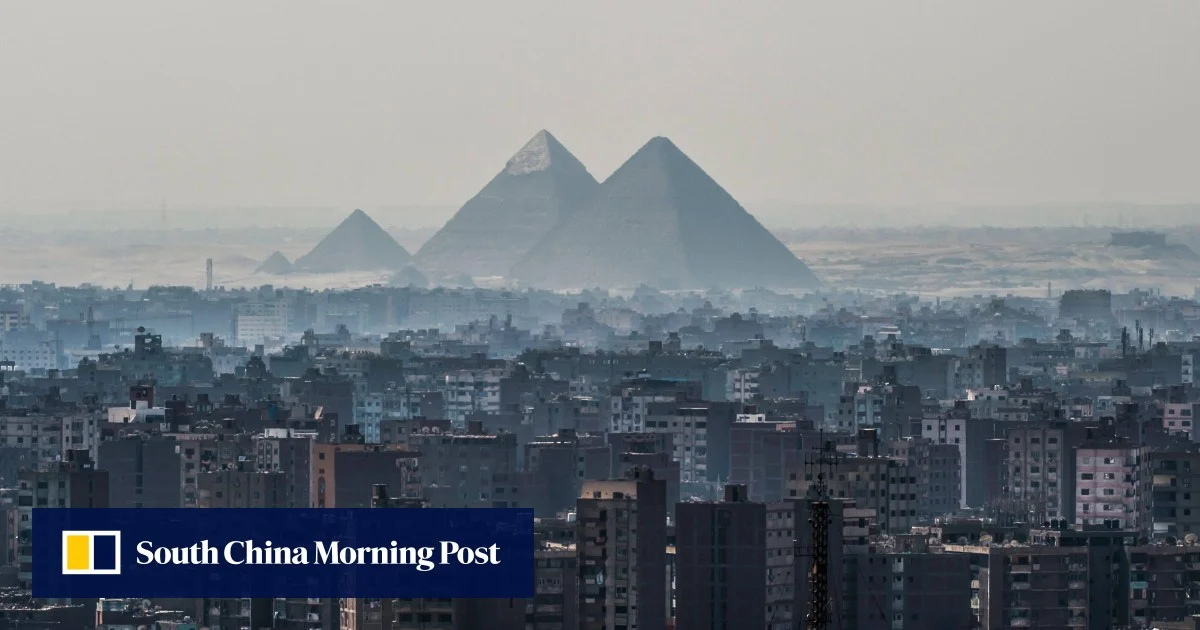
The selection of Egypt as the location for the new office is not arbitrary. Egypt’s strategic geographical position, bridging Africa and the Middle East, coupled with its robust infrastructure and burgeoning economy, makes it an ideal hub for regional expansion. Ma elaborated on the initial impetus for this decision, referencing a recent textile industry delegation’s visit to Egypt. "We hope our consultant office in Egypt can help open the African market. A textile industry delegation recently went to Egypt and told us about the country’s massive opportunities. Therefore, after our careful consideration, we will set up an office there in the coming six to nine months," he explained. This firsthand feedback from industry participants underscores the practical and commercially driven nature of the HKTDC’s strategic planning.
The establishment of the Cairo office will expand the HKTDC’s global network to 52 non-local centres, reinforcing its commitment to providing comprehensive support to Hong Kong businesses seeking to diversify their markets. Currently, the HKTDC operates two other consultant offices in Africa, located in South Africa and Kenya, demonstrating a gradual yet consistent build-up of its presence on the continent. This new Egyptian outpost will serve as a vital nexus for market intelligence, business matchmaking, and promotional activities across a wider swathe of North and Sub-Saharan Africa.
A Revamped Corporate Structure for Enhanced Support
In tandem with its geographical expansion, the HKTDC has also undertaken a significant revamp of its internal corporate structure. Chairman Frederick Ma Si-hang revealed that the organisation has reconfigured its approach to better assist companies in navigating the complexities of international trade and promotion. This restructuring involves the creation of six new industry clusters, each tasked with developing tailored promotional strategies for businesses operating within those sectors. This move reflects a deeper understanding of the diverse needs of different industries and aims to provide more specialized and effective support.
The six new industry clusters are designed to foster a more focused and agile approach to market development. These clusters are expected to cover key sectors such as innovation and technology, consumer goods, and professional services, among others. By organizing resources around these specific areas, the HKTDC can offer more targeted market insights, facilitate sector-specific networking events, and streamline the process of connecting Hong Kong businesses with potential partners and customers in new markets. This internal reform is seen as a critical component in ensuring that the HKTDC can effectively leverage its expanded global network to benefit its constituents.
Historical Context and Evolving Trade Landscape
The HKTDC’s strategic reorientation is not an isolated event but rather a response to broader shifts in the global economic and geopolitical landscape. For decades, Hong Kong has served as a vital gateway for international trade, particularly between mainland China and the rest of the world. Its strengths in finance, logistics, and professional services have underpinned its role as a global hub. However, the emergence of new economic powers, increasing protectionist sentiments in some traditional markets, and the rapid development of emerging economies have necessitated a dynamic and adaptive approach to trade promotion.
The HKTDC’s focus on Africa is also aligned with the global trend of increasing South-South trade and investment. As developing nations grow their economies and consumer bases, they become increasingly attractive markets for businesses from other developing regions. China’s Belt and Road Initiative, which has seen substantial investment in infrastructure across Africa, has further facilitated this trend, creating new trade routes and economic corridors. Hong Kong, with its established financial and trade expertise, is well-positioned to capitalize on these developments.
Supporting Data and Economic Indicators
The rationale behind the HKTDC’s move is further bolstered by economic data. Africa’s collective GDP has shown consistent growth over the past decade, with many countries experiencing rapid urbanization and a burgeoning middle class. According to the World Bank, Sub-Saharan Africa’s GDP is projected to grow by 3.7% in 2023 and 3.9% in 2024, driven by strong domestic demand, recovering commodity prices, and increased investment.
Furthermore, the African Continental Free Trade Area (AfCFTA), which officially commenced in January 2021, aims to create a single market for goods and services across the continent. Once fully implemented, it is expected to boost intra-African trade by 81% by 2050, creating a market of over 1.3 billion people with a combined GDP of US$3.4 trillion. This ambitious initiative represents a significant opportunity for businesses looking to access a large and integrated African market, and Hong Kong’s presence through its Egyptian office will be instrumental in helping local companies navigate this evolving landscape.
Complementary Efforts by InvestHK
The HKTDC’s strategic move is complemented by the efforts of InvestHK, Hong Kong’s dedicated investment promotion agency. Approximately 18 months prior to the HKTDC’s announcement, InvestHK also established an office in Cairo. This earlier establishment demonstrates a coordinated strategy by Hong Kong to strengthen its engagement with the Middle East and North Africa (MENA) region, with Egypt serving as a key focal point. The presence of both trade promotion and investment promotion agencies in Cairo signals a comprehensive approach to fostering economic ties, aiming to attract investment into Hong Kong while simultaneously supporting Hong Kong businesses in exploring new markets.
Implications for Hong Kong Businesses and the Global Trade Landscape
The HKTDC’s strategic expansion into Egypt and its intensified focus on Africa carry significant implications for Hong Kong businesses. It signals a proactive departure from an over-reliance on traditional, slower-growing markets and an embrace of the dynamism and potential of emerging economies. For Hong Kong companies, this means greater access to market intelligence, on-the-ground support, and networking opportunities within Africa. It could lead to increased export opportunities, new sourcing avenues, and potentially, investment partnerships.
Moreover, this strategic recalibration underscores Hong Kong’s continued relevance as a global trade hub, capable of adapting to evolving economic realities. By investing in new growth frontiers, the HKTDC is reinforcing Hong Kong’s position as a bridge between East and West, and increasingly, between the developed and developing world. The success of this initiative will likely be measured not only by the volume of trade generated but also by the depth of economic relationships forged and the long-term sustainability of Hong Kong’s engagement with the African continent. As the global trade landscape continues to shift, such strategic foresight and adaptability will be crucial for maintaining Hong Kong’s competitive edge and its role as a vital player in international commerce.