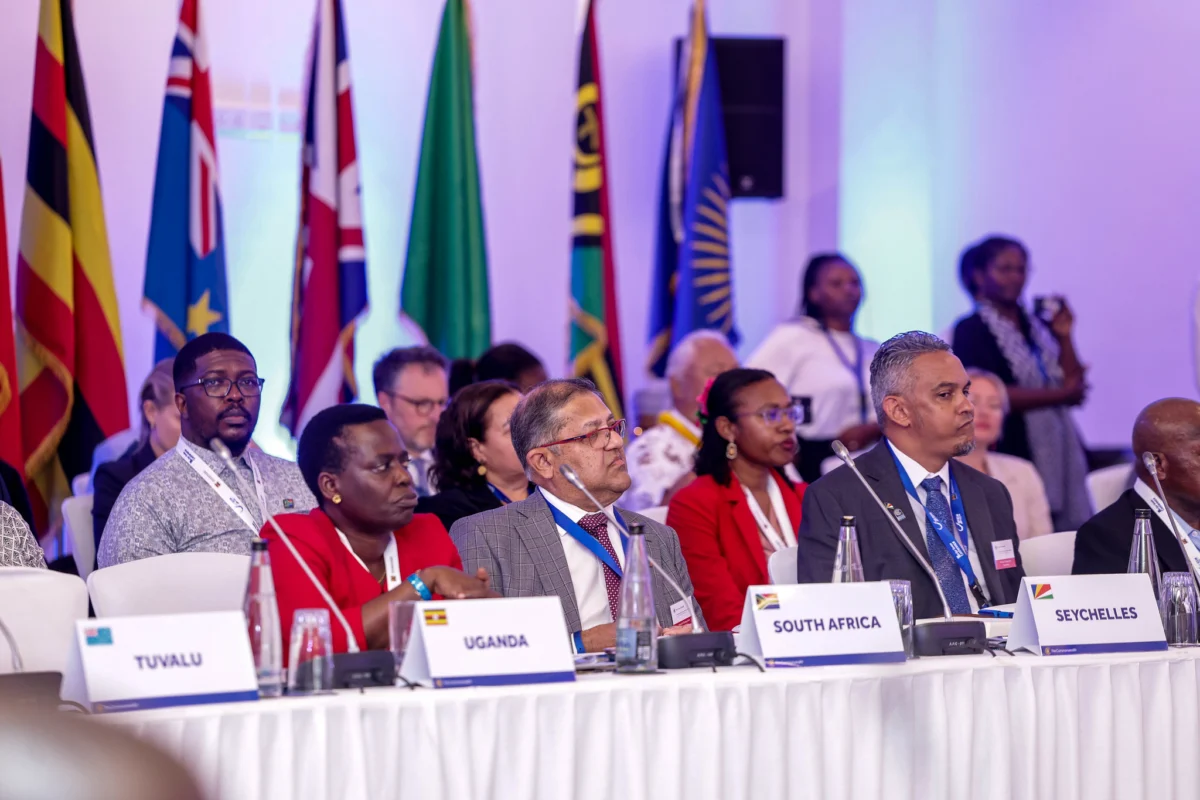
Global Leaders Pledge Billions to the Blue Economy as Civil Society Demands Greater Inclusivity for Coastal Communities at Mombasa Ocean Summit
The shores of the Indian Ocean in Mombasa, Kenya, served as the backdrop for a pivotal moment in international maritime policy this June 2026, as the Our Ocean Conference concluded with a series of landmark financial commitments and policy frameworks aimed at revolutionizing the "blue economy." Governments, private sector entities, and philanthropic organizations pledged billions of dollars toward the rapid expansion of offshore wind energy, the decarbonization of global shipping lanes, and the substantial increase of Marine Protected Areas (MPAs). However, as the delegates celebrated these financial milestones, a powerful counter-narrative emerged from civil society groups and grassroots organizations. These advocates warned that the transition to a sustainable ocean economy risks replicating the extractive and exclusionary patterns of the traditional fossil fuel-based economy unless fundamental changes are made to how these projects are designed, financed, and governed.
The Momentum of the Blue Economy in 2026
The concept of the blue economy—defined by the World Bank as the sustainable use of ocean resources for economic growth, improved livelihoods, and jobs while preserving the health of ocean ecosystems—has moved from the periphery of climate discussions to the center of national strategies. At the Mombasa summit, the focus shifted from theoretical conservation to industrial-scale implementation. The "Our Ocean Commitments Report" released during the conference detailed over $16 billion in new pledges, with a significant portion earmarked for the Global South.
The primary drivers of this investment surge are twofold: the urgent need for renewable energy and the necessity of meeting international biodiversity targets. Offshore wind, in particular, has seen a massive uptick in interest as coastal nations seek to meet their Nationally Determined Contributions (NDCs) under the Paris Agreement. Concurrently, the global "30 by 30" initiative—a goal to protect 30% of the world’s oceans by 2030—is driving a rush to establish MPAs. While these goals are environmentally laudable, the speed and scale of the proposed developments have sparked significant concern among those whose lives are most intimately tied to the sea.
A Chronology of Marine Governance: From Panama to Mombasa
To understand the tensions present in Mombasa, one must look at the trajectory of the Our Ocean Conference series over the past several years. The 2023 conference in Panama marked a turning point where the High Seas Treaty (BBNJ) began to take shape, emphasizing the legal framework for international waters. By the 2024 conference in Greece, the focus shifted toward the "Blue Mediterranean" and the transition of the tourism sector.
The 2025 gathering focused heavily on technological solutions, including satellite monitoring for illegal, unreported, and unregulated (IUU) fishing. The 2026 Mombasa summit, however, is the first to be held in East Africa, a region where the blue economy is not just an environmental goal but a critical component of national development and poverty alleviation. This geographical shift has brought the issue of "blue justice" to the forefront. For the first time in the conference’s history, the agenda explicitly included sessions on the rights of small-scale fishers and the role of indigenous knowledge in marine spatial planning.
The Warning from Civil Society: Inclusivity as a Prerequisite
Despite the optimistic atmosphere surrounding the funding announcements, civil society representatives argued that the current model of development is top-down and opaque. Neville van Rooy, a prominent advocate from The Green Connection in South Africa, emerged as a leading voice for coastal communities. His organization has been at the forefront of legal and social battles against offshore oil and gas exploration, as well as unplanned industrial developments that threaten the livelihoods of traditional fishing communities.
Van Rooy emphasized that coastal residents are often the last to know about major projects slated for their own backyards. In many instances, communities only become aware of offshore wind farms or new port developments when civil society groups alert them to government tenders or environmental impact assessment notices. This lack of transparency, van Rooy argued, undermines the legitimacy of the blue economy. He told delegates that the struggle for survival in these communities does not preclude them from having a sophisticated vision for their own development. Instead of being treated as obstacles to progress, these communities should be recognized as partners whose indigenous knowledge—often rooted in centuries of living in harmony with nature—is essential for the long-term success of any marine project.
Supporting Data: The Scale of the Transition
The scale of the investment discussed in Mombasa is unprecedented. Data from the 2026 Our Ocean Commitments Report indicates that:
- Offshore Wind: Over $7.5 billion has been pledged to develop offshore wind capacity in emerging markets, with a target of adding 15 gigawatts (GW) of capacity by 2032.
- Marine Protection: Approximately $3.2 billion is dedicated to the management and enforcement of MPAs, particularly in the Indian and Pacific Oceans.
- Green Shipping: $2.8 billion has been allocated for the development of "Green Shipping Corridors" and the retrofitting of vessels to run on ammonia or hydrogen fuels.
- Small-Scale Fisheries: In contrast, only $450 million was specifically earmarked for supporting small-scale, artisanal fisheries, which provide protein and income for hundreds of millions of people globally.
This disparity in funding reinforces the concerns raised by groups like The Green Connection. While industrial-scale projects receive the lion’s share of financing, the "human element" of the ocean economy remains underfunded. Furthermore, analysis by the African Development Bank suggests that while the blue economy could contribute $1.5 trillion to the global economy by 2030, the benefits are likely to be concentrated in the hands of multinational corporations and state-owned enterprises unless robust social safeguards are implemented.
Official Responses and the Funding Barrier
Government officials at the conference acknowledged the challenges but pointed to the immense "funding barrier" that persists. For many developing nations, the cost of capital for green infrastructure is prohibitively high. High interest rates and perceived risks often deter private investment in the Global South, leading governments to fast-track large-scale projects that can secure international financing, sometimes at the expense of thorough community consultation.
A spokesperson for the Kenyan Ministry of Mining, Blue Economy, and Maritime Affairs noted that the transition requires a "pragmatic balance." The ministry argued that without large-scale offshore energy and modernized shipping ports, coastal nations would remain vulnerable to the volatile prices of imported fossil fuels and the inefficiencies of outdated infrastructure. However, the spokesperson also conceded that the "Mombasa Declaration," the outcome document of the summit, would for the first time include language regarding "mandatory social impact assessments" and "community-led governance structures" for all projects receiving international blue economy funding.
The Role of Indigenous Knowledge and Local Sovereignty
A recurring theme in the discussions was the integration of indigenous knowledge systems. In many coastal regions of Africa and Asia, traditional governance structures have successfully managed marine resources for generations through seasonal closures and sacred sites. Civil society groups argue that these systems are more effective and cheaper to maintain than modern "top-down" enforcement mechanisms, which often rely on expensive technology and security forces.
The Green Connection and other NGOs presented a framework for "Development Pathways" that build on these existing systems. This approach advocates for "co-management" models where local communities have a legal seat at the table in the decision-making process. This is not merely a social courtesy; it is a strategic necessity. Experience in other sectors, such as land-based mining and forestry, has shown that projects which ignore local rights often face prolonged legal challenges, social unrest, and eventual failure, leading to "stranded assets."
Analysis: Implications for the Future of Ocean Governance
The 2026 Mombasa summit has clarified that the blue economy is no longer just an environmental niche; it is a major geopolitical and economic frontier. The implications of the decisions made this month will resonate for decades.
Firstly, the shift toward offshore wind and green shipping will require a massive overhaul of maritime law and port infrastructure. This presents an opportunity for developing nations to leapfrog older technologies, but it also risks creating new forms of debt and dependency if the financing is not structured fairly.
Secondly, the "30 by 30" goal will only be sustainable if the 30% of the ocean being protected does not result in the displacement of the very people who have protected it for centuries. "Blue grabbing"—the appropriation of marine space for conservation or industrial use at the expense of local people—has become a significant risk.
Finally, the success of the blue economy will depend on the "social license to operate." As Neville van Rooy and other activists have made clear, the billions of dollars pledged in Mombasa will only translate into true progress if they are accompanied by a commitment to inclusivity. The vision of a "harmony with nature" is not an idealistic dream but a practical blueprint for survival.
As the international community looks toward the next Our Ocean Conference, the focus must shift from the quantity of pledges to the quality of their implementation. The "Mombasa moment" will be remembered either as the point where the world finally got marine development right—by putting people at the center—or as another chapter in the history of industrial expansion at the cost of the marginalized. The choice, as the delegates left the shores of Kenya, remains in the hands of the governments and institutions that now hold the keys to the ocean’s future.

Related Posts
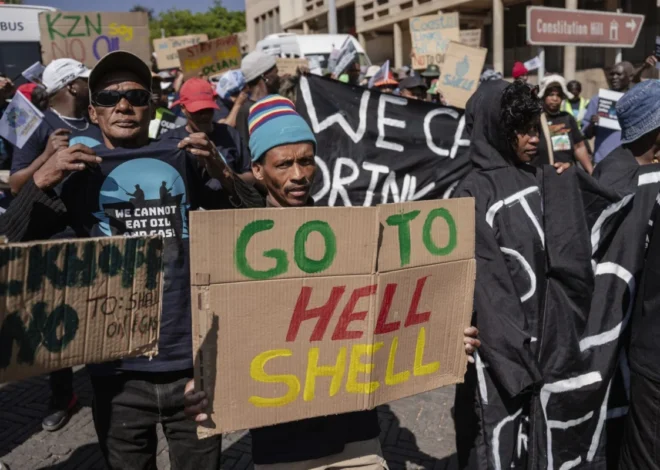
Constitutional Court of South Africa Bars Shell Oil Exploration in Landmark Victory for Environmental and Community Rights
The Battle for Saldanha Bay: South Africa’s Ambitious Ocean Economy Strategy Faces Legal and Environmental Reckoning