
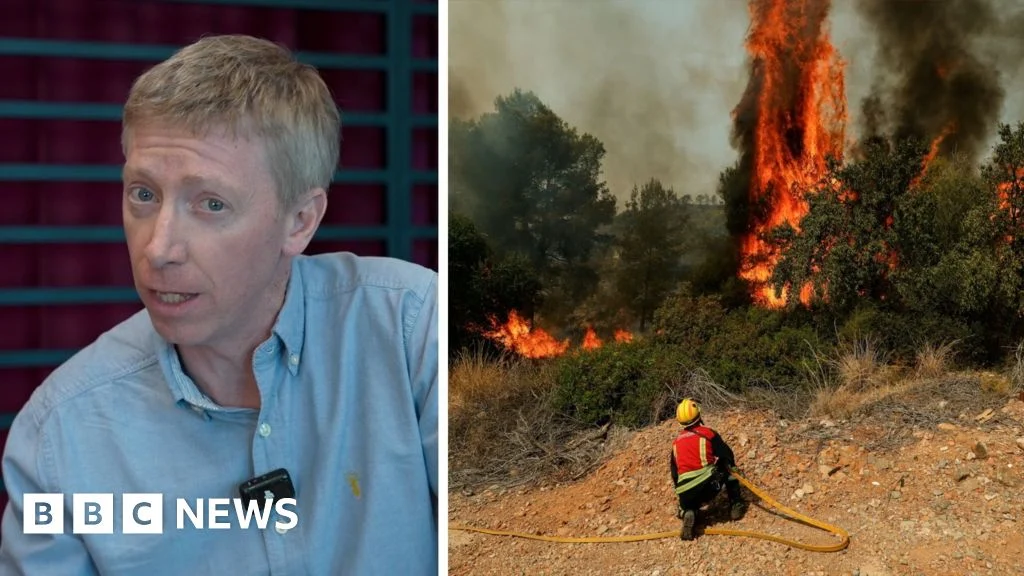
Wildfires: What you need to know for travel to France or Spain
Hundreds of thousands of people have been evacuated across France and Spain in recent weeks as a series of devastating wildfires, exacerbated by extreme heatwaves and prolonged drought conditions, have swept across vast swathes of both countries. The scale of the crisis has placed immense strain on emergency services, destroyed significant natural habitats, and severely impacted local communities and economies, prompting critical advice for international travellers planning trips to the affected regions.
The conflagrations, many of which began igniting in mid-July and intensified throughout late July and early August, have consumed tens of thousands of hectares of forest and scrubland. In France, the southwestern Gironde department has been particularly hard-hit, experiencing some of the most destructive fires in its recent history. Simultaneously, Spain has battled numerous large-scale blazes from its southern regions of Andalusia and Extremadura to the northwestern Galicia and the northeastern Catalonia, forcing mass evacuations and the deployment of thousands of firefighters.
The Unfolding Crisis: A Chronology of Devastation
The current wave of wildfires did not erupt in isolation but rather escalated from an already challenging summer. Southern Europe has been grappling with unusually high temperatures and a severe lack of rainfall since spring, creating tinder-dry conditions across the landscape.
- Early to Mid-July: Initial significant outbreaks began to emerge. In France, fires in the Gironde region near Landiras and La Teste-de-Buch first gained national attention, quickly burning through thousands of hectares of pine forest. Authorities swiftly implemented initial evacuation orders for thousands of residents and holidaymakers, particularly from popular campsites near the Arcachon basin. Spain also saw early, major fires in regions like Extremadura and Castilla y León, which required significant aerial and ground resources.
- Late July: A renewed and more intense heatwave swept across the Iberian Peninsula and into France, pushing temperatures well above 40°C (104°F) in many areas, and in some cases, exceeding 45°C (113°F). This period saw a dramatic resurgence and expansion of existing fires, as well as the ignition of new ones. In Gironde, after a brief period of containment, strong winds and extreme heat caused several fires to reignite or spread rapidly, leading to fresh evacuation orders for an additional 10,000 to 20,000 people. Similarly, in Spain, fires in Galicia, Andalusia (especially the Sierra Bermeja area), and Catalonia flared up, threatening national parks and residential areas.
- Early August: The battle continued with little respite. While some fires were brought under control, new outbreaks or reactivations occurred. The sheer number and intensity of the blazes stretched resources thin, necessitating international assistance. Firefighters from Germany, Poland, Austria, and Romania, along with specialist equipment, were deployed to France as part of the EU Civil Protection Mechanism, highlighting the cross-border severity of the crisis. Spain, too, received aid and reciprocated support where possible, illustrating the collective European challenge posed by climate-driven disasters.
Regions Ravaged: France and Spain on High Alert
The geographical scope of the wildfires underscores the widespread nature of the emergency.
In France, the southwestern region, particularly the Gironde department, has been at the epicentre of the crisis. Estimates indicate that over 20,000 hectares (approximately 50,000 acres) of forest have been consumed in Gironde alone, primarily around the towns of Landiras and La Teste-de-Buch. The fires have necessitated the evacuation of more than 40,000 people from homes, campsites, and tourist accommodations. The dense pine forests, cultivated for timber, provide abundant fuel, allowing fires to spread with frightening speed, especially when fanned by strong winds from the Atlantic. Other regions, including the Bouches-du-Rhône department in Provence-Alpes-Côte d’Azur and parts of Brittany, have also seen significant fires, albeit on a smaller scale than in the southwest.
In Spain, the situation has been even more extensive in terms of total area burned. By early August, more than 200,000 hectares (approximately 494,000 acres) had been destroyed across the country since the beginning of the year, making 2022 one of the worst wildfire years on record. Key affected regions include:
- Andalusia: Fires near Málaga, especially in the Sierra Bermeja mountain range, forced thousands from their homes and destroyed unique ecosystems.
- Extremadura: This western region, bordering Portugal, has been repeatedly hit by large fires, particularly in the Monfragüe National Park area, a UNESCO Biosphere Reserve, causing significant environmental concern.
- Castilla y León: Fires in the northwestern part of the region, including Zamora province, have burned vast agricultural and forest lands, displacing thousands.
- Galicia: The northwestern coastal region has also contended with multiple significant fires, challenging firefighting efforts due to rugged terrain and shifting winds.
- Catalonia: Areas near Tarragona and Lleida have experienced major blazes, threatening rural communities and natural parks.
The number of people evacuated in Spain has cumulatively surpassed 100,000 across these various outbreaks, with some residents facing multiple displacements as fires reignite or new threats emerge.
The Climate Connection: Heatwaves and Drought Fueling the Flames
The intensity and unprecedented scale of these wildfires are inextricably linked to the ongoing climate crisis. Both France and Spain have experienced multiple record-breaking heatwaves this summer, with July 2022 being one of the hottest on record globally. In many parts of these countries, temperatures have consistently hovered in the high 30s and low 40s Celsius for weeks, far exceeding seasonal averages.
This extreme heat has been compounded by a severe and prolonged drought. Rainfall deficits across much of southern Europe have been significant since winter, leading to extremely low soil moisture levels and parched vegetation. The combination of high temperatures, low humidity, strong winds, and abundant dry fuel creates a perfect storm for wildfires to ignite easily and spread uncontrollably. Scientists from institutions like the Copernicus Climate Change Service have highlighted that such extreme weather events are becoming more frequent and intense due to human-induced climate change, warning that without drastic reductions in greenhouse gas emissions, these conditions will worsen. The Mediterranean basin, in particular, is identified as a climate change hotspot, highly vulnerable to increased heat, drought, and desertification.
Official Responses and Emergency Operations
Governments in both France and Spain have mobilised extensive resources to combat the wildfires. In France, the Interior Ministry has overseen the deployment of over 3,000 firefighters, including national, departmental, and volunteer brigades, supported by dozens of aerial assets such as Canadair water bombers and firefighting helicopters. French President Emmanuel Macron acknowledged the "unprecedented" nature of the fires, thanking the "heroic" firefighters and pledging full government support for affected regions. Local authorities have also played a crucial role in coordinating evacuations and providing temporary shelter for displaced residents.
In Spain, the Ministry for the Ecological Transition and the Demographic Challenge, alongside regional governments, has coordinated the response. Spanish Prime Minister Pedro Sánchez has visited affected areas, expressing solidarity with victims and committing national resources. The Spanish Military Emergency Unit (UME) has been heavily involved, deploying thousands of personnel and specialized equipment to assist civilian firefighters. Both countries have activated the EU Civil Protection Mechanism, requesting and receiving international aid, showcasing a united European front against the escalating environmental challenge. These operations often involve complex logistical challenges, including protecting critical infrastructure, managing road closures, and ensuring the safety of both residents and emergency personnel.
Advisories for UK Travellers: Navigating Fire-Affected Zones
For UK travellers planning trips to France or Spain, the unfolding wildfire crisis necessitates careful planning and vigilance. The BBC’s cost of living correspondent, Kevin Peachey, has underscored the importance of proactive measures. His advice, echoed by travel industry experts, centres on staying informed and understanding one’s rights and responsibilities.
The primary recommendation for all UK travellers is to consistently monitor the latest travel advice issued by the Foreign, Commonwealth and Development Office (FCDO) website (www.gov.uk/foreign-travel-advice). The FCDO provides country-specific guidance, including alerts regarding natural disasters, safety and security concerns, and health information. If an area you plan to visit is under an FCDO advisory due to wildfires, it may impact your travel insurance validity.
Key considerations and actions for travellers include:
- Check FCDO Advice: Before and during your trip, regularly consult the FCDO website for France and Spain. This advice is constantly updated and may include specific warnings against travel to certain areas, or general guidance on heightened risks.
- Contact Your Tour Operator or Airline: If you have booked a package holiday, contact your tour operator immediately for updates and advice. They have a duty of care and may offer alternative destinations, refunds, or rescheduling if your trip is significantly affected. For independent travellers, check with your airline and accommodation providers regarding their policies on cancellations or changes due in the event of natural disasters. Many airlines and hotels are offering flexibility given the exceptional circumstances.
- Travel Insurance: Understand your travel insurance policy thoroughly. Standard policies often cover cancellations or curtailment due to natural disasters, but specific terms and conditions apply. If the FCDO advises against all but essential travel to your destination, your insurance policy may become invalid if you choose to travel against that advice. Contact your insurer to clarify coverage, especially concerning fire-related disruptions, medical emergencies, or evacuation costs.
- Local Information: While abroad, stay informed about local news and follow instructions from local authorities. Be aware of emergency service contact numbers (e.g., 112 in the EU).
- Flexibility and Contingency Planning: Be prepared for potential disruptions, including road closures, public transport cancellations, power outages, and even temporary evacuations. Have a contingency plan, including alternative routes or accommodation options, if necessary.
- Health Precautions: Wildfires can significantly impact air quality due to smoke. Individuals with respiratory conditions should take extra precautions, such as staying indoors or wearing appropriate masks if advised by local health authorities.
Travel companies, including major airlines and tour operators like TUI and Jet2, have publicly stated they are closely monitoring the situation and are in communication with customers whose bookings might be affected. Many are offering options for rebooking or refunds where flights or holidays are cancelled due due to fire-related risks.
Broader Implications: Environmental, Economic, and Social Impact
The ramifications of these wildfires extend far beyond immediate evacuations and travel disruptions.
- Environmental Impact: The destruction of tens of thousands of hectares of forests represents a catastrophic loss for biodiversity. Many affected areas are home to unique flora and fauna, including endangered species, whose habitats have been obliterated. The fires also release vast quantities of carbon dioxide into the atmosphere, contributing to climate change, creating a feedback loop. Soil erosion is another significant concern, particularly in mountainous regions, which can lead to landslides and flooding in future rainfall events.
- Economic Impact: Tourism, a vital industry for both France and Spain, particularly in their coastal and rural regions, has been severely hit. Holidaymakers have been forced to leave, and bookings have been cancelled, leading to substantial revenue losses for hotels, campsites, restaurants, and local businesses. Agriculture, including vineyards and olive groves, has also suffered direct damage. The costs of firefighting operations, rebuilding infrastructure, and providing aid to affected communities will amount to hundreds of millions of euros, placing a heavy burden on national and regional budgets. Insurance claims related to property damage and business interruption are also expected to surge.
- Social Impact: Beyond the immediate danger, the psychological toll on residents who have lost homes, livelihoods, or faced repeated evacuations is immense. Communities are grappling with displacement, uncertainty, and the daunting task of rebuilding. The fires also highlight issues of rural depopulation and the challenges of managing increasingly vulnerable forest landscapes.
Looking Ahead: Prevention and Adaptation Strategies
The recurring and escalating nature of these wildfires is prompting urgent calls for enhanced prevention and adaptation strategies. Experts advocate for more proactive forest management, including controlled burns, creating fire breaks, and promoting less flammable tree species. Investment in early detection systems, improved firefighting technologies, and greater international cooperation are also crucial.
Moreover, the crisis reinforces the need for robust climate change mitigation policies to reduce global temperatures and the frequency of extreme weather events. Both France and Spain, alongside the European Union, are expected to review and strengthen their climate resilience plans, focusing on protecting vulnerable populations and ecosystems from future, potentially even more severe, wildfire seasons. The experience of 2022 serves as a stark reminder that adaptation to a changing climate is no longer a distant prospect but an immediate necessity.

Related Posts
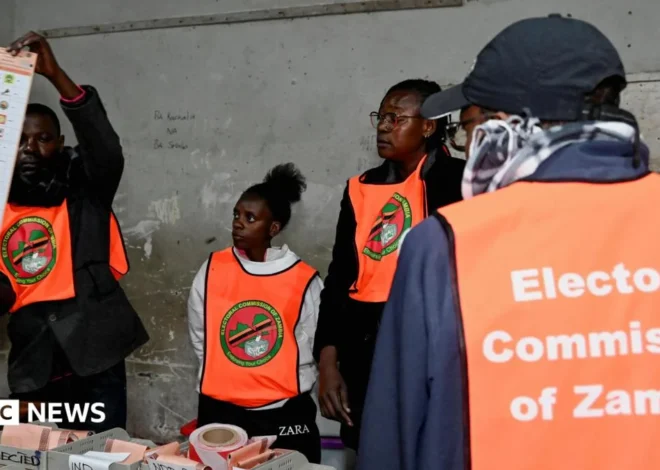
Zambia on Edge: Opposition Leader Arrested Amid Allegations of Insurrection Plot and Election Tensions
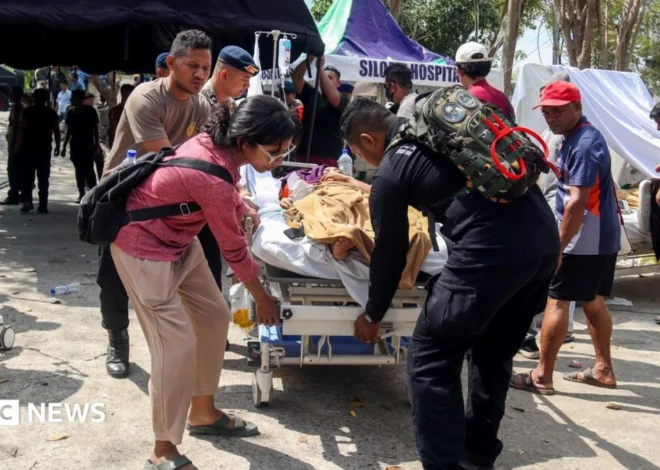
Rescuers search for survivors of powerful Indonesia earthquake

