Vietnam Faces Growing International Scrutiny Over Reported Medical Neglect of Political Prisoners in Prison No. 5
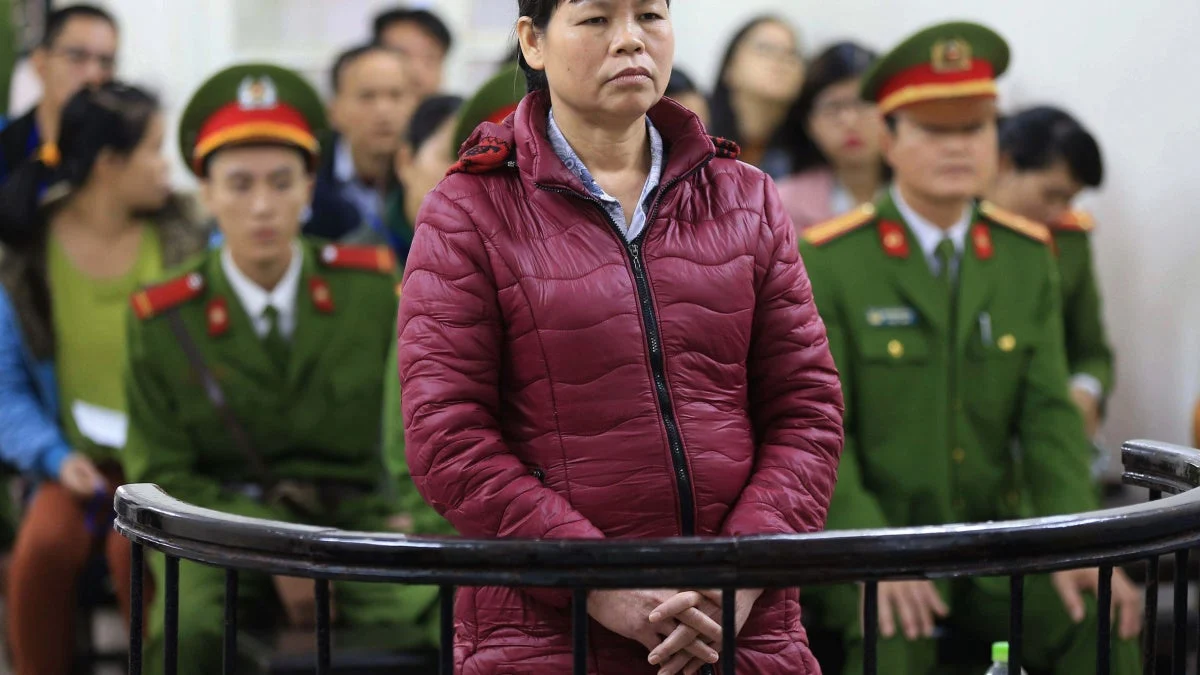
The deteriorating health of several high-profile political prisoners in Vietnam’s Prison No. 5 has sparked renewed international concern regarding the treatment of detainees and the adequacy of medical care within the nation’s correctional system. Reports emerging from Thanh Hoa province indicate that Can Thi Theu, a 64-year-old land rights activist currently serving an eight-year sentence, is facing a severe health crisis. Her family and human rights advocates allege that prison authorities have consistently denied her access to independent medical examination and specialized treatment, despite symptoms including acute abdominal pain, fever, and tremors. The situation of Can Thi Theu is not an isolated incident; it reflects a broader pattern of reported medical neglect involving other dissidents, including Tran Duc Thach, Nguyen Nang Tinh, and Phan Van Bach, all of whom are currently held in the same facility.
The Case of Can Thi Theu and the Trinh Family
Can Thi Theu is a prominent figure in Vietnam’s grassroots land rights movement. Her current incarceration stems from her involvement in protests against land confiscation and environmental degradation in 2016, as well as her vocal support for other political prisoners. This is not her first time behind bars; she has been a repeated target of state authorities for her advocacy on behalf of farmers in the Duong Noi area of Hanoi, who have long contested the government’s seizure of their agricultural land for urban development projects.
The health of the 64-year-old activist has reportedly been in steady decline. During a recent visit, her daughter, Trinh Thi Thao, observed that her mother was suffering from persistent abdominal pain and a high fever. According to the family, medical staff at Prison No. 5 dismissed the severity of the condition, characterizing it as minor and providing only basic painkillers. This follows a troubling history of medical episodes: in the summer of 2024, she experienced a similar bout of illness, and in January 2025, she suffered from dizziness and tremors so severe that she was unable to walk unassisted for two weeks.
The plight of the Trinh family extends beyond Can Thi Theu. Her two sons, Trinh Ba Tu and Trinh Ba Phuong, are also serving lengthy prison sentences for their peaceful activism. The family’s collective incarceration has become a symbol for international human rights organizations of the Vietnamese government’s crackdown on dissent. The denial of medical care to the family matriarch is viewed by advocates as a form of "extra-judicial punishment" intended to break the spirit of activists who refuse to recant their positions.
A Systemic Pattern of Neglect at Prison No. 5
The reports emerging from Prison No. 5 in Thanh Hoa province suggest a systemic failure to provide adequate healthcare to those deemed political prisoners. Several other activists held at the facility are reportedly suffering from chronic and acute conditions without receiving necessary interventions.
Tran Duc Thach, a 72-year-old poet and co-founder of the Brotherhood for Democracy, is serving a 12-year sentence. His wife recently filed a petition with the authorities, highlighting that he suffers from severe eye pain that threatens his vision. Despite the urgency of the situation, he has reportedly not been transferred to an outside hospital for specialized ophthalmological care.
Similarly, Nguyen Nang Tinh, a music teacher sentenced to 11 years for "conducting propaganda against the state," is reportedly in great physical distress. His wife has gone on record stating that he suffers from osteoarthritis and severe nerve compression, conditions that require physical therapy and specialized medication unavailable within the prison’s medical wing.
The case of Phan Van Bach, a member of the Chan Hung Nuoc Viet (Reviving Vietnam) group, is perhaps the most harrowing. During a family visit in February, his wife reported that Bach had lost significant weight and was forced to subsist on rice porridge (congee) for over a year due to debilitating tooth pain. He also described symptoms of "chest tightness, shortness of breath, and an unsteady gait." Most alarmingly, Bach informed his family that he had been subjected to physical abuse by both guards and other inmates as a direct retaliation for his protests against the poor living conditions and lack of medical attention in the prison.
Chronology of Declining Health and Legal Appeals
The timeline of medical neglect in Prison No. 5 paints a picture of ignored warnings and denied requests.
- 2016–2021: Arrests and sentencing of Can Thi Theu, Tran Duc Thach, and Nguyen Nang Tinh under various articles of the Vietnamese Penal Code, primarily Article 117 (formerly Article 88), which criminalizes "making, storing, or spreading information, materials, or items for the purpose of opposing the State."
- Summer 2024: Can Thi Theu experiences her first major episode of acute abdominal pain. Requests for an external medical evaluation are denied.
- January 2025: Can Thi Theu’s health worsens, characterized by tremors and an inability to walk. Prison authorities maintain that she is receiving "standard" care.
- February 2025: Phan Van Bach’s family reports his physical decline and allegations of assault within the prison.
- July 2025: The wives of Tran Duc Thach and Nguyen Nang Tinh submit formal petitions to the Ministry of Public Security and prison management, demanding hospital transfers.
- August 2025: Trinh Thi Thao files a fresh petition for her mother, Can Thi Theu, following reports of fever and persistent pain.
Despite these formal appeals, the Vietnamese government has largely remained silent or issued boilerplate statements asserting that all prisoners are treated humanely and in accordance with national law.
International Legal Standards and the Nelson Mandela Rules
The treatment of prisoners in Vietnam is ostensibly governed by the Law on the Execution of Criminal Judgments. However, human rights monitors argue that the reality on the ground frequently violates both domestic law and international obligations.
The United Nations Standard Minimum Rules for the Treatment of Prisoners, known as the Nelson Mandela Rules, serve as the global benchmark for prison conditions. Rule 24 states that "the provision of health care for prisoners is a State responsibility," and that prisoners "should enjoy the same standards of health care that are available in the community." Furthermore, Rule 27 explicitly mandates that "all prisons shall ensure prompt access to medical attention in urgent cases" and that prisoners requiring specialized treatment "shall be transferred to specialized institutions or to civil hospitals."
Vietnam, as a member of the United Nations and a signatory to the International Covenant on Civil and Political Rights (ICCPR), is legally bound to uphold these standards. The reported denial of care to Can Thi Theu and her fellow detainees suggests a breach of these international commitments. Experts note that the lack of transparency in the Vietnamese penal system makes it difficult for international observers to verify the health status of detainees, often leaving families as the only source of information.
Supporting Data: The Human Rights Landscape in Vietnam
The situation in Prison No. 5 occurs against a backdrop of increasing restrictions on civil society in Vietnam. According to data from various human rights monitoring groups, there are currently between 160 and 200 political prisoners held in facilities across the country.
A significant number of these detainees are held in "re-education camps" or high-security prisons where conditions are reportedly substandard. Common complaints include:
- Poor Nutrition: Diets often consist of low-quality rice and salt, leading to malnutrition and weakened immune systems.
- Lack of Hygiene: Limited access to clean water and sanitation contributes to skin diseases and digestive ailments.
- Restricted Communication: Political prisoners often face more stringent limits on family visits and correspondence than the general prison population.
- Medical Neglect: As seen in the cases at Prison No. 5, specialized medical care is frequently withheld, and families are often barred from providing supplemental medicine.
Official Responses and Geopolitical Implications
The Vietnamese government generally dismisses reports of prison abuse as "interference in internal affairs" or "inaccurate information provided by hostile forces." The Ministry of Foreign Affairs has frequently stated that Vietnam protects and promotes human rights in accordance with its constitution and international treaties.
However, the continued detention and reported mistreatment of activists have tangible implications for Vietnam’s international relations. Vietnam has sought to position itself as a key strategic partner for the West, particularly the United States and the European Union, as a hedge against regional instability. The country has signed several high-stakes trade agreements, including the EU-Vietnam Free Trade Agreement (EVFTA).
The EVFTA includes a "Trade and Sustainable Development" chapter that references human rights and labor standards. European lawmakers have frequently raised the issue of political prisoners as a potential barrier to deeper economic integration. Similarly, the United States, through its annual Human Rights Reports and diplomatic dialogues, continues to press Hanoi on the release of "arbitrarily detained" individuals.
Analysis of Implications
The medical crisis at Prison No. 5 is more than a humanitarian issue; it is a point of friction in Vietnam’s diplomatic ambitions. If high-profile prisoners like Can Thi Theu or Tran Duc Thach were to perish in custody due to neglect, it would likely trigger a significant diplomatic backlash and potentially lead to sanctions or the suspension of trade benefits under existing agreements.
Furthermore, the treatment of these individuals serves as a litmus test for the "Bamboo Diplomacy" practiced by the Vietnamese leadership—a strategy of balancing relations with major powers while maintaining strict internal control. As Vietnam seeks a seat on international bodies, such as the UN Human Rights Council, the gap between its international rhetoric and the domestic reality of its prison system remains a significant hurdle.
Human rights organizations and the families of the detained are calling on Vietnam’s international trade partners and donors to move beyond "quiet diplomacy." They argue that without public pressure and clear consequences, the health of Can Thi Theu and others will continue to deteriorate. The immediate demand remains clear: the unconditional release of these activists on medical grounds, or at the very least, their immediate transfer to civilian hospitals where they can receive the specialized care required to save their lives.

Related Posts
Human Rights Watch Calls for Investigation into Death of Detainee Following Removal from Najaf Hospital by Iraqi Drug Police
Human Rights Watch Urges UN Security Council to Extend Lebanon Peacekeeping Mission Amid Escalating Conflict and Humanitarian Crisis