UN Loss and Damage Fund Faces Imminent Liquidity Crisis as Pledges Fall Short of Rising Climate Demands
The United Nations-backed fund established to provide financial restitution for the irreparable harm caused by climate change in developing nations is facing a critical shortfall in capital that could compromise its operations as early as next year. Despite being in its infancy and having yet to distribute its first dollar in aid, the Fund for Responding to Loss and Damage (FRLD) is already grappling with what its leadership describes as "liquidity issues." Ibrahima Cheikh Diong, the fund’s Executive Director, issued a stark warning during a board meeting in Zambia, noting that the demand for resources is rapidly outstripping the available supply of liquid cash.
With ten inaugural projects already requesting a combined $166 million, the fund is bracing for a state of oversubscription. This financial strain is compounded by a significant discrepancy between the amounts promised by wealthy nations and the actual funds deposited into the FRLD accounts. While international governments have pledged approximately $822 million since the fund’s inception, only $449 million has been formally delivered. A framing paper released by the fund’s secretariat underscores the severity of the situation, cautioning that at the current rate of capitalization, the fund risks exhausting its entire capital reserves by the end of 2027. Such a scenario would not only halt operational momentum but also expose the institution to substantial reputational risks on the global stage.
Historical Context and the Evolution of Loss and Damage Finance
The establishment of the Fund for Responding to Loss and Damage was hailed as a historic breakthrough in climate diplomacy. For decades, developing nations—often those least responsible for global greenhouse gas emissions but most vulnerable to their effects—had campaigned for a dedicated financial mechanism to address "loss and damage." This term refers to the impacts of climate change that go beyond what communities can adapt to, such as the permanent loss of land due to rising sea levels or the destruction of infrastructure by unprecedented superstorms.
The political breakthrough occurred during the COP27 UN climate talks held in Sharm El-Sheikh, Egypt, in 2022. After intense negotiations, developed nations agreed to create the fund, signaling a shift in the global recognition of climate justice. This commitment was further solidified at COP28 in Dubai in 2023, where the fund was officially operationalized and the first round of voluntary pledges was announced. However, the transition from political agreement to functional financial institution has been fraught with bureaucratic and fiscal hurdles. The fund is currently hosted on an interim basis by the World Bank, a move that was initially met with some resistance from developing nations who sought a more independent structure under the direct oversight of the United Nations Framework Convention on Climate Change (UNFCCC).
Current Project Pipeline and the Human Cost of Delay
The urgency of the fund’s liquidity crisis is best illustrated by the nature of the projects currently awaiting approval. The FRLD is expected to greenlight its first set of initiatives during its next board meeting scheduled for July. These projects are not merely administrative exercises; they represent vital interventions in regions currently reeling from climate-induced disasters.
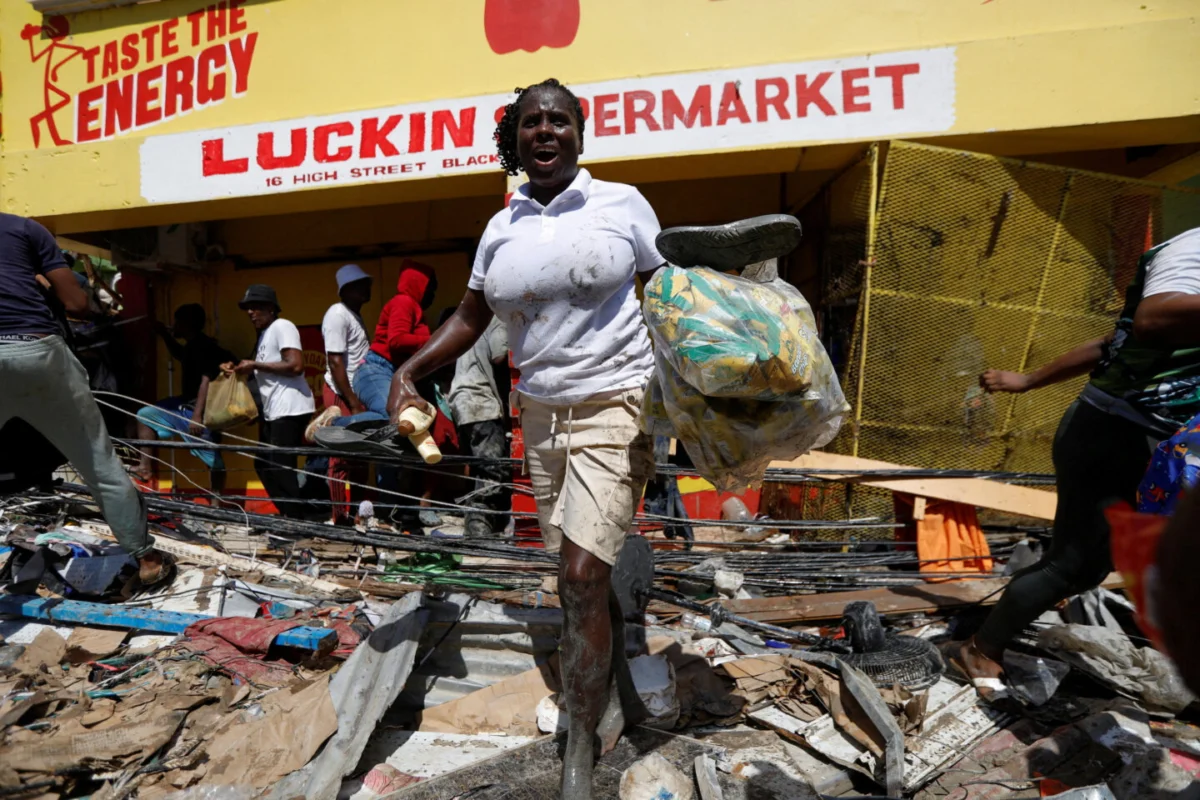
Among the early proposals are comprehensive plans to bolster flood response mechanisms in Bangladesh and the Nigerian metropolis of Lagos. Both regions have seen a dramatic increase in the frequency and intensity of seasonal flooding, which displaces millions and causes billions in economic damage annually. In Jamaica, the fund has been asked to finance the restoration and modernization of water infrastructure following the devastation caused by Hurricane Melissa in late 2025. The hurricane, which left a trail of debris and destroyed essential services in areas like Black River, serves as a contemporary reminder of the vulnerability of island nations to extreme weather events.
If the fund lacks the liquidity to move forward with these projects, the consequences for these communities will be immediate. Without international support, these nations are often forced to take on high-interest debt to rebuild, creating a vicious cycle of climate vulnerability and financial instability.
The Widening Gap Between Millions and Billions
The core of the crisis lies in the scale of the funding. While the $822 million pledged thus far represents a symbolic victory, it is a fraction of the actual economic requirements. Climate justice advocates and economists have long argued that the "loss and damage" needs of the Global South are measured in billions, if not trillions, of dollars.
Michael Mwansa, the climate justice coordinator for ActionAid Zambia, expressed deep concern during the board meeting regarding the failure of Global North governments to meet their climate finance obligations. According to Mwansa, the current level of funding makes it "largely impossible" to scale up the fund’s operations to a meaningful level. Research from the Grantham Research Institute on Climate Change and the Environment suggests that the cost of addressing loss and damage in developing countries could reach $400 billion per year by 2030.
To bridge this massive gap, a coalition of climate campaigners and non-governmental organizations (NGOs) has issued an open letter calling for a radical shift in fundraising. They propose that the fund should aim to secure $50 billion annually from developed nations starting in 2026, with a target of $100 billion by 2031 and $400 billion by 2035. These figures dwarf the current capitalization and highlight the perceived inadequacy of the voluntary contribution model currently in place.

Strategic Mobilization and Future Replenishment Rounds
To address the looming shortfall, the FRLD board is developing a resource mobilization strategy. The current framework envisions a "replenishment" cycle every four years, similar to the models used by the Green Climate Fund (GCF) and the Global Environment Facility (GEF). The first official replenishment round is slated for 2027.
However, the secretariat is looking for more immediate solutions. One proposal includes the appointment of a "high-level champion" to lead a dedicated replenishment team. This individual would be tasked with lobbying governments and potentially private sector entities to increase their contributions. The strategy also involves a distinction in diplomatic language: under current agreements, developed countries are "urged" to contribute, while other nations—including emerging economies with high emissions—are merely "encouraged" to do so. This distinction remains a point of contention in international negotiations, as developed nations argue for a broader donor base that includes countries like China and the Gulf states.
The fund’s board is expected to refine this fundraising strategy at its upcoming meeting in the Philippines this June. The discussions are likely to focus on how to ensure that pledges are not only made but are also transferred into the fund’s accounts in a timely manner.
Innovative Financing and the Call for New Revenue Streams
As the limitations of traditional government aid become apparent, there is growing pressure to explore innovative financing mechanisms. Civil society organizations are increasingly advocating for taxes that target the primary drivers of climate change and extreme wealth. The open letter from campaigners suggests several potential revenue streams for the Loss and Damage Fund, including:
- Fossil Fuel Taxes: Levying taxes on the profits of global oil and gas companies, which have seen record earnings in recent years.
- Financial Transaction Taxes: Implementing small fees on high-frequency trading and other financial market activities.
- Luxury Travel Levies: Taxing private jets and frequent business class air travel to generate revenue from high-carbon lifestyles.
- Wealth Taxes: Applying progressive taxes on the world’s ultra-wealthy individuals to fund global public goods.
Tasneem Essop, head of Climate Action Network International, has been vocal about the moral imperative behind these demands. She characterized the failure of wealthy nations to fulfill their responsibilities to the fund as a "shameful betrayal of humanity." Essop and other leaders argue that since developed nations are historically responsible for the majority of atmospheric carbon, they must be held strictly accountable for the resulting devastation.
Implications for Global Climate Diplomacy
The liquidity crisis of the Loss and Damage Fund has broader implications for the future of international climate negotiations. The fund is often seen as a litmus test for the trust between the Global North and the Global South. If the fund fails to deliver due to a lack of capital, it could derail progress on other critical fronts, such as greenhouse gas mitigation targets and adaptation financing.
Furthermore, the operational success of the FRLD is tied to the credibility of the UN climate process. As the world approaches COP30, there is an expectation that the "New Collective Quantified Goal" (NCQG) on climate finance will provide a more robust framework for funding. However, if the existing Loss and Damage Fund is already stalling, it raises difficult questions about the feasibility of more ambitious future targets.
The risk of "reputational damage" mentioned in the secretariat’s framing paper is not just for the fund itself, but for the entire multilateral system. If the world’s most vulnerable populations are promised relief that never arrives, the diplomatic rift between developed and developing nations may become irreparable, hindering the collective action required to address the global climate emergency.
Conclusion and Next Steps
The Fund for Responding to Loss and Damage stands at a crossroads. While the institutional architecture is largely in place and a pipeline of essential projects has been identified, the lack of actual cash on hand threatens to render the institution ineffective before it has even begun its mission. The warning from Ibrahima Cheikh Diong serves as a call to action for donor nations to move beyond rhetoric and deliver on their financial commitments.
The upcoming meetings in the Philippines and the subsequent project approval session in July will be pivotal. They will determine whether the FRLD can overcome its "liquidity issues" or if it will become another example of a global promise that remains unfulfilled. For the communities in Bangladesh, Nigeria, and Jamaica, the outcome of these bureaucratic deliberations is a matter of survival. The transition from "millions" to the "billions" required remains the most significant challenge in the current landscape of international climate finance.

Related Posts
Constitutional Court of South Africa Bars Shell Oil Exploration in Landmark Victory for Environmental and Community Rights
The Battle for Saldanha Bay: South Africa’s Ambitious Ocean Economy Strategy Faces Legal and Environmental Reckoning