Ukrainian F-16 Achieves First Air-to-Air Kill Against Russian Su-35 Fighter Marking a Strategic Shift in Eastern European Skies
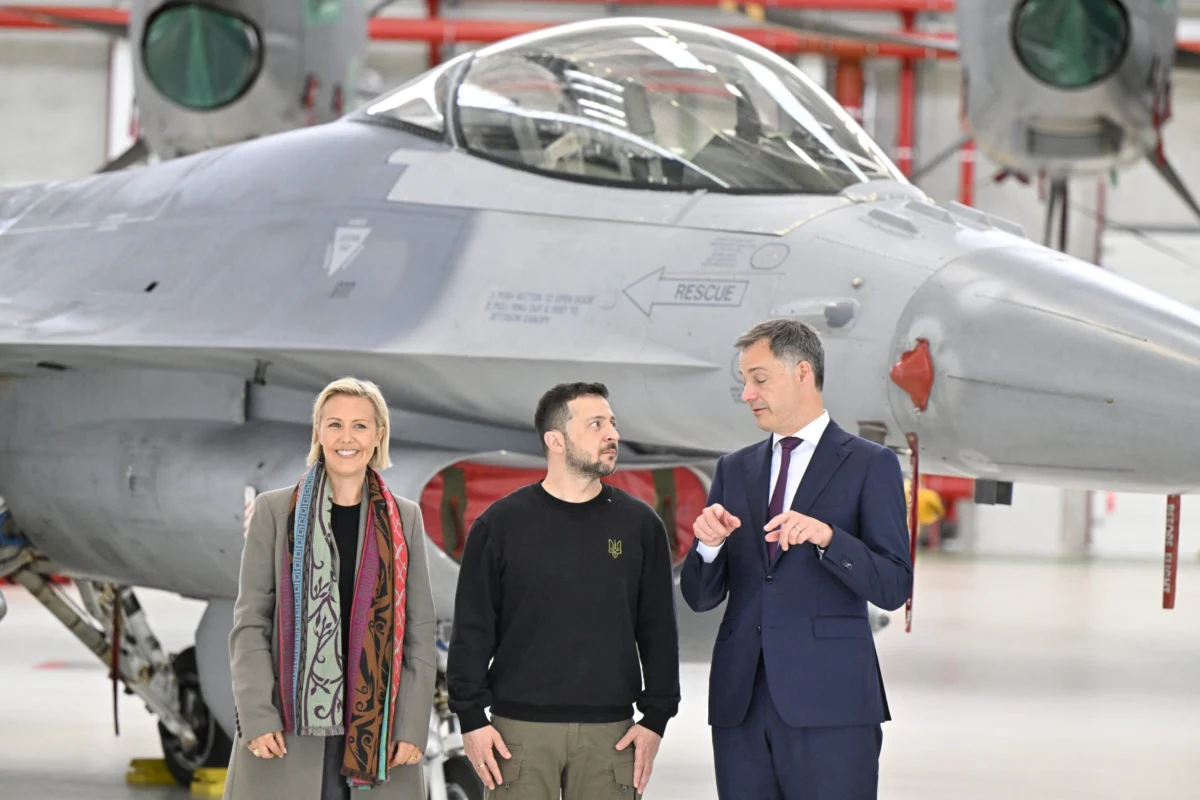
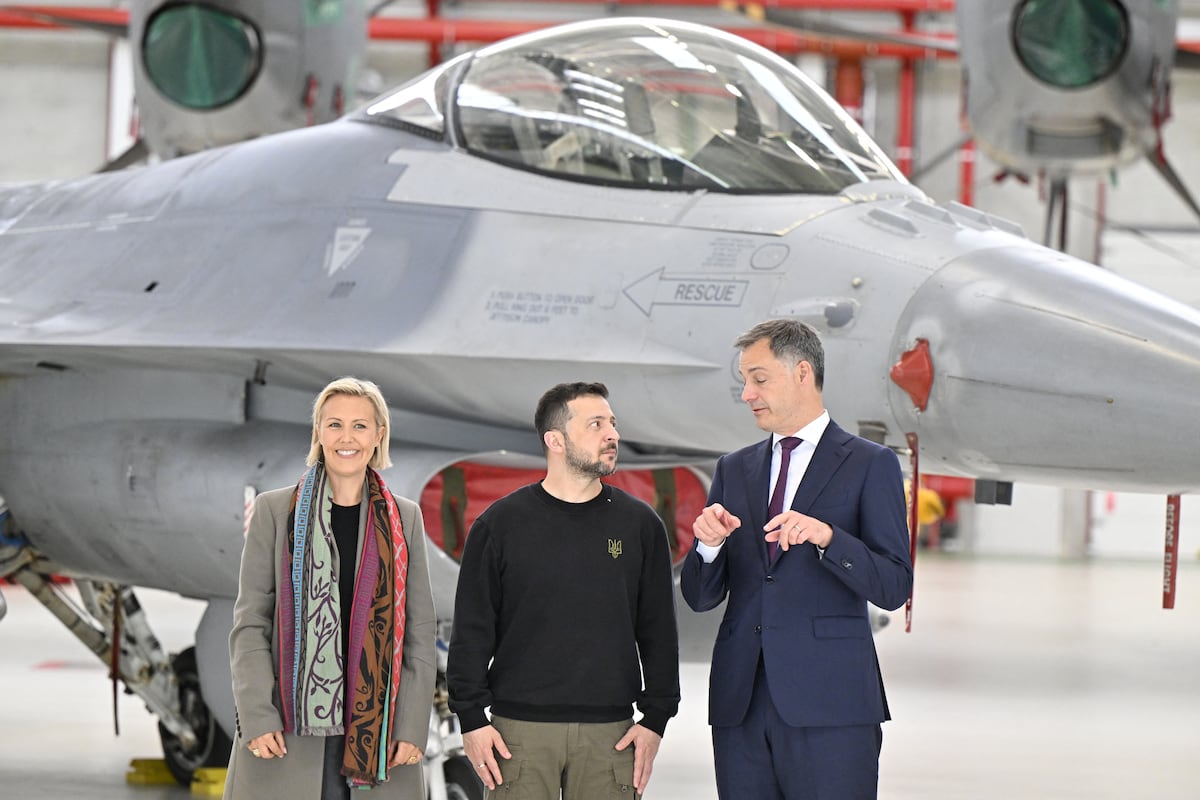
The successful engagement of a Russian Su-35 by a Ukrainian-piloted F-16 marks a historic turning point in the ongoing conflict, representing the first air-to-air victory for the American-designed platform since its arrival in the theater in 2024. General Dan Caine, Chairman of the Joint Chiefs of Staff, confirmed the milestone during a testimony before the Senate Appropriations Committee on Tuesday, July 23, 2026. While addressing questions regarding a previous three-year hiatus in United States air-defense funding, General Caine emphasized that the kill serves as a testament to the rapid maturation of Ukraine’s integrated air defense network and its ability to scale high-tech capabilities under extreme duress. The general noted that while the Ukrainian Air Force had previously utilized the F-16 primarily for the interception of subsonic cruise missiles and loitering munitions, the transition to offensive air-to-air combat demonstrates a new level of operational proficiency and tactical confidence.
The engagement reportedly occurred on the eastern front, a region that has remained a contested "gray zone" for air superiority since the full-scale invasion began. The Ukrainian Air Force had hinted at the success earlier in the month, reporting the destruction of a Sukhoi Su-35—one of the Kremlin’s most advanced multirole fighters—but the confirmation from the highest levels of the Pentagon provides the first official Western validation of the event. According to General Caine, the kill highlights the "incredible work" of the Ukrainian industrial base and its ability to integrate Western platforms into a layered defense system that now successfully challenges Russian qualitative advantages in the sky.
A Chronology of the F-16 Transition in Ukraine
The journey toward this air-to-air victory began in early 2023 with the formation of the "F-16 Coalition," led by the Netherlands and Denmark. For over a year, Ukrainian pilots and ground crews underwent intensive training at facilities in the United States, Denmark, and Romania, mastering the complexities of the fourth-generation fighter. The first airframes arrived in Ukraine in mid-2024, but their initial deployment was characterized by extreme caution.
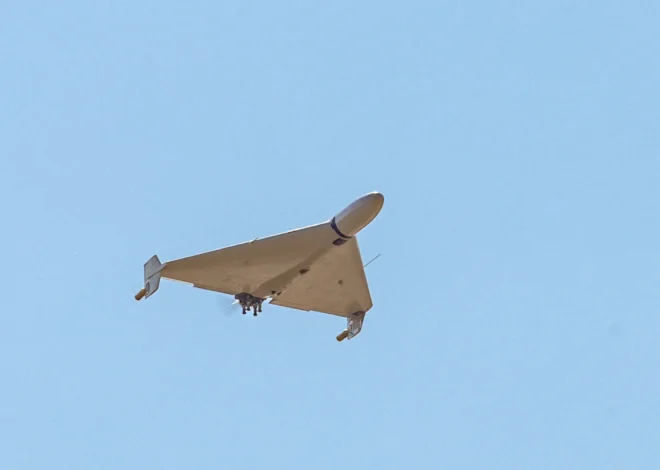
Throughout late 2024 and 2025, the Ukrainian F-16 fleet was used almost exclusively in a defensive capacity. Tasked with protecting critical infrastructure and urban centers from the "rain of fire" provided by Russian Shahed-type drones and Kalibr cruise missiles, the F-16s acted as mobile interceptors. During this period, Yuriy Ihnat, a spokesman for the Ukrainian Air Force, noted that the jets were responsible for a significant portion of the 2,200 successful intercepts out of roughly 3,000 incoming threats. However, as pilot flight hours increased and the integration of Western radar and missile systems became more seamless, the Ukrainian command began shifting the F-16’s mission profile toward "active defense," which included patrolling closer to the front lines to deter Russian glide-bomb sorties.
The July 2026 shootdown of the Su-35 represents the culmination of this two-year evolution. It signals that Ukrainian pilots have moved beyond basic proficiency to advanced air-combat maneuvering (ACM) and beyond-visual-range (BVR) tactics.
Technical Analysis: Overcoming Qualitative Disparity
The victory is particularly significant given the technical specifications of the aircraft involved. The F-16s currently operated by Kyiv are largely refurbished A and B models provided by Denmark and the Netherlands. These airframes, dating back to the 1970s and 1980s, were upgraded through the Mid-Life Update (MLU) program, bringing them to a standard roughly equivalent to the F-16C/D Block 50/52. Despite these upgrades, they remain older than the Su-35S, which is considered a "Generation 4++" fighter.
The Su-35S is equipped with the Irbis-E passive electronically scanned array (PESA) radar, which Russian state media claims can detect fighter-sized targets at ranges up to 250 miles (400 km). In contrast, the AN/APG-66(V)2 radar found on the Ukrainian F-16s has a significantly shorter detection range, typically limited to under 100 miles for similar targets. Furthermore, the Su-35 carries the R-77M long-range air-to-air missile, which possesses a range of approximately 120 miles. Ukraine’s F-16s are equipped with the American-made AIM-120C-8 Advanced Medium-Range Air-to-Air Missile (AMRAAM), which offers a range of 75 to 100 miles.
Military analysts suggest that the Ukrainian success likely stemmed from superior tactical execution and the use of "net-centric" warfare. By leveraging ground-based radar, Link-16 data links, and perhaps intelligence from airborne early warning (AEW) assets, Ukrainian pilots may have been able to close the distance and fire their AMRAAMs before the Russian pilot could effectively utilize the Su-35’s superior radar range. This "asymmetric air combat" approach allows older platforms to defeat modern adversaries by minimizing their exposure and maximizing the lethality of their engagement window.
The Scaling of the Ukrainian Industrial Base
Beyond the cockpit, the air-to-air kill reflects a broader transformation of Ukraine’s domestic military-industrial complex. General Caine emphasized to Congress that the ability of the Ukrainian military to sustain these high-end operations is tied directly to their domestic scaling. In the past year, Ukraine has emerged as a global leader in the production of interceptor drones and electronic warfare (EW) systems.
Official reports indicate that Ukrainian producers are now capable of manufacturing over 100,000 drones per month. This massive output has allowed the Ukrainian military to use low-cost drones to handle the bulk of Russian loitering munitions, thereby "freeing up" the F-16 fleet for high-priority missions, such as hunting Russian Su-34 and Su-35 fighter-bombers. This tiered approach to air defense—where drones handle the quantity and F-16s handle the quality—has significantly increased the survivability of Ukrainian airspace.
Furthermore, the United States and Kyiv are currently finalizing a multi-billion dollar joint weapons-production deal. This agreement is expected to move beyond simple transfers of equipment to the co-production of ammunition and spare parts on Ukrainian soil, ensuring that the F-16 fleet remains operational despite the high tempo of combat.
Official Responses and International Reaction
While the Russian Ministry of Defense has remained silent regarding the loss of the Su-35, the incident has caused a stir among pro-Russian military bloggers. On Telegram, several influential channels confirmed the loss of the aircraft, though they disagreed on the cause. Some claimed the pilot survived and ejected safely, while others attributed the loss to a long-range Patriot missile battery rather than an F-16. This internal disagreement suggests a level of concern within the Russian military regarding the increasing lethality of the Ukrainian air defense umbrella.
In Washington, the response has been one of cautious optimism. Secretary of State Marco Rubio recently described the Ukrainian Armed Forces as "the strongest, most powerful armed forces in all of Europe." This sentiment was echoed by CIA officials, who pointed to the deteriorating state of Russian ground forces as a secondary factor in Ukraine’s overall strategic advantage. Recent intelligence briefings suggest that due to Ukraine’s fierce drone tactics and precision air strikes, some Russian recruits survive for as little as 20 to 30 minutes after arriving at the front lines.
The F-16’s first kill is expected to bolster the argument for further Western investment in advanced aviation. NATO allies have already begun signing billions of dollars in new arms contracts with Kyiv, driven by the need for the latest defense technology that has been combat-proven against a peer adversary.
Strategic Implications and Future Outlook
The successful engagement of a Su-35 by an F-16 has immediate tactical and psychological implications. Tactically, it forces Russian pilots to be more risk-averse, potentially pushing their glide-bomb release points further back, which reduces the accuracy and effectiveness of their strikes on Ukrainian positions. Psychologically, it shatters the myth of the Su-35’s invincibility and provides a massive morale boost to the Ukrainian Air Force, which has fought for years with a significant numerical and technical disadvantage.
Looking ahead, the integration of more F-16s and the potential arrival of other Western platforms, such as the Swedish Saab Gripen or additional Mirage 2000s, could lead to a permanent shift in the air war. If Ukraine can maintain its current trajectory of domestic drone production and Western integration, the "layered defense" General Caine described will become an impenetrable barrier to Russian aerial aggression.
The air-to-air victory on the eastern front is more than just a single downed plane; it is a validation of a multi-year international effort to modernize the Ukrainian military. As General Caine concluded in his testimony, the ability of Ukraine to scale its capabilities has "come a long way," and the F-16’s first kill is the most visible evidence yet that the balance of power in the skies over Ukraine is shifting in Kyiv’s favor.

Related Posts
Pentagon Forges Landmark Seven-Year Agreements with Boeing and RTX to Accelerate Standard Missile-3 Production and Stabilize Defense Supply Chains
Boeing Unveils Ultra Low-Cost Seeker to Enhance Missile Inventory and Combat Cost Challenges in Modern Warfare