
Tragedy Strikes Seattle’s Iconic Bite Festival: Three Dead in Gang-Related Shooting Ignites Community Mourning and Calls for Action
Seattle, Washington – The vibrant atmosphere of the annual Bite of Seattle food festival was shattered on Sunday, leaving the city in a profound state of mourning on Monday following a deadly street gunfight that claimed three lives and injured at least four others. The incident, later identified by authorities as a targeted act of gang violence, cast a somber shadow over one of the city’s most cherished annual gatherings, prompting widespread grief, condemnation from city and state leaders, and renewed calls for action against gun violence.
The Main Facts: A Celebration Turned Catastrophe
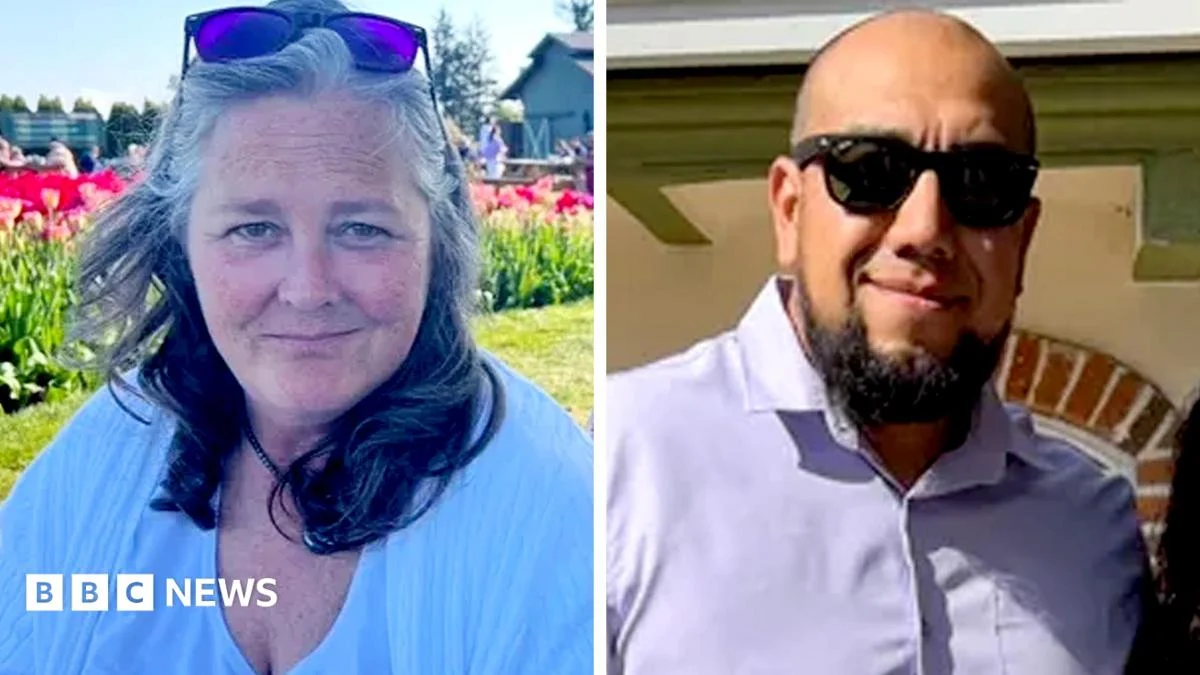
The fatal shooting unfolded on Sunday, the final day of the three-day free food festival, which typically draws approximately 350,000 people to the Seattle Center each year. Amidst the culinary delights and festive crowds, gunfire erupted, plunging attendees into chaos and fear. By the time the scene was secured, three individuals had lost their lives: Junior Cee Niko Semo, 19; Carlos Israel Sanchez Villalba, 44; and Ashley Whitehead, 56. At least four other individuals sustained injuries, some requiring hospital treatment. Police quickly launched a comprehensive investigation, which by Tuesday, had led them to conclude the attack was a "targeted" act stemming from gang-related disputes. The recovery of highly illicit firearms from the scene, including an unregistered "ghost gun" equipped with an extended 33-bullet magazine and a pistol modified with a fully automatic switch, underscored the severe nature of the threat.
The Victims: Lives Interrupted by Senseless Violence
The city’s grief was deeply personal, extending to the families and friends of those whose lives were abruptly cut short. Each victim represented a unique and tragic loss, leaving behind devastated loved ones and communities.
Carlos Israel Sanchez Villalba, 44:
Villalba was remembered as a pillar of his family and community, a man whose life was defined by unwavering dedication and boundless generosity. A GoFundMe campaign established in his memory painted a vivid portrait of a man deeply cherished by all who knew him. The description movingly stated, "a devoted husband, loving father of three, and a loyal friend who would do anything for anyone." His kindness and altruistic spirit were repeatedly highlighted, with testimonials recalling his "gentle spirit and willingness to help others." Villalba’s sudden and violent passing left his family, including his wife and three children, "heartbroken and facing an uncertain future." The funds raised through the online campaign were designated to cover funeral expenses and provide crucial support to his family as they navigate the immense void left by his absence, grappling with both emotional devastation and the practical challenges of a life without their primary provider. His death reverberated as a profound loss for a community that valued his warmth and steadfast presence.
Ashley Whitehead, 56:
Ashley Whitehead’s story added another layer of heartbreak to the tragedy. Her family recounted the agonizing circumstances of her death: she was standing in line with her daughter, eagerly awaiting cotton candy, when the barrage of gunshots erupted. The joyful anticipation of a simple festival treat was instantly replaced by terror, culminating in Whitehead sustaining fatal injuries. Despite being rushed to the hospital for emergency surgery, she succumbed to her wounds. Her family shared a poignant detail on her GoFundMe page, revealing that she had exchanged "heartfelt ‘I love you’s" with her eldest daughter in her final conscious moments, a small but powerful testament to the enduring bond they shared. Whitehead was lovingly described as "a lover of life, art and family." Family, indeed, was her paramount priority; she had recently made the significant move from Alabama to the west coast specifically "to be closer to Zoie," her eldest daughter. This detail underscored her profound commitment to her loved ones, making her untimely death at a family event all the more agonizing for those who mourned her.
Junior Cee Niko Semo, 19:
The third fatality, Junior Cee Niko Semo, presented a more complex narrative in the immediate aftermath of the shooting. Police investigators indicated that Semo was suspected of being directly involved in the gunfight. While the authorities did not provide extensive details about his background or the specific nature of his alleged involvement in the initial public statements, the designation marked him as a participant in the violent exchange, distinguishing his death from the two other victims, neither of whom were suspected of any criminal activity in connection with the incident. His death, regardless of the circumstances, represented another young life lost to the escalating cycle of gun violence.
A Beloved Festival Tarnished: The Bite of Seattle’s Legacy
The Bite of Seattle, an annual institution since its inception in 1982, has long been a highlight of the city’s summer calendar. Held at the iconic Seattle Center, home to the Space Needle and other cultural landmarks, the festival has traditionally been a vibrant, family-friendly event. It showcases a diverse array of local culinary talent, from gourmet restaurants to beloved food trucks, alongside live music and entertainment. For over four decades, it has served as a unifying community celebration, drawing hundreds of thousands of residents and tourists alike to experience the city’s gastronomic diversity and cultural spirit, all free of charge.
The 2024 edition was no different, with throngs of people enjoying the warm Sunday afternoon, oblivious to the terror that was about to unfold. The shooting has undeniably tarnished the festival’s image, transforming a symbol of community joy into a site of profound grief and fear. The incident raises significant questions about security protocols at large-scale public gatherings and the pervasive reach of urban violence into what were once considered safe spaces.
Chronology of a Catastrophe
The sequence of events on Sunday afternoon painted a picture of rapid-onset violence and immediate, widespread panic:
- Sunday Afternoon (Specific Time Undisclosed but Estimated Late Afternoon/Early Evening): The Bite of Seattle festival is in full swing on its final day, with large crowds milling about the Seattle Center campus. Families, friends, and individuals are enjoying food, music, and the festive atmosphere.
- Shots Ring Out: Suddenly, the festive sounds are interrupted by the terrifying crack of gunfire. Witnesses describe immediate chaos, with people screaming, dropping to the ground, and stampeding to seek cover or flee the area. The precise location of the initial exchange is not immediately clear but is understood to have occurred in a crowded public area.
- Emergency Response: Within minutes, Seattle Police Department (SPD) officers, already present for festival security, respond to the scene, joined rapidly by additional units. Paramedics and other emergency medical personnel are dispatched to attend to the wounded. The Seattle Center campus is placed on lockdown or subjected to rapid evacuation protocols.
- Victims Discovered and Transported: Emergency responders locate the multiple victims. Carlos Israel Sanchez Villalba and Junior Cee Niko Semo are pronounced dead at the scene or shortly after. Ashley Whitehead is critically injured and rushed to a local hospital, where she later succumbs to her wounds during surgery. Several other injured individuals are also transported for medical care.
- Initial Investigation and Scene Containment: Police secure the expansive crime scene, beginning the painstaking process of collecting evidence, interviewing witnesses, and identifying potential suspects. The festival is effectively shut down for the remainder of the day.
- Monday Morning: News of the tragedy dominates local and national headlines. The community begins to process the shock and grief. Online fundraisers are quickly launched for victims Villalba and Whitehead, rapidly garnering significant support.
- Monday Evening: A solemn candlelight vigil is held at a local fountain, drawing dozens of mourners, including Seattle Mayor Katie Wilson. Flowers are laid, candles are lit, and a moment of silence is observed, underscoring the collective sorrow.
- Tuesday Morning: Seattle Police Chief Shon Barnes holds a press conference, providing critical updates on the investigation. He officially categorizes the shooting as a "targeted" act of gang violence, identifies key recovered evidence, and appeals for public assistance.
The Investigation Unfolds: Gang Violence and Illicit Weapons
At a news conference on Tuesday, Seattle Police Chief Shon Barnes provided crucial updates, revealing that investigators believed the attack to be a "targeted" act of gang violence. This revelation aimed to provide context for the seemingly random act of terror, suggesting a specific intent rather than a indiscriminate attack on festival-goers. The Chief confirmed that while Junior Cee Niko Semo was suspected of involvement in the gunfight, neither Carlos Israel Sanchez Villalba nor Ashley Whitehead were believed to have any connection to criminal activity.
Authorities believe at least two other suspects were involved in the exchange of gunfire. A 15-year-old individual has been taken into custody in connection with the shooting, and police are actively searching for a third unidentified person. The ongoing investigation is focused on identifying the specific groups involved and the precise dynamics that led to the deadly confrontation.
A significant concern highlighted by the investigation was the nature of the firearms recovered from the scene. Police found three guns, including an unregistered "ghost gun" equipped with an extended 33-bullet magazine. Ghost guns are privately assembled firearms that lack serial numbers, making them untraceable by law enforcement. They are often constructed from kits or 3D-printed parts and bypass traditional background checks and registration requirements, posing a growing challenge for authorities attempting to curb gun violence. Additionally, a pistol modified with a fully automatic switch was recovered. Such switches are illegal devices that can convert a semi-automatic handgun into a fully automatic weapon, capable of firing multiple rounds with a single pull of the trigger, significantly increasing their lethality and potential for mass casualties. The presence of these highly illicit and dangerous weapons underscored the severe nature of the violence and the challenges faced by law enforcement.
Chief Barnes also made a direct appeal to the public, seeking information about one person who arrived at a hospital with a gunshot wound following the incident but left before speaking to police. Authorities have been unable to obtain this individual’s identification, and their testimony could be critical to understanding the full scope of the events.
Community in Mourning: Vigils and Outpourings of Support
In the immediate aftermath of the tragedy, Seattle grappled with an overwhelming sense of loss and disbelief. On Monday evening, dozens of residents, joined by city officials, converged at a local fountain for a candlelight vigil, transforming the public space into a somber sanctuary of remembrance. Attendees laid flowers, lit candles, and observed a moment of silence, a collective expression of grief and solidarity. The air was heavy with sorrow, yet also imbued with a quiet determination to confront the violence that had intruded upon their community.
Seattle Mayor Katie Wilson was among those who spoke at the vigil, her voice resonating with sorrow and resolve. She unequivocally condemned the gun violence, declaring, "This is not acceptable." Her impassioned plea highlighted the universal anguish of parents, stating, "No father, no parent should have to bury their child," underscoring the profound and irreversible impact of such tragedies.
Washington state Governor Bob Ferguson also weighed in on the incident via a social media post, expressing the community’s collective shock and "struggling to make sense of how an iconic community celebration could end in gunfire." His statement reflected the widespread sentiment of bewilderment and sorrow that a beloved public event could be so brutally marred by violence.
The community’s compassion also manifested in tangible support for the victims’ families. Online fundraisers, particularly the GoFundMe campaigns for Carlos Israel Sanchez Villalba and Ashley Whitehead, quickly garnered an outpouring of generosity. Within days, tens of thousands of dollars in donations had been pledged, providing vital financial relief to families facing unexpected funeral expenses and the daunting prospect of rebuilding their lives in the wake of such immense loss. This rapid response demonstrated the deep empathy and collective desire of Seattle residents to support those most directly affected by the tragedy.
Broader Context: Seattle’s Struggle with Gun Violence
The shooting at the Bite of Seattle is not an isolated incident but rather a stark reminder of the persistent challenges Seattle, like many major American cities, faces regarding gun violence. While Seattle often projects an image of progressive tranquility, the city has experienced fluctuations in violent crime, including a concerning rise in shootings in recent years. Data from the Seattle Police Department and other crime statistics have periodically shown spikes in gun-related incidents, often linked to gang activity or personal disputes. The tragic irony of this particular event lies in its occurrence at a widely celebrated, family-oriented public festival, shattering the sense of safety and community that such events are meant to foster.
The involvement of "ghost guns" and weapons modified with automatic switches also places this incident within a broader national debate on gun control and the proliferation of untraceable firearms. Lawmakers and advocates have increasingly raised alarms about the ease with which individuals can acquire parts to assemble ghost guns, bypassing existing background check laws. Similarly, the availability of devices that convert legal semi-automatic firearms into illegal fully automatic weapons represents a critical loophole and a severe threat to public safety. This incident will undoubtedly fuel discussions at both state and federal levels regarding stricter regulations on such components and modifications.
Implications and Moving Forward
The aftermath of the Bite of Seattle shooting carries significant implications for the city and its residents. Public safety at large-scale events will undoubtedly undergo rigorous review. Event organizers, in conjunction with law enforcement, will likely re-evaluate and potentially enhance security measures, including increased police presence, stricter bag checks, and improved crowd management strategies. The incident may lead to a reassessment of how open-air festivals in densely populated urban environments can be adequately protected from unforeseen acts of violence.
Beyond event security, the shooting reignites crucial conversations about the root causes of gang violence and effective strategies for prevention and intervention. Law enforcement faces the ongoing challenge of disrupting criminal networks and interdicting the flow of illegal firearms, especially untraceable ghost guns and illicit modifications. Community leaders and social service organizations will likely redouble their efforts to address systemic issues that contribute to gang involvement, such as poverty, lack of opportunity, and cycles of violence.
For the community, the tragedy leaves a lasting psychological impact. Witnesses, particularly children, will carry the trauma of the sudden violence. The sense of invulnerability at cherished public gatherings has been eroded, potentially fostering a heightened sense of anxiety in public spaces. As Seattle mourns, there will be an imperative to heal, to find ways to honor the lives lost, and to collectively advocate for meaningful solutions that prevent such senseless acts from recurring. The path forward will require a concerted effort from law enforcement, policymakers, community organizations, and every resident committed to fostering a safer, more peaceful city.

Related Posts
Zambia on Edge: Opposition Leader Arrested Amid Allegations of Insurrection Plot and Election Tensions
Rescuers search for survivors of powerful Indonesia earthquake

