
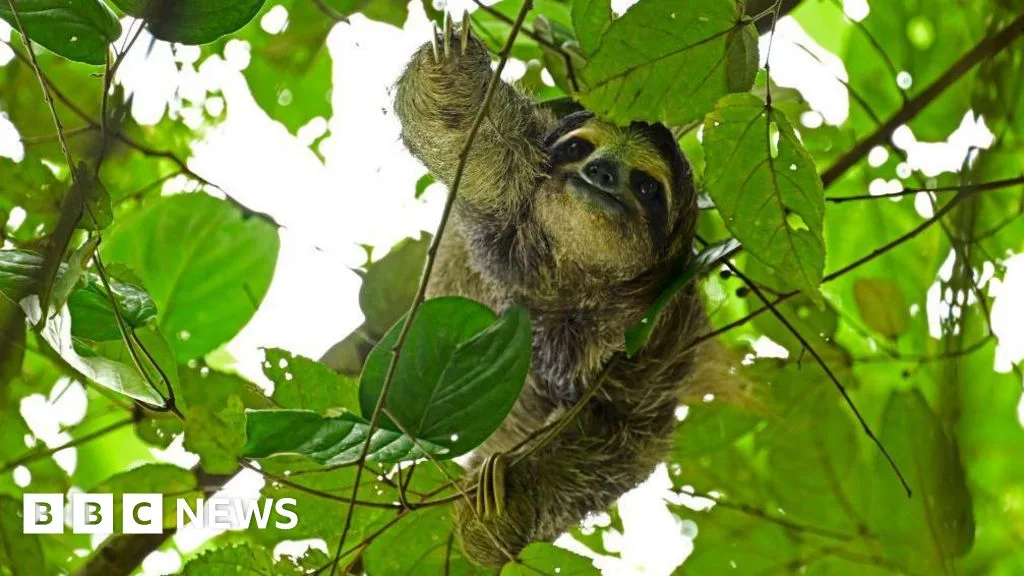
Tragedy Strikes Proposed Orlando "Slothnarium" as 31 Sloths Perish Before Opening
Orlando, Florida – A proposed new tourist attraction in Orlando, "Sloth World," has been plunged into controversy and despair following the tragic deaths of 31 sloths intended for its permanent public exhibit. The facility, advertised as Orlando’s only "slotharium" and slated to open this spring, has become the subject of multiple investigations after the Florida Fish and Wildlife Conservation Commission (FWC) released a damning report detailing the circumstances surrounding the animals’ demise. The incident has ignited a fierce debate among animal welfare advocates, lawmakers, and the public regarding the ethics of exotic animal exhibition and the adequacy of current regulatory frameworks.
A Dream Drowned: The Unfolding Chronology of Loss
The ambitious vision for Sloth World promised a rainforest-inspired habitat "designed exclusively with sloth well-being in mind," according to its promotional materials. However, this dream quickly devolved into a nightmare, with the FWC report outlining a series of catastrophic failures that led to the deaths of the majority of the sloths imported for the attraction. The timeline of these events paints a grim picture of inadequate preparation and oversight.
December 2024: The Guyana Shipment and "Cold Stun"
The first major incident occurred in December 2024. A shipment of 21 sloths, transported from Guyana, arrived in Florida and was housed in a warehouse intended to be a temporary holding facility. According to the FWC report, these animals died due to profoundly unsuitable conditions. Peter Bandre, listed online as the attraction’s vice-president and lauded in Sloth World’s promotional material as "one of the most respected sloth experts in the world," informed FWC investigators that the warehouse was not properly equipped to receive such delicate animals. He acknowledged that "it was too late to cancel the shipment."
Bandre attributed the mass casualty event to a "cold stun." Investigators later corroborated this, finding that the warehouse lacked essential utilities, including water and consistent electricity. While space heaters were reportedly purchased to mitigate the cold, they tripped a fuse and subsequently shut down, leaving the highly sensitive tropical animals exposed to freezing temperatures for at least one night. Historical weather data for the week following their arrival on December 18, 2024, indicates that lows plummeted to 46°F (7°C). This is a stark contrast to the sloths’ native tropical rainforest environments, where temperatures typically range between 70°F and 86°F (21°C – 30°C). The physiological shock of such extreme cold on animals adapted to consistent warmth proved fatal for all 21 individuals.
February 2025: The Peruvian Contingent and "Poor Health Issues"
Just two months later, in February 2025, a second tragedy unfolded. A new consignment of 10 sloths, this time originating from Peru, suffered a similar fate. Upon arrival in Florida, two of these sloths were already deceased. The remaining eight were described in the FWC report as appearing "emaciated" and exhibiting severe signs of distress. Despite any potential care attempts, these eight sloths subsequently succumbed to "poor health issues," bringing the total death toll to 31. This second incident raised further questions about the sourcing, transportation, and initial health assessment of the animals destined for Sloth World.
Official Responses and Regulatory Gaps
The FWC’s investigation, initiated after being alerted to the deaths, concluded without issuing a written warning or citation regarding the animal fatalities themselves. An agency spokesperson confirmed this to the BBC, noting that while the FWC did issue a verbal warning in two instances where sloths under Bandre’s care were housed in cages that did not meet captive wildlife requirements, no further punitive action was taken specifically for the deaths. This outcome has drawn sharp criticism from various quarters, highlighting perceived deficiencies in Florida’s animal welfare oversight.
Beyond the FWC, other regulatory bodies have become involved. The Orange County Building Safety office, for instance, issued a stop-work order at the warehouse where the animals had been housed on Thursday, March 27, 2025. A report from this agency, also obtained by the BBC, cited alleged violations of state building codes and county rules, indicating that the facility was not structurally or operationally fit for its intended purpose. The confluence of these findings points to a systemic failure in planning and execution by Sloth World’s management.
Ben Agresta, the owner of Sloth World, has vehemently denied the allegations presented in the FWC report, stating there is "so much false and inaccurate information out there right now." Speaking to Fox-35 in Orlando, Agresta countered the FWC’s findings, claiming, "The truth is, we lost sloths that had a virus of which showed barely any symptoms and was undetectable even after necropsy." This assertion directly contradicts the FWC’s findings of "cold stun" and "poor health issues" attributed to environmental factors and emaciation. The BBC has attempted to contact Sloth World, its listed owner, and representatives for further comment.
The Delicate Nature of Sloths and the Ethics of "Slothariums"
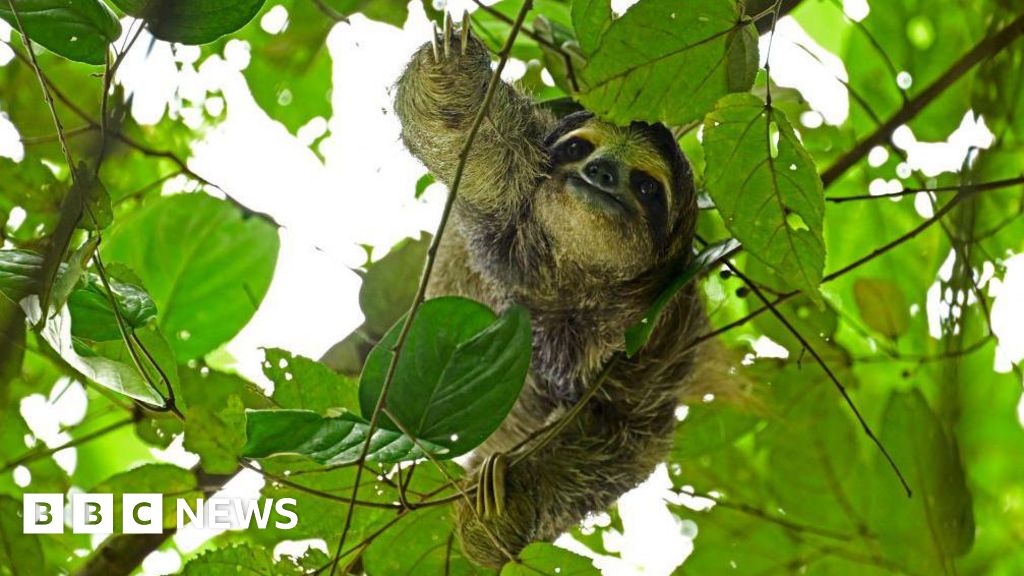
The tragic events at Sloth World underscore the immense challenges and ethical complexities associated with keeping sloths in captivity, particularly when removed from their natural habitats for commercial exhibition. Sloths, belonging to the superorder Xenarthra, are renowned for their slow metabolism, specialized diet, and highly sensitive physiological systems. They are arboreal mammals native to the tropical forests of Central and South America, spending nearly their entire lives hanging upside down from trees.
Physiological Vulnerabilities:
- Temperature Regulation: Sloths are ectothermic to a degree, relying on external temperatures to regulate their body heat. Their fur, while thick, is adapted to humid, warm environments, not extreme cold. A drop below their ideal temperature range can lead to hypothermia, shock, and organ failure, precisely what FWC described as "cold stun."
- Dietary Needs: Their diet consists primarily of leaves, buds, and young twigs, which are low in nutritional value. They possess a specialized digestive system with a large, multi-chambered stomach to break down cellulose, a process that takes days. Any significant deviation from their natural diet can lead to malnutrition and a host of health problems.
- Stress Sensitivity: Sloths are highly susceptible to stress. Changes in environment, handling, noise, and artificial lighting can severely impact their immune system, leading to illness and premature death. The journey from their native forests to a warehouse in Florida, followed by unsuitable conditions, would have imposed immense stress.
- Disease Susceptibility: As Agresta’s defense suggests, sloths can be vulnerable to viruses. However, a compromised immune system due to stress and poor living conditions makes them even more susceptible to opportunistic infections.
The "Slotharium" Concept:
The concept of a "slotharium" or dedicated sloth exhibit has gained traction with the increasing popularity of these unique animals. However, conservation organizations and animal welfare experts often express profound skepticism. Sam Trull, executive director of The Sloth Institute, a renowned conservation organization, articulated these concerns, stating, "When removed from the forest canopy and shipped internationally to the US, sloths often suffer from serious health issues related to the change in suitable diet and exposure to an artificial environment." He grimly added, "For a lot of captured sloths, this leads to their death." This sentiment is echoed by the Sloth Conservation Foundation, which had also previously expressed misgivings about Sloth World’s planned opening. Their concerns typically revolve around the difficulty of replicating a sloth’s natural environment, providing appropriate nutrition, and minimizing stress in a captive setting, especially one focused on public interaction.
Broader Implications and Calls for Reform
The tragedy at Sloth World has sparked widespread condemnation and calls for significant reforms in how exotic animals are permitted, imported, and housed in Florida and beyond.
Regulatory Loopholes:
Florida State Representative Anna Eskamani, a Democratic lawmaker, was quick to point out a "major gap" in existing wildlife permits. She highlighted that the FWC is not currently required to be alerted to animal deaths. "If it wasn’t for everyday people who care and reported these deaths it’s hard to know when FWC would have even learned about [the deaths]," Eskamani stated. This incident strongly suggests that a lack of mandatory reporting for animal mortalities within permitted facilities creates a dangerous blind spot for regulators, hindering timely intervention and accountability. Legislative efforts may now be initiated to mandate such reporting, providing greater transparency and enabling quicker responses to potential welfare crises.
Ethical Considerations of Animal Tourism:
The case reignites the perennial debate about the ethics of animal tourism and the commercialization of wildlife. While some argue that such attractions can foster appreciation and provide educational opportunities, critics contend that the welfare of the animals is often compromised in pursuit of profit. The demand for "interactive" or "encounter" experiences with exotic animals, particularly charismatic species like sloths, can fuel illegal wildlife trade and encourage irresponsible breeding or capture practices. This incident serves as a stark reminder of the potential suffering involved when animals are treated as commodities rather than sentient beings with complex needs.
Impact on Florida’s Reputation:
As a global tourism hub, Florida prides itself on offering diverse attractions. However, incidents involving the mistreatment or death of animals can severely tarnish its image. Animal welfare concerns resonate deeply with a significant portion of the traveling public, and negative publicity surrounding facilities like Sloth World could deter tourists, particularly those seeking ethical and responsible travel experiences. Local media has reported that more than a dozen remaining sloths intended for the attraction are now being cared for by another zoo in Central Florida, a move that suggests an attempt to mitigate further harm and salvage some of the animals from the ill-fated venture.
The Uncertain Future of Sloth World
Given the FWC investigation, the Orange County stop-work order, and the overwhelming public and legislative backlash, the future of Sloth World remains highly uncertain. It is unclear whether the attraction, located in a popular tourist corridor in Orlando, will ever open as planned. The FWC has confirmed that the owner of Sloth World possesses a permit for wildlife on file, which allows individuals or businesses to exhibit or sell wildlife. However, the conditions under which such permits are granted and the ongoing oversight appear to be under intense scrutiny following this tragedy.
The profound loss of 31 sloths represents not just a commercial failure but a significant animal welfare disaster. It serves as a powerful call to action for stricter regulations, enhanced oversight, and a re-evaluation of the ethical responsibilities inherent in operating captive wildlife exhibits. The incident underscores the critical importance of prioritizing the well-being of animals over entertainment value and profit, ensuring that any future "slothariums" or similar attractions genuinely live up to their claims of "sloth well-being" through rigorous adherence to best practices in animal husbandry, environmental design, and ethical sourcing. The memory of these lost sloths will undoubtedly shape future discussions on wildlife conservation and the role of zoos and exhibits in an increasingly conscious world.

Related Posts

Zambia on Edge: Opposition Leader Arrested Amid Allegations of Insurrection Plot and Election Tensions
Rescuers search for survivors of powerful Indonesia earthquake

