The International Atomic Energy Agency (IAEA) reported that Iran communicated that a projectile struck a nuclear plant.
Escalation in the Middle East: Nuclear Facility Hit Amidst Regional Tensions
The International Atomic Energy Agency (IAEA) has announced that Iran has officially communicated that a projectile of foreign origin impacted the Bushehr nuclear power plant. This development adds a significant new dimension to the already volatile situation in the Middle East, raising grave concerns about the potential for a nuclear accident. Rafael Grossi, the Director General of the IAEA and an Argentine national, reiterated his urgent call for maximum restraint from all parties involved in the ongoing conflict to avert the catastrophic risk of a nuclear incident. The IAEA’s statement, disseminated via social media, underscores the critical need for de-escalation and adherence to international safety protocols concerning nuclear facilities.
Israel Confirms Extensive Strikes on Tehran
In parallel, Israel has confirmed conducting a series of targeted attacks within Tehran, the Iranian capital. The Israeli Air Force, operating under the direction of the Directorate of Intelligence, reportedly executed an "extensive attack mission" targeting key infrastructure within Iran. The confirmed targets included headquarters, ballistic missile launch sites, and other critical installations associated with what Israel designates as the "Iranian terrorist regime." Among the specific headquarters reportedly attacked in Tehran were facilities linked to the Revolutionary Guard Corps’ security unit, which is allegedly responsible for managing protests and internal unrest within Iran. Additionally, the strikes are said to have hit a maintenance center for the Internal Security Forces’ General Supply and Support Division, as well as a headquarters associated with the ballistic missile system. These actions represent a significant escalation in the direct confrontation between Iran and Israel.
Devastation in Tel Aviv: Train Station Damaged in Iranian Attack
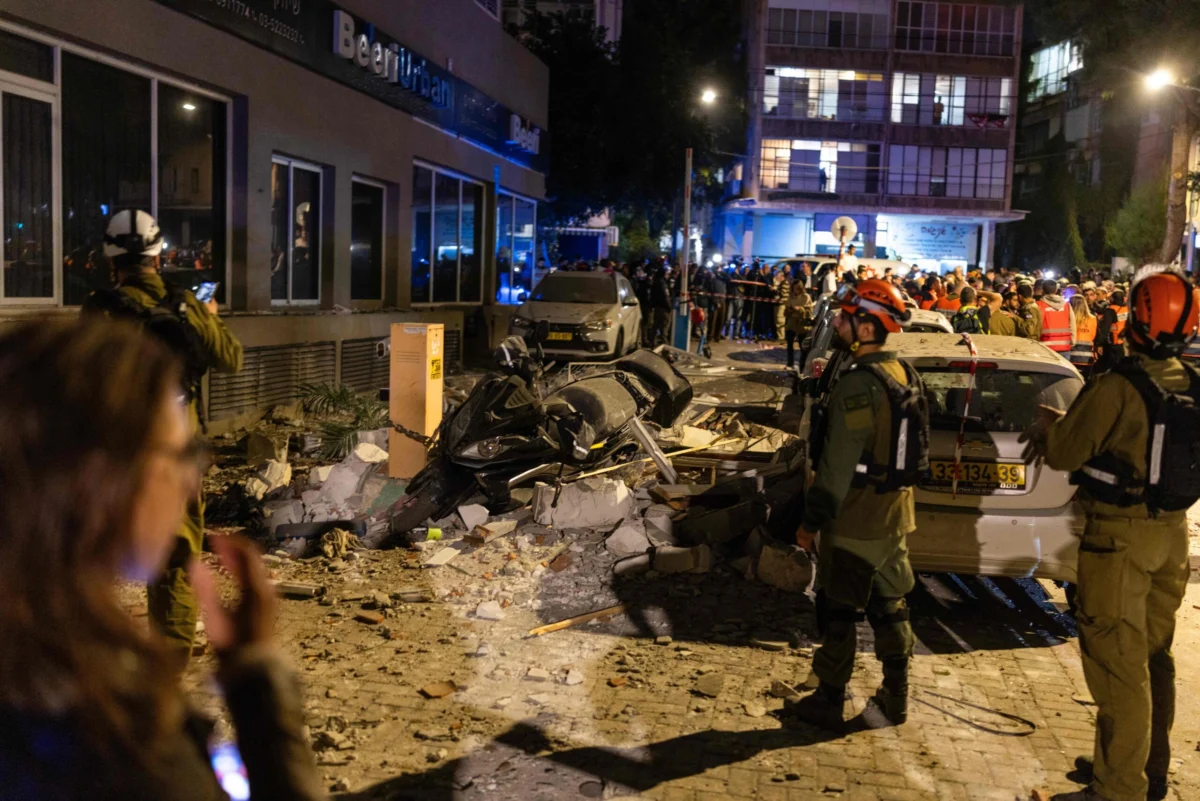
The exchange of hostilities has also resulted in damage within Israel. Iran launched a barrage of missiles and drones targeting Tel Aviv following the reported death of a prominent Iranian regime leader in Tehran. The attack resulted in at least two fatalities and left five others injured, with significant damage reported across various parts of the city. One of the most visibly affected locations was the Tel Aviv Savidor Center train station. Reports indicate that the station sustained damage from shrapnel and debris fired from one of the Iranian missiles, highlighting the indiscriminate nature of the aerial assault and its impact on civilian infrastructure. The national railway company was forced to suspend operations due to the damage.
Iran’s Foreign Minister Warns of Global Repercussions: "It Will Hit Everyone"
The escalating conflict in the Middle East is poised to have far-reaching global consequences, according to Iran’s top diplomat. The Iranian Foreign Minister, speaking on Wednesday, celebrated growing international criticism of the conflict, stating, "The wave of repercussions has just begun and it will hit everyone, without distinction of wealth, faith or race." He published this statement on X, accompanied by a copy of a resignation letter from a senior U.S. counterterrorism official, Joe Kent, who cited his opposition to the war as the reason for his departure. The Iranian minister further added, "More and more voices – including European and American authorities – are stating that the war against Iran is unjust. More members of the international community should do the same." This indicates Iran’s intent to frame the conflict as a global issue with widespread implications, seeking to garner international sympathy and potentially pressure opposing nations.
Visual Evidence of the Conflict Emerges
Photographic evidence emerging from the region provides a stark visual testament to the unfolding events. Images captured by AFP journalists depict the aftermath of missile attacks in Ramat Gan, on the outskirts of Tel Aviv. First responders are seen inspecting damage at the site of missile strikes, with some images showing damaged apartments and the presence of security forces and rescue personnel. Another poignant image shows Israeli security forces and rescuers gathered at a train station that was hit by shrapnel following an Iranian attack in Tel Aviv. These visuals underscore the human cost and material destruction resulting from the escalating hostilities.
Australia Reports Near Miss at Military Base in UAE
Adding another layer to the regional instability, Australia has reported that an Iranian projectile impacted near its military headquarters in the United Arab Emirates. Australian Prime Minister Anthony Albanese stated that at approximately 9:15 AM local time, an Iranian projectile landed in proximity to the Al Minhad base, which houses Australian military personnel in the UAE. This incident highlights the potential for the conflict to directly affect international military presence and interests in the region, further complicating diplomatic efforts and increasing the risk of unintended escalation involving multiple nations.
Lebanon Suffers Casualties in Alleged Israeli Strikes on Beirut
The conflict has also spilled over into neighboring Lebanon. The Lebanese Ministry of Health reported that two Israeli airstrikes in central Beirut on Wednesday resulted in at least six fatalities and 24 injuries, with the ministry clarifying that this was a preliminary toll. Human remains were reportedly recovered from the sites, and their identities are pending DNA testing. These attacks suggest a widening of the conflict zone and underscore the severe humanitarian impact on civilian populations in the region.
Aviation Sector Responds to Escalating Threats
In response to the heightened security concerns in the Middle East, the commercial aviation sector is taking precautionary measures. Pakistan International Airlines has announced the suspension of its flights to Fujairah, a city in the United Arab Emirates, for the next 48 hours. The airline cited security reasons for this decision, although it clarified that it would continue to operate flights solely to Al Ain in the UAE during this period. This move by an international carrier reflects the growing apprehension among global businesses regarding the safety of operations in the region, potentially impacting trade and travel.
Saudi Arabia Claims Interception of Iranian Drone Attacks
The Kingdom of Saudi Arabia has announced that it successfully intercepted a series of drone attacks originating from Iran. The Saudi Ministry of Defense reported the destruction of six drones in the eastern part of the country, attributing the success to a combined effort involving national air defense systems and those of Kuwait. The Kuwaiti army also confirmed on X that its air defenses were actively intercepting hostile rocket and drone attacks. This report indicates a coordinated regional effort to counter Iranian aerial threats and suggests a broader regional alignment in response to perceived Iranian aggression.
Background and Context
The current escalation follows a period of heightened tensions between Iran and Israel, exacerbated by the ongoing conflict in Gaza. Iran has consistently supported Palestinian militant groups, while Israel has vowed to counter Iranian influence and military presence in the region. The recent exchange of direct strikes, notably Iran’s unprecedented drone and missile attack on Israel and Israel’s subsequent retaliatory strikes within Iran, marks a significant departure from the previous shadow war conducted through proxies. The targeting of a nuclear facility, even if indirectly, introduces a new and deeply concerning element, as any damage could have catastrophic environmental and human consequences, extending far beyond the immediate conflict zone.
Timeline of Recent Events (Illustrative, based on provided information)
- Recent Past: Iran launches a barrage of missiles and drones against Tel Aviv, causing casualties and damage, including to the Tel Aviv Savidor Center train station. This attack reportedly followed the death of a prominent Iranian regime leader.
- Simultaneous/Shortly After: Israel confirms conducting extensive attacks within Tehran, targeting military infrastructure and command centers.
- Around the Same Period: The IAEA is informed by Iran that a projectile struck the Bushehr nuclear power plant.
- On or Around the Same Day: Australia reports an Iranian projectile impacting near its military base in the UAE. Lebanon reports casualties from alleged Israeli strikes in Beirut. Saudi Arabia claims interception of Iranian drone attacks. Pakistan International Airlines suspends flights to Fujairah.
Implications and Analysis
The reported strike on the Bushehr nuclear power plant, if confirmed to be a direct hit causing significant damage, carries immense implications. The Bushehr plant, supplied by Russia, is a critical piece of Iran’s energy infrastructure. An accident could lead to radioactive contamination, posing a severe threat to regional and potentially global populations. The IAEA’s immediate call for restraint highlights the international community’s deep concern over the potential for such a catastrophic event.
The reciprocal strikes between Iran and Israel signify a dangerous shift in their long-standing conflict. While direct confrontation was previously largely avoided, this recent exchange suggests a willingness to engage in direct military action, increasing the risk of a wider regional war. The targeting of infrastructure in both countries, including civilian areas and potentially sensitive military and nuclear sites, underscores the escalating nature of the conflict.
The warnings from Iran’s Foreign Minister about global repercussions suggest a strategy to internationalize the conflict and potentially rally support against perceived aggressors. The mention of criticism from Western authorities and the resignation of a U.S. official could be used by Iran to bolster its narrative of an unjust war.
The involvement of multiple regional actors, such as Saudi Arabia and Kuwait in air defense efforts, and the impact on neighboring countries like Lebanon, illustrates the interconnectedness of the crisis. The suspension of flights by international airlines further demonstrates the tangible economic and logistical impact of the heightened tensions.
The situation remains fluid and extremely precarious. The international community, through bodies like the IAEA and diplomatic channels, is working to de-escalate the situation and prevent further loss of life and destruction. However, the recent events indicate a path towards deeper entanglement and the potential for an even more severe humanitarian and geopolitical crisis. The focus now shifts to whether diplomatic efforts can prevail over military escalations and whether all parties will heed the urgent calls for de-escalation to prevent further catastrophic outcomes.

Related Posts

The Electric Vehicle Battery Health Debate Emerges as Argentina’s EV Market Accelerates

President Donald Trump Confirms Secret Departure from Turkey Amidst Assassination Threat