Human Rights Coalitions Demand Integration of International Law into Emerging United Nations Tax Convention to Combat Global Inequality
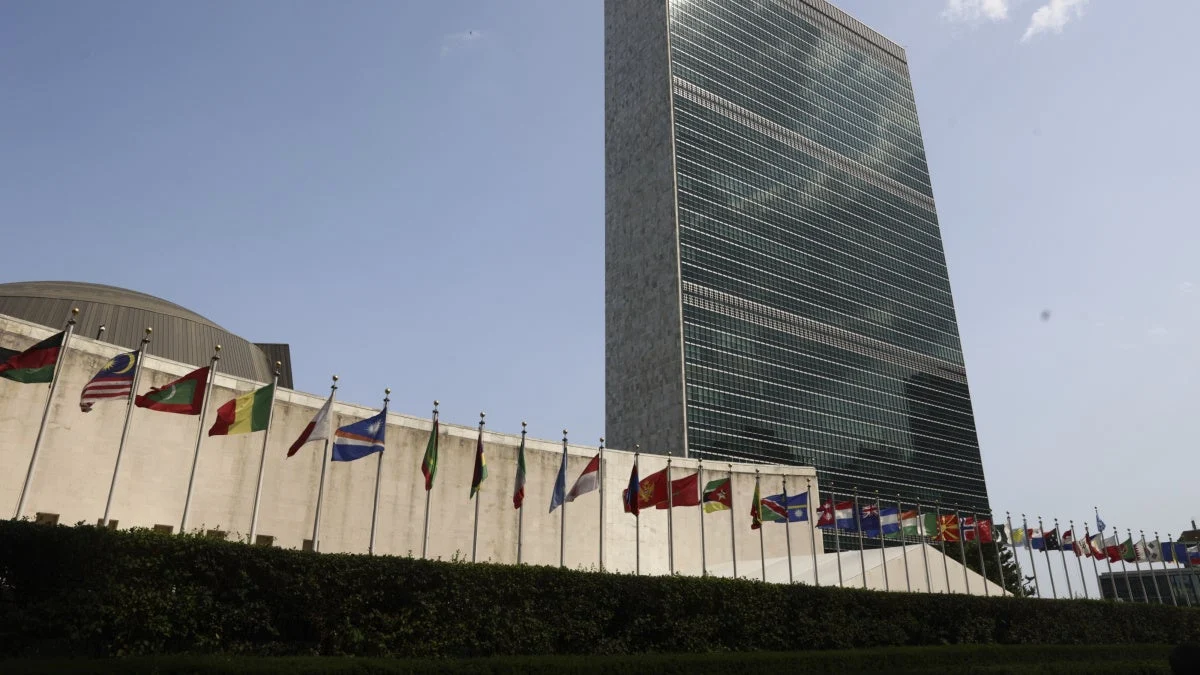
A prominent coalition of seven international human rights organizations has formally called upon United Nations member states to align the forthcoming UN tax convention with established international human rights law. In a comprehensive submission to the Intergovernmental Negotiating Committee (INC), the groups argued that embedding human rights standards into the treaty’s framework is essential for achieving its primary objective: the advancement of sustainable development. The joint submission, presented by Amnesty International, the Center for Economic and Social Rights (CESR), Dejusticia, the Global Initiative for Economic, Social and Cultural Rights (GI-ESCR), Human Rights Watch, the Initiative for Human Rights in Fiscal Policy, and the Tax Justice Network, proposes specific textual amendments to the draft convention to ensure that fiscal cooperation serves the public interest and the realization of fundamental rights.
The advocacy effort comes at a pivotal moment in global economic governance. As negotiations for the first-ever UN tax treaty progress, human rights advocates warn that the current global tax architecture is not only outdated but actively detrimental to social equity. The existing system, characterized by a patchwork of bilateral treaties and guidelines largely developed by wealthy nations, has facilitated an extreme concentration of wealth while depriving governments of the revenue necessary to fund essential services such as healthcare, education, and social security. By aligning the new convention with human rights obligations, the coalition seeks to create a fairer global tax system that empowers governments to meet their domestic and international responsibilities to their citizens.
The Push for a Rights-Based Fiscal Architecture
The core of the groups’ argument lies in the intersection of fiscal policy and the legal obligations of states. Under international human rights law, specifically the International Covenant on Economic, Social and Cultural Rights (ICESCR), governments are required to take steps to the "maximum of their available resources" to achieve the full realization of rights. These rights include the right to an adequate standard of living, the right to health, and the right to education. The coalition asserts that tax policy is not merely a matter of technical economic management but is a fundamental tool for human rights realization.
Sarah Saadoun, senior advisor on economic inequality at Human Rights Watch, emphasized the urgency of this alignment. She noted that the current global tax system is driving wealth inequality to levels that undermine the ability of most governments to function effectively for the benefit of their populations. According to Saadoun, a rights-based approach to the UN tax convention would provide a robust foundation for a system that prioritizes human well-being over corporate profit-shifting.
The submission to the INC outlines how human rights standards can provide the necessary guidance to ensure the convention meets its sustainable development goals. By establishing clear linkages between tax cooperation and rights fulfillment, the convention could mandate that states cooperate to prevent tax evasion and avoidance, which directly drain the "available resources" intended for public services.
Chronology of the UN Tax Convention Negotiations
The path toward a UN-led tax convention has been marked by a significant shift in the locus of global economic power. For decades, international tax standards were primarily set by the Organisation for Economic Co-operation and Development (OECD), a group of 38 mostly high-income countries. However, many developing nations, led by the African Group at the United Nations, argued that the OECD framework failed to address the specific needs of the Global South and allowed multinational corporations to continue exploiting tax loopholes.
The formal process began in earnest in late 2023 when the UN General Assembly passed a landmark resolution to begin work on a UN Framework Convention on International Tax Cooperation. This move was seen as a victory for global tax justice, as it shifted negotiations to a more inclusive forum where every country has an equal vote.
In early 2025, formal negotiations commenced with the establishment of the Intergovernmental Negotiating Committee. The process is currently in its early stages, with a draft text expected to be submitted to the General Assembly in 2027. The first round of negotiations in February 2025 saw high levels of engagement from European Union members and major economies across Asia and Latin America. However, the process faced a notable setback when the United States withdrew from the negotiations during the initial round, citing a preference for the existing OECD-led "Inclusive Framework." Despite this withdrawal, the remaining participants have moved forward, buoyed by a strong consensus among developing nations and civil society groups.
Supporting Data: The Cost of Tax Abuse
The financial stakes of these negotiations are immense. Data provided by the Tax Justice Network indicates that governments worldwide lose approximately $500 billion annually to international tax abuse. This figure includes both corporate tax avoidance—where multinational firms move profits to low-tax jurisdictions or "tax havens"—and private tax evasion by wealthy individuals.
This loss of revenue has a direct and devastating impact on social indicators. The coalition points to a staggering global deficit in basic human needs:
- Poverty: Approximately 3.6 billion people, nearly half the world’s population, live in poverty, defined as living on less than $6.85 per day.
- Social Security: Nearly 4 billion people lack access to any form of social security or social protection benefits.
- Healthcare: More than 4.6 billion people—over half the global population—lack access to essential health services.
In countries like Sri Lanka, the impact of a compromised tax system has been particularly visible. Research cited by the groups shows how low tax revenues, exacerbated by global tax loopholes and domestic giveaways, contributed to a severe economic crisis that crippled the state’s ability to provide food, fuel, and medicine to its citizens. The coalition argues that a fairer UN tax convention would allow countries like Sri Lanka to generate significant domestic income by curbing tax evasion and reclaiming the right to tax profits generated within their borders.
Official Responses and Perspectives
The call for integration has resonated with various UN human rights mechanisms, which have long argued that a fair international tax system is a prerequisite for human rights fulfillment. The UN Independent Expert on foreign debt and human rights, along with various Special Rapporteurs, has frequently highlighted how illicit financial flows and tax competition create a "race to the bottom" that starves public coffers.
Sergio Chaparro, international policy and advocacy lead at the Tax Justice Network, characterized the convention as a "historic opportunity" to change the trajectory of global governance. He argued that for too long, global tax rules have been designed to serve narrow economic interests rather than the broader aims of humanity. By embedding human rights into the convention, the international community can ensure that tax rules are accountable to the people they affect.
Conversely, some critics of the UN process, including representatives from some high-income jurisdictions and business associations, have expressed concerns that a rights-based approach might introduce "non-fiscal" complexities into a technical treaty. They argue that tax treaties should focus on preventing double taxation and ensuring certainty for investors. However, the coalition of human rights groups counters that economic "certainty" for corporations should not come at the expense of the life and health of billions of people.
Camila Barretto Maia, executive director of the Global Initiative for Economic, Social and Cultural Rights, pointed out a contradiction in the positions of many wealthy nations. She noted that while many governments vocally support human rights in international forums, they simultaneously resist the tax reforms necessary to fund those rights. This "fiscal hypocrisy," as advocates describe it, is a primary target of the proposed amendments to the UN convention.
Broader Impact and Implications for Global Stability
The implications of the UN tax convention extend beyond economics and into the realm of political stability and civil rights. The coalition notes that the failure of the current tax system has fueled a global rise in authoritarianism and social unrest. As wealth inequality grows and public services crumble, many populations have grown disillusioned with democratic institutions, leading to "elite capture" of the state and the rise of populist movements.
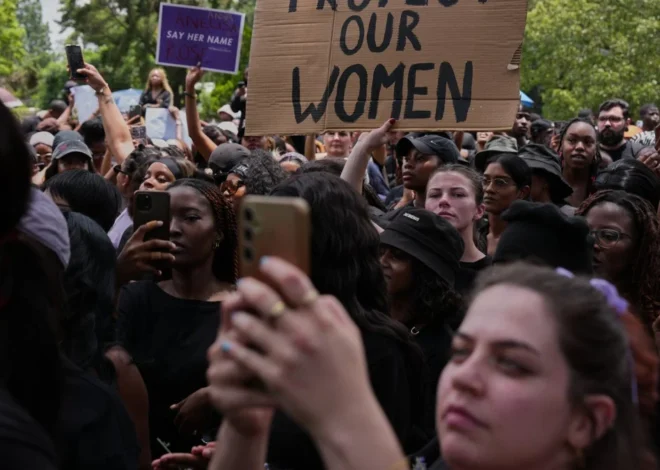
In many parts of the world, from Latin America to the Middle East, protesters have taken to the streets to demand economic justice and an end to corruption. The groups argue that by creating a transparent and accountable global tax architecture, the UN can help restore public trust in government and mitigate the economic grievances that fuel conflict.
Maria Ron Balsera, Executive Director of the Center for Economic and Social Rights, stated that human rights and fair tax cooperation must go "hand in hand." She emphasized that the convention has the potential to dismantle the legal structures that currently enable abuse and secrecy. By requiring states to participate on an equal footing, the convention could lead to more effective transparency measures, such as public country-by-country reporting for corporations and a global registry of beneficial ownership.
The Road Ahead: 2025 to 2027
As the Intergovernmental Negotiating Committee continues its work, the focus will remain on the specific language of the draft convention. The submission by the seven human rights groups provides a roadmap for how the treaty can incorporate principles of non-discrimination, transparency, and the obligation of international assistance.
The upcoming sessions of the INC will likely see intense debate over the inclusion of these standards. The withdrawal of the United States remains a challenge for the treaty’s universal application, but advocates believe that a strong, rights-based convention signed by a significant majority of the world’s nations will eventually set a new global standard that even non-signatories will find difficult to ignore.
Riva Jalipa, a researcher and advisor with Amnesty International, concluded that the UN tax convention represents a once-in-a-generation chance to rewrite the rules of the global economy. "At a time when international cooperation and assistance is needed more than ever," Jalipa said, "this convention provides the platform for a more equal global tax system built on the principles of transparency and accountability."
The outcome of these negotiations will ultimately determine whether the international community can move toward a future where fiscal policy is a primary engine for human rights and sustainable development, or whether it will remain a mechanism for the continued concentration of global wealth. With the 2027 deadline approaching, the pressure from civil society to ensure a rights-aligned treaty is expected to intensify, placing the human impact of tax policy at the very center of the global diplomatic agenda.

Related Posts

Human Rights Watch Calls for Investigation into Death of Detainee Following Removal from Najaf Hospital by Iraqi Drug Police

Human Rights Watch Urges UN Security Council to Extend Lebanon Peacekeeping Mission Amid Escalating Conflict and Humanitarian Crisis