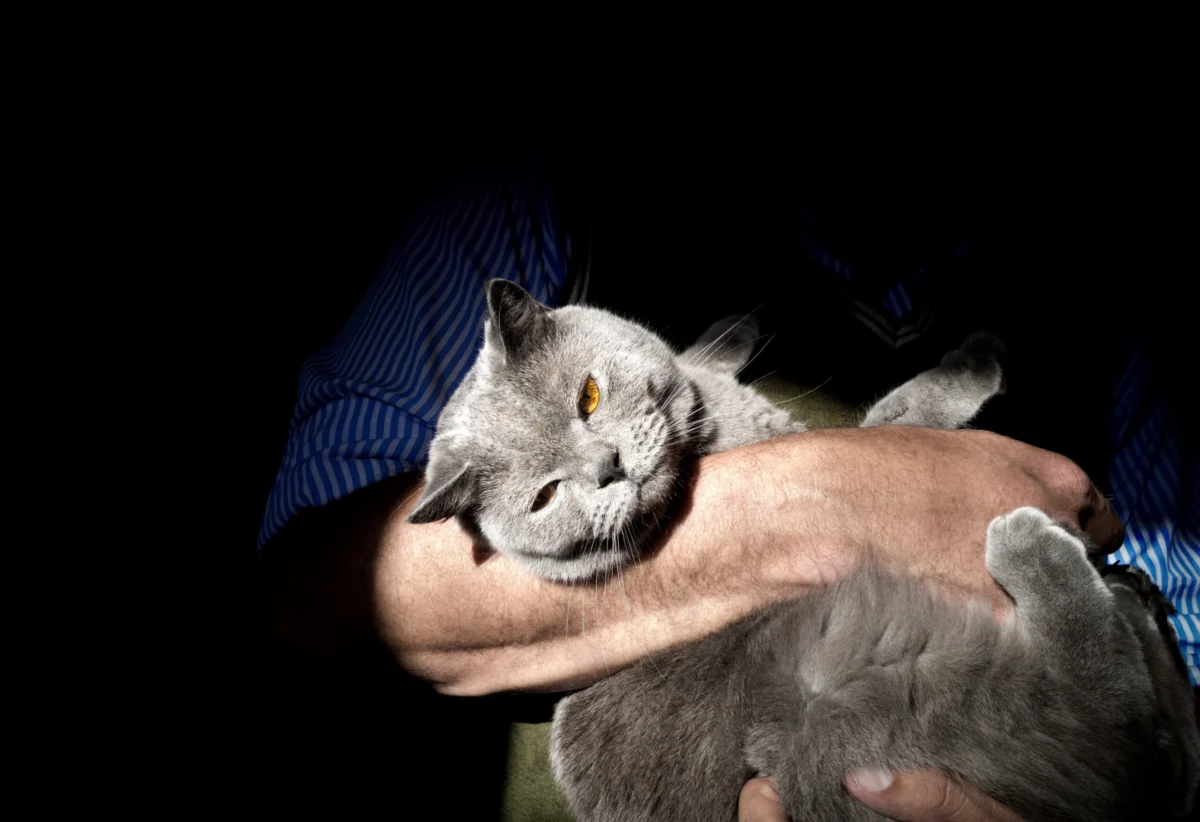
The Enduring Bond: How Animals Have Shaped Human Lives for Millennia and Continue to Enrich Our Present
For millennia, animals have been far more than mere cohabitants of our planet; they have been integral partners in the human journey. From their foundational role in early agriculture and transportation to their deep-seated presence in cultural and religious practices, the human-animal relationship is as ancient as civilization itself. The notion of keeping animals as pets, often perceived as a modern indulgence linked to affluence and materialism, is in fact a practice with profound historical roots, predating the Western world and stretching back thousands of years across diverse cultures.
Archaeological evidence offers compelling testimony to this enduring connection. In Israel and Northern Europe, some of the oldest remains of domesticated dogs have been unearthed alongside human burials, with estimates suggesting their domestication originated between 11,000 and 14,000 years ago. Further west, in the North American Midwest, similar discoveries of dogs interred with humans indicate that Native American cultures may have harbored canine companions for over 8,000 years. The timeline extends to our feline friends as well. While the ancient Egyptians are widely credited with domesticating cats around 4,000 years ago, evidence from Cyprus points to a much earlier companionship, with cats accompanying humans for at least 9,500 years. This historical tapestry clearly illustrates that the presence of pets in ancient Egypt, Greece, and Rome was not an anomaly, and their integration into imperial households in China and Japan further solidifies their long-standing role as cherished companions.
The scientific exploration of this profound bond is a relatively recent endeavor. Anthrozoology, the study of human-animal interactions (HAI), is a field gaining significant traction. As James A. Serpell, Professor Emeritus of Ethics and Animal Welfare at the University of Pennsylvania’s School of Veterinary Medicine and a leading researcher in the field since 1979, notes, "Anthrozoology is a relatively young discipline… it is enjoying a productive adolescence supported by growing original research."
However, rigorously establishing empirical evidence for the benefits of pet ownership or animal-assisted interventions presents unique challenges. Cross-sectional studies comparing pet owners with non-pet owners often grapple with the issue of causality: are people healthier and happier because they own pets, or do healthier and happier individuals tend to acquire pets? Serpell acknowledges these difficulties, stating, "It is therefore difficult to establish empirical studies to demonstrate the value of pet ownership or animal-assisted interventions using traditional research methods." Nevertheless, collaborative efforts, such as the ongoing partnership between Waltham and the Eunice Kennedy Shriver National Institute of Child Health and Human Development, are beginning to yield promising results.
In contemporary society, animals continue to play a significant role, particularly in the lives of children. Approximately 40% of U.S. households with children under 18 are pet-owning households. Animals are omnipresent in children’s media, appearing in toys, books, games, films, and television programs, reflecting their deep integration into childhood experiences. Marie A. Moore, Professor of Human-Animal Ethics and Welfare at the University of Pennsylvania and a co-author with Serpell, highlights the distinct benefits offered by different species. "Cats offer some interesting attributes for children," she explains. "They are calmer and can be very beneficial for children with hyperactivity. Dogs, on the other hand, can promote physical energy expenditure and offer active companionship for those who are more solitary."
The profound impact of animal companionship on individual lives is vividly illustrated by the story of Hortensia. After 52 years of marriage and the passing of her husband, Manuel, Hortensia found herself navigating widowhood with her eleven grandchildren. Despite her strength and independence, a shadow had fallen over her life. Her daughter, Lupe, a literature professor, observed her mother’s decline, not in physical health, but in spirit. It was in this context that Mab, a spirited dog of mixed lineage, entered their lives, named after the legendary queen who makes dreams come true.
"My mother’s life changed completely," Lupe recounts. "We never had an animal at home when we were children. Suddenly, at this stage of her life, she found herself learning new things: changing her routine, choosing a veterinarian, and educating a girl as rebellious as she was." Hortensia became an expert in Mab’s nutrition, meticulously balancing wet and dry food and researching the scientific terminology of various ingredients, demonstrating a renewed engagement with life and a commitment to her new companion’s well-being.
This personal transformation underscores a broader societal trend. José González, a veterinarian and co-founder of Alican, a Cordoban company specializing in pet food, observes, "Currently, pets are a more integrated member of the family, and they are given a very important sentimental, real, and symbolic place. Owners prioritize quality and seek the best, understanding that their pets’ well-being contributes to their own. They see it as non-negotiable when choosing what to give them, how to care for them, and what options to take for their dog or cat."
For Hortensia, Mab provided a renewed sense of purpose, a daily motivator and a framework for meaningful activity. Scientific research supports this observation. A study from the University of Florida, published in the Journal of Aging and Health, found that individuals over 65 who had owned pets for more than five years showed a delayed cognitive decline. Similarly, research led by Erika Friedmann and Nancy Gee at the University of Maryland, published in Scientific Reports, concluded that pet ownership and dog walking contribute to maintaining cognitive function during aging. Nancy Gee, a researcher at the University of Virginia’s Center for Human-Animal Interaction, elaborates, "Psychologists and psychiatrists have known for a long time that for situations of depression, anxiety, or distress, and impacts not so severe on mental health, caring for another helps in the process of regaining a state of well-being. One of the biggest difficulties for older adults is that they stop having responsibilities. They begin to feel that they are not contributing and that their capital of experience and knowledge is no longer useful."
The introduction of a pet into an older adult’s life can fundamentally alter this dynamic. The responsibility of caring for a dependent creature can reorient priorities, encourage socialization, and foster a sense of utility. Hortensia’s experience is a testament to this, as she formed a social circle of fellow dog owners, affectionately calling them her "park friends." These daily gatherings for an hour of canine play, followed by leisurely walks, have provided her with consistent social interaction and a renewed sense of community.
The Inseparable Bond: Animals as Pillars of Well-being
The positive influence of animals extends across all age groups, acting as crucial buffers against stress and anxiety. Studies reveal that animals can mitigate distress associated with various experiences, reduce the perception of physical and emotional pain, and encourage healthier, more active lifestyles, thereby reducing screen time. James A. Serpell reiterates this, stating, "In a recent investigation, when we asked them, both children and parents described pets as family members, and young children generally refer to them as their best friends."
Further research indicates the depth of this connection in children. A study found that 75% of children aged 10 to 14 sought their pets’ company when they were sad. A UK survey revealed that children often ranked their pets higher than certain human relationships, viewing dogs and cats as confidantes and providers of comfort and support. These experiences are amplified during traumatic events, such as parental separation or the loss of a close family member, and within therapeutic contexts.
For children on the autism spectrum, animal-assisted interventions have demonstrated significant improvements in critical areas, including social functioning, concentration, attention, reduced self-absorption, and a decrease in stereotyped behaviors. Samantha McKenzie, a specialist involved in a study at the University of Queensland, emphasizes the need for such programs: "Programs are needed that can assist children with ASD. In fact, researchers in Australia are testing an innovative program that teaches children with ASD how to care for pets and interact with them as a bridge to developing better interaction skills with their classmates."
Majo Villalba, mother to Felipe (9) and Antonio (7), who has autism, exemplifies the transformative power of this approach. Despite initial reservations about the added responsibility, the family adopted Rolito, a dog, two years ago, influenced by specialists who highlighted the benefits for children with autism. "The reality is that it has literally changed our lives," Majo shares. "My older son takes great care of him, sleeps with him, challenges him with daily play, he is his best friend and tells him everything. As for Antonio, who loves to sleep, Rolito was the perfect solution because I introduce him into the bed, and he helps us immensely with waking him up in the morning to go to his therapy. They play together, he wakes up with a smile, and it always ends in a hug."
The non-judgmental presence of animals is a key factor in their calming effect. "Negative experiences at an early age could lead to the development of long-term fears that generalize to other situations," explains Moore. "The presence of animals has been shown to calm children in these types of anxiety-provoking situations. When combined with the reported ability that even brief interactions with a dog can reduce perceptions of physical and emotional pain in children who have undergone surgery (1 to 3 days before interaction with a dog), the results suggest that contact with animals could be beneficial for children’s health and well-being in a tangible and measurable way."
The Heart’s Companion: Cardiovascular and Mental Health Benefits
The positive impact of pet ownership, particularly of dogs, extends to cardiovascular health. Research suggests that dog owners, especially those living alone, experience better outcomes following major cardiovascular events like heart attacks or strokes. This is attributed to the associated increase in physical activity and social support derived from dog ownership. The American Heart Association has recognized this association, indicating that pet ownership, particularly of dogs, may be linked to a reduced risk of cardiovascular disease (CVD).
For older adults, the strong bond formed with pets is also associated with lower levels of loneliness and social isolation, contributing significantly to their overall mental and emotional well-being. The companionship provided by an animal can fill a void, offering consistent affection and a reason to engage with the world.
Growing Numbers: The Rise of Pet Ownership
The trend of increasing pet ownership is a global phenomenon, with Argentina mirroring this worldwide surge in recent years. This growing number reflects not only a changing societal landscape but also a deeper understanding and appreciation of the multifaceted benefits that animals bring to human lives, reinforcing the ancient wisdom that spending time with animals can indeed make us better people.
Source of data: Waltham Petcare Science Institute.

Related Posts

The Electric Vehicle Battery Health Debate Emerges as Argentina’s EV Market Accelerates

President Donald Trump Confirms Secret Departure from Turkey Amidst Assassination Threat