Tensions Escalate in the Persian Gulf as Tehran Strikes U.S. Allies and American Forces Intensify Bombing Campaign Against Iran
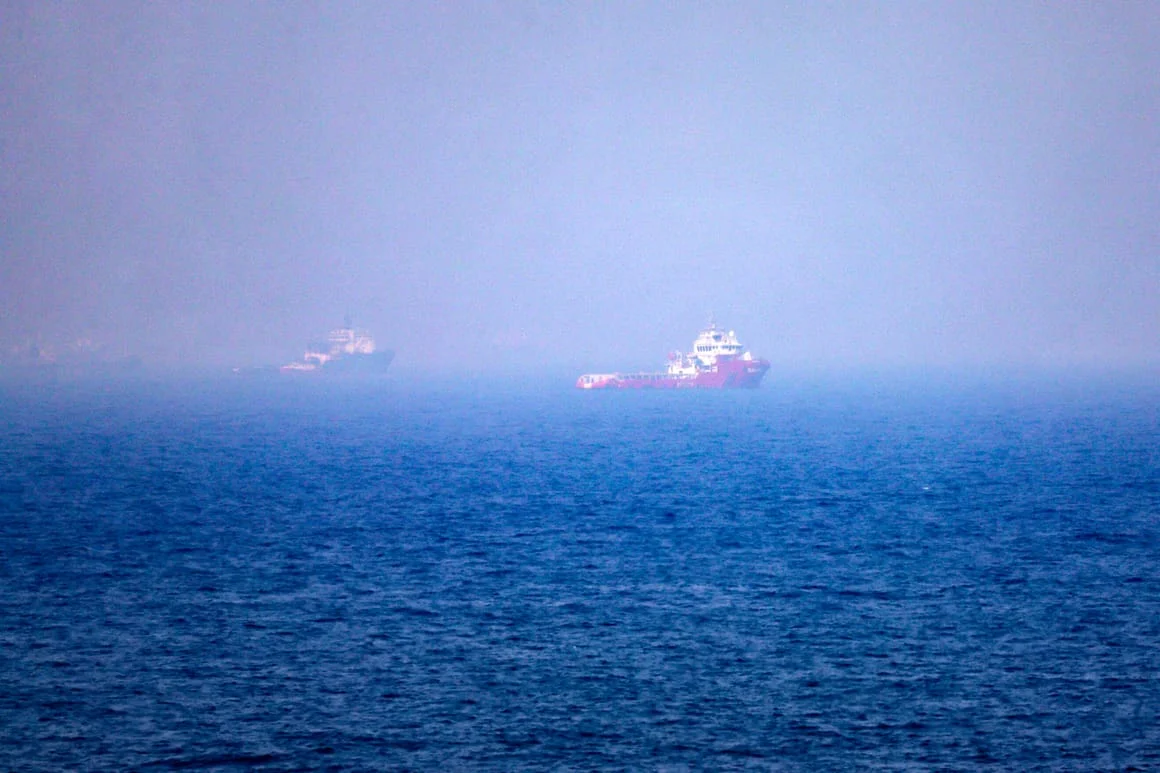
The geopolitical stability of the Middle East has suffered a catastrophic fracture this weekend as the tenuous interim peace deal between Washington and Tehran officially collapsed. On Sunday, July 19, 2026, the Persian Gulf descended further into open conflict as Iranian forces launched coordinated strikes against U.S. regional allies, while American military assets concluded an eighth consecutive night of aerial bombardment targeting Islamic Revolutionary Guard Corps (IRGC) infrastructure. The violence marks a definitive end to last month’s diplomatic efforts to secure the Strait of Hormuz, a critical maritime artery responsible for the transit of approximately 20 percent of the world’s daily oil consumption.
The Collapse of Diplomatic Channels
The dissolution of the June 2026 interim agreement, which was designed to establish a de-escalation period to facilitate the reopening of the Strait of Hormuz, occurred in a rapid sequence of accusations. Tehran declared on Saturday that it would formally suspend its commitments under the accord, citing what it described as persistent violations by the United States. In response, Supreme Leader Mojtaba Khamenei characterized the signature of U.S. President Donald Trump on the agreement as “utterly worthless and devoid of credibility.”
President Trump, speaking to NewsNation regarding the collapse of the deal, adopted a dismissive posture, stating, “I couldn’t care less.” This rhetoric reflects a hardened stance from the White House, which has prioritized military deterrence over diplomatic engagement following the death of two U.S. service members in Jordan last Friday.
Chronology of the Escalation
The current phase of hostilities follows a month of fragile negotiations that failed to address the underlying strategic friction between the two nations.
- June 2026: The interim agreement is signed, aiming to pause military maneuvers and secure the Strait of Hormuz.
- July 17, 2026: An attack in Jordan results in the deaths of two American service members, serving as the catalyst for the current surge in U.S. military activity.
- July 18, 2026: Tehran officially withdraws from the peace deal, accusing the U.S. of bad-faith negotiations.
- July 12–19, 2026: U.S. Central Command (CENTCOM) initiates eight consecutive nights of strikes, focusing on IRGC maritime, air defense, and storage capabilities.
- July 19, 2026: Iranian strikes target critical infrastructure in Kuwait, Bahrain, and Jordan, widening the theater of conflict.
Strategic Impact on Regional Infrastructure
The scope of Iranian retaliation has shifted toward critical civilian and industrial infrastructure, raising concerns about the long-term humanitarian impact of the conflict. In Kuwait, a major power and water desalination plant was struck for the second time in 48 hours, triggering a significant fire. Given that Kuwait relies on desalination for approximately 90 percent of its potable water supply, these strikes pose a direct threat to the country’s basic survival needs.
Simultaneously, the theater of war has expanded toward the Levant and the Arabian Peninsula. Bahrain reported the interception of incoming munitions, while Jordan confirmed the successful downing of three out of four Iranian missiles targeting its territory. Furthermore, Israeli officials have issued stern warnings regarding the proximity of the conflict, noting that projectiles aimed at the port city of Aqaba could easily spill over into Israeli sovereign territory, which would risk drawing a new regional player into the direct line of fire.
The Darkhovin Incident and Nuclear Concerns
A point of intense international scrutiny is the reported strike on the unfinished Darkhovin nuclear power plant in Iran’s Khuzestan province. Tehran has claimed the facility was a primary target of U.S. air power. The International Atomic Energy Agency (IAEA) has moved to verify the site, noting in a preliminary assessment that the facility remains in the early stages of construction and currently contains no nuclear material. Therefore, the agency stated, there is no immediate radiological risk to the region. However, the targeting of such facilities signals a significant escalation in the scope of American military objectives.

According to Iranian state media, the human cost of the week’s bombardment has been substantial, with officials reporting 50 deaths and 517 injuries among military and associated personnel. These figures, while difficult to independently verify, underscore the intensity of the air campaign.
Economic Implications and Energy Markets
Despite the volatility, the U.S. Department of Energy remains focused on maintaining global market confidence. Secretary Chris Wright emphasized on ABC’s "This Week" that oil flows through the Strait of Hormuz have not been halted, though they have been reduced. Secretary Wright placed the current volume at roughly 14 million barrels per day—approximately two-thirds of the pre-conflict average.
“Almost all the public data I’ve seen is incorrect,” Wright stated, attempting to temper market panic. However, analysts suggest that the combination of kinetic military strikes and the suspension of the peace deal creates a "risk premium" that could lead to significant fluctuations in global energy prices if the conflict persists beyond the current week.
Analysis: The Military and Political Calculus
From a military perspective, the U.S. objective is clear: to "swiftly punish" the IRGC and degrade its ability to threaten maritime trade. By targeting coastal surveillance, air defense radar, and drone storage, the U.S. aims to neutralize the "anti-access/area denial" (A2/AD) capabilities that Iran has spent years cultivating.
However, the political implications are more complex. By widening the list of targets to include infrastructure, the U.S. risks alienating regional partners who fear they will be the primary targets of Iranian "asymmetric" responses. Iran’s military command, describing the U.S. campaign as a "delusional scheme," has vowed a "devastating response," suggesting that Tehran is not yet deterred by the current level of military pressure.
The failure of the interim deal highlights the fundamental lack of trust between the two administrations. With the diplomatic track effectively shuttered, both nations have defaulted to a logic of attrition. For the United States, the focus remains on protecting its personnel and securing international waterways. For Iran, the strategy appears to be one of demonstrating that the costs of U.S. intervention—both in terms of regional stability and the safety of U.S. allies—will be prohibitively high.
As the ninth night of potential airstrikes approaches, the region remains in a state of high alert. With no new diplomatic framework on the horizon and both sides signaling an intent to escalate rather than retreat, the possibility of a broader, more protracted conflict in the Persian Gulf has reached its highest point in years. The global community now faces the prospect of navigating a volatile energy landscape while simultaneously attempting to prevent a localized confrontation from spiraling into a systemic regional war.