Tensions Escalate as U.S. and Iran Negotiate Potential Deal Over the Strategic Strait of Hormuz
The diplomatic landscape in the Persian Gulf remains volatile as the United States and Iran engage in high-stakes negotiations concerning the operational status of the Strait of Hormuz. Following a weekend announcement by U.S. President Donald Trump, claims have emerged that Tehran has reached out to Washington to request a cessation of military strikes, contingent upon a comprehensive agreement that would secure the reopening of the vital maritime chokepoint. Writing on Truth Social, President Trump emphasized that any prospective arrangement must fundamentally address the “Immediate, Complete, and Total OPENING OF THE HORMUZ STRAIT” while simultaneously dismantling Iran’s nuclear capabilities. This development follows a period of heightened hostilities that led to the U.S. reimposition of a naval blockade on Iranian ports on July 14, an action that has since become the primary obstacle in ongoing ceasefire deliberations.
The Strategic Importance of the Strait of Hormuz
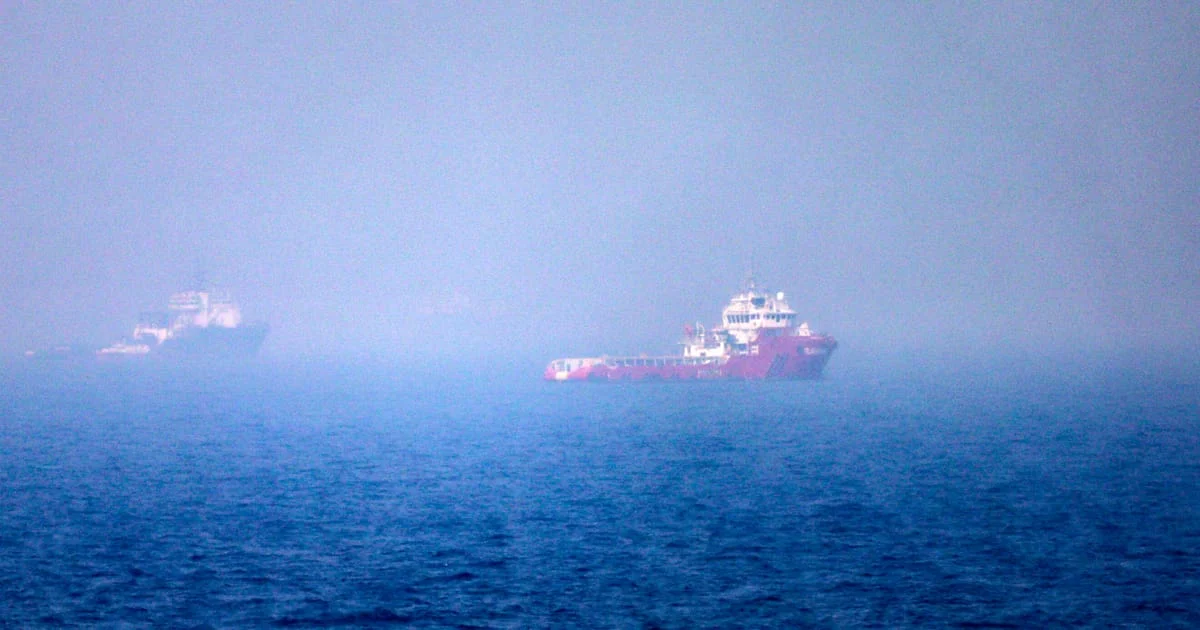
The Strait of Hormuz is widely considered the world’s most important oil transit chokepoint. Located between Oman and Iran, it connects the Persian Gulf with the Gulf of Oman and the Arabian Sea. According to data from the U.S. Energy Information Administration (EIA), the strait serves as a critical artery for global energy markets, with an estimated 21 million barrels of petroleum liquids passing through the narrow passage daily. This volume represents approximately 20% of total global petroleum consumption.
Beyond crude oil, the strait is a vital route for Liquefied Natural Gas (LNG) shipments, particularly those originating from Qatar. Any disruption in this maritime corridor carries immediate and severe implications for global energy prices and supply chain stability. The current military-imposed closure has resulted in significant volatility in energy futures, as shippers are forced to divert vessels or face prohibitive insurance premiums associated with operating in a conflict zone.
Chronology of the Recent Escalation
The current impasse is the result of a rapid deterioration in relations that began earlier this summer. The following timeline outlines the primary developments leading to the present state of affairs:
- Early July: Increased naval skirmishes occur in the Persian Gulf, leading to heightened alert levels for U.S. Fifth Fleet assets and Iranian Revolutionary Guard Corps (IRGC) naval units.
- July 14: Following a series of direct military engagements, the United States formally reimposes a comprehensive naval blockade on Iranian ports, effectively severing the nation’s primary maritime trade routes.
- Mid-July: Israel and the U.S. launch coordinated military strikes targeting infrastructure associated with Iran’s maritime surveillance and missile systems, citing threats to international shipping.
- Late July: The Strait of Hormuz is officially declared non-navigable for commercial vessels due to the presence of naval mines and active combat patrols.
- Current Week: Diplomatic backchannels are activated. President Trump states that Tehran has initiated contact, seeking a reprieve from military pressure in exchange for concessions regarding the strait and its nuclear program.
Perspectives from Tehran and International Observers
Esmail Baqaei, representing the Iranian position, has consistently maintained that the closure of the strait is a direct consequence of the military strikes launched by the United States and Israel. Tehran’s official stance holds that the maritime blockade is an act of economic warfare that violates international law. Consequently, Iranian officials have insisted that any ceasefire agreement must be predicated on the immediate lifting of the blockade, characterizing it as a prerequisite for any further dialogue regarding the nuclear file.
International observers and regional powers have expressed profound concern regarding the hardening of positions. Saudi Arabia and the United Arab Emirates, both of which rely on the Strait of Hormuz for the export of their hydrocarbon resources, have urged both Washington and Tehran to prioritize diplomatic de-escalation. European Union representatives have also signaled their intent to facilitate a resolution, emphasizing that the global economic repercussions of a sustained closure are untenable.
Fact-Based Analysis of the Impasse
The central tension in the current negotiations lies in the conflicting priorities of the two primary actors. For Washington, the priority is the total cessation of Iran’s nuclear enrichment activities and the restoration of free navigation in the Persian Gulf. For Tehran, the priority is the preservation of its economic viability, which is currently being strangled by the naval blockade.
The "all-or-nothing" approach adopted by both parties creates a significant barrier to a short-term settlement. If Iran agrees to open the strait, it risks losing its primary leverage in negotiations, potentially leaving it vulnerable to further U.S. and Israeli military action. Conversely, if the United States lifts the naval blockade without concrete, verifiable assurances regarding Iran’s nuclear program, it may be perceived as a strategic concession that fails to address the underlying security concerns that precipitated the crisis.
From an economic perspective, the longer the strait remains closed, the higher the likelihood of a global recession triggered by energy supply shocks. Commodity analysts note that while alternative pipelines exist—such as the East-West Pipeline in Saudi Arabia—they lack the capacity to compensate for the total loss of throughput through the Strait of Hormuz.
Implications for Regional and Global Security
The broader implications of this standoff extend well beyond the immediate energy markets. The involvement of Israel in the military campaign against Iranian naval assets has expanded the scope of the conflict, transforming it from a bilateral U.S.-Iran dispute into a regional confrontation.
- Naval Warfare Modernization: The conflict has highlighted the vulnerability of maritime commerce to asymmetric warfare. The use of low-cost naval mines and fast-attack craft by Iran to challenge a superpower naval presence has sparked a debate within military circles regarding the future of coastal defense and maritime security.
- Nuclear Proliferation Risks: The linkage of the strait’s reopening to the nuclear file suggests that the U.S. is utilizing the current economic pressure to force a permanent end to Iran’s nuclear ambitions. This strategy is high-risk; should the negotiations fail, the pressure on Iran may lead it to accelerate its nuclear activities as a deterrent against further strikes.
- Shifting Alliances: The crisis has forced other regional actors to carefully calibrate their responses. Countries that have traditionally maintained a neutral stance are increasingly being pressured to choose sides, which could lead to a permanent realignment of alliances in the Middle East.
The Path Forward: Diplomatic Hurdles
As the international community watches the situation unfold, the path toward a resolution remains fraught with difficulty. The requirement for a "total opening" of the strait implies a significant drawdown of military assets by both sides. However, the lack of trust between Washington and Tehran makes the verification of such an agreement extremely challenging.
Recent reports suggest that third-party mediators, including regional Gulf states and international entities, are working to draft a "phased approach" that would see the gradual easing of the naval blockade in exchange for verifiable milestones in the nuclear negotiation process. Whether such a framework can satisfy the rigid demands set forth by both President Trump and the Iranian leadership remains to be seen.
In the interim, the global energy market remains on edge. Tanker traffic in the Gulf of Oman has slowed to a crawl, and marine insurance rates for the region have spiked to historic highs. The geopolitical and economic stakes have never been higher, and the coming weeks will likely determine whether the region descends into a prolonged state of maritime paralysis or emerges with a fragile, negotiated settlement that restores the flow of global commerce.
Ultimately, the resolution of this crisis will depend on the ability of the involved parties to move beyond public posturing and engage in the substantive compromises required to stabilize one of the world’s most critical geopolitical chokepoints. Until such a consensus is reached, the status quo of the Strait of Hormuz will continue to exert a destabilizing influence on both regional security and the global economy.