
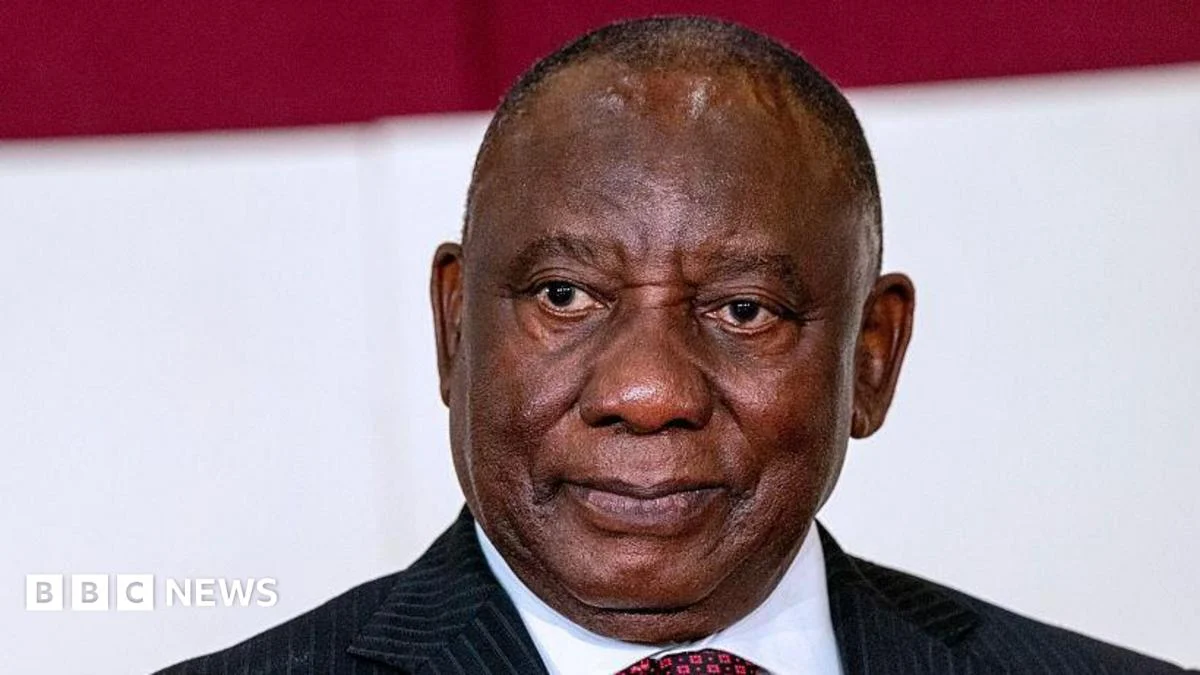
South African Court Temporarily Halts Parliamentary Impeachment Inquiry into President Ramaphosa Over "Farmgate" Scandal
A South African court has delivered a significant temporary reprieve to President Cyril Ramaphosa, ruling in favour of his urgent bid to halt a parliamentary inquiry examining whether he should face impeachment over the contentious "Farmgate" scandal. The decision, handed down by the Western Cape High Court on Friday, effectively pauses the legislative process, buying the President crucial time to challenge the underlying findings that prompted the inquiry. This judicial intervention underscores the intricate interplay between South Africa’s executive, legislative, and judicial branches, particularly in matters of high political sensitivity and national importance.
The Genesis of "Farmgate": A Robbery Unveiled
The saga, now widely known as "Farmgate," traces its origins back to a seemingly ordinary criminal act in February 2020: a robbery at President Ramaphosa’s private Phala Phala game farm in the Limpopo province. What elevated this incident from a private matter to a national scandal was the nature of the items stolen and the subsequent allegations of their concealment. Thieves reportedly broke into the property and made off with a substantial sum of foreign currency – specifically, at least $580,000 (approximately £430,000 at the time) in US dollar bills – which was reportedly hidden in a sofa.
For two years, the details of this theft remained largely undisclosed to the public. The lid was blown off the affair in June 2022, when Arthur Fraser, the country’s former director-general of the State Security Agency and a known ally of Ramaphosa’s political rival and predecessor, Jacob Zuma, lodged a criminal complaint against the President. Fraser’s explosive affidavit alleged that Ramaphosa had concealed the theft from both the South African Police Service (SAPS) and the South African Revenue Service (SARS). Crucially, Fraser also raised questions about the source of the large quantity of foreign currency and its presence on the President’s private property, suggesting potential contraventions of the country’s stringent exchange control laws. South Africa has strict regulations governing the holding and movement of foreign currency, primarily aimed at preventing illicit financial flows and maintaining economic stability.
President Ramaphosa has consistently denied any wrongdoing, asserting that the money was proceeds from the legitimate sale of buffaloes to a Sudanese businessman. He maintained that the transaction was above board and that the cash was being held on the farm pending the completion of the sale and delivery of the animals. However, the allegations of concealment and the implications of such a large cash sum in foreign currency ignited a fierce debate about transparency, accountability, and the conduct of public officials at the highest level.
An Independent Panel’s Damning Findings
In response to growing public pressure and parliamentary calls for investigation, the then Speaker of the National Assembly, Nosiviwe Mapisa-Nqakula, appointed an independent panel in late 2022 to conduct a preliminary assessment of the allegations against President Ramaphosa. Chaired by former Chief Justice Sandile Ngcobo, the three-member panel was tasked with determining whether there was prima facie evidence that Ramaphosa may have violated his oath of office or committed serious misconduct, thereby warranting an impeachment inquiry.
In November 2022, the independent panel released its report, concluding that President Ramaphosa might indeed have a case to answer. The panel identified several areas where the President potentially breached his constitutional duties, including:
- Potentially violating Section 96(2)(a) of the Constitution by engaging in paid work inconsistent with his office.
- Potentially violating Section 34(1) of the Prevention and Combating of Corrupt Activities Act by failing to report the theft to the police.
- Potentially exposing himself to a conflict of interest.
- Potentially contravening exchange control regulations.
These findings sent shockwaves through the political establishment, with opposition parties immediately calling for Ramaphosa’s resignation or impeachment. However, in December 2022, Members of Parliament, predominantly from Ramaphosa’s African National Congress (ANC) party which then held a comfortable majority, voted against establishing an impeachment inquiry based on the panel’s report. This decision effectively shelved the matter in parliament, leading to widespread criticism from civil society and opposition factions who decried it as an attempt to shield the President from accountability.
A Crucial Legal Reversal by the Constitutional Court
The parliamentary decision to reject the independent panel’s report did not mark the end of the legal battle. Instead, it paved the way for further judicial scrutiny. In May 2024, the Constitutional Court, South Africa’s highest judicial authority, delivered a landmark ruling. It found that the National Assembly had acted unlawfully by shelving the independent panel’s report without properly considering it. The court ordered Parliament to revive the impeachment process, essentially compelling the legislature to confront the allegations against the President once more.
This ruling was a pivotal moment, re-opening a wound that the ANC had hoped to close. It breathed new life into the impeachment proceedings, forcing the newly constituted National Assembly to revisit the question of Ramaphosa’s conduct. However, the political landscape had dramatically shifted between the 2022 parliamentary vote and the Constitutional Court’s 2024 ruling.
The Shifting Political Sands: A New Parliament, New Dynamics
The 2024 general elections brought about an unprecedented change in South African politics. For the first time since the dawn of democracy in 1994, the African National Congress lost its outright majority in the National Assembly, securing only 40.18% of the vote. This seismic shift necessitated the formation of a coalition government, with the ANC eventually entering into a Government of National Unity (GNU) with its long-time rival, the Democratic Alliance (DA), and several smaller parties.
This new parliamentary configuration fundamentally altered the dynamics of any potential impeachment vote. In 2022, the ANC’s clear majority allowed it to easily vote down the establishment of an inquiry. In the current parliament, where the ANC relies on coalition partners, securing sufficient votes to either support or reject an impeachment process becomes a far more complex and delicate political exercise. The DA, the second-largest party in the GNU, has maintained a stance of accountability, while other opposition parties, such as the uMkhonto weSizwe (MK) party led by Jacob Zuma, have been vocal in their demands for Ramaphosa’s removal. This fragmented political landscape means that the President’s fate in any parliamentary inquiry would be far from predetermined.
Ramaphosa’s Legal Counter-Offensive
Against this backdrop of renewed parliamentary pressure and a precarious political environment, President Ramaphosa launched his own legal challenge. He is specifically challenging the findings of the independent panel in a separate court case, set to be heard in September 2024. Ramaphosa’s legal team contends that the panel "misconceived its mandate, misjudged the information placed before it and misinterpreted the four charges advanced against me." This legal strategy aims to discredit the very foundation upon which any parliamentary impeachment inquiry would be built.
It was in anticipation of this September hearing and to prevent immediate parliamentary action that Ramaphosa sought the urgent interdict from the Western Cape High Court. His legal team argued that allowing the parliamentary committee to proceed with its hearings before his challenge to the panel’s findings could be heard and finalised would cause him irreparable reputational harm. The argument underscored the severe damage that an ongoing, high-profile impeachment inquiry could inflict on the President’s standing, both domestically and internationally, regardless of the eventual outcome. They contended that it was unjust to allow a process based on what they consider flawed findings to continue.
The Western Cape High Court’s Ruling: A Temporary Halt
On Friday, the Western Cape High Court heard the urgent application. A panel of three judges presided over the matter, and in a majority decision, two of the judges ruled in favour of President Ramaphosa. Judge Andre le Grange, delivering the majority judgment, ordered that the parliamentary committee be halted from proceeding with its hearings "pending the determination by this court of the applicant’s review" – a direct reference to Ramaphosa’s pending case against the independent panel.
This ruling is a significant victory for President Ramaphosa, at least in the short term. It effectively buys him critical time, pushing back the parliamentary impeachment proceedings until his legal challenge against the independent panel’s report is heard and finalised. His legal team successfully argued that the harm of proceeding with an inquiry based on a potentially flawed report outweighed the public interest in an immediate parliamentary process. The court’s decision acknowledges the potential for reputational damage and the principle that a person should have the opportunity to challenge the basis of accusations against them before facing further punitive action. For Ramaphosa, this period offers a window to, as he hopes, "clear his name" through the judicial process before facing the political scrutiny of parliament.
Reactions from the Political Spectrum
The court’s ruling elicited a range of reactions from South Africa’s political landscape, reflecting the deep divisions and high stakes involved in the "Farmgate" scandal.
President Ramaphosa, through his office, released a statement acknowledging and "respecting" the court’s decision. His measured response indicated a commitment to allowing the legal process to unfold, while implicitly affirming his belief in his legal strategy.
The Democratic Alliance (DA), a key partner in the newly formed Government of National Unity, issued a nuanced response. While noting that the ruling was "not unexpected" given the legal arguments presented, the DA emphasised that the decision did not "stop the committee from continuing with preparatory [work]." This suggests that while the formal hearings are paused, the parliamentary machinery can still undertake foundational tasks, indicating the DA’s continued commitment to the principle of accountability without directly opposing the court’s temporary halt. Their position reflects the delicate balance they must strike as a coalition partner that also champions good governance.
In stark contrast, the uMkhonto weSizwe (MK) party, led by former President Jacob Zuma and a staunch critic of Ramaphosa, vehemently condemned the ruling. The MK party accused the President of "using the courts to stop a process that was trying to uncover what happened at his private farm." Their reaction aligns with their broader narrative of challenging Ramaphosa’s legitimacy and demanding full transparency on the matter, portraying the legal manoeuvres as an obstruction of justice.
The African National Congress (ANC), Ramaphosa’s party and the leading component of the coalition government, welcomed the ruling. The party urged other political entities to "refrain from politically motivated distortions" as the legal process unfolds. This statement serves to defend the President’s legal right to challenge the panel’s findings and to frame any criticism of this process as politically motivated rather than genuinely concerned with justice.
Broader Implications and the Road Ahead
The Western Cape High Court’s decision carries significant implications for South Africa’s political and legal future.
Legal Precedent and Separation of Powers: The ruling highlights the robust nature of South Africa’s constitutional democracy and the vital role of the judiciary in overseeing the actions of both the executive and legislative branches. While the judiciary typically defers to parliamentary processes, this intervention underscores the court’s willingness to step in when there are questions about the fairness or legal basis of such processes, particularly when fundamental rights or potential reputational harm are at stake. It sets a precedent regarding the ability of high-ranking officials to challenge the preliminary findings that trigger impeachment proceedings.
Governance and Accountability: The "Farmgate" scandal continues to test the country’s commitment to transparency and accountability. While the court’s ruling provides temporary relief for Ramaphosa, it does not resolve the underlying allegations. The public and civil society groups remain keen on understanding the full truth behind the hidden cash and the circumstances of the robbery. The prolonged legal battle may lead to perceptions of delayed justice, potentially eroding public trust in institutions.
Political Stability and the Coalition: For the nascent Government of National Unity, the ongoing "Farmgate" saga presents a persistent challenge. While the DA’s reaction was measured, the strong opposition from parties like MK and the EFF (Economic Freedom Fighters) ensures that the issue will remain a political hot potato. The ability of the coalition to navigate such sensitive issues, particularly those touching on the integrity of the President, will be a crucial test of its stability and cohesion. Any further legal or political developments could strain relationships within the GNU.
Ramaphosa’s Leadership and Legacy: For President Ramaphosa, the path ahead is fraught with challenges. While the court’s decision offers a lifeline, the ultimate resolution of the "Farmgate" allegations will be critical for his leadership and legacy. Clearing his name through the courts would undoubtedly strengthen his position. Conversely, an adverse ruling in September or renewed parliamentary scrutiny could severely undermine his authority, already weakened by the ANC’s electoral performance. The entire saga has, to some extent, overshadowed his efforts to address South Africa’s pressing socio-economic issues, diverting political energy and focus.
The September court hearing, where President Ramaphosa will challenge the independent panel’s findings, thus becomes the next pivotal moment in this protracted and complex legal and political drama. Its outcome will not only determine the immediate fate of the impeachment inquiry but will also have profound consequences for President Ramaphosa’s tenure and the broader political landscape of South Africa. The nation watches as the legal and political battles continue to unfold, shaping the future of its democratic institutions.

Related Posts
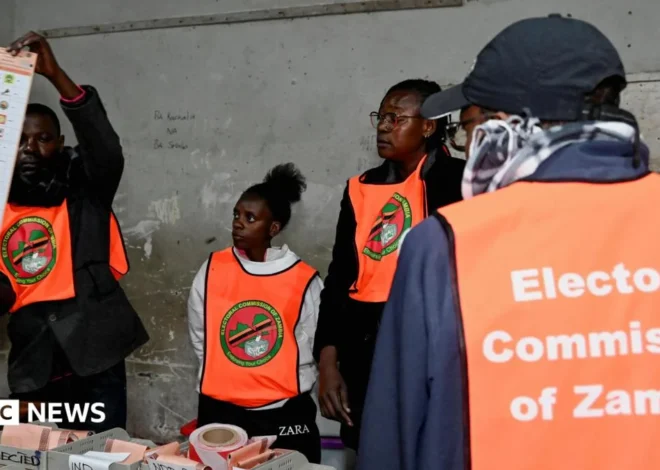
Zambia on Edge: Opposition Leader Arrested Amid Allegations of Insurrection Plot and Election Tensions
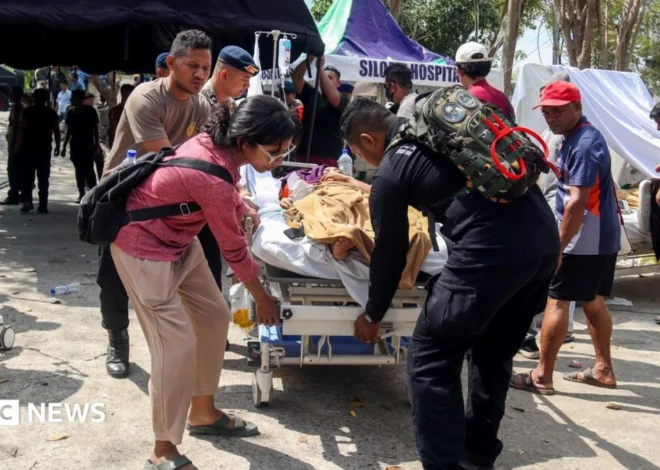
Rescuers search for survivors of powerful Indonesia earthquake

