Saudi Arabia Executes Five Ethiopian Migrants Amid Rising Concerns Over Due Process and Use of Capital Punishment for Drug Offenses
The execution of five Ethiopian migrants by Saudi Arabian authorities on July 27, 2026, has ignited a renewed international outcry regarding the Kingdom’s use of the death penalty for nonlethal offenses and the systemic lack of due process afforded to foreign nationals. According to a detailed report by Human Rights Watch (HRW), the five men were executed for drug-related charges following judicial proceedings that advocates describe as a mockery of justice. This latest incident brings the total number of Ethiopian nationals executed in Saudi Arabia on drug charges to at least 17 since the beginning of 2026, highlighting a disturbing trend that places dozens more at imminent risk of the same fate.
As of late July 2026, the European Saudi Organization for Human Rights (ESOHR) reports that Saudi Arabia has carried out at least 116 executions across various categories of crime. However, the focus on Ethiopian migrants underscores a specific vulnerability within the Saudi judicial system. Human rights organizations estimate that at least 79 additional Ethiopian citizens currently languish on death row in the Kingdom, facing execution for similar nonlethal drug offenses. The speed and opacity of these legal proceedings have drawn sharp criticism from global monitors, who argue that the Saudi system treats the lives of marginalized migrants as "disposable."
Judicial Deficiencies and the Erosion of Due Process
The circumstances surrounding the trials of the five men executed on July 27 reveal a consistent pattern of procedural failure. Joey Shea, a senior Saudi Arabia researcher at Human Rights Watch, noted that court hearings for these individuals often last only a few minutes. In many instances, the accused are denied access to legal counsel and are provided with inadequate or nonexistent translation services, despite not speaking or reading Arabic.
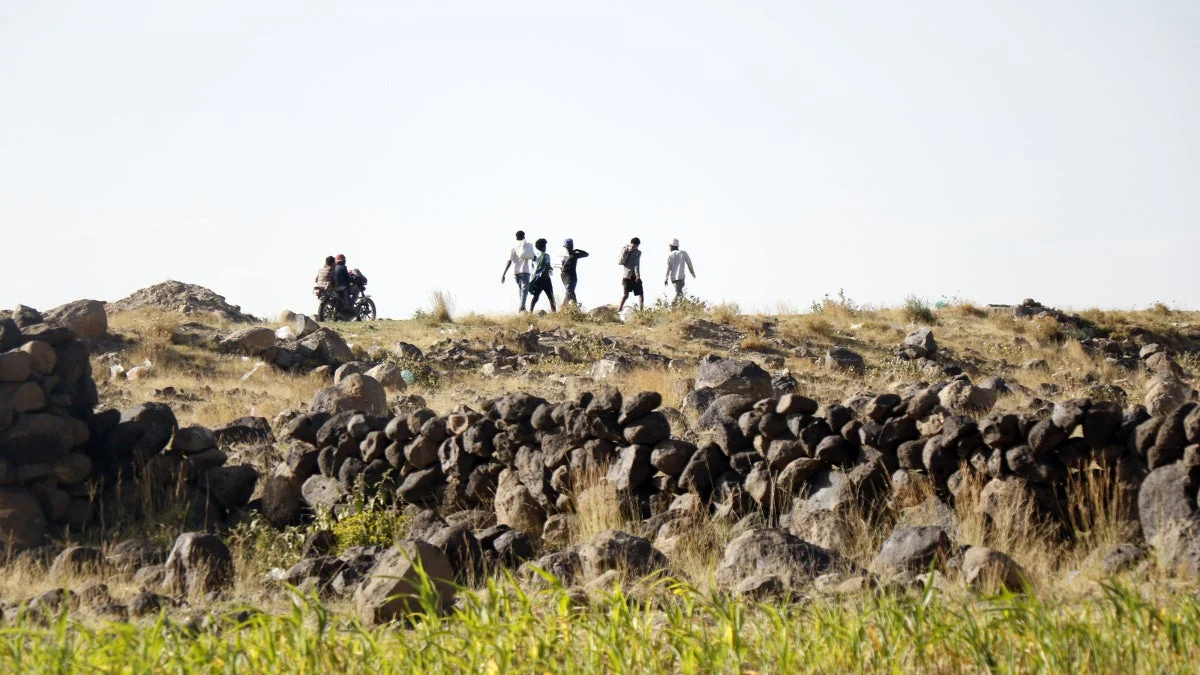
The five men executed in the most recent wave were arrested while walking along a road near the Yemen-Saudi border. Sources familiar with the case indicate that the men were unaware they had even crossed into Saudi territory. Following their arrest, they were detained for more than three years at the Khamis Mushait detention facility in the Asir province. During this period, they were reportedly coerced into signing documents in Arabic—a language they could not comprehend—which later served as the basis for their convictions.
Of the three court sessions held for the men, two were conducted remotely. A state-provided translator was present for only two of these sessions, leaving the defendants unable to understand the full scope of the evidence against them or to provide a meaningful defense. When informed of their right to appeal, the men, who were largely illiterate in Arabic, had to rely on fellow inmates to draft their petitions. There remains no confirmation that these appeals were ever actually reviewed by a judge or even delivered to the court by the facility’s security guards.
From Conflict to Captivity: The Tigrayan Connection
The five executed migrants were identified as being from Ethiopia’s northern Tigray region. This geographic origin is significant, as Tigray was the epicenter of a brutal armed conflict between 2020 and 2022. Although a peace agreement was reached, the humanitarian situation in the region remains dire, and reports of persistent rights abuses and forced recruitment continue to surface.
Many Tigrayans have fled the region in search of safety and economic opportunity, often taking the "Eastern Route." This perilous migration path involves crossing the Gulf of Aden to Yemen and then attempting to enter Saudi Arabia on foot. The five men in question had been living in Yemen for over a year, facing extreme poverty and unemployment, before being approached by a Yemeni national who offered them a "job."
According to testimony gathered by HRW, the men were physically and mentally exhausted by their journey and felt they had no choice but to accept the task, which involved carrying packages with unknown contents over a short distance. This narrative of "drug mules" being recruited from the most desperate echelons of the migrant population is a recurring theme in Saudi drug-related death penalty cases.
The Resumption of Drug-Related Executions
The surge in executions for drug offenses marks a significant shift in Saudi policy. In 2020, Saudi Arabia announced a moratorium on the death penalty for drug-related crimes, a move that was initially praised by the international community as a step toward legal reform. However, this moratorium was effectively ended in late 2022, and the use of capital punishment for nonlethal offenses has since accelerated.
In 2025, nonlethal drug-related offenses accounted for approximately 68 percent of all executions in the Kingdom. This practice stands in direct opposition to international human rights standards, which dictate that the death penalty should be reserved only for the "most serious crimes"—a term legally understood to refer to crimes involving intentional killing. The United Nations Working Group on Arbitrary Detention has repeatedly condemned Saudi Arabia’s use of the death penalty for drug smuggling, stating that such punishments are incompatible with the right to life and the right to a fair trial.
A complicating factor in many of these cases is the cultural and legal status of qat (khat). Qat is a stimulant plant native to the Horn of Africa and the Arabian Peninsula. While it is legally consumed and culturally integrated in Ethiopia and Yemen, its active component, cathinone, is strictly banned in Saudi Arabia. Migrants are often coerced by smugglers into carrying qat across the border, unaware that the act carries a mandatory death sentence in the Kingdom. In some cases, authorities have conflated the smuggling of qat with the smuggling of more potent substances like hashish, leading to confusion and heightened sentencing.
Religious Persecution and Detention Conditions
In addition to the legal failings, reports have emerged regarding the treatment of Christian Ethiopian migrants within the Saudi prison system. The five men executed in July were Christians, and sources within the detention center reported that they were prohibited from practicing their faith. Prison officials allegedly intervened to stop group prayers and, in at least one instance, forcefully removed a cross necklace from a prisoner.
The detention conditions themselves have been characterized as "inhuman and degrading." Human Rights Watch has documented longstanding issues in Saudi migrant detention facilities, including extreme overcrowding, lack of medical care, and physical abuse. These conditions often break the resolve of detainees, making them more susceptible to signing "confessions" simply to escape the immediate misery of their environment.
Diplomatic and International Reactions
The escalating number of executions has placed a strain on Ethiopia-Saudi relations, though the diplomatic response from Addis Ababa has been criticized as being too cautious. On May 12, 2026, the Patriarch of the Ethiopian Orthodox Tewahedo Church issued a public appeal to both governments to halt the executions.
In mid-July, the Ethiopian Ministry of Foreign Affairs released a statement claiming it was "closely engaged" with Saudi authorities regarding the welfare of its nationals. However, the statement lacked specificity regarding the death row cases and did not explicitly condemn the use of capital punishment for drug offenses. Critics argue that the Ethiopian government, which relies heavily on remittances from its large diaspora in Saudi Arabia, is hesitant to jeopardize its economic ties with Riyadh.
Conversely, human rights organizations are calling for immediate and decisive action. They are urging the international community to pressure Crown Prince Mohammed bin Salman to reinstate the moratorium on drug-related executions and to commute the sentences of those currently on death row.
Broader Implications and the Human Rights Landscape
The use of the death penalty is often viewed through the lens of Saudi Arabia’s "Vision 2030" initiative, a massive social and economic reform project intended to modernize the Kingdom and improve its global image. However, the continued and expanded use of capital punishment for nonlethal crimes suggests a disconnect between the country’s public relations efforts and its judicial realities.
The treatment of Ethiopian migrants is particularly egregious when viewed alongside previous reports of violence at the border. In 2023, Human Rights Watch released a report alleging that Saudi border guards had killed hundreds of Ethiopian migrants trying to cross from Yemen. These findings, combined with the current execution figures, paint a picture of a state policy that views migrants not as human beings with rights, but as security threats or disposable labor.
The implications of these executions extend beyond the individuals involved. They serve as a chilling deterrent to the hundreds of thousands of Ethiopians currently living in Saudi Arabia, many of whom are undocumented and live in constant fear of the legal system. For the families of those executed, the lack of transparency means they often learn of their loved ones’ deaths only after the sentence has been carried out, frequently without the opportunity for a final goodbye or the return of the remains for a proper burial.
Conclusion
The execution of five Ethiopian migrants on July 27, 2026, is a stark reminder of the fragile state of human rights within the Saudi judicial system. As 79 more Ethiopians wait on death row, the window for diplomatic intervention is closing. Human rights advocates maintain that until Saudi Arabia aligns its legal practices with international standards—specifically regarding the "most serious crimes" threshold and the right to a fair trial—the Kingdom’s claims of modernization will remain overshadowed by the shadow of the executioner.
The international community, including the United Nations and Western allies of Saudi Arabia, faces increasing pressure to move beyond rhetoric and demand a halt to the execution of vulnerable migrants. For the victims of the Tigray conflict who fled one form of violence only to meet another in a Saudi courtroom, justice remains an elusive concept.

Related Posts

Human Rights Watch Calls for Investigation into Death of Detainee Following Removal from Najaf Hospital by Iraqi Drug Police
Human Rights Watch Urges UN Security Council to Extend Lebanon Peacekeeping Mission Amid Escalating Conflict and Humanitarian Crisis