Robust Guidelines for EU Companies Vital to Accountability Law
Human Rights Watch submitted a comprehensive written proposal to the European Commission on July 23, urging the body to establish rigorous and uncompromising guidelines for the implementation of the Corporate Sustainability Due Diligence Directive (CSDDD). This landmark piece of legislation, designed to hold large corporations accountable for human rights and environmental violations within their global supply chains, is currently in a critical phase of administrative refinement. As the European Commission formulates the technical guidance that will dictate how businesses interpret and apply the law, human rights advocates warn that the effectiveness of the directive hangs in the balance. The submission by Human Rights Watch (HRW) serves as a formal intervention against the perceived weakening of the law’s original intent, following intense pressure from corporate interest groups and various member states.
The Genesis of Corporate Accountability: From Voluntary to Binding Standards
The push for the CSDDD was born out of a decades-long recognition that voluntary corporate social responsibility (CSR) initiatives were insufficient to prevent catastrophic human rights failures. For years, international frameworks such as the United Nations Guiding Principles on Business and Human Rights (UNGPs) and the OECD Guidelines for Multinational Enterprises provided a blueprint for ethical conduct, but they lacked the force of law. The passage of the CSDDD in 2024 marked a historic shift toward mandatory due diligence, requiring companies to not only identify potential risks but also to actively mitigate and remediate them.
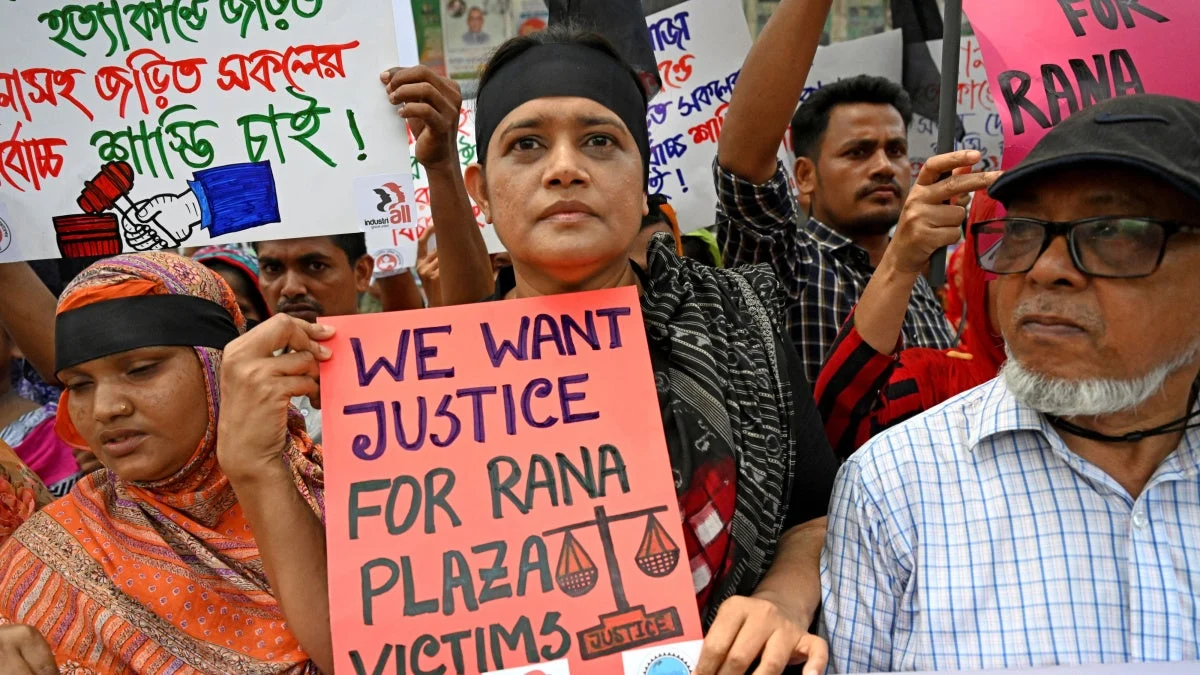
The necessity of such a law is underscored by high-profile tragedies where corporate negligence led to massive loss of life. In April 2013, the collapse of the Rana Plaza garment factory in Bangladesh resulted in the deaths of 1,138 workers and left thousands more with permanent disabilities. The factory produced apparel for several major European and North American brands, many of whom claimed no knowledge of the building’s structural failings. Similarly, the 2019 Brumadinho mine dam disaster in Brazil, operated by the mining giant Vale, released a torrent of toxic tailings that buried entire communities and killed 270 people. These incidents highlighted a systemic "accountability gap" where parent companies could reap profits from global operations while remaining insulated from the legal and moral consequences of local failures.
A Chronology of the CSDDD: Progress and Regressions
The legislative journey of the CSDDD has been characterized by intense debate and significant compromise. While the initial proposals aimed to cover a wide swathe of the European economy, the final version of the law has faced several setbacks.
- Early 2020s: Initial drafting and consultation phases saw strong support from civil society and several EU member states, aiming for a broad scope that included medium-to-large enterprises.
- May 2024: The European Union officially adopted the Corporate Sustainability Due Diligence Directive, hailed as a global "gold standard" for corporate ethics.
- December 2025: Following sustained lobbying efforts from European and U.S.-based industries—particularly the fossil fuel sector—lawmakers and member states significantly "gutted" key provisions. This included raising the thresholds for the number of employees and annual turnover required for a company to fall under the law’s jurisdiction, effectively exempting thousands of firms.
- July 2026 (Projected): The European Commission continues to develop the specific implementation guidelines that will serve as the rulebook for corporate compliance.
- July 2029: The date by which the directive is scheduled to become fully binding for the largest remaining companies in scope, representing a significant delay from earlier proposed timelines.
This timeline reflects a tug-of-war between the need for human rights protections and the economic concerns of major industrial players. HRW’s recent submission argues that the guidance currently being drafted by the European Commission is the last opportunity to ensure the law retains its "teeth" before the 2029 deadline.
Industry Lobbying and the Dilution of Scope
The reduction in the directive’s scope is a primary point of concern for Human Rights Watch. Reports indicate that lobbying by the fossil fuel industry and various business associations argued that the administrative burden of the CSDDD would disadvantage European firms in a competitive global market. These groups successfully campaigned to reduce the number of companies covered by the law by nearly 70% compared to earlier drafts.
By increasing the employee count and turnover thresholds, the law now focuses primarily on the "very largest" corporations. This leaves a significant portion of the global supply chain—where many of the most egregious abuses occur—without the direct oversight intended by the original directive. Human Rights Watch notes that by delaying the binding nature of the law until 2029, the EU has inadvertently created a "grace period" during which victims of corporate abuse have little recourse under the new framework.
Critique of the Commission’s Consultation Process
In its submission, Human Rights Watch also took aim at the European Commission’s methodology for gathering input on the guidelines. The Commission provided a narrow nine-week window for stakeholders to submit feedback, a timeframe HRW describes as insufficient for a law of such complexity and global impact. Furthermore, the requirement that submissions adhere to a rigid, detailed questionnaire with strict word limits has been criticized for stifling nuanced feedback from civil society organizations and labor unions.
"The restrictive nature of the consultation process limits the ability of those most affected—workers and local communities—to have their voices heard," HRW stated in its analysis. The organization argues that the Commission’s approach prioritizes administrative efficiency over the substantive participation of stakeholders who possess on-the-ground knowledge of supply chain risks.
Human Rights Watch’s Core Recommendations
The HRW submission outlines several "non-negotiable" elements that must be included in the final Commission guidance to ensure the CSDDD remains a functional tool for justice.
1. Meaningful Stakeholder Engagement
HRW emphasizes that due diligence cannot be a "check-box" exercise conducted from a corporate office in Brussels or Paris. Companies must establish safe, accessible, and transparent channels for consulting with labor unions, factory workers, and local civil society. This is particularly vital in high-risk sectors such as mining, agriculture, and textiles, where child labor, forced labor, and environmental degradation are most prevalent. The guidance must specify that consultation should be ongoing and culturally appropriate, ensuring that marginalized groups are not excluded.
2. Proportionate and Prompt Remediation
The submission underscores that identifying a risk is only the first step; the law’s true value lies in how companies respond when abuses occur. HRW argues that the Commission’s guidelines must require companies to develop remediation plans that are tailored to the specific needs of the victims. This includes financial compensation, public apologies, and structural changes to prevent recurrence. The organization warns against "tokenistic" remedies that do not address the root cause of the harm.
3. Transparency and Public Reporting
To ensure accountability, HRW advocates for high standards of transparency. Companies should be required to publish detailed reports on their due diligence processes, including the risks identified and the actions taken to mitigate them. This information must be publicly accessible to allow investors, consumers, and watchdog groups to monitor corporate behavior.
Economic and Social Implications: The "Brussels Effect"
The stakes for the CSDDD extend far beyond the borders of the European Union. Through a phenomenon known as the "Brussels Effect," EU regulations often become de facto global standards because multinational corporations find it more efficient to adopt a single high standard across their entire operations rather than managing a patchwork of local rules.
If the European Commission’s guidelines are strong, they could trigger a global shift toward ethical supply chains. However, if the guidelines are weak or vague, they may provide a "veneer of compliance" for companies to continue business as usual. Data from the International Labour Organization (ILO) suggests that approximately 28 million people are currently in forced labor globally, while 160 million children are engaged in child labor. A robust CSDDD implementation could significantly impact these figures by forcing major buyers to scrutinize their suppliers more closely.
Analysis of Potential Outcomes
The European Commission now faces a pivotal choice. On one hand, it is under pressure from industrial sectors to provide "flexible" guidelines that minimize the cost of compliance. On the other hand, it faces a moral and legal obligation to uphold the human rights principles that the EU claims to champion.
A fact-based analysis suggests that if the Commission adopts the recommendations of HRW and other civil society groups, the CSDDD could become the most powerful tool in history for corporate accountability. It would create a legal pathway for victims in the Global South to seek justice against parent companies in European courts. Conversely, if the guidelines remain restrictive and the scope remains narrow, the directive risks becoming a missed opportunity—a "paper tiger" that offers the illusion of progress without the substance of protection.
As the July 2029 enforcement date approaches, the eyes of the international community remain on the European Commission. The submission by Human Rights Watch highlights that while the passage of the law was a victory, the battle for its soul is being fought in the technicalities of its implementation. The final guidelines will ultimately determine whether the CSDDD lives up to its promise of protecting the vulnerable or serves as a testament to the power of corporate lobbying.

Related Posts

Human Rights Watch Calls for Investigation into Death of Detainee Following Removal from Najaf Hospital by Iraqi Drug Police

Human Rights Watch Urges UN Security Council to Extend Lebanon Peacekeeping Mission Amid Escalating Conflict and Humanitarian Crisis