Rheinmetall says ramping up ATACMS output will take time as US rebuilds stocks
Rheinmetall AG, Germany’s premier defense contractor, cautioned on Friday that the industrial ramp-up required to produce Army Tactical Missile Systems (ATACMS) in partnership with Lockheed Martin will be a multi-year endeavor, highlighting the significant logistical hurdles facing the United States as it seeks to replenish munitions reserves exhausted during the recent conflict with Iran. Armin Papperger, CEO of Rheinmetall, confirmed that while the framework for European production is being established, the timeline for high-volume output remains extended, suggesting that the "arsenal of democracy" faces a prolonged period of recovery.
The disclosure comes on the heels of a Reuters report indicating that the U.S. Army’s global inventory of long-range precision-guided munitions has reached critically low levels. The five-month military engagement with Iran, characterized by heavy reliance on standoff strikes and integrated air defense suppression, has consumed a substantial portion of the Pentagon’s available tactical missile stock. This depletion has triggered a debate within the Department of Defense and the halls of Congress regarding the United States’ immediate readiness for secondary or tertiary regional crises.
The Industrial Challenge of Replenishment
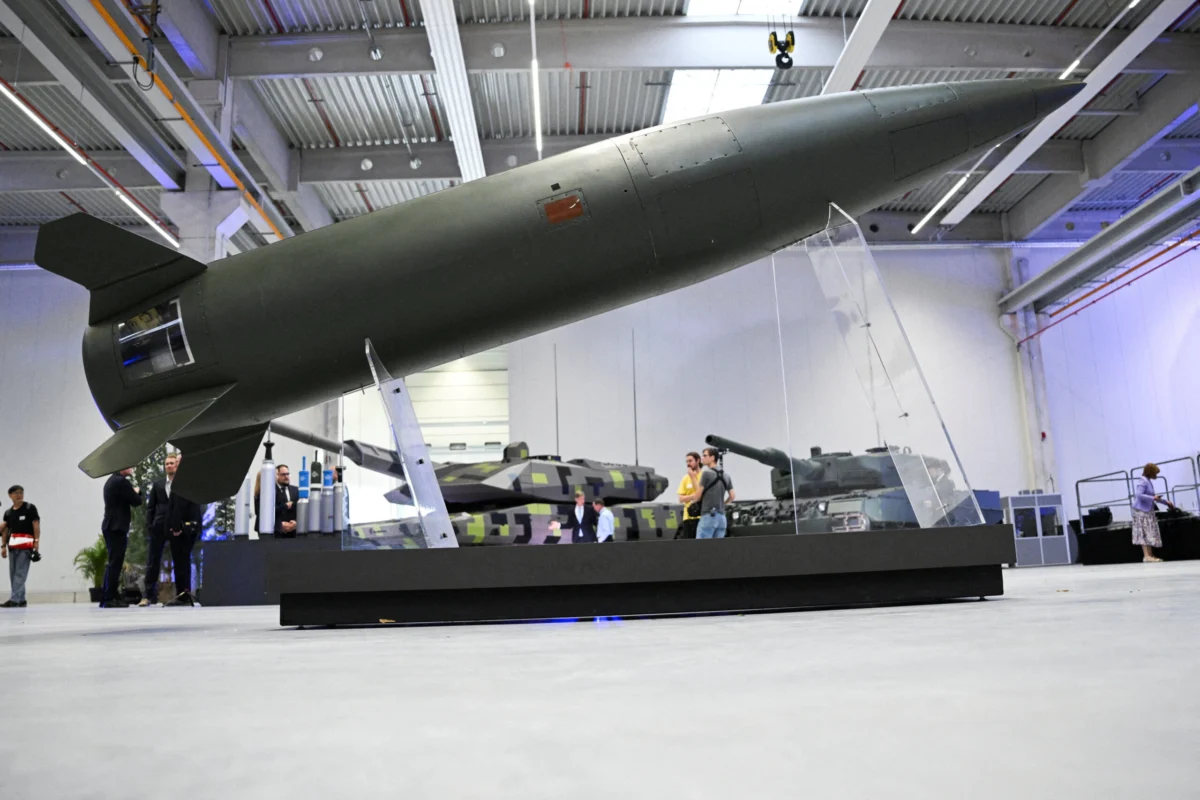
The memorandum of understanding (MOU) signed last month between Rheinmetall and Lockheed Martin represents a cornerstone of the Western strategy to "de-risk" the defense supply chain by localizing production in Europe. The agreement focuses on the establishment of a production line at Rheinmetall’s sprawling Unterluess facility in northern Germany. This site is already a hub for ammunition and armored vehicle production, but the integration of sophisticated missile assembly requires a specialized infrastructure that currently does not exist in the region.
"Naturally, there will also be sufficient capacity to replenish the U.S. military arsenals depleted by the conflict involving Iran," Papperger stated in an interview. However, he tempered expectations regarding the speed of this recovery. "That won’t happen in two years. It will take much longer."
The ATACMS, a surface-to-surface missile capable of striking targets up to 300 kilometers away, has become a high-demand asset globally. Its utility in modern high-intensity conflict was demonstrated during the Iranian theater, where it was used to neutralize mobile missile launchers and command centers. However, the complexity of its guidance systems and solid-fuel rocket motors means that production cannot be toggled on instantaneously. Industry analysts point to a "lead-time lag" involving specialized sub-components, such as microelectronics and high-grade energetics, which have been subject to global supply chain bottlenecks.
Political Reactions and Strategic Context
The executive branch in Washington has sought to project confidence despite the industrial indicators. President Donald Trump, speaking on Thursday, played down the severity of the shortage, asserting that the United States maintains an "almost unlimited supply" of certain munitions. While he acknowledged that stocks of specific high-end precision weapons were "tighter" than desired, he emphasized that U.S. defense firms are currently undergoing their most significant expansion of capacity since the Cold War era.
The White House’s rhetoric contrasts with the more cautious assessments from the Pentagon’s logistics and procurement offices. Internal memos suggest that the rate of consumption during the five-month Iranian campaign exceeded production forecasts by a factor of three. This has led to a strategic pivot, with the U.S. government increasingly relying on European partners like Rheinmetall to shoulder the burden of manufacturing.
The push for European-based ATACMS production is also a response to the "burden-sharing" demands long voiced by U.S. administrations. By establishing a production line in Germany, the U.S. secures a secondary source of supply while simultaneously providing NATO allies with more direct access to critical long-range strike capabilities.
Chronology of the ATACMS Joint Venture and Strategic Events
The path toward this joint venture has been shaped by a rapid succession of geopolitical and industrial milestones over the past year:
- January – May 2026: Active conflict between U.S.-led forces and Iran results in the expenditure of several hundred ATACMS and other precision-guided munitions.
- June 2026: The U.S. Department of Defense issues a classified "Munitions Readiness Assessment," warning of critical gaps in long-range strike inventories.
- July 2026: Rheinmetall and Lockheed Martin sign an MOU to co-produce ATACMS in Germany.
- August 2026: Armin Papperger confirms that Unterluess will be the primary site for the new facility, with setup scheduled for 2027.
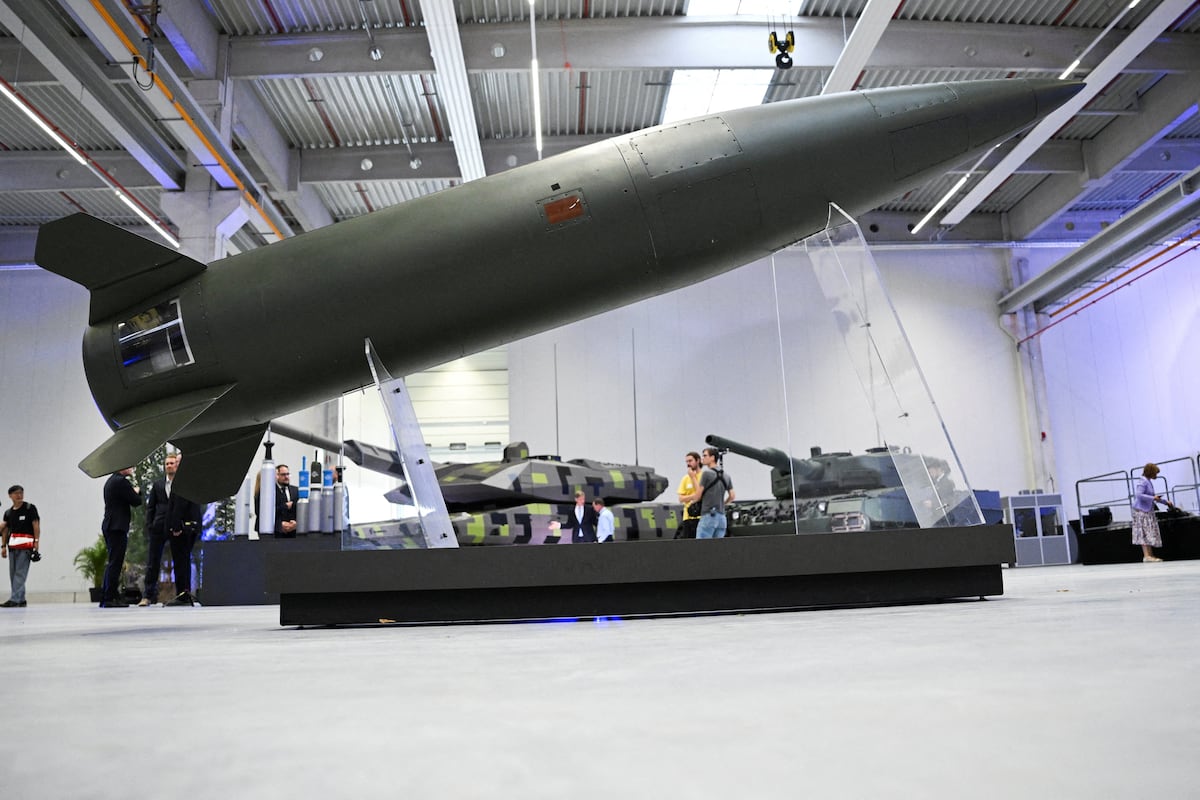
- August 27, 2025 (Retrospective): The inauguration of Rheinmetall’s new artillery plant served as the initial platform for showcasing the ATACMS integration, setting the stage for the current expansion.
- 2028 Forecast: Rheinmetall expects to realize its first revenues from the ATACMS joint venture, marking the beginning of full-scale deliveries.
Supporting Data: The Scale of Defense Expansion
Rheinmetall’s growth trajectory reflects a broader "war economy" shift across the European continent. As Europe’s largest ammunition producer, the company has seen its order book swell to record levels.
The financial and physical scale of this expansion is evidenced by several key data points:
- ATACMS Market Outlook: Papperger estimates a robust global market for these missiles for at least the next 15 years, driven by the obsolescence of older systems and the rising threat of peer-state conflict.
- The Boxer Program: Beyond missiles, Rheinmetall is on the verge of securing a multibillion-euro contract for Boxer armored vehicles. Rheinmetall’s share of this contract is valued at €12.4 billion ($14.3 billion), with the total program value alongside partner KNDS reaching approximately €25 billion.
- Revenue Projections: Despite the cancellation of the F126 frigate program by the German government—which forced a slight downward revision in short-term sales outlooks—the company’s long-term backlog remains at historic highs.
The "Boxer" contract is particularly significant for the German military (Bundeswehr). The 8×8 armored vehicle is known for its modular design, allowing for rapid reconfiguration for roles ranging from troop transport to mobile medical units or heavy mortar platforms. Papperger noted that "absolutely nothing" stands in the way of this contract being finalized by the end of 2026.
Diplomatic and Corporate Negotiations in Italy
Rheinmetall’s expansion strategy also involves consolidation within the European land systems market. A key point of focus is the potential acquisition of Iveco’s military truck business from the Italian aerospace and defense giant, Leonardo.
The deal has hit a period of transition following leadership changes at Leonardo. Papperger revealed that he had a "handshake agreement" with the previous CEO, but the future of the acquisition now rests with the new CEO, Lorenzo Mariani.
"Mariani can decide on new terms, and we will see if they remain attractive to Rheinmetall," Papperger said. While the CEO expressed confidence that the deal is not at risk, the need for renewed negotiations underscores the complexities of cross-border defense industrial consolidation. A meeting between the two leaders is expected following the summer recess to finalize the terms of what would be a major shift in the European military logistics market.
Broader Impact and Strategic Implications
The delay in ramping up ATACMS production carries profound implications for global security architecture. If the U.S. cannot rapidly replenish its stockpiles, its ability to deter aggression in other theaters, such as the Indo-Pacific or Eastern Europe, may be perceived as compromised.
For Rheinmetall, the transition from a regional supplier to a global co-producer of high-end American missile technology marks a significant elevation in its corporate status. It effectively integrates the German industrial base into the core of the U.S. defense supply chain, a move that provides Rheinmetall with long-term stability but also ties its fortunes to U.S. foreign policy and export controls.
Furthermore, the situation highlights the "industrial fragility" of modern defense manufacturing. The transition from "just-in-time" inventory management to "just-in-case" strategic stockpiling requires massive capital investment and a workforce with specialized skills that have been in short supply for decades. Papperger’s "much longer than two years" warning is a sobering reminder that while political decisions can be made quickly, the physical reality of forging steel, assembling circuits, and testing rocket motors follows a much more stubborn timeline.
As the world enters an era of renewed great-power competition, the partnership between Rheinmetall and Lockheed Martin will serve as a litmus test for whether Western industrial democracies can successfully rebuild their military-industrial capacity to meet the demands of a volatile 21st-century security landscape. For now, the focus remains on the Unterluess plant, where the foundations for the next generation of European-made precision strikes are being laid, one brick—and one missile—at a time.

Related Posts
Pentagon Forges Landmark Seven-Year Agreements with Boeing and RTX to Accelerate Standard Missile-3 Production and Stabilize Defense Supply Chains
Boeing Unveils Ultra Low-Cost Seeker to Enhance Missile Inventory and Combat Cost Challenges in Modern Warfare