President Tinubu Urges Diaspora Medical Professionals to Spearhead Healthcare Transformation Through Repatriation of Skills and Expertise
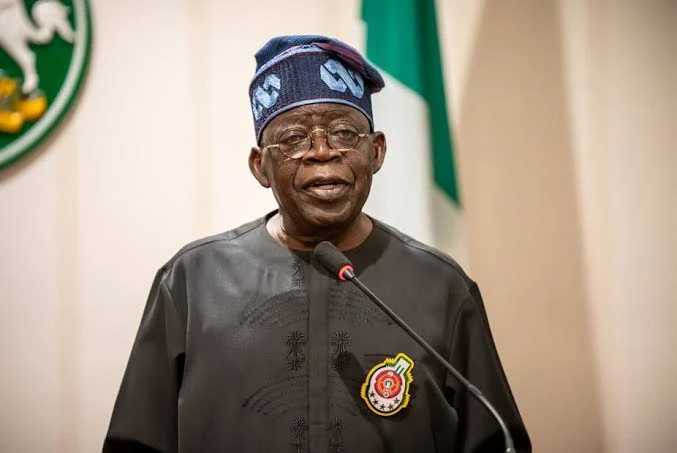
President Bola Ahmed Tinubu has issued a formal call to action for Nigerian medical professionals residing abroad to prioritize returning home to help revitalize the nation’s healthcare infrastructure. This appeal, delivered during a high-level meeting at the State House in Abuja on Friday, marks a strategic pivot in the administration’s "Renewed Hope" agenda, which seeks to integrate the specialized skills of the Nigerian diaspora into the domestic socio-economic framework. The meeting was held in conjunction with the National Diaspora Day Celebration 2026, an annual event coordinated by the Nigerians in Diaspora Commission (NiDCOM) under the leadership of Abike Dabiri-Erewa.
A Personal Appeal Rooted in Experience
Drawing from his own formative years in the United States, President Tinubu framed his request through the lens of lived experience. Having built a successful career in accountancy and finance—notably in Chicago—before returning to Nigeria to engage in public service, the President emphasized the inherent value of "coming home."
"I’ve been through that journey. I’m home, and I can tell you, there’s nowhere like home," Tinubu remarked to the delegation of medical professionals. He characterized his return as a deliberate choice to confront the systemic challenges of his homeland, suggesting that the "hazards" experienced abroad by Nigerian doctors—often characterized by professional isolation or the rigors of foreign health systems—could be transmuted into a powerful catalyst for national development if applied within Nigeria.
The Context of National Diaspora Day 2026
The interaction took place during the two-day National Diaspora Day, held from July 24 to July 25, 2026. This year’s theme, "Harnessing Global Diaspora Medical Expertise to Strengthen Local Health Systems for National Development," underscores the government’s growing anxiety regarding the "brain drain" phenomenon.
For decades, Nigeria has faced a significant exodus of medical talent, a trend colloquially known as the "Japa" syndrome. Data from the Nigerian Medical Association (NMA) suggests that thousands of doctors and nurses depart annually for the United Kingdom, Canada, and the United States, seeking better remuneration and working conditions. The current administration is attempting to reverse this trajectory not through legislative coercion, but through an appeal to patriotism and the promise of a structured "Renewed Hope" environment.
Chronology of Government Efforts to Engage the Diaspora
The push to engage the diaspora is not a new phenomenon, but it has gained significant momentum under the current administration.
- 2023: Upon his inauguration, President Tinubu highlighted the importance of the Nigerian diaspora as a critical component of national GDP, often citing remittances as a major economic pillar.
- 2024: NiDCOM intensified efforts to create databases for skilled Nigerians abroad, particularly in the tech and healthcare sectors, to facilitate "knowledge transfer" partnerships.
- 2025: Several pilot programs were launched to allow diaspora doctors to participate in "locum" or short-term teaching roles in Nigerian teaching hospitals.
- July 2026: The National Diaspora Day serves as the culmination of these efforts, with the President moving from policy rhetoric to direct, personal engagement with healthcare leaders.
Addressing the Healthcare Deficit: Data and Implications
The call for repatriation comes against a backdrop of severe healthcare disparities in Nigeria. According to the World Health Organization (WHO), the density of medical doctors in Nigeria remains well below the recommended threshold to effectively serve a population exceeding 200 million. With the doctor-to-patient ratio currently estimated at approximately 1:3,500—significantly lower than the WHO’s recommendation of 1:600—the influx of even a fraction of the diaspora population could alleviate the strain on public hospitals.
Analysts point out that the success of this initiative will hinge on more than just appeals. The primary barriers to return for most professionals include infrastructure gaps, inconsistent power supply, and limited access to advanced medical technology. By acknowledging that his administration is working to provide a "better environment, better education, and better development," the President signaled an awareness that the onus lies on the government to provide the structural foundation required for these professionals to perform their duties effectively.
Official Responses and Strategic Coordination
During the meeting, the President took concrete steps to formalize the appreciation for the visiting medical experts. He directed Abike Dabiri-Erewa to prepare personalized letters of commendation for the delegation members, a task to be coordinated by the Special Adviser on Media and Public Communications, Sunday Dare.
The Minister of State for Health, Dr. Iziaq Salako, also received explicit commendation for his role in advancing the administration’s healthcare agenda. President Tinubu’s endorsement of the health ministry’s team serves as a clear signal that the administration intends to prioritize health sector reforms in the coming fiscal cycles.
"I see Salako and the other members of the team are really working hard to actualize the dream," the President stated. "Please be ready to move on."
Comparative Democracy and Long-Term Vision
In a departure from strictly healthcare-focused discourse, the President placed Nigeria’s current developmental challenges within a broader historical context. Comparing Nigeria’s democratic maturity to that of the United States and the United Kingdom, he argued that Nigeria is still in its "infancy."
"If you look at 250 years of American democracy and the centuries of British governance, we are still very young," he observed. This perspective serves as a diplomatic strategy to manage expectations, suggesting that the current socio-economic trials are a natural, if difficult, stage of nation-building.
The President further drew a parallel between the global spirit of cooperation seen during the 2026 FIFA World Cup and the potential for national unity in Nigeria. By invoking the event as a celebration of "diversity and camaraderie," he urged the diaspora to champion Nigeria with the same fervor that nations apply to international sports, suggesting that a unified identity is the first step toward national prosperity.
The Path Forward: Implications for National Development
The President’s commitment to "fight" poverty and "bring care to our people" reflects a recognition that healthcare is inextricably linked to economic stability. The implications of this move are twofold:
- Human Capital Re-integration: If the administration can successfully implement the infrastructure improvements promised, it could lead to a "reverse brain drain," where top-tier talent brings back global best practices in medical management and research.
- Policy Credibility: The engagement of the diaspora acts as a barometer for the administration’s credibility. If professionals who have worked in high-standard environments like the U.S. or U.K. find the domestic environment hospitable enough to contribute, it could serve as a powerful signal to international investors and domestic stakeholders alike.
As the National Diaspora Day concludes, the government faces the challenge of translating the sentiment of the event into sustained policy. The "Renewed Hope" agenda now moves from the drawing board to the bedside, with the President making it clear that he expects the medical diaspora to be the hands and minds that help build the foundation for future generations. Whether this appeal results in a mass return or merely a surge in consultative partnerships remains to be seen, but the intent to bridge the gap between Nigeria’s global diaspora and its domestic healthcare needs has been firmly established as a priority for the 2026-2027 fiscal period.