Poland Hosts Coalition of the Willing Drills and Advances East Shield Project to Secure Ukrainian Future and NATO Flank
In a decisive move that underscores its burgeoning role as the strategic anchor of European defense, Poland is set to host the inaugural military exercises for the "Coalition of the Willing," a multinational grouping dedicated to establishing security guarantees for a post-war Ukraine. Scheduled for the fall of 2026, these drills represent a critical transition in European security architecture, moving from the immediate provision of lethal aid to the long-term planning of regional stability. Simultaneously, Warsaw is accelerating its "East Shield" (Tarcza Wschód) initiative, a multi-billion-dollar infrastructure project designed to fortify the European Union’s eastern frontier against conventional and hybrid threats from Russia and Belarus.
The upcoming exercises in Poland serve a dual purpose: they are both a practical rehearsal for future peace-monitoring operations and a political signal of European resolve. As the conflict in Ukraine continues to reshape the continent’s geopolitical landscape, the Coalition of the Willing—led primarily by London and Paris—is seeking to establish a high degree of interoperability and command-and-control (C2) readiness. By utilizing Poland’s territory as a logistical and operational staging ground, the coalition aims to ensure that when hostilities eventually cease, a prepared multinational force is ready to enforce security protocols and deter renewed aggression.
The Coalition of the Willing: Preparing for the Post-War Era
The Coalition of the Willing was formally established in 2025 as an informal but highly focused alignment of nations seeking to bridge the gap between current military support and future institutional security for Kyiv. While NATO remains the primary defensive alliance for its members, the coalition provides a flexible framework for nations like France and the United Kingdom to coordinate specific security guarantees that may fall outside the traditional scope of the North Atlantic Treaty.
According to a spokesperson for the Polish Ministry of National Defence, the fall exercises are designed to test the "Multinational Force Ukraine" (MNF-U) concept. The drills will focus on the complex logistics of deploying thousands of troops across international borders, establishing secure communication lines, and managing the supply chains necessary for a sustained presence. "The exercise planned on the territory of Poland is part of the preparatory activities of the Coalition of the Willing as part of future security guarantees for Ukraine," the spokesperson stated. "Its objectives include testing the command-and-control system, the organization of logistical support, and the deployment of troops."
France and the United Kingdom will serve as the "framework nations" for the exercise, providing the core leadership and significant troop contingents. However, the scope of the drills is expanding. Warsaw is currently in active negotiations with several other European allies to broaden the coalition’s footprint, ensuring that the eventual security apparatus in Ukraine reflects a pan-European commitment rather than a localized effort.
East Shield: A 10 Billion Zloty Fortress
While the Coalition of the Willing prepares for the future of Ukraine, Poland is taking immediate steps to secure its own borders through the East Shield project. With a budget of 10 billion zloty (approximately $2.6 billion), the initiative is the largest reinforcement of Poland’s eastern border since the end of the Cold War. The project spans roughly 800 kilometers (497 miles), covering the sensitive frontiers with the Russian exclave of Kaliningrad and the Republic of Belarus.
Unlike the static trench lines of the 20th century, East Shield is being developed as a "smart" defensive system. Drawing on harrowing lessons from the frontline in Ukraine, Polish military planners are prioritizing flexibility and technological integration. The system will not be a single continuous wall but a sophisticated network of:
- Physical Fortifications: Reinforced concrete anti-tank obstacles (commonly known as "dragon’s teeth"), bunkers, and deep anti-tank ditches.
- Natural Obstacles: The strategic flooding of certain areas and the enhancement of existing forests and wetlands to impede mechanized movement.
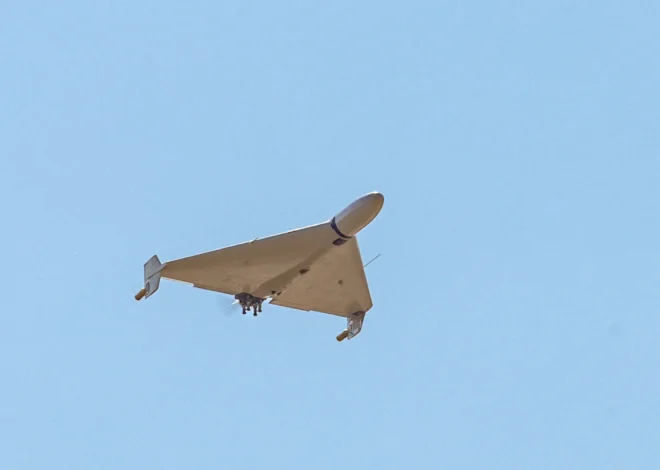
- C4ISR Integration: Advanced drone detection and tracking systems utilizing thermal imaging, acoustic sensors, and radar to counter the ubiquitous threat of unmanned aerial systems (UAS).
- Logistical Hubs: Forward-deployed material storage facilities and shelters to allow for the rapid mobilization of Polish and allied forces in the event of a breach.
The integration of anti-drone technology is particularly significant. Polish defense officials have noted that the rapid evolution of FPV (first-person view) and reconnaissance drones in the Ukrainian theater has rendered traditional border security insufficient. East Shield aims to create an "electronic dome" over the border, providing early warning and electronic warfare (EW) capabilities to neutralize aerial threats before they can penetrate deep into NATO territory.
Chronology of Poland’s Defensive Escalation
The development of the Coalition of the Willing and East Shield follows a clear timeline of escalating regional tensions and Polish proactive response:
- 2024–2025: Poland significantly increases defense spending, reaching over 4% of its GDP, the highest percentage in NATO. The "Coalition of the Willing" is formed by London, Paris, and Warsaw to plan for Ukraine’s long-term security.
- May 2026: The Polish government officially announces the East Shield project, earmarking 10 billion zloty for border fortifications.
- June 2026: Poland secures EU-backed loans and begins purchasing heavy military equipment, including tanks and howitzers, to populate its new defensive lines.
- July 2026: The German Bundeswehr deploys an engineering unit to Poland on a rotational basis. This marks a historic milestone in Polish-German military cooperation, with German soldiers actively assisting in the construction of East Shield infrastructure.
- September 2026: United States forces are scheduled to begin reconnaissance missions along the eastern flank to coordinate with Polish and German engineering efforts.
- Fall 2026: The first major military exercises of the Coalition of the Willing take place on Polish soil, involving French, British, and Polish forces.
Allied Solidarity: The German, American, and Baltic Roles
The involvement of the Bundeswehr in the East Shield project represents a significant shift in European defense dynamics. Historically, military cooperation between Warsaw and Berlin has been sensitive; however, the shared threat from the East has catalyzed a new era of pragmatism. Colonel Marek Pietrzak, a spokesperson for the General Staff of the Polish Armed Forces, characterized the German involvement as a "practical demonstration of Allied solidarity."
"German soldiers are supporting the Polish Armed Forces in expanding defensive infrastructure on NATO’s north-eastern flank," Pietrzak said. This cooperation is not merely symbolic; German engineering expertise in heavy fortifications and logistics is being directly applied to the construction of the Polish border defenses.
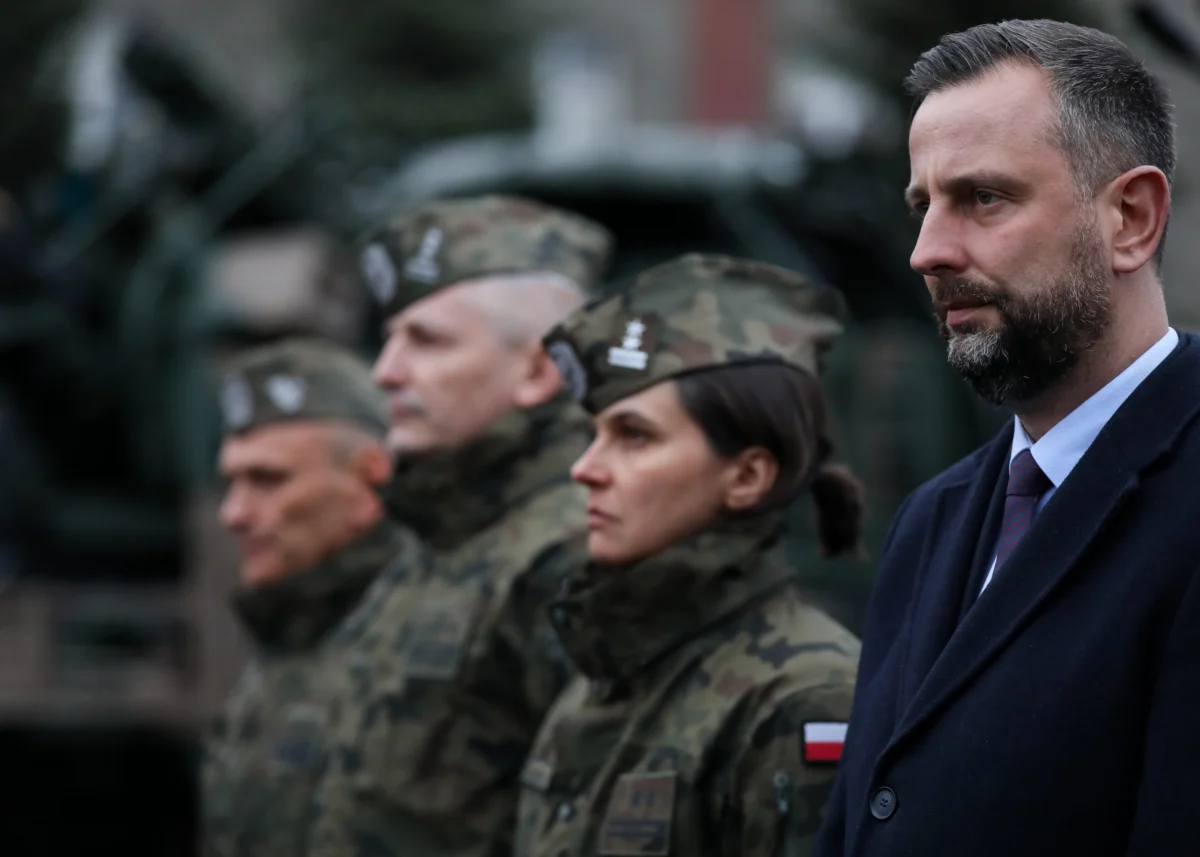
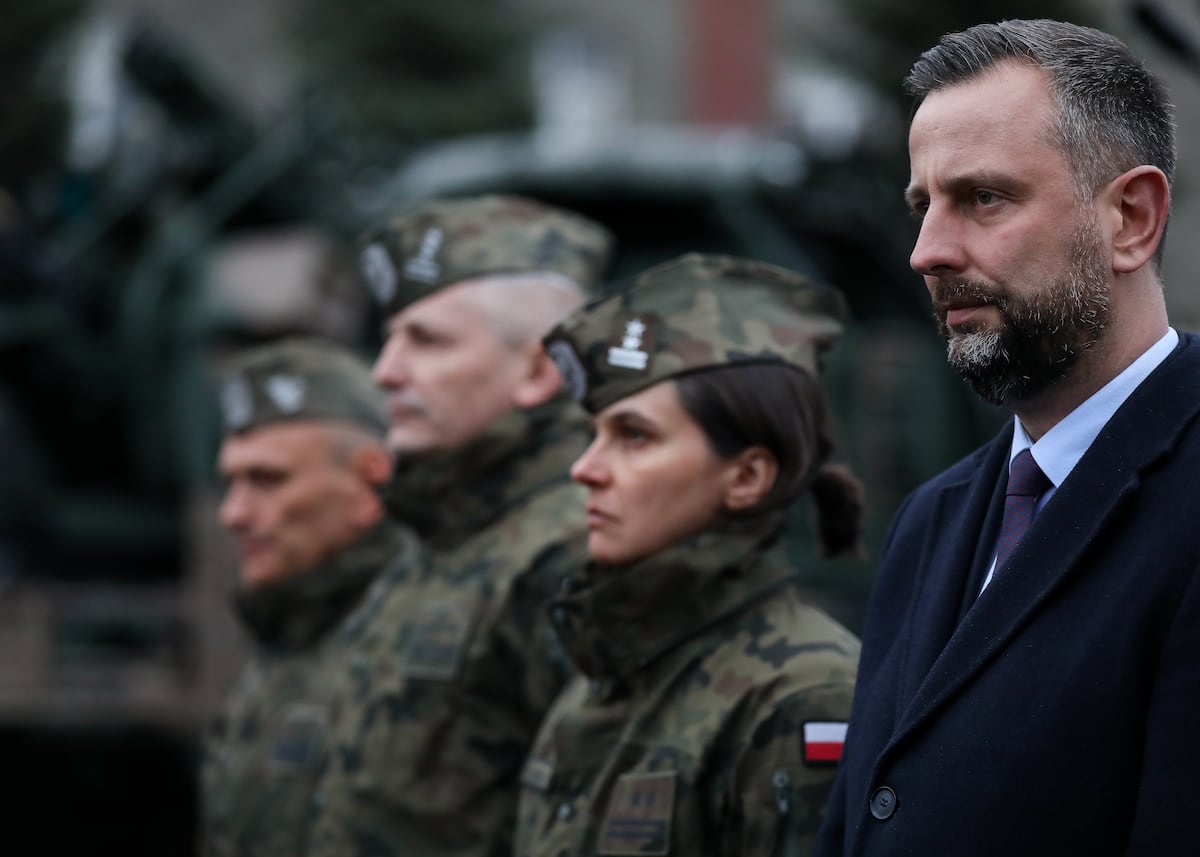
Furthermore, Deputy Prime Minister and Minister of National Defence Władysław Kosiniak-Kamysz has confirmed that the United States and France are also preparing for reconnaissance and support roles. "This is only the beginning," Kosiniak-Kamysz stated in July 2026. "Reconnaissance is underway ahead of support from French troops, and in September, reconnaissance involving American soldiers will begin."
Poland is also leading a diplomatic effort to synchronize its border defenses with those of the Baltic states—Estonia, Latvia, and Lithuania—and Finland. This "Baltic Defense Line" aims to create a seamless wall of deterrence from the Arctic to the Carpathian Mountains. By sharing technical specifications and intelligence, these nations hope to ensure that there are no "weak links" in the chain of European defense.
Strategic Implications and Analysis
The dual tracks of the Coalition of the Willing drills and the East Shield project signal a fundamental change in NATO’s "Forward Presence" strategy. For years, the alliance relied on a "tripwire" force—a small number of troops intended to trigger a larger response if attacked. Today, Poland is shifting the paradigm toward "Forward Defense," where the infrastructure and manpower are in place to stop an invasion at the border.
The implications for the European defense industry are equally profound. The 10 billion zloty investment in East Shield is expected to spur innovation in domestic Polish defense firms, particularly in the sectors of electronic warfare, drone manufacturing, and sensor technology. Moreover, by hosting the Coalition of the Willing, Poland cements its status as the indispensable hub for any future European military operation in the East.
However, the initiative also faces challenges. The sheer scale of East Shield requires unprecedented environmental and land-use planning, as much of the border consists of protected primeval forests and delicate ecosystems. Politically, maintaining the cohesion of the Coalition of the Willing will require delicate diplomacy, especially as different European capitals may have varying views on the exact nature of the security guarantees to be offered to Ukraine.
Conclusion
As Poland prepares for the fall exercises of the Coalition of the Willing, the message to Moscow and the broader international community is clear: Warsaw is no longer merely a recipient of security, but a primary provider of it. Through the combination of massive infrastructure investment in East Shield and the cultivation of deep-tier military interoperability with the UK, France, and Germany, Poland is effectively redrawing the security map of Europe. The fall 2026 drills will be the first major test of this new reality, proving whether the "Coalition of the Willing" can transform from a political concept into a formidable operational force capable of securing the peace in a post-war Europe.

Related Posts
Pentagon Forges Landmark Seven-Year Agreements with Boeing and RTX to Accelerate Standard Missile-3 Production and Stabilize Defense Supply Chains
Boeing Unveils Ultra Low-Cost Seeker to Enhance Missile Inventory and Combat Cost Challenges in Modern Warfare