Pentagon Seeks $67 Billion in Emergency War Funding Amid Rising Tensions and Casualties in Iran Conflict
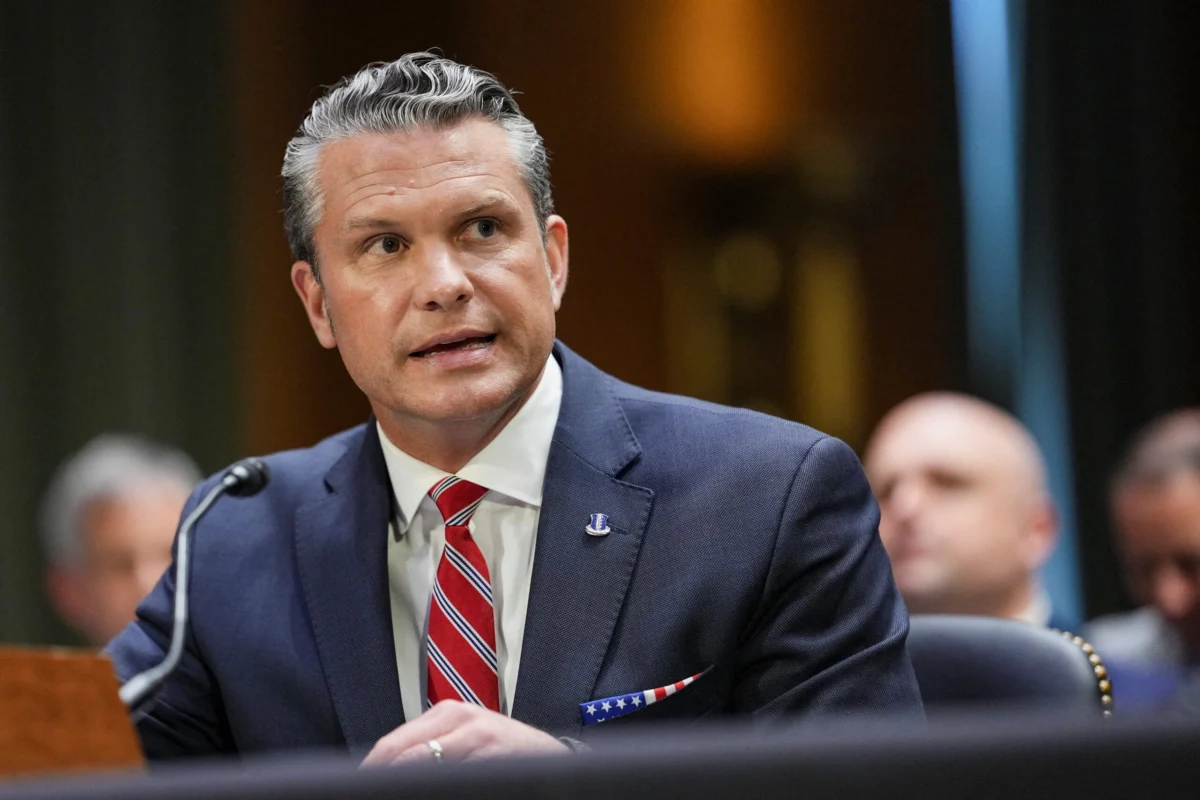
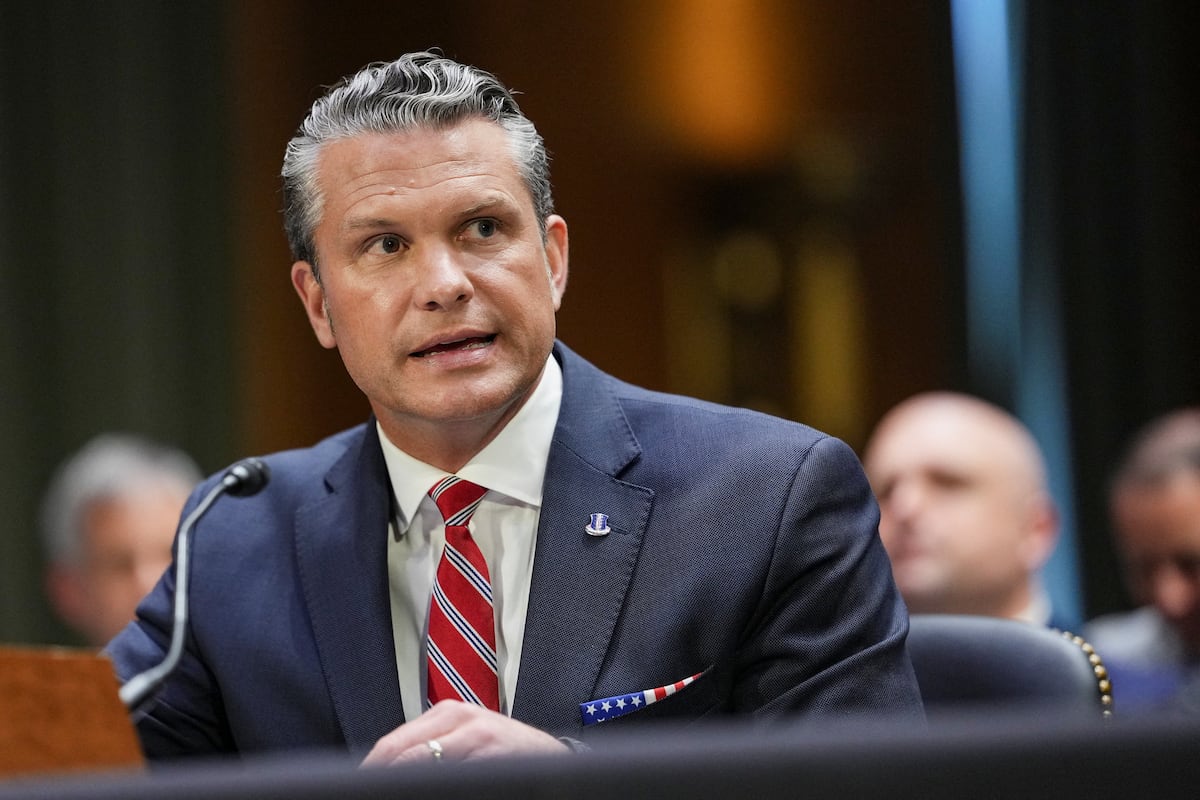
In a high-stakes testimony before the Senate Appropriations Committee on Tuesday, Secretary of Defense Pete Hegseth and Chairman of the Joint Chiefs of Staff Gen. John Caine requested a $67.1 billion emergency supplemental funding package to sustain the ongoing conflict in Iran and address a series of broader national security priorities. The request comes as the total cost of the Iran war reaches a staggering $37.5 billion, a sharp increase from the $29 billion estimate provided by the Department of Defense (DoD) just two months ago.
The hearing highlighted a growing rift between the Trump administration and a bipartisan group of lawmakers who expressed skepticism over the necessity of "emergency" funds, given that the Pentagon is currently sitting on $75 billion in unspent reconciliation funding from the previous fiscal year. As the conflict enters a more volatile phase, marked by daily airstrikes and a rising American death toll, the debate over military spending is increasingly colliding with domestic economic concerns and legal questions regarding executive war-making authority.
The Financial Breakdown: A Multilateral Funding Request
The $67.1 billion requested by the Pentagon is not exclusively earmarked for the conflict with Iran. According to Hegseth, roughly $32.7 billion—just under half of the total—is intended to fund direct operations in the theater of war. The remainder of the supplemental request is allocated to a diverse array of Department of Defense priorities that the administration argues are essential for modernizing the force and securing the nation’s borders.
The specific budgetary requests include:
- $21 billion for munitions: Replenishing stockpiles of precision-guided missiles and artillery used in the ongoing airstrikes.
- $17.3 billion for operations: Covering the daily costs of naval deployments, aerial sorties, and logistical support.
- $12.1 billion for classified programs: Funding for intelligence and special operations that remain outside the public eye.
- $5.1 billion for cybersecurity: Enhancing the defense of military and civilian infrastructure against retaliatory digital attacks.
- $2.4 billion for drones: Expanding the use of unmanned aerial systems for both surveillance and kinetic strikes.
- $2 billion for National Guard and administration priorities: Including the continued deployment of troops to the southern U.S. border and Washington, D.C.
- $1.7 billion for readiness: General maintenance and training cycles for units rotating into the conflict.
- $1.5 billion for fuel: Addressing the high energy costs of sustained carrier strike group operations and long-range bomber missions.
Secretary Hegseth defended the request by characterizing it as a "generational investment" necessary to restore a military that he claimed was left in a state of "staggering neglect" by the previous administration. He argued that the $75 billion remaining from last year’s $156 billion "One Big Beautiful Bill" is already slated for long-term structural restoration and cannot be diverted to meet the "new realities" of the current war.
Chronology of the Conflict: From Outbreak to Escalation
The war, which officially commenced on February 28, 2026, was initially framed by President Donald Trump as a preemptive measure to prevent Iran from finalizing its development of nuclear weapons. However, the conflict has rapidly expanded in scope and intensity over the last five months.
- February 28, 2026: Initial U.S. airstrikes target Iranian nuclear facilities and military command centers, marking the start of formal hostilities.
- March – April 2026: The conflict settles into a period of maritime skirmishes in the Persian Gulf and exchange of drone strikes.
- May 12, 2026: Secretary Hegseth informs Congress that the cost of the war has hit $29 billion, signaling a faster burn rate of resources than initially projected.
- June 24, 2026: In a rare show of bipartisan pushback, the U.S. Senate joins the House in voting 50-48 to pass a War Powers Resolution aimed at halting the conflict. The administration, however, maintains it has the legal authority to continue operations.
- July 11 – July 21, 2026: The conflict sees a significant escalation. The U.S. conducts airstrikes for 10 consecutive days. Four American service members are killed in a single four-day window, including a soldier killed during a controlled detonation of an Iranian drone.
- July 21, 2026: Hegseth and Caine testify before the Senate, revealing the death toll has risen to 18 U.S. service members, with over 440 injured.
The humanitarian and economic toll in the region has also spiked. The International Maritime Organization reports that at least 14 merchant mariners have been killed in attacks within the Strait of Hormuz. As Iran reasserts control over this strategic chokepoint, commercial transits have plummeted, contributing to the global rise in energy prices.
Congressional Skeptics: Domestic Priorities vs. Global Defense
The request for $67.1 billion was met with immediate pushback from the Senate Appropriations Committee’s leadership. Senator Patty Murray (D-WA), the committee’s top Democrat, voiced a refusal to "rubber stamp" a request that she described as being "chock full" of items unrelated to the actual fighting in Iran.
"The department received more than $1 trillion in funding last year and has requested $1.3 trillion this year," Murray noted, questioning why priorities like cybersecurity and border deployments were being bundled into an "emergency" war bill rather than being debated through the standard annual appropriations process.
The domestic political pressure was further articulated by Senator Kirsten Gillibrand (D-NY), who pointed to the rising cost of living for American citizens. "You’re asking for $1.5 trillion, unlimited money for bombs, but insufficient money for the American people for their healthcare, their food, their housing," Gillibrand said, reflecting the sentiment of constituents struggling with inflation at the pump and the grocery store.
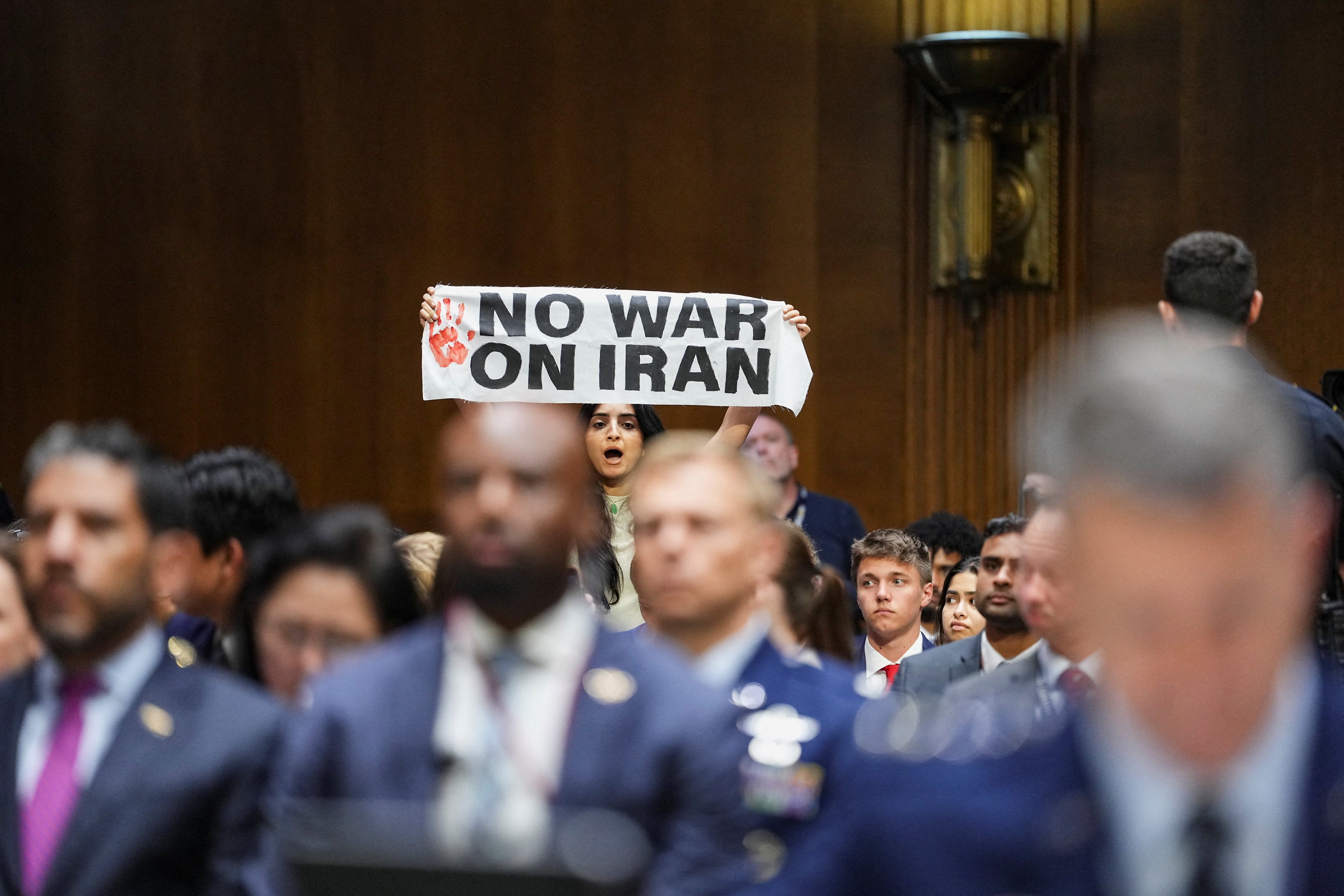
The hearing was briefly interrupted by protesters, highlighting the public’s growing unease with the military’s footprint and the administration’s fiscal priorities. The image of a protester holding a sign behind the testifying officials served as a visual reminder of the domestic opposition the administration faces as it seeks to bankroll a prolonged war.
Geopolitical Implications: The Russia-Ukraine Connection
The hearing also veered into the complex web of global alliances, as Senator John Kennedy (R-LA) pressed General Caine on the administration’s stance toward Russia and the ongoing war in Ukraine. Kennedy and other senators expressed concern that the focus on Iran was depleting resources promised to Ukraine—funding that has reportedly remained unallocated.
In a poignant exchange, Kennedy asked General Caine if Russia was "America’s friend." After a visible pause, Caine replied, "I think that depends on your definition of friend. I think it’s a complicated relationship… But no, I don’t think they’re our friends." Caine warned that U.S. adversaries are increasingly "aligning in their interests," sharing intelligence and technology to create simultaneous challenges for American forces across multiple continents.
This alignment, Caine argued, is "accelerating the speed of war," necessitating the immediate injection of funds to ensure that the "window of opportunity" does not close on American interests.
Legal and Medical Concerns: War Powers and TBI
Beyond the financial and geopolitical debates, the hearing touched on the legalities of the war and the welfare of the troops. Senator Lisa Murkowski (R-AK) sought assurances that the administration would not use the passage of a funding bill as a way to "restart the clock" on the 60-day limit imposed by the War Powers Resolution passed in June.
Hegseth remained firm, stating that the White House believes it possesses "all the authorities necessary" to continue the conflict, citing historical precedents like President Bill Clinton’s deployment of troops to Kosovo. This stance suggests a potential constitutional showdown between the executive and legislative branches over the right to sustain long-term military engagements without a formal declaration of war.
Finally, the human cost of the conflict was brought to the forefront by Senators Tammy Baldwin (D-WI) and Shelley Moore Capito (R-WV). They raised concerns regarding the medical treatment of the 440+ injured service members, specifically whether they were receiving adequate screenings for traumatic brain injuries (TBI) following drone and missile attacks. Hegseth assured the committee that "every effort" was being made to provide top-tier care, though he was asked to provide more detailed medical data for the record.
Analysis: A Turning Point for the Administration
The $67.1 billion request represents more than just a budgetary line item; it is a test of the Trump administration’s "Peace through Strength" doctrine in the face of a resilient adversary and a skeptical Congress. By framing the request as a "generational investment" and criticizing the "stale thinking" of the previous Pentagon leadership, Hegseth is attempting to redefine the war not as a temporary emergency, but as a necessary pivot toward a new era of global military dominance.
However, with the casualty count rising and the Strait of Hormuz effectively a no-go zone for much of international shipping, the "new realities" Hegseth cited may prove difficult to manage through funding alone. As the Senate continues to deliberate, the administration faces the dual challenge of proving the war is winnable while convincing a weary public that the cost—both in dollars and in lives—is worth the price of the stated objectives.

Related Posts
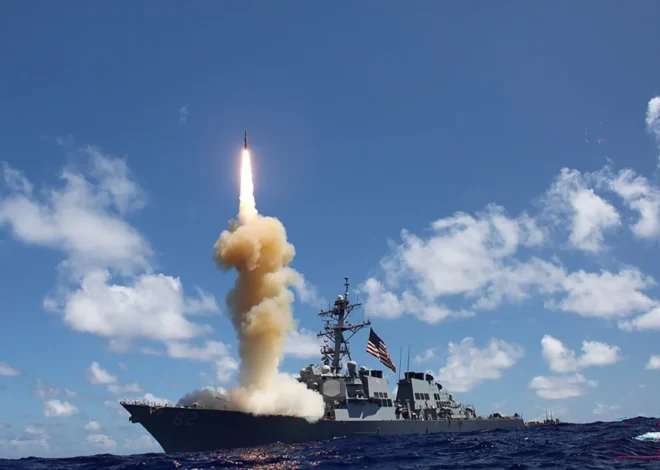
Pentagon Forges Landmark Seven-Year Agreements with Boeing and RTX to Accelerate Standard Missile-3 Production and Stabilize Defense Supply Chains
Boeing Unveils Ultra Low-Cost Seeker to Enhance Missile Inventory and Combat Cost Challenges in Modern Warfare