Pentagon Secures Framework Agreements for Family of Affordable Mass Missiles to Bolster Munition Inventories and Industrial Capacity
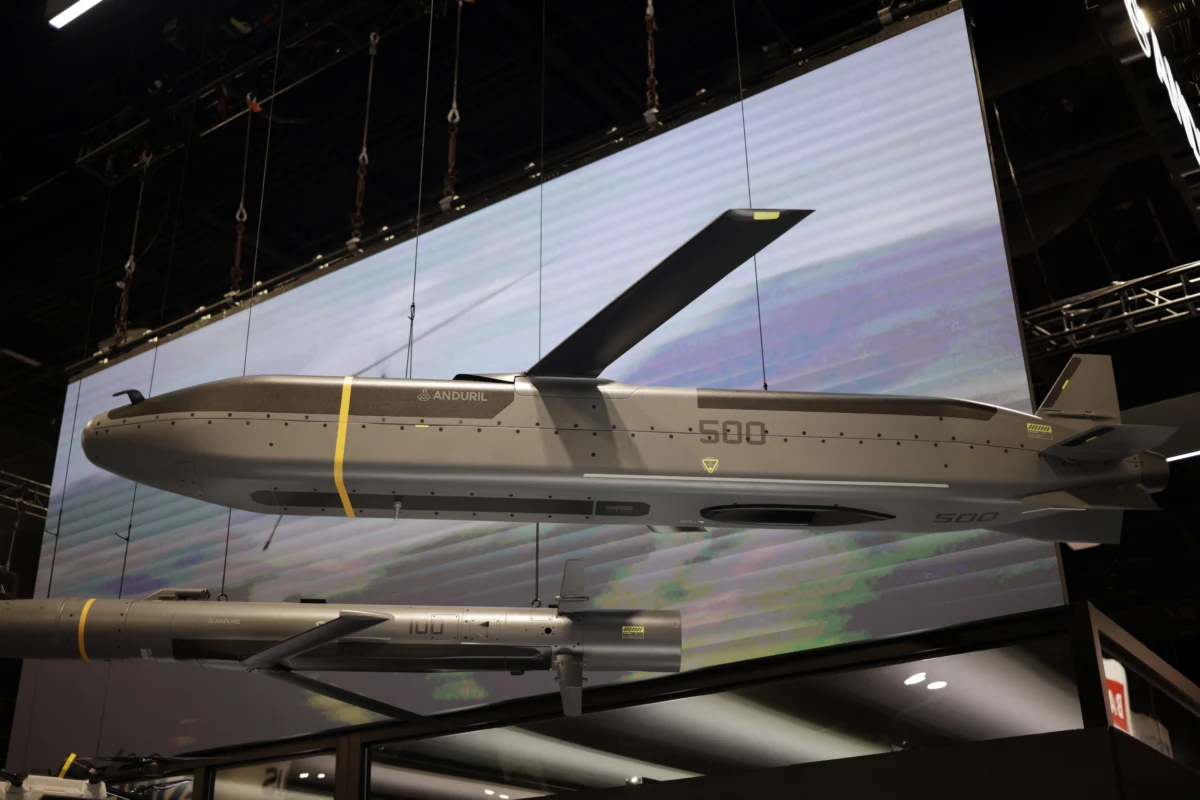
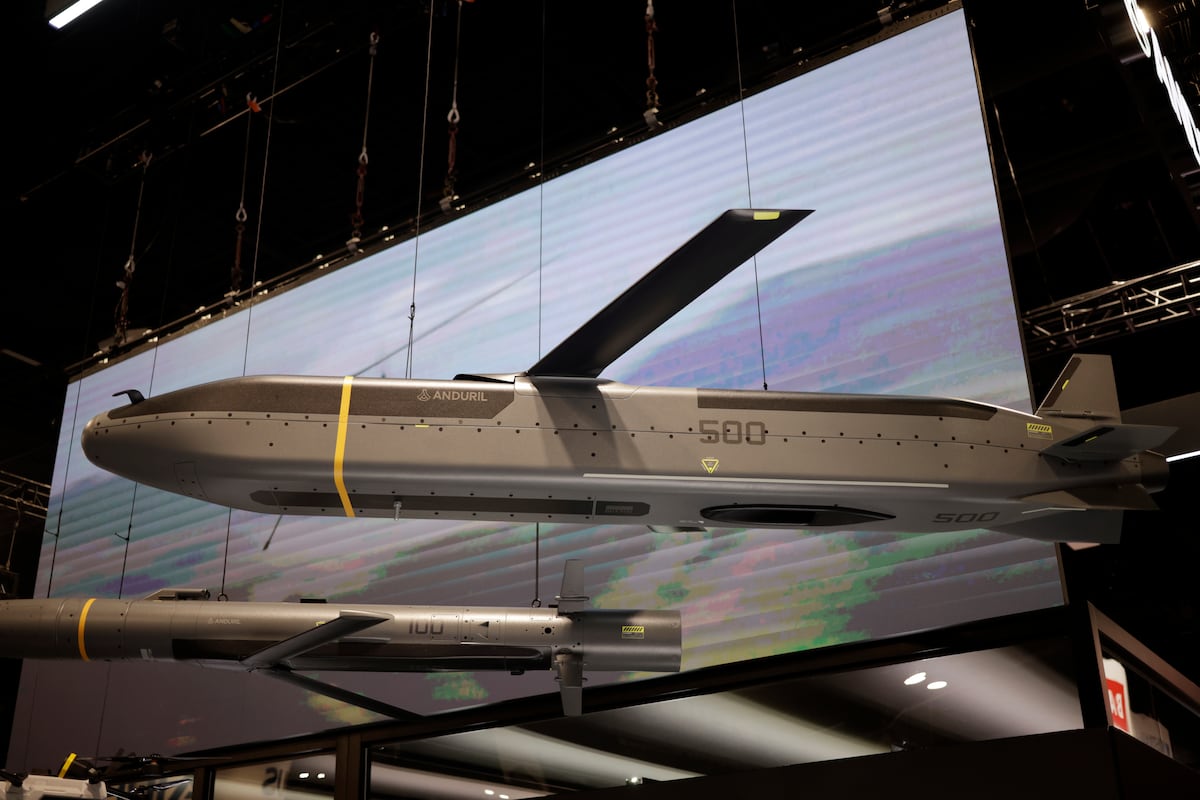
The United States Department of Defense has formalized a series of landmark framework agreements with three defense technology firms to spearhead the production of thousands of low-cost cruise missiles, signaling a fundamental shift in the nation’s aerial warfare strategy. This initiative, managed under the U.S. Air Force’s Family of Affordable Mass Missiles (FAMM) program, represents an aggressive move to address the "missile gap" by prioritizing quantity and cost-efficiency alongside traditional high-end capabilities. On Wednesday, the Pentagon confirmed that it had reached agreements with California-based Anduril Industries for its Barracuda-500, Virginia-based CoAspire for its Rapidly Adaptable Affordable Cruise Missile, and Zone 5 Technologies for its Rusty Dagger system.
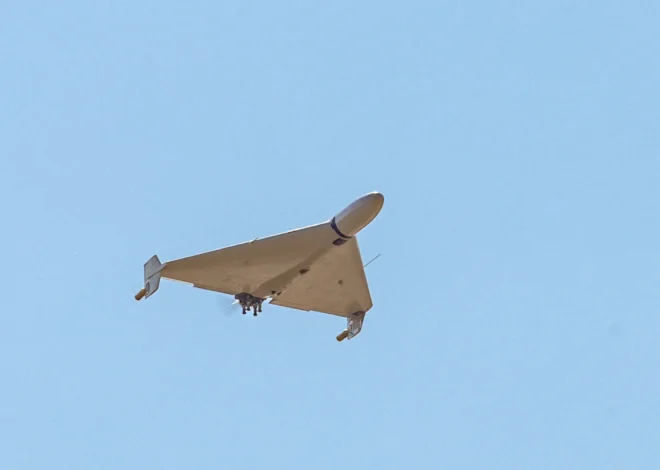
The core objective of the FAMM program is to provide the Air Force with the "magazine depth" required for a sustained, high-intensity conflict against a peer adversary. For decades, the U.S. military has relied on "exquisite" munitions—highly sophisticated, extremely accurate, but prohibitively expensive weapons produced in relatively small quantities. The FAMM program seeks to disrupt this paradigm by fielding missiles that can perform many of the same mission sets as their million-dollar counterparts but at a fraction of the price. By leveraging modern manufacturing techniques and commercial-off-the-shelf components, the Department of Defense aims to overwhelm enemy air defenses through sheer volume, a concept often referred to in military circles as "affordable mass."
The Economic Logic of Modern Attrition
The financial disparity between current inventories and the proposed FAMM systems is stark. Currently, the Air Force relies heavily on the Joint Air-to-Surface Standoff Missile (JASSM), a stealthy, long-range cruise missile designed to penetrate the world’s most sophisticated integrated air defense systems (IADS). While highly effective, each JASSM carries a price tag exceeding $1.3 million. In a protracted conflict involving thousands of targets, the cost of depleting such an inventory would be astronomical, potentially exhausting the service’s budget before its strategic objectives are met.
In contrast, the FAMM program has set a target price point of approximately $218,000 per round. This pricing model allows the Air Force to procure nearly six FAMM rounds for the cost of a single JASSM. This shift in economic logic suggests that the service is willing to trade some level of individual missile survivability or sophistication for the ability to launch massive salvos. If an adversary’s defense system can intercept 90% of incoming missiles, a salvo of six cheaper missiles is more likely to result in a successful strike than a single expensive one, while remaining cost-neutral for the U.S. taxpayer.
Program Structure and Technical Variants
The FAMM program is strategically divided into two primary hardware configurations designed to maximize the utility of the existing Air Force fleet. The first, designated FAMM-L (Lugged), is a traditional air-launched variant designed to be carried on the external hardpoints or internal weapon bays of fighters and bombers. This variant will likely be integrated into platforms ranging from the F-35 Lightning II and F-15E Strike Eagle to the B-21 Raider.
The second configuration, FAMM-P (Palletized), represents a more unconventional approach to long-range strike. These missiles are designed to be loaded onto standardized pallets and dropped from the cargo ramps of airlifters, such as the C-130 Hercules or C-17 Globemaster III. Once cleared of the aircraft, the missiles separate from the pallet, ignite their engines, and fly to their targets. This "Rapid Dragon" style concept effectively transforms transport aircraft into "arsenal planes," vastly increasing the number of launch platforms available to a regional commander without requiring additional dedicated combat aircraft.
Both variants are expected to boast an operational range of between 250 and 500 miles. While this is shorter than the range of the JASSM-ER (Extended Range), it provides sufficient standoff distance to keep launch platforms outside the immediate reach of most short- and medium-range surface-to-air missile batteries.
Industrial Base Expansion and Timeline
The framework agreements announced this week are not traditional purchase orders but rather legal and logistical blueprints that establish the terms of future cooperation. By signing these agreements, the Pentagon provides private industry with the long-term demand signal necessary to justify significant private investment in manufacturing facilities and supply chains. Anduril Industries, a key player in this initiative, has indicated that its agreement spans seven years, with the first deliveries of the Barracuda-500 slated to begin in 2027.
The scale of the intended procurement is unprecedented in the post-Cold War era. Internal budget projections suggest the Pentagon is looking to acquire roughly 28,000 missiles across all vendors over a five-year period, with a total estimated investment of $12.6 billion. Production is expected to scale rapidly, reaching a peak of nearly 8,000 rounds per year by the final year of the current projection.
To ensure the industrial base remains resilient and competitive, the Pentagon has implemented a unique contracting structure. The work is split among the three qualified suppliers under firm fixed-price terms. Crucially, the agreements include a "minimum order floor" to guarantee the viability of the production lines, while also offering incentives for companies that exceed their production schedules. This competitive framework is designed to prevent the "monopoly trap" often seen in legacy defense programs, where a single prime contractor faces little pressure to innovate or control costs once a contract is awarded.
Strategic Shift Under the Acquisition Transformation Strategy
These agreements are the latest manifestation of the Acquisition Transformation Strategy, a cornerstone policy push led by Defense Secretary Pete Hegseth. The strategy aims to bypass the often-stagnant traditional defense procurement cycles by engaging with "nontraditional" defense contractors—companies that prioritize software-defined capabilities and rapid hardware iteration over legacy bureaucratic processes.
Undersecretary of Defense for Acquisition and Sustainment Michael P. Duffey emphasized that the FAMM deals are a proof of concept for this new era of defense industrial policy. "We are expanding the defense industrial base, fielding capabilities faster, and attracting private investment," Duffey noted in a statement following the announcement. By bringing in companies like Anduril and CoAspire alongside established international partners like Kongsberg (which recently acquired Zone 5 Technologies), the Pentagon is attempting to create a more diverse and agile ecosystem of suppliers.
The involvement of Zone 5 Technologies is particularly noteworthy following its acquisition by the Norwegian defense giant Kongsberg. This partnership bridges the gap between American startup agility and European industrial experience, particularly in the realm of anti-ship and land-attack cruise missiles where Kongsberg has a long-standing reputation.
Broader Implications and Global Deterrence
The move toward affordable mass is being watched closely by military analysts, particularly those focused on the Indo-Pacific theater. In a potential conflict over the Taiwan Strait, the sheer distance and the density of Chinese air defenses would require the U.S. to expend munitions at a rate that current stockpiles likely could not support. The FAMM program is a direct response to this logistical reality.
By deploying thousands of cruise missiles, the U.S. forces an adversary into an unfavorable "cost-exchange ratio." If a defender is forced to use a $2 million interceptor missile to down a $218,000 FAMM round, the defender will eventually face bankruptcy or a depleted arsenal. This strategy of "attrition by economics" is a central pillar of the Pentagon’s updated deterrence model.
Furthermore, the FAMM program is being developed in parallel with the Army-led Low-Cost Containerized Missiles (LCCM) program. In May, the same three companies—Anduril, CoAspire, and Zone 5—along with Leidos, were tapped to develop ground-launched versions of these affordable munitions. The synergy between the Air Force and Army programs suggests a joint-service commitment to a common architecture of low-cost strike, which could simplify logistics and further drive down unit costs through economies of scale.
Challenges and Path Forward
Despite the optimism surrounding the framework agreements, significant hurdles remain before the first Barracuda-500 or Rusty Dagger enters the Air Force inventory. The missiles must still undergo a rigorous battery of flight testing and safety qualifications to ensure they meet the military’s stringent performance standards. Reliability is a primary concern; while the missiles are intended to be "attritable," they must still function as intended when launched in high-stress combat environments.
Additionally, the ultimate success of the FAMM program rests in the hands of Congress. The multiyear procurement deals the Pentagon is seeking require legislative approval and sustained funding through multiple budget cycles. Given the current fiscal environment and debates over defense spending, the program will likely face intense scrutiny on Capitol Hill. Supporters will need to demonstrate that the long-term savings and strategic benefits of affordable mass outweigh the immediate multibillion-dollar investment required to stand up these new production lines.
As the U.S. military pivots away from the counter-insurgency operations of the last two decades toward a posture of great-power competition, the FAMM program stands as a testament to the changing nature of modern warfare. It is a recognition that in the 21st century, victory may not belong to the side with the most expensive technology, but to the side that can produce, deploy, and replace its capabilities at the greatest scale.

Related Posts
Pentagon Forges Landmark Seven-Year Agreements with Boeing and RTX to Accelerate Standard Missile-3 Production and Stabilize Defense Supply Chains
Boeing Unveils Ultra Low-Cost Seeker to Enhance Missile Inventory and Combat Cost Challenges in Modern Warfare